What Skin ToneSuits Emerald?
Emerald is cool and vivid — it loves clear, cool, and deep skin. Discover which emerald depth flatters you and when olive is the better green.
Emerald is one of the most striking greens in fashion — cool, bright, and jewel-toned. Unlike muted olive or dusty sage, emerald sits firmly in the cool, saturated end of the green spectrum. That makes it magnificent on cool undertones, deep skin with clear coloring, and high-contrast complexions. It can fight muted-warm soft coloring, where olive or warm forest green usually wins. Once you know whether your skin reads cool-clear or warm-muted, choosing emerald versus a softer green becomes straightforward.


3,000+
happy clients
Why Emerald Flatters Some Skin Tones More Than Others
Emerald is one of the most striking greens in fashion — cool, bright, and jewel-toned. Unlike muted olive or dusty sage, emerald sits firmly in the cool, saturated end of the green spectrum. That makes it magnificent on cool undertones, deep skin with clear coloring, and high-contrast complexions. It can fight muted-warm soft coloring, where olive or warm forest green usually wins. Once you know whether your skin reads cool-clear or warm-muted, choosing emerald versus a softer green becomes straightforward.
Emerald green is defined by two qualities: a blue base (cool temperature) and high saturation (bright, jewel-like clarity). Cool undertones — pink, rose, or blue in the skin — share that cool base, so emerald near the face often makes skin look crisp, luminous, and intentional. Warm undertones carry golden or peachy warmth; when emerald's cool blue-green sits next to that warmth, the mismatch can read as slightly sallow or drained unless the wearer has enough contrast to carry the drama.
Depth and clarity matter as much as undertone. Deep skin with clear, vivid coloring — rich brown to deep neutral with striking contrast — can wear emerald with breathtaking impact. The saturation holds against deep pigmentation and creates a jewel-box effect. Fair skin with cool undertones also glows in emerald when the coloring is clear rather than soft-muted. The group that struggles most is muted-warm soft coloring: low contrast, soft hair and eyes, golden-beige skin. On that coloring, emerald often looks slightly loud or discordant; dusty olive or warm moss green harmonizes instead.
Emerald is not the same as 'green' in general. If you have tried green before and felt yellowish or tired, you may have worn warm olive or khaki — not emerald. The undertone test is simple: hold true emerald and deep warm olive against your jaw in daylight. Whichever makes your skin look clearer and more alive is your green family. Many people who think they cannot wear green have only tested the wrong temperature.
Fabric labels rarely distinguish emerald from teal-emerald or yellow forest. Cool emerald should look jewel-clear with a blue cast — not grassy or khaki-brown. When shopping, compare two swatches at your neckline: true emerald versus warm olive. If olive brightens you, emerald may stay in accessories; if emerald sharpens your face, build a capsule around cool jade, jewel green, and teal-emerald for depth variety without leaving your temperature.
Evening and occasion wear is where emerald pays off for cool-clear types: emerald silk, satin, and fine knit read expensive because the saturation matches formal lighting. Muted-warm guests at the same event often look more harmonious in moss or warm forest — not because emerald is 'dressy,' but because contrast and temperature must match the face. If you rent or buy one statement green, make it the green your undertone already loves at the jaw, not the green trending on the runway.
Children and teens with cool-clear coloring often love emerald before they can name undertone — the color feels 'right' because it matches their natural contrast. Adults who have aged into softer grey hair may shift toward teal-emerald or soft forest while still avoiding warm olive at the face. Aging does not automatically ban emerald; it may narrow which emerald depth still looks awake.
Sustainable fashion lines often dye in emerald using plant greens that skew yellow — read the swatch, not the marketing copy. A yellow-leaning 'emerald' behaves like warm forest on cool skin. True cool emerald stays blue-jewel clear in daylight.
Personal color analysis digital draping often shows emerald as a decisive swatch on cool winters — instant clarity versus instant drain. If you have never been draped, emerald is one of the fastest greens to test at home against olive before investing in a full green wardrobe.
Keep one emerald accessory — belt, bag, or earrings — to trial the family before a full emerald coat purchase. Emerald earrings lift cool eyes without committing to a top.
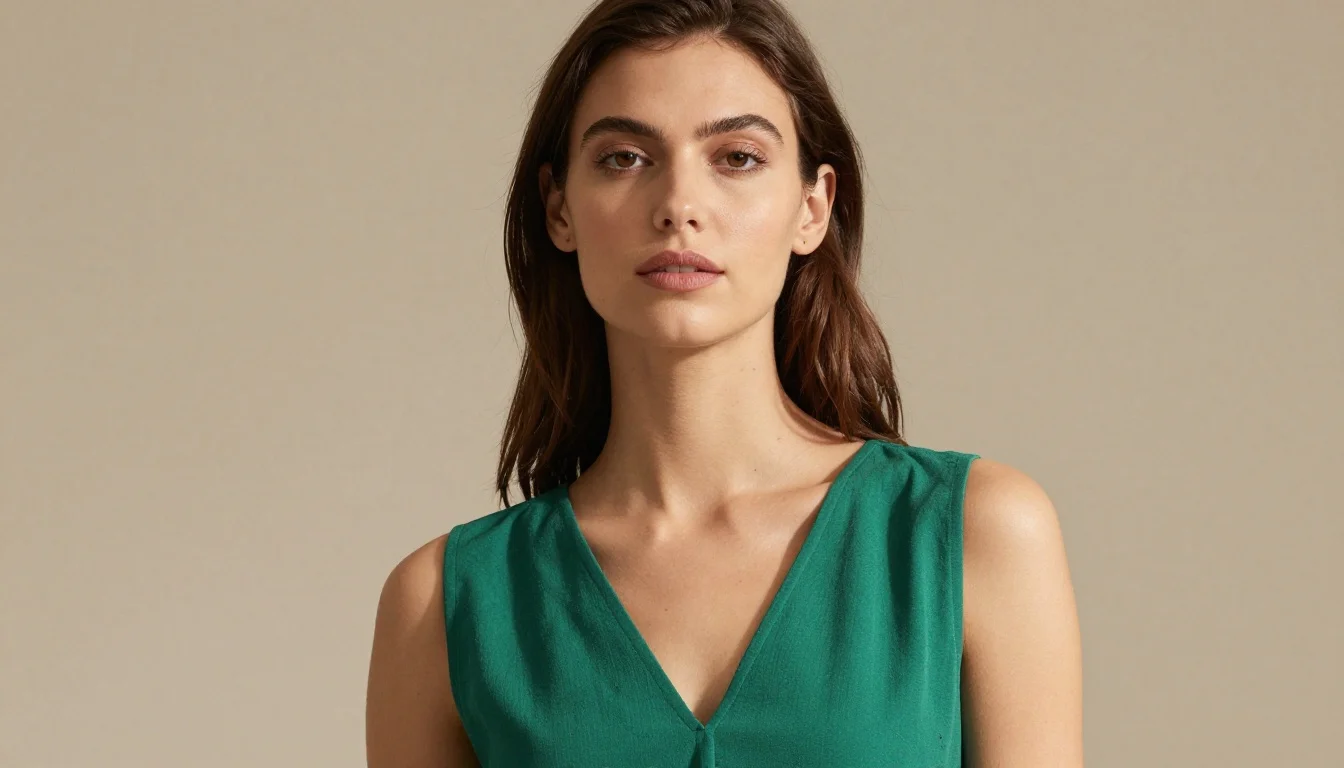
What skin tone suits emerald green?
Cool undertones, deep skin with clear coloring, and high-contrast complexions suit emerald best. Muted-warm soft skin often looks better in olive or moss. Match emerald's cool saturation to cool or vivid skin — not to soft golden-beige coloring.
The Right Emerald for Each Skin Tone
Cool Skin Tones: True & Jewel Emerald
Cool skin — fair to medium with pink, rose, or blue undertones — is emerald's natural partner. True emerald mirrors the cool base in the skin and creates a clear, vivid look without warmth clash. Deep jewel green and cool jade work for medium cool skin with more depth. Icy emerald-teal suits fair cool skin that needs slightly lighter value while keeping the cool saturation.
Deep Skin with Clear Coloring: Vivid Emerald
Deep skin tones with clear, high-contrast coloring carry vivid emerald beautifully. The saturation does not wash out against rich pigmentation — it creates striking contrast that reads expensive and intentional. Warm-deep skin can wear emerald when it leans slightly teal; cool-deep and neutral-deep skin wear the purest, bluest emerald with the most impact.
Clear & High-Contrast Coloring: Bright Emerald
If your natural coloring is vivid — dark hair, clear eyes, strong contrast between features — bright emerald near the face often looks electric in the best way. Clear Winter and Deep Winter types live here. The color's intensity matches the intensity of the face. Soft, muted coloring in the same depth range may still prefer a slightly dusted emerald-teal rather than the brightest jewel tone.
Medium Cool-Neutral Skin: Balanced Emerald
Medium skin with cool-neutral undertones has flexibility but still needs the cool blue base. Medium emerald and teal-leaning emerald provide richness without overpowering. Avoid warm olive and yellow-khaki — they fight cool-neutral skin. Soft jewel green works when overall coloring is medium-contrast rather than ultra-vivid.

Not sure yet? See it on your face
Start my color analysisHow to Wear Emerald for Your Skin Tone
Test emerald vs. olive at the neckline
Hold true emerald and deep warm olive side by side under your jaw. Emerald brightening you → cool or clear coloring is your lane. Olive brightening you → reach for warm greens; reserve emerald for accents or skip it near the face.
Wear emerald at the neckline for maximum effect
Emerald blouse, scarf, or blazer lapel interacts directly with skin tone. A vivid emerald silk on cool fair skin creates magazine-level clarity. If emerald feels strong, wear it as trousers or a skirt with a soft white or cream top — you still get the color without full facial competition.
Pair with cool neutrals for harmony
Emerald pairs best with cool neutrals: crisp white, cool grey, navy, and charcoal. Warm camel or golden tan next to emerald at the neckline can exaggerate temperature clash on cool skin. For warm-deep skin wearing emerald-teal, cream is safer than orange-camel at the face.
Metals and makeup temperature
Cool skin in emerald: silver, white gold, cool berry or rose lip. Warm skin testing emerald-teal: brushed gold and neutral-cool lip prevent the outfit from feeling icy. Emerald eyeshadow on cool eyes is stunning; on warm eyes, keep emerald in clothing and use warm bronze on lids.
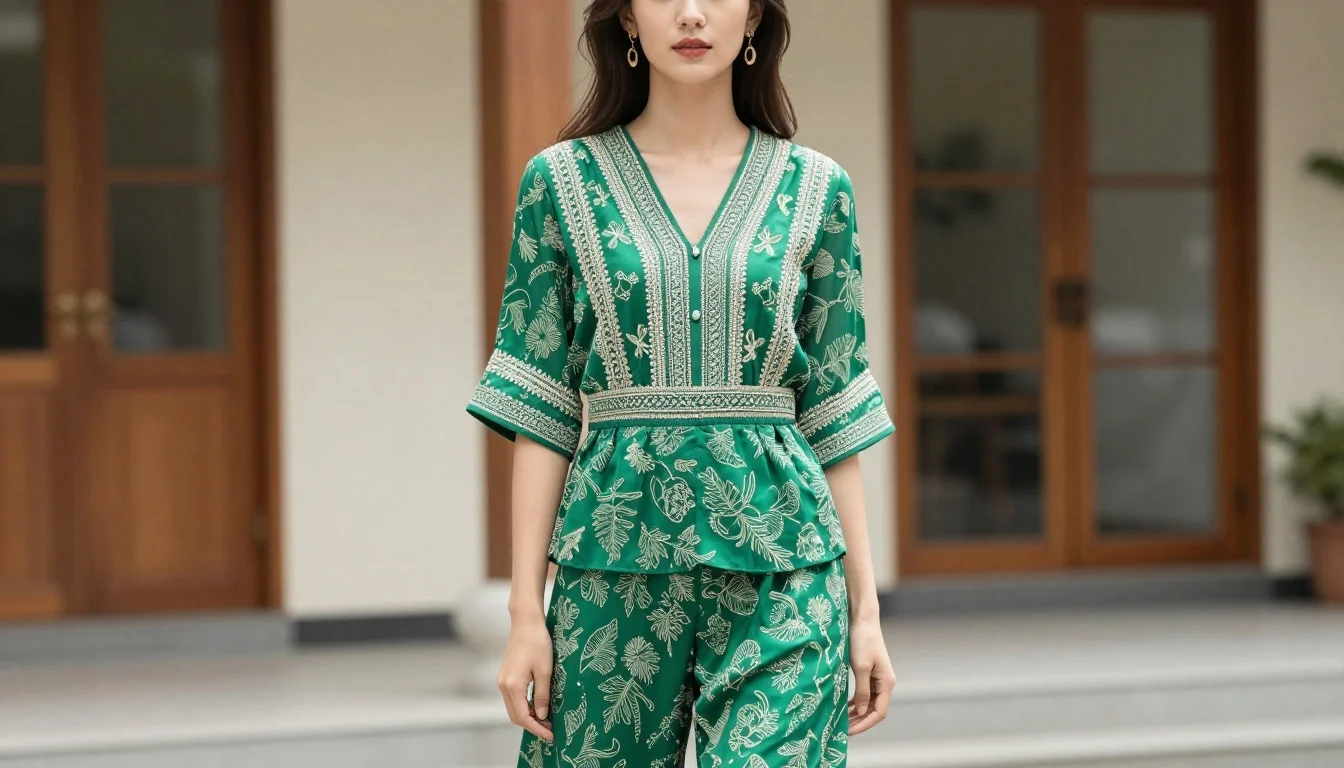
Emerald Shades That Fight Your Skin Tone
True bright emerald on muted-warm soft skin
Muted-warm soft coloring — low contrast, soft features, golden-beige undertones — lacks the vividness to balance bright emerald's saturation. The cool jewel tone can make skin look flat or slightly grey-yellow. Swap to warm olive, soft moss, or muted sage, which match the softness and warmth of this coloring.
Yellow-based 'emerald' on cool undertones
Some fabrics labeled emerald are actually yellow-green or warm forest. On cool skin, that warmth creates sallow clash. Seek emerald with a visible blue base — jewel green, cool jade — and test against your neck in natural light before buying.
Pale mint-green labeled as emerald on deep skin
Very light, minty greens do not deliver the saturation deep skin needs. They disappear against rich pigmentation and look unintentional. Deep skin deserves vivid emerald or deep cool forest with full jewel saturation.
Dusty, greyed emerald on clear high-contrast coloring
Greyed or dusty emerald reads muted on vivid, high-contrast faces — the color looks underpowered while the skin still looks strong. Clear coloring needs clear emerald: saturated, cool, and definite. Save dusty versions for Soft Summer-style muted cool coloring.
Stop guessing — discover your exact palette
See myself in my colorsFind Your Green When Emerald Isn't Working
Often the issue is not green — it is emerald's cool brightness versus your skin's warmth or softness.
Soft warm coloring needs muted warm green — emerald overwhelms and cools the face.
Warm undertones harmonize with yellow-based greens; pure emerald fights golden skin.
Deep skin needs saturation; pale green vanishes against rich pigmentation.
High-contrast clear coloring needs saturated emerald, not muted grey-green.
Olive yellows cool fair skin; emerald and teal-emerald echo cool undertones.
True emerald is cool and rich; yellow-green reads casual and clashes on many undertones.
Your Season, Your Emerald
Emerald belongs to the cool, clear, and deep winter family of palettes. Your season pinpoints whether you wear the brightest jewel emerald or a slightly deeper blue-green.
Bright Winter
Learn moreBright Winter wears the clearest, most saturated emerald — electric jewel green that matches this season's vivid cool clarity. Dusty or warm olive looks dull on Bright Winter; true emerald near the face is signature-level flattering.
Deep Winter
Learn moreDeep Winter's emerald is deep, cool, and intense — jewel forest with a blue base that complements dark hair and striking contrast. Deep Winter can carry more emerald at the neckline than any soft season; pale sage and warm khaki fall flat.
Cool Winter
Learn moreCool Winter suits emerald with icy clarity — cool jade and blue-based jewel green rather than warm forest. Emerald makes Cool Winter skin look porcelain-clear. Warm yellow-greens create the sallow effect this season avoids.
Find Your Exact Emerald
Emerald is not universal green — it is a cool, bright, jewel-toned green that rewards the right undertone and contrast level. Your season identifies whether true emerald, teal-emerald, or warm olive is your best green, plus every other color calibrated to your face. A personalized color analysis turns 'emerald sometimes works' into the exact green depth and temperature that always flatters you.
Stop guessing — preview every color on you
Preview Yourself In Your Palette
Get my personalized analysisStop guessing — preview every color on you
Preview Yourself In Your Palette

Related Guides for What Skin Tone Suits Emerald?
Explore more personalized color advice based on your features.
Want to see these colors on you? What Colors Look Good on Me — free to try.
Frequently Asked Questions About What Skin Tone Suits Emerald?
What skin tone suits emerald green?
Cool undertones, deep skin with clear coloring, and high-contrast complexions suit emerald best. Muted-warm soft skin often looks better in olive or moss. Match emerald's cool saturation to cool or vivid skin — not to soft golden-beige coloring.
Can warm undertones wear emerald?
Warm undertones can wear teal-leaning emerald as an accent but often fight true jewel emerald near the face. Warm forest, olive, and bronze-green harmonize better. If emerald washes you out, try deep warm olive — same richness, warmer base.
Does emerald suit dark skin?
Yes — vivid emerald on deep skin with clear contrast is one of the most striking combinations in color analysis. Avoid pale or dusty greens; saturated cool emerald creates jewel-box impact against deep pigmentation.
Is emerald the same as olive green?
No. Emerald is cool and blue-based; olive is warm and yellow-brown-based. Cool skin usually glows in emerald; warm and olive skin usually glow in olive. Testing both at your neckline is the fastest way to learn which is yours.
Why does emerald make me look sallow?
Usually temperature mismatch: cool emerald on warm golden skin, or a yellow-green fabric sold as emerald. Sometimes softness mismatch: bright emerald on muted low-contrast coloring. Swap to warm olive or soften to teal-emerald only if your undertone is neutral-deep.
What season wears emerald best?
Bright Winter, Deep Winter, and Cool Winter wear emerald as a core green. Soft warm seasons typically wear olive and moss instead. Your seasonal palette confirms the exact emerald depth for your face.