Colors That Work WithLow Contrast Features
Low contrast coloring — when hair, skin, and eyes are close in value — suits specific color strategies. Discover which shades flatter you most — and which to skip.
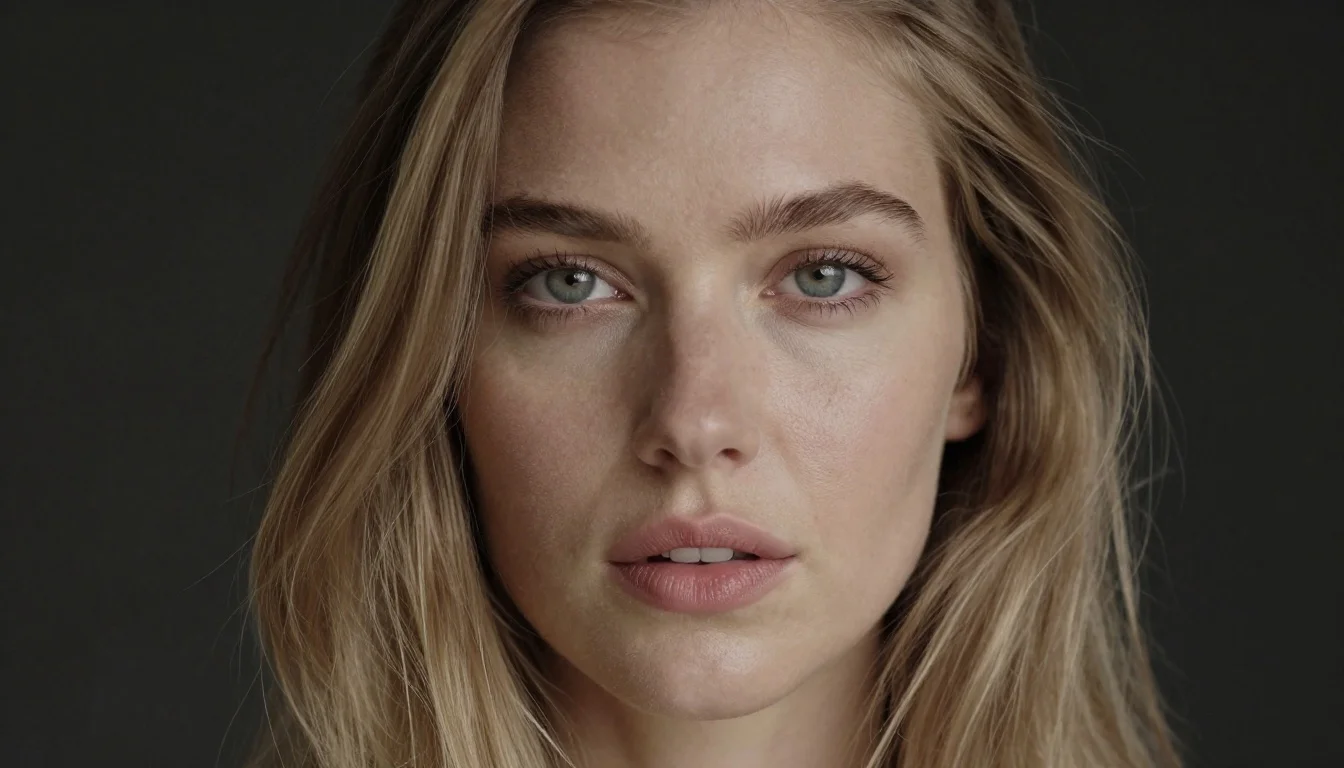
Low contrast coloring describes a face where hair, skin, and eyes are all similar in value — a soft harmony where no feature dramatically overpowers another. Think light hair, light skin, and soft or light eyes — or the warm-medium version with medium brown hair, warm tan skin, and warm brown eyes at similar depths. Low contrast isn't a flaw; it's a feature. The key is choosing colors that amplify this soft quality without overwhelming it.


3,000+
happy clients
Why Low Contrast Coloring Has Its Own Style Rules
Low contrast coloring describes a face where hair, skin, and eyes are all similar in value — a soft harmony where no feature dramatically overpowers another. Think light hair, light skin, and soft or light eyes — or the warm-medium version with medium brown hair, warm tan skin, and warm brown eyes at similar depths. Low contrast isn't a flaw; it's a feature. The key is choosing colors that amplify this soft quality without overwhelming it.
High contrast coloring — dark hair against pale skin, vivid eyes against deep skin — creates drama by default and can carry bold, high-contrast color choices. Low contrast coloring has a softer, more harmonious quality where features blend gracefully together. This is a visual asset: it has an elegance and a softness that bold, dramatic coloring doesn't. The challenge is knowing which colors amplify that softness versus which ones make features disappear entirely.
The biggest color mistake for low contrast coloring is choosing colors that match the low-contrast register — soft, muted, pale colors that blend into already-similar features and create a flat, undifferentiated look. Low contrast coloring needs either depth contrast (wearing darker, more saturated colors that create definition against soft features) or tonal harmony (wearing softer, muted versions of the right hues that amplify the natural softness). The key is being intentional about your approach.
Bold, high-contrast patterns are also tricky for low contrast coloring. A stark black-and-white stripe or a vivid graphic print overpowers soft features, creating a look where the clothing leads and the face recedes. Low contrast coloring is better served by solid colors, soft patterns, and textures that provide visual interest without overwhelming the natural softness of the features.
What is low contrast coloring?
Low contrast coloring describes features — hair, skin, and eyes — that are similar in value (lightness/darkness). Examples: light blonde hair with fair skin and light blue eyes, or warm medium brown hair with tan skin and warm brown eyes. No feature is dramatically darker or lighter than the others. It's a natural, harmonious quality that suits specific color strategies.
Your Most Flattering Color Families
Soft Medium Depths
Muted, medium-depth colors in the soft register are the ideal foundation for low contrast coloring. Dusty rose, soft teal, and muted sage provide color and visual interest without the stark contrast that overwhelms soft features. These colors have enough depth to create definition against fair or medium skin and enough muting to feel harmonious with soft eyes and lighter hair. They amplify the low contrast look rather than fighting it.
Deep Anchors for Contrast
When low contrast coloring wants depth and drama, deep anchors provide definition without overwhelming softness. Midnight navy near soft features creates depth contrast that makes the face more defined without the harshness of true black. Deep forest green and plum do the same. These are not about matching the soft, muted register but about creating a clear depth difference that makes soft features visible. Use these as statement pieces or anchors in otherwise soft outfits.
Tone-on-Tone Soft Warmth
A fully tonal approach — wearing multiple soft, similar-temperature colors together — works beautifully for low contrast coloring when done intentionally. Warm ivory with soft blush and cream creates a sophisticated, harmonious look that feels like an editorial choice rather than a wardrobe accident. The key to making tone-on-tone work for low contrast coloring is varying texture and depth slightly within the soft palette, so the look has visual interest without jarring contrast.
Soft Jewel Tones
The muted, faded versions of jewel tones — dusty sapphire rather than vivid cobalt, soft amethyst rather than bright purple — bring color and depth to low contrast coloring without the stark contrast of fully vivid jewels. These muted jewels sit in the same softness register as low contrast features while still providing enough color to prevent the feature-blending problem of pure muted pastels. They're your middle path between bold and safe.
Ready to see rose & teal on your face?
Start my color analysisHow to Dress for Low Contrast Features
Choose deliberate tonal dressing
Tonal dressing — wearing similar-depth colors in the same temperature family — is a powerful tool for low contrast coloring. Rather than fighting your soft features with sharp contrast, build outfits from a cohesive palette of 2-3 similar-value tones. Dusty rose with soft ivory and warm blush is an elegant example. The key is that the tones should feel intentional and refined, not accidental. Vary texture (silk, cotton, knit) to add visual interest within the soft palette.
Use depth as an anchor without going stark
A single deep anchor in an otherwise soft outfit creates definition without overwhelming low contrast features. A midnight navy blazer with a soft cream blouse and dusty rose scarf. A deep forest green knit over soft ivory trousers. The deep anchor provides the contrast needed to define the face while the remaining softness keeps the look harmonious. Avoid using two or more high-contrast anchors — one is enough.
Lean into muted jewel tones
Muted, dusty versions of jewel tones — dusty sapphire, soft amethyst, faded teal — are some of the best colors for low contrast coloring because they provide clear color and medium depth without the stark vibrancy of true jewels. They sit in the same softness register as low contrast features while bringing enough color presence to prevent the feature-blending problem of pure muted pastels. A dusty teal sweater or soft amethyst silk blouse near low contrast features looks elevated and intentional.
Avoid stark contrast at the neckline
The most important place to avoid harsh contrast for low contrast coloring is the neckline — the color closest to the face sets the visual register for the entire look. A stark white or bright vivid color at the neckline creates a contrast the face must compete with. Softer, more harmonious colors at the neckline and bolder colors further from the face (skirts, trousers, outerwear) allow low contrast features to lead the look.
Colors That Overwhelm Low Contrast Features
Stark black and white combinations
High-contrast color combinations — particularly stark black-and-white patterns — create more visual interest than soft features can match. The face recedes and the clothing leads in a way that feels unbalanced. A black blazer alone is a useful anchor; it's the sharp contrast of black-and-white patterns or very stark contrast pairings that overwhelm low contrast features. If you love black, wear it with softer, muted colors rather than stark white.
Very pale, chalky pastels
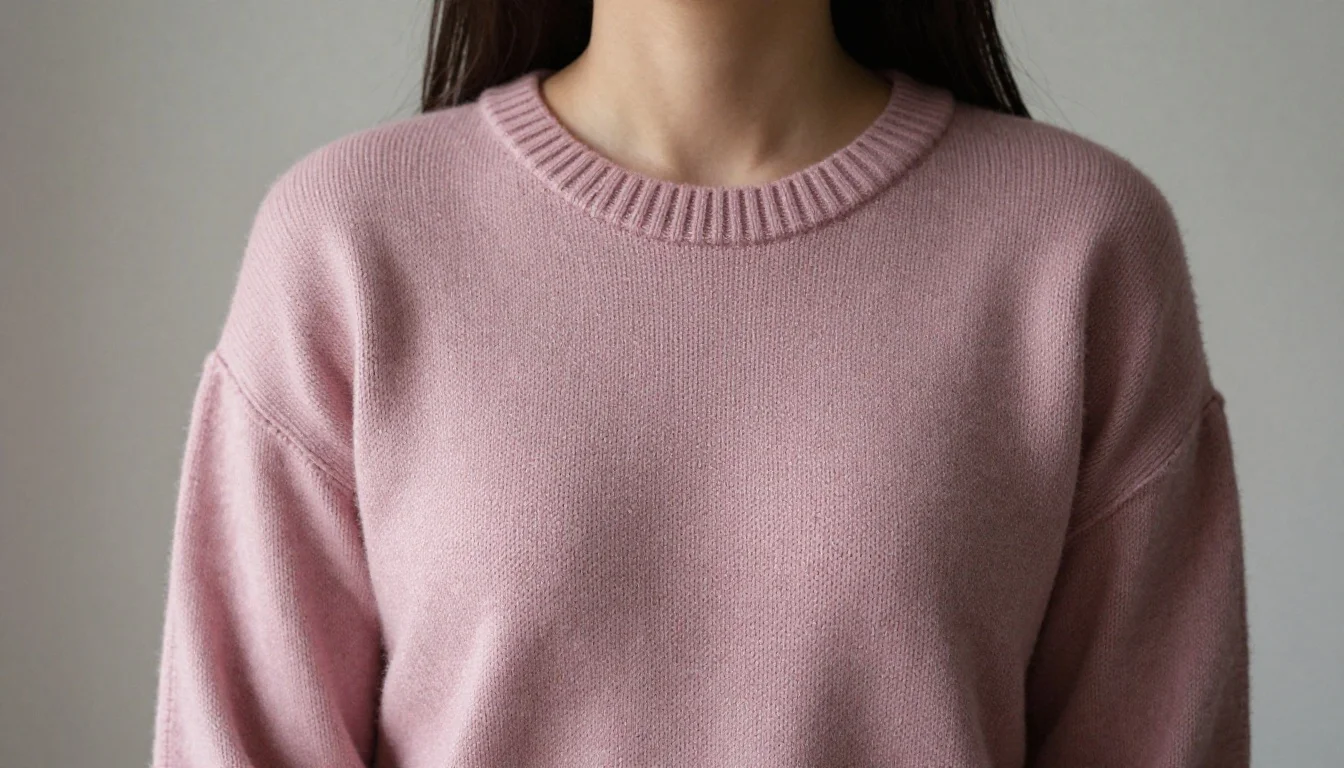
Chalky, very pale pastels — dusty pink that's barely pink, pale blue that reads as almost grey, washed-out lavender — blend with the already-soft register of low contrast features and create a flat, undifferentiated look. They don't provide enough depth or saturation to create visual interest. Clear, slightly more saturated versions of the same hues (true soft rose, real sky blue) work much better — they add color without the starkness problem.
Overly vivid, saturated brights
Very vivid, saturated brights — traffic orange, electric cobalt, neon green — overpower low contrast features in the opposite direction. The color becomes so dominant that soft features disappear behind it. You want colors that have enough presence to create definition without competing with the face. Muted, dusty, or medium-depth versions of bright colors suit low contrast coloring far better than their vivid counterparts.
High contrast patterns and prints
Bold geometric patterns, stark stripes, and vivid graphic prints create more visual contrast than low contrast features can balance. The pattern draws the eye away from the face. Soft patterns — subtle florals, gentle watercolors, tonal prints — work beautifully for low contrast coloring. It's the sharp, high-contrast graphic patterns that overpower.
Stop guessing — preview every shade on you
See myself in my colorsYour Wardrobe, Upgraded
Swaps that make low contrast features look intentional and refined.
Chalky pale pink blends into low contrast features without definition. Dusty rose and teal have enough color presence to create visual interest while staying in the soft register.
Stark black can be too high-contrast for soft features alone. Navy and plum provide depth contrast with a slight softness — enough definition without the harshness.
Vivid brights overpower low contrast features. Dusty sapphire and muted sage bring real color in the soft register that suits low contrast coloring.
Black-and-white patterns overwhelm soft features. A tonal muted jewel tone has enough presence for evening while harmonizing with low contrast coloring.
Bold patterns overpower low contrast features. A solid deep navy provides contrast and definition; soft dusty camel stays in the harmonious register.
Oversized, very bold jewelry can overpower low contrast features. Delicate pieces that complement the soft palette — fine gold chains, small pearl earrings — maintain the refined quality of low contrast coloring.
Which Seasonal Palette Fits Low Contrast Coloring?
Low contrast coloring is the defining characteristic of the Summer and soft seasonal types. Your specific undertone determines which soft season is yours.
Light Summer
Learn moreLight Summer is one of the most common seasons for low contrast coloring — light hair, fair-to-medium cool skin, and soft blue or grey eyes. Your palette is cool, muted, and gentle: powder blue, dusty rose, cool sage, and soft lavender. These muted-cool tones are perfectly matched to light, low contrast coloring.
Soft Summer
Learn moreIf your low contrast coloring has a cool undertone with even more muting — ash blonde or cool light brown hair, softly rosy fair skin, and gentle blue-grey or hazel eyes — Soft Summer may be your season. Your palette is cool, very soft, and sophisticated: dusty rose, dusty blue, muted sage, and soft plum.
Soft Autumn
Learn moreIf your low contrast coloring is warm rather than cool — warm light brown hair, peachy-warm medium skin, and warm hazel or soft green eyes — Soft Autumn may be yours. Your palette is warm, muted, and earthy: dusty terracotta, warm olive, muted cognac, and soft dusty teal. The warmth of Soft Autumn suits low contrast coloring with a warm undertone.
Find Your Exact Colors
Low contrast coloring is a genuine style asset — soft, refined, and harmonious. But the specific undertone of your low contrast features (warm, cool, or neutral) and your exact level of softness determine which muted palette makes you look most luminous. A personalized color analysis identifies the exact depth, temperature, and saturation that amplifies your specific low contrast coloring.
Stop guessing — preview every color on you
Preview Yourself In Your Palette
Get my personalized paletteStop guessing — preview every color on you
Preview Yourself In Your Palette
Related Guides for Best Colors for Low Contrast Coloring
Explore more personalized color advice based on your features.
Want to see these colors on you? What Colors Look Good on Me — free to try.
Frequently Asked Questions About Best Colors for Low Contrast Coloring
What is low contrast coloring?
Low contrast coloring describes features — hair, skin, and eyes — that are similar in value (lightness/darkness). Examples: light blonde hair with fair skin and light blue eyes, or warm medium brown hair with tan skin and warm brown eyes. No feature is dramatically darker or lighter than the others. It's a natural, harmonious quality that suits specific color strategies.
What colors suit low contrast coloring?
Muted, medium-depth colors in the same temperature register as your features suit low contrast coloring best — dusty rose, soft teal, muted sage, dusty sapphire. For contrast and definition, use one deep anchor (navy, deep plum, forest green) rather than stark black-and-white. Tone-on-tone dressing in harmonious soft colors is particularly effective.
Should low contrast coloring avoid bright colors?
Very vivid, neon brights can overpower low contrast features — the color becomes more interesting than the face. But medium-depth, clear colors (real cobalt, true teal, clear emerald) can work when they're one piece in an otherwise soft outfit. Muted versions of jewel tones — dusty sapphire, soft amethyst — are ideal: they bring color presence without the stark vibrancy that overwhelms.
Can low contrast coloring wear black?
Yes, but strategically. A single piece — a black blazer, black trousers — works as an anchor that creates definition against soft features. The issue is wearing black next to very pale or very light colors in the same outfit, creating the high-contrast combination that overpowers soft features. Black with dusty rose or soft teal works; black with stark white is trickier for low contrast coloring.
What is the difference between low contrast and high contrast coloring?
High contrast coloring features dramatic differences between hair, skin, and eyes — dark hair against pale skin, vivid eyes against deep skin. It creates drama naturally and can carry bold, high-contrast looks. Low contrast coloring has features that are closer in value — soft, harmonious, without dramatic light-to-dark jumps. High contrast coloring can overwhelm subtle choices; low contrast coloring can be overwhelmed by bold, stark ones.