The Colors Made ForCool Undertones
Cool undertones respond to color temperature, not just shade. Discover which shades flatter you most — and which to skip.
Cool undertones appear in skin of every depth — from porcelain fair to deep espresso. What you share is a pink, blue, or rosy cast beneath the surface. That temperature shapes which colors make you look clear and luminous — and which ones drag your complexion toward grey or red.


3,000+
happy clients
Why Your Undertone Temperature Determines Everything
Cool undertones appear in skin of every depth — from porcelain fair to deep espresso. What you share is a pink, blue, or rosy cast beneath the surface. That temperature shapes which colors make you look clear and luminous — and which ones drag your complexion toward grey or red.
Your undertone is the subtle cast visible beneath the surface of your skin. Cool undertones have a pink, blue, or rosy quality — the kind that makes your veins appear more blue-purple than green when you look at your inner wrist. This undertone doesn't change with tanning or seasons; it's a fixed quality of your complexion.
Colors have temperature too. Blues, purples, greens with a blue base, and berry tones are inherently cool. Oranges, yellows, and red-oranges are inherently warm. When your cool undertone meets a cool-toned color, the match creates harmony — your skin looks clear and rested. When you wear something warm-toned, the temperature clash can make your skin look flushed, ruddy, or off.
The most common mistake cool-toned people make is assuming undertone advice only applies at their specific skin depth. It doesn't. Whether you're fair with pink undertones, medium with rose undertones, or deep with cool blue-black undertones, the same core color principles apply. Cool colors flatter you. Warm colors require more care.
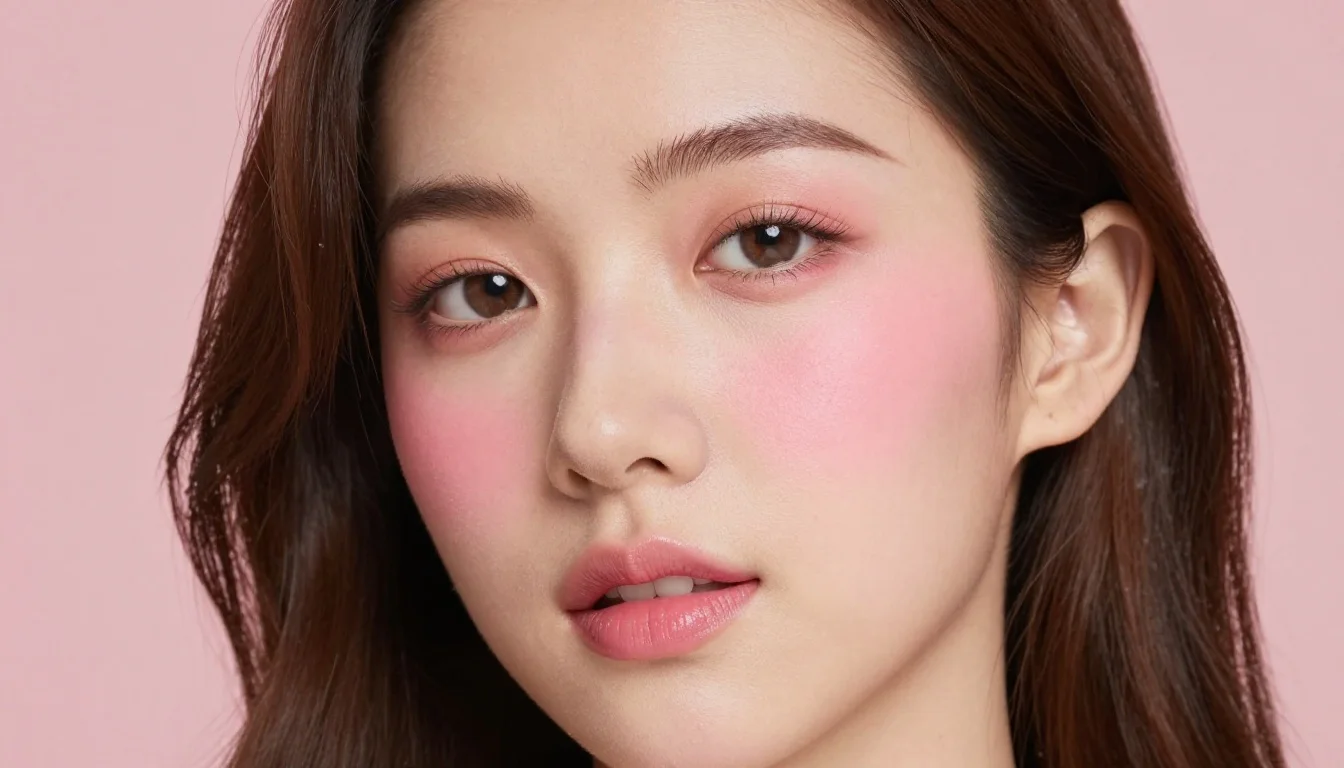
How do I know if I have cool undertones?
Look at the veins on your inner wrist in natural light. Blue or purple veins indicate cool undertones. If they look greenish, your undertones are warm. Blue-green suggests neutral undertones. You can also test by holding a white piece of paper next to your face — if your skin looks slightly pink or rosy by comparison, you likely have cool undertones.
Your Most Flattering Color Families
Cool Jewel Tones
Cool jewel tones match your undertone's temperature and amplify your natural clarity. Sapphire — a blue with cool depth — makes cool-toned skin look vivid rather than flat. Amethyst's purple quality picks up the rosy tones beneath your skin and makes them look intentional. Emerald, being a blue-green, sits in cool territory. Ruby reads deeper and cooler than warm red, making it far more harmonious.
Icy & Soft Pastels
Icy, cool pastels are uniquely flattering on cool undertones — they echo your skin's temperature in the softest possible way. Lavender is particularly luminous on cool-toned skin, picking up any rosiness without amplifying it. Baby blue reads clean and fresh. These pastels work because they share your undertone's blue or pink base; warm pastels like peach or yellow can clash significantly.
Cool Neutrals
Cool-toned neutrals are your foundation wardrobe. Bright white — particularly with a blue or daylight white quality — makes cool skin look crisp and clear. Cool grey complements without adding unwanted warmth. Slate blue is the most useful versatile neutral for cool undertones — it goes with almost everything while reinforcing your natural temperature. Charcoal reads cooler than black and works beautifully.
Berry & Rose Tones
Berry and rose tones sit at the intersection of pink and purple — both cool-toned registers. These shades mirror the undertone in cool skin and create a harmonious, flushed-with-health look. Raspberry and cranberry in clothing pick up the rose quality of your complexion beautifully. Deep plum creates rich, sophisticated contrast without any warmth fighting your skin tone.

Ready to see sapphire & amethyst on your face?
Start my color analysisHow to Wear These Colors in Real Life
Building your base wardrobe
Your strongest neutral investment is bright white — specifically the daylight-white or bright-white quality, not warm ivory. A crisp white cotton button-down, a bright white knit, a clean white coat — all look naturally luminous against cool-toned skin. Layer with cool grey and slate blue for a versatile, polished wardrobe that works at any formality level.
Jewel tones as statement pieces
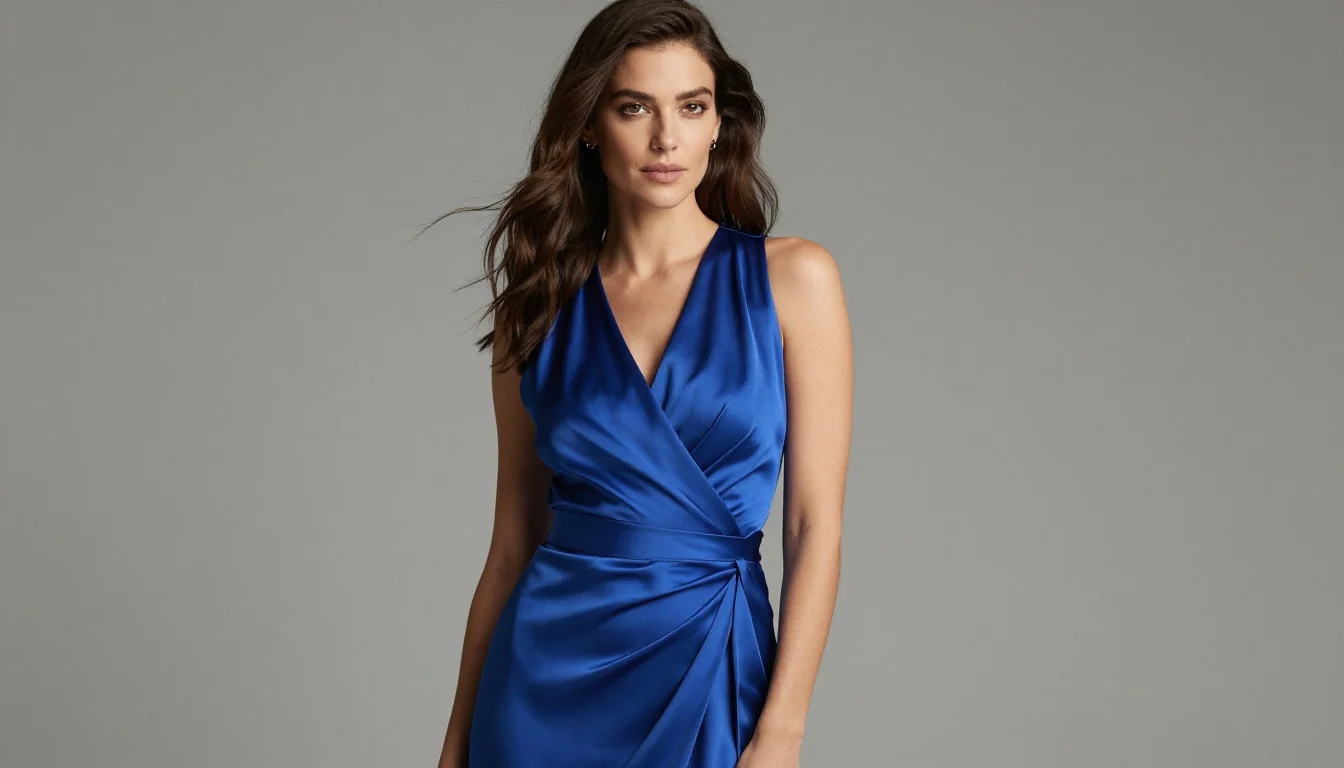
A sapphire blazer, amethyst silk blouse, or deep plum evening dress are your high-impact statement pieces. These colors don't just suit cool undertones — they make cool-toned skin look like the best version of itself. For work, sapphire or deep teal against a bright white shirt is a powerful, polished combination. For evenings, plum or raspberry makes cool skin look luminous.
Avoiding warm beige mistakes
The most common wardrobe mistake for cool-toned people is building a neutral base in beige and camel. These 'safe' neutrals actually fight your undertone. Swap camel coats for slate blue or charcoal. Replace beige trousers with cool grey. Trade warm tan bags for deep navy or burgundy. The shift is subtle but the difference in how your skin reads is significant.
Makeup color temperature
Cool undertones look best with makeup that shares their temperature. Berry, plum, and cool rose lip shades look harmonious. Rosy-pink blush rather than peach or coral. Taupe and slate eyeshadow rather than warm bronze. Silver and cool-toned highlighter rather than warm gold. The principle is the same as clothing — match the temperature and everything looks more intentional.
Not sure you're cool-toned?
Confirm it in under a minute with our free skin undertone test then come back for your exact colors.
Colors That Create a Temperature Clash
Orange and rust
Orange is the most directly warm color on the spectrum — and it sits at the opposite end of the temperature scale from cool undertones. Wearing orange near cool-toned skin makes the skin look pink, ruddy, or washed out depending on your depth. If you love warm tones, burnt sienna or deep terracotta are less extreme options.
Golden yellow
Warm, golden yellow amplifies the warmth in your surroundings — and against cool skin, it can make you look sallow or create a greenish quality. The yellow reflects warmth that your cool undertone isn't built to absorb harmoniously. Cool lemon yellow or chartreuse works better than warm golden shades.
Warm camel and warm beige
Warm beige and camel have a yellow-orange base that clashes with cool undertones. They can make cool skin look flat and grey-tinged. If you want a neutral that reads camel-adjacent, try cool taupe or greige — they have a grey base that sits better with your undertone.
Warm coral
Coral sits between orange and pink — and while the pink component might seem harmonious, the orange base fights cool undertones. The result is often a clash that brings out redness in fair cool skin or creates a muddy quality in deeper cool skin. True rose or raspberry gives you the pink energy without the orange conflict.
Stop guessing — preview every shade on you
See myself in my colorsYour Wardrobe, Upgraded
Temperature-matching swaps that make cool-toned skin look clear and radiant.
Ivory has yellow warmth that clashes with cool undertones. Bright white matches your temperature and makes skin look clear.
Camel's yellow-orange warmth fights cool undertones. Slate blue and charcoal share your temperature and look effortlessly cohesive.
Coral's orange base clashes with cool skin. Raspberry has the same energy but in a cool-pink register that harmonizes instead.
Warm rust fights your undertone at the most visible level. Deep plum and cobalt create the same richness without temperature conflict.
Mustard amplifies warmth that cool undertones don't have. Lavender and soft sage are cool-toned and naturally harmonious.
Gold's warm yellow tone works against cool undertones. Silver shares the cool temperature of your skin and looks clean and intentional.
Which Seasonal Palette Fits Cool Undertones?
Cool undertones align with the summer and winter seasonal families — your depth and contrast level determine which specific season is yours.
Cool Summer
Learn moreIf your cool undertones are paired with light-to-medium skin depth and soft, low-contrast coloring, Cool Summer is your most likely season. Your colors are muted, cool, and delicate — dusty rose, soft lavender, cool taupe, and slate blue. Nothing too vivid or dark.
Cool Winter
Learn moreIf you have cool undertones with higher contrast — darker hair, vivid eye color, or deeper skin — Cool Winter may be your season. You suit the clearest, most saturated cool colors: icy white, cobalt, fuchsia, and true black. High contrast, high clarity.
Deep Winter
Learn moreIf your cool undertones come with very deep, rich coloring — near-black hair or very deep skin — Deep Winter is worth exploring. You handle the full range of cool-toned colors with dramatic depth: midnight navy, charcoal, ruby red, and stark white contrasts.
Find Your Exact Colors
Knowing you have cool undertones gives you a powerful starting point — but your depth, contrast level, and specific undertone shade all shape your ideal palette further. A personalized color analysis maps your exact seasonal type so you know not just which temperature to dress in, but precisely which shades at that temperature were made for you.
Stop guessing — preview every color on you
Preview Yourself In Your Palette
Get my personalized paletteStop guessing — preview every color on you
Preview Yourself In Your Palette

Related Guides for Best Colors for Cool Undertones
Explore more personalized color advice based on your features.
Want to see these colors on you? Skin Undertone Test — free to try.
Frequently Asked Questions About Best Colors for Cool Undertones
How do I know if I have cool undertones?
Look at the veins on your inner wrist in natural light. Blue or purple veins indicate cool undertones. If they look greenish, your undertones are warm. Blue-green suggests neutral undertones. You can also test by holding a white piece of paper next to your face — if your skin looks slightly pink or rosy by comparison, you likely have cool undertones.
What colors look best on cool undertones?
Cool jewel tones like sapphire, amethyst, and plum look stunning on cool undertones. Berry and rose tones — raspberry, cranberry, deep rose — are universally flattering. Icy pastels like lavender and baby blue work beautifully. Cool neutrals like bright white, cool grey, and charcoal are your strongest foundational shades.
What colors should cool undertones avoid?
Orange, warm golden yellow, warm camel and beige, and warm coral tend to clash with cool undertones. These warm-toned colors create a temperature conflict with your skin, often making cool-toned skin look flushed, ruddy, or oddly grey. The fix is usually swapping to the cool equivalent — raspberry instead of coral, slate instead of camel.
Do cool undertones look better in silver or gold jewelry?
Silver, white gold, and platinum are the most flattering metals for cool undertones. They share the cool temperature of your skin and create a harmonious, clean look. Gold's warm yellow tone creates a subtle temperature conflict that cool-toned skin tends to highlight. Rose gold sits somewhere between — it can work on cool skin with some pink warmth.
Can cool undertones wear warm colors?
Yes — it's about balance, not absolute rules. Wearing a warm color as an accessory or in smaller amounts works better than wearing warm tones nearest your face. If you love warm orange or golden tones, use them in bags, shoes, or statement earrings rather than tops and blouses. The closer the color is to your face, the more your undertone affects how it reads.
What is the best neutral for cool undertones?
Bright white is the strongest neutral for cool undertones — it creates clarity without warmth. Cool grey and slate blue are highly versatile. Charcoal reads slightly cooler than black and works well. Avoid warm beige and camel as your base neutrals — they fight your undertone. Navy is also an excellent cool neutral that works across many skin depths.