Why Yellow Is the Hardest Colorto Get Right
Yellow is the most undertone-sensitive color in your wardrobe. Discover how to find the colors that actually flatter your coloring.
You try on a yellow top and something looks off — your skin looks sallow, tired, even slightly greenish. But someone else wears the exact same shade and looks radiant. Yellow is not a universally flattering color, and there is a specific scientific reason why. Once you understand it, you can either choose the right yellow for your undertone or find a confident reason to skip it altogether.


3,000+
happy clients
The Science Behind Yellow and Skin Tone
You try on a yellow top and something looks off — your skin looks sallow, tired, even slightly greenish. But someone else wears the exact same shade and looks radiant. Yellow is not a universally flattering color, and there is a specific scientific reason why. Once you understand it, you can either choose the right yellow for your undertone or find a confident reason to skip it altogether.
Yellow is the most undertone-sensitive color in the visible spectrum. Unlike navy or white — which have enough distance from any natural skin hue to work broadly — yellow sits uncomfortably close to the yellow pigment naturally present in all skin. When the yellow in a garment is too similar in warmth, saturation, and hue to your skin's underlying tone, the two blend together and your face loses definition.
For cool undertones specifically, the problem is more pronounced. Cool-undertoned skin has a pink, rosy, or bluish base. When you place a warm, golden yellow next to it, the contrast is not flattering — the skin's pink undertone and the garment's yellow create a visual clash that reads as sallowness. Your complexion can take on a yellow or slightly green cast, making you look unwell rather than vibrant.
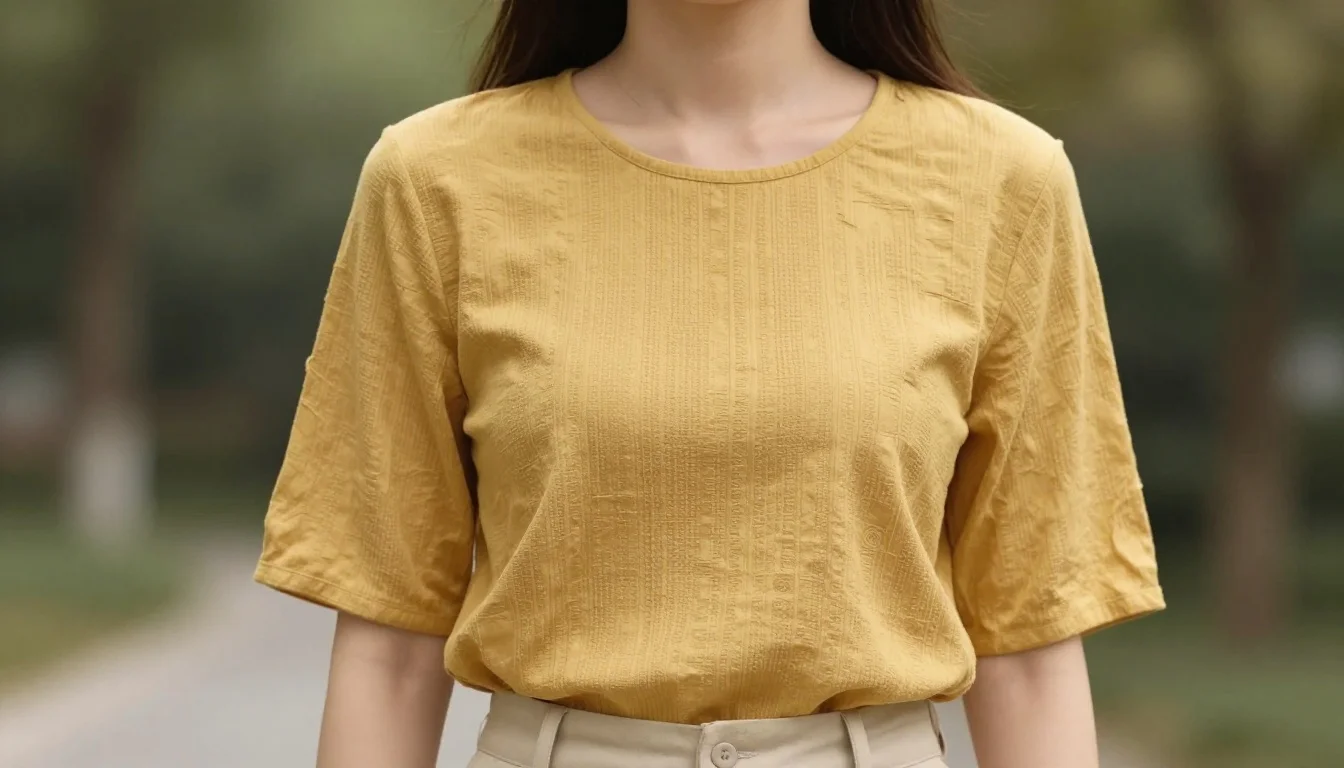
Saturation tolerance matters too. High-saturation, pure yellows are the most demanding because they assert maximum yellow energy. Lower saturation versions — mustard, ochre, golden olive — carry more brown or orange, which softens the effect. This is why some people feel they 'can't do yellow' when what they really mean is they can't do bright lemon yellow. A muted, earthy yellow tells a completely different story.
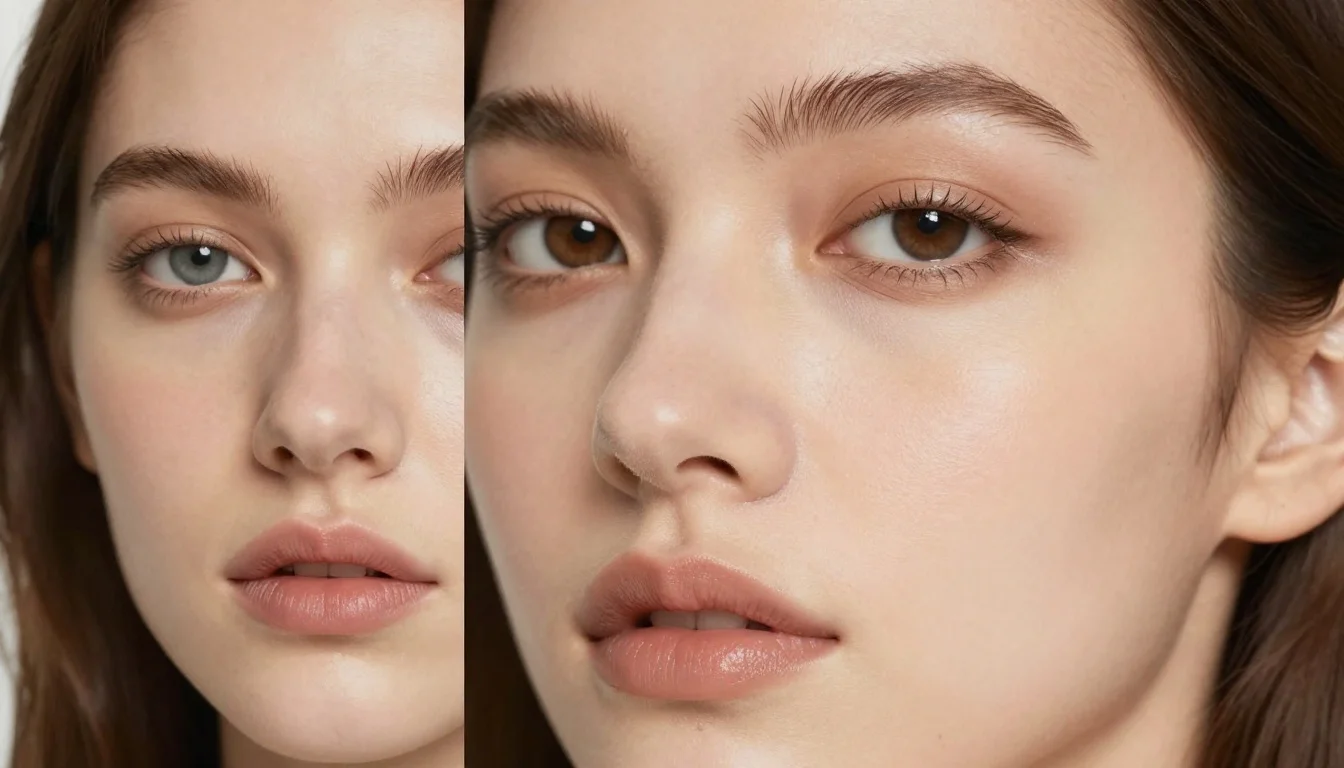
Why does yellow make me look sick?
Yellow makes many people look sick or sallow because of undertone conflict. If your skin has a cool (pink or rosy) undertone, bright yellow sits too close to the yellow pigment in skin and creates an unflattering visual blend. The contrast between your skin's cool base and yellow's warmth reads as a sallow, yellowish cast across the face. Choosing desaturated yellows (mustard, butter) or keeping yellow away from the face reduces this effect.
Yellows That Actually Work — By Undertone
Warm Undertones: Rich Goldens
Warm undertones — golden, peachy, amber — share their base hue with yellow. When you wear a rich, warm golden yellow, your skin's warmth harmonizes with the garment and you look glowing. Saffron and marigold are particularly effective because they carry a slight orange-gold warmth that echoes the natural richness of warm undertones without overwhelming them.
All Undertones: Muted Earth Yellows
Muted, earthy yellows are the most forgiving version of the color because brown and tan tones moderate the raw yellow intensity. Mustard and ochre have enough visual distance from pure yellow to work across a wider range of undertones. They still read as yellow but carry a quiet warmth that does not aggressively assert the hue.
Cool Undertones: Soft Butter Yellow
If you have cool undertones and want to wear yellow, your best option is a very pale, desaturated yellow — closer to butter or cream than to sunflower. The lower the saturation, the less the hue fights with your cool undertone. Pale champagne and cream-yellow sit close to ivory and are close enough to neutral that the undertone conflict is greatly reduced.
Deep Undertones: Deep Golds and Turmeric
Deeper complexions — whether warm or neutral — can often carry saturated yellows better than fair complexions because the contrast between skin and color works differently at deeper depths. Turmeric and dark gold particularly flatter deeper warm complexions, providing the richness that reads as regal rather than overwhelming.

Not sure yet? See it on your face
Start my color analysisHow to Wear Yellow Successfully
Start with muted versions
If you have never found a yellow that worked for you, begin with mustard or ochre rather than bright yellow. These earthy, desaturated yellows are dramatically more forgiving and give you a way to include the color family without the full saturation risk. A mustard knit sweater or an ochre linen trouser works for a much wider range of undertones than a sunflower yellow blouse.
Keep yellow away from the face if unsure
Yellow's problematic interaction with skin is most visible when the color is close to your face. A yellow skirt or yellow trousers carry far less risk than a yellow top or scarf. If you love yellow but find it difficult near your complexion, use it below the waist where the face-to-garment proximity is removed.
Test in natural light
Yellow is the color most affected by artificial lighting. Store lighting often makes yellow look more flattering than it actually is outdoors or in daylight. Always try yellow pieces near a window or in natural light before committing. The sallowness effect is most visible in daylight, so that is the only reliable testing environment.
Pair with your most flattering neutrals
Pairing yellow with colors that actively flatter your undertone can partially offset the difficulty. If you have warm undertones, pair your yellow piece with warm cognac, caramel, or warm white. If you have cool undertones, pair a pale yellow with cool white, navy, or slate — colors that reassert your cool undertone and restore your complexion's natural appearance.
Yellows That Are Hardest to Pull Off
Bright lemon yellow
Pure, maximum-saturation lemon yellow is the most demanding version of the color. It has almost no warmth modulation — it is just raw, bright yellow — which makes undertone conflicts visible at their most extreme. Cool undertones look especially sallow against lemon yellow, and even warm undertones can find it overwhelming unless their depth is high.
Neon yellow-green
Yellow-greens add the visual complexity of two contrasting secondaries fighting simultaneously. Most skin tones do not have enough green in their natural hue to harmonize with a yellow-green garment, and the result is a sickly, unflattering cast across a wide range of complexions.
Cool-toned yellow (with pink base)
Some yellows are mixed with a pink or blue base, creating a cool-yellow paradox. These do not warm up skin or harmonize with warm undertones, and they still produce the yellow cast problem with cool undertones. They sit in a difficult middle ground that flatters almost nobody.
Yellow worn head-to-toe at high saturation
Even people who look excellent in a yellow top can struggle with head-to-toe saturated yellow. The sheer quantity of the hue overwhelms the eye and dramatically amplifies any undertone mismatch. Using yellow as an accent or top rather than a full outfit reduces the risk significantly.
Stop guessing — discover your exact palette
See myself in my colorsYellow Color Swaps That Work Better
Easy substitutions that keep the warmth without the risk.
Marigold carries warm, golden undertones that harmonize with more complexions than raw lemon yellow.
Desaturated yellows near the face are far less likely to create a sallow cast on cool or neutral undertones.
Mustard is earthy and warm without the intensity of bright yellow — it works on warm and neutral undertones easily.
Removing the color from near the face and choosing golden olive eliminates most of the undertone conflict.
A mustard or gold-toned bag keeps the yellow energy at accessory scale, where the undertone impact is much easier to manage.
A muted yellow monochrome outfit reads sophisticated and is far more undertone-friendly than high-saturation head-to-toe yellow.
Which Palette Might Be Yours?
Your relationship with yellow is largely determined by your seasonal color palette. Autumn seasons find yellow easiest; cool Winter and Summer seasons find it most challenging.
Warm Autumn
Learn moreWarm Autumn palettes are built on earthy golden tones — mustard, ochre, and deep golden yellow are core colors for this season. If yellow feels effortless on you, Warm Autumn or Deep Autumn may be your seasonal match.
Warm Spring
Learn moreWarm Spring suits clear, bright goldens — sunflower, warm yellow, and golden peach. If you have light, warm coloring and find bright yellows wearable, Warm Spring or Bright Spring may be your palette.
Cool Summer
Learn moreCool Summer finds yellow most difficult. If yellow consistently looks unflattering on you, Cool Summer or Cool Winter is likely your palette — and the solution is to stick with cool-family neutrals and accent colors rather than warm yellows.
Find Your Exact Colors
Understanding whether yellow works for you — and which yellow — is a direct result of knowing your seasonal color palette. A personalized color analysis identifies your undertone, depth, and contrast level and shows you the precise shade family where yellow either thrives or should be avoided entirely. Stop guessing in fitting rooms.
Stop guessing — preview every color on you
Preview Yourself In Your Palette
Get my personalized analysisStop guessing — preview every color on you
Preview Yourself In Your Palette

Related Guides for Why Yellow Is Hard to Wear (and How To)
Explore more personalized color advice based on your features.
Want to see these colors on you? What Colors Look Good on Me — free to try.
Frequently Asked Questions About Why Yellow Is Hard to Wear (and How To)
Why does yellow make me look sick?
Yellow makes many people look sick or sallow because of undertone conflict. If your skin has a cool (pink or rosy) undertone, bright yellow sits too close to the yellow pigment in skin and creates an unflattering visual blend. The contrast between your skin's cool base and yellow's warmth reads as a sallow, yellowish cast across the face. Choosing desaturated yellows (mustard, butter) or keeping yellow away from the face reduces this effect.
Can cool undertones ever wear yellow?
Yes, but with restraint. Cool undertones do best with very pale, desaturated yellows — butter yellow, pale champagne, or cream-yellow. These carry so little saturation that the hue conflict with cool skin is minimized. Bright or warm golden yellows remain the most challenging. Using yellow below the waist (skirts, trousers) rather than near the face also helps.
What is the easiest yellow to wear?
Mustard and ochre are the easiest yellows to wear across the widest range of undertones. These muted, earthy versions of yellow carry brown and tan tones that reduce the raw yellow intensity and moderate undertone conflicts. They still read as yellow without the demanding, high-stakes energy of bright lemon or sunflower.
Why does yellow look great on some people but not others?
Yellow is the most undertone-sensitive color because its hue sits close to the natural yellow pigment in skin. People with warm undertones — golden, peachy, or amber skin — find that yellow harmonizes with their natural hue and looks radiant. People with cool undertones find that yellow creates an unflattering clash. Depth and saturation tolerance also play a role: deeper complexions often carry saturated yellows more easily.
What colors go with yellow if I want to wear it?
Pairing yellow with undertone-aligned neutrals helps it read better on your complexion. Warm undertones: pair yellow with camel, cognac, warm brown, or warm white. Cool undertones: pair pale yellow with navy, slate, cool grey, or crisp white. The supporting color reasserts your undertone and helps balance the yellow's assertiveness.
Is mustard different from yellow for skin tones?
Yes, significantly. Mustard is a desaturated, brown-inflected version of yellow — it carries earth tones that moderate its assertiveness. Pure yellow has maximum saturation and maximum hue impact on skin. Mustard is far more forgiving across a wider range of undertones, which is why many people who "cannot wear yellow" find mustard unexpectedly wearable.