Summer Color Analysis:Cool and Soft Colors
Are you a Summer? Discover the soft, cool colors that enhance your natural beauty. Summers have cool undertones and look stunning in muted, dusty colors with blue undertones.


120,000+
monthly users
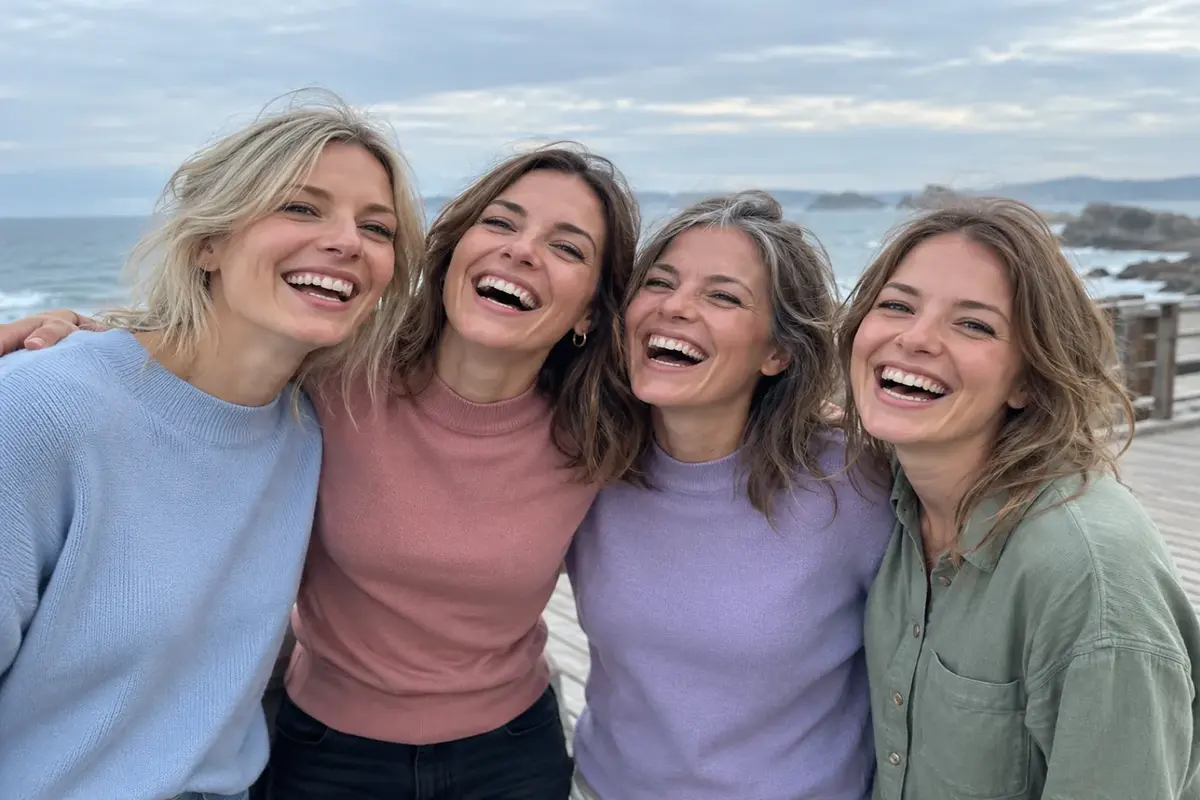
Your Summer Color Palette
These cool and soft colors perfectly complement Summer skin tones
Powder Pink
Soft and romantic
Lavender
Fresh and calming
Sage Green
Muted and elegant
Powder Blue
Light and airy
Soft Pink
Delicate and feminine
Periwinkle
Fresh and serene
The Four Summer Types
Summer is divided into four sub-seasons based on your unique coloring. Discover which Summer type matches you best.
 Light SummerFresh, ethereal, and cool. Low contrast with neutral-cool undertones.Learn more
 True Summer (Cool)Serene, classic, and purely cool. Medium contrast with blue-based undertones.Learn more
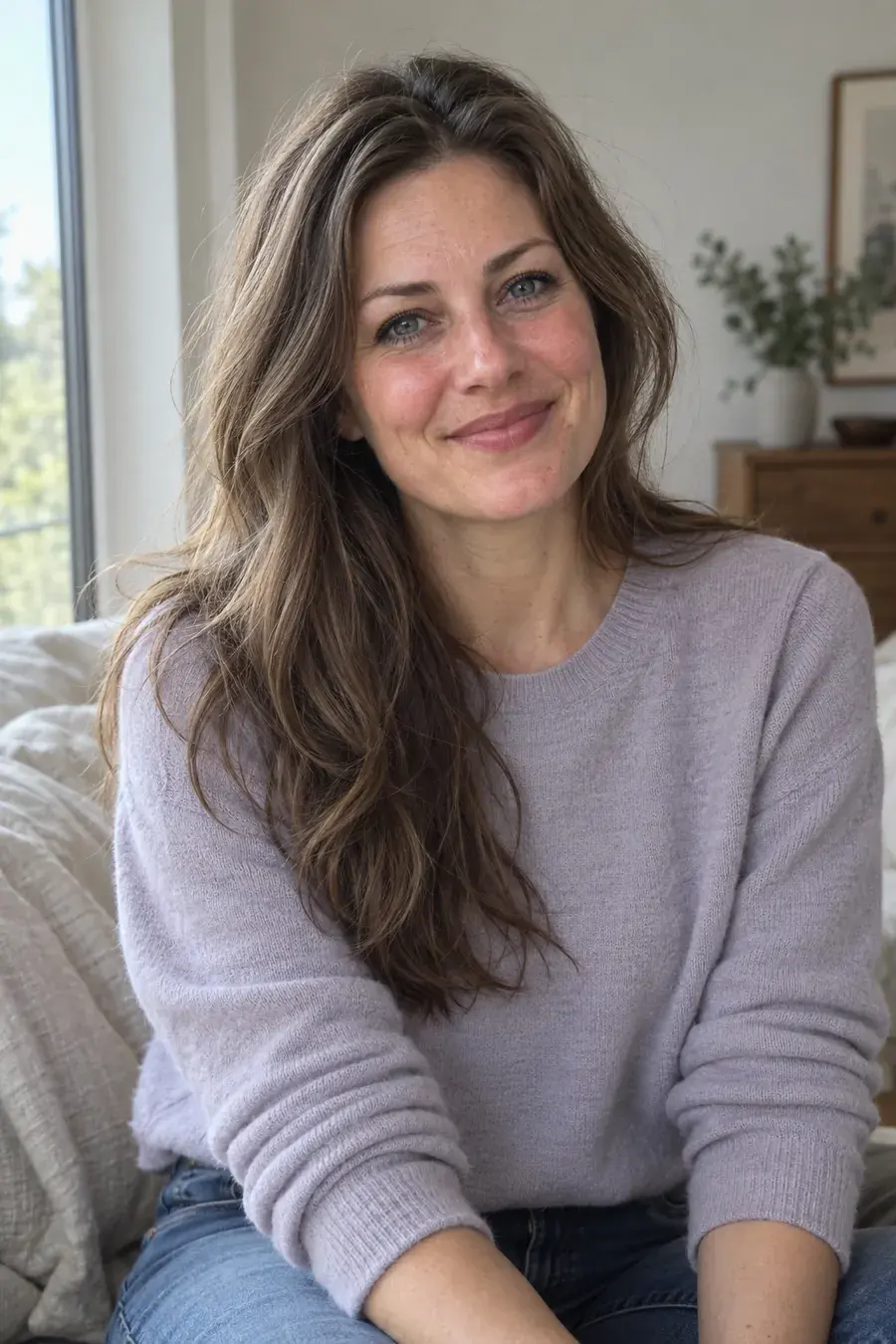 Soft SummerMuted, elegant, and refined. Low contrast with neutral-cool undertones.Learn more
 Warm SummerSoft, warm, and gentle. Low contrast with warm-neutral undertones.Learn more
Summer Color Characteristics
Understanding what makes Summer colors special
- 01
Cool Undertones
Blue and pink undertones that look best in cool lighting
- 02
Soft and Muted
Delicate, dusty colors that are never too bright
- 03
Medium Contrast
Balanced colors that are neither too light nor too dark
Summer Color Type Characteristics
Summer types share these common physical characteristics that create natural harmony with soft, cool colors.

- 1
Eyes
Cool and soft—often blue-gray, green-gray, soft hazel, or cool brown. Eyes have a muted, gentle quality.
- 2
Skin
Cool or neutral undertones with a pink or blue-based quality. Skin is often fair to medium and burns before tanning.
- 3
Hair
Cool-toned—ash blonde, mousy brown, cool brown, or silver-gray. Hair tends to have ash undertones rather than golden.
Summer Celebrity Examples
These celebrities exemplify the soft, cool Summer color palette and can serve as style inspiration.
Kate Middleton
True Summer (Cool)
Jennifer Aniston
Soft Summer
Cate Blanchett
Light Summer
Emily Blunt
Soft Summer
Reese Witherspoon
Light Summer
Gisele Bündchen
Warm Summer
Frequently Asked Questions
What is a Summer color analysis?
Summer color analysis identifies individuals with cool undertones and soft, muted coloring. Summers have a natural coolness in their skin, hair, and eyes, and look best in soft, cool colors like dusty rose, powder blue, lavender, and soft grays. The Summer palette is characterized by colors that are cool, muted, and light to medium in depth.
How do I know if I am a Summer?
You may be a Summer if: your skin has cool, pink or rosy undertones; your eyes are soft and muted (gray-blue, soft green, or cool hazel); your hair has ash tones without golden warmth; silver jewelry looks better on you than gold; and you look best in soft, cool colors rather than bright or warm shades.
What colors should Summer avoid?
Summers should generally avoid warm, bright, or saturated colors that can overpower their soft coloring. This includes orange, bright yellow, warm reds, black (opt for charcoal or navy), pure white (choose soft white or gray-white), and any colors with yellow or golden undertones.
What is the difference between Summer and Winter?
While both Summer and Winter have cool undertones, the key difference is in contrast and saturation. Summers have soft, muted coloring and look best in gentle, dusty colors. Winters have high contrast and suit bold, vivid cool colors. Summers glow in powder blue and mauve, while Winters shine in cobalt and fuchsia.
What are the four types of Summer?
The four Summer sub-seasons are: Light Summer (delicate, low contrast with cool undertones), True/Cool Summer (purely cool with medium contrast), Soft Summer (muted, neutral-cool with low contrast), and Warm Summer (soft colors with slight warmth). Each sub-season has its own optimized color palette.
What metals suit Summer color palette?
Summers look best in cool metals that complement their soft, cool undertones. Silver, white gold, platinum, and rose gold are ideal choices. Brushed or matte finishes often work better than shiny metals for Soft Summers. Avoid bright yellow gold, though rose gold can work for Warm Summers.
How reliable is seasonal color analysis?
Photo analysis offers a starting point. Lighting, camera white balance, filters, makeup and dyed hair can affect the result. Use clear, unfiltered photos in even daylight. An in-person consultation with fabric drapes can help you compare close palettes.
Why has seasonal color analysis become a global trend?
Seasonal color analysis surged in popularity as TikTok's #coloranalysis hashtag took off, and Google Trends shows searches for "color analysis" growing sharply in recent years. The trend draws heavily on South Korea's personal-color culture ("퍼스널 컬러"), where color analysis is a well-established part of beauty culture. AI tools like Palette Hunt have made seasonal color typing accessible worldwide in minutes instead of weeks-long appointments.
What is the science behind the four color seasons?
The four-season color system is rooted in color theory principles established by Johannes Itten at the Bauhaus school in the 1920s and popularized by Carole Jackson in "Color Me Beautiful" (1980). It examines three dimensions of personal coloring: undertone (warm/yellow-based vs cool/blue-based), value (light vs dark), and chroma (clear vs muted). These map to the four seasons: Spring (warm, light, clear), Summer (cool, light, muted), Autumn (warm, dark, muted), and Winter (cool, dark, clear). Modern AI tools analyze these attributes using computer vision.
Summer Colors in Cool Cities
Summer colors thrive in cool, temperate climates. Discover professional color analysis services in cities where summer colors naturally shine.

Ready to preview yourself in your palette?
Get your personalized color analysis in minutes — then preview yourself in a photoshoot, new hair color, or makeup, all on your real face. One-time payment, no subscription.
See myself in my colors