True Autumn Color Analysis: Rich & Warm
True Autumn (also called Warm Autumn) is the quintessential Autumn—rich, warm, and deeply saturated. With purely warm undertones and medium-high contrast, True Autumns radiate in colors that capture the essence of fall foliage: deep oranges, rich browns, and warm golds.







120,000+
monthly users
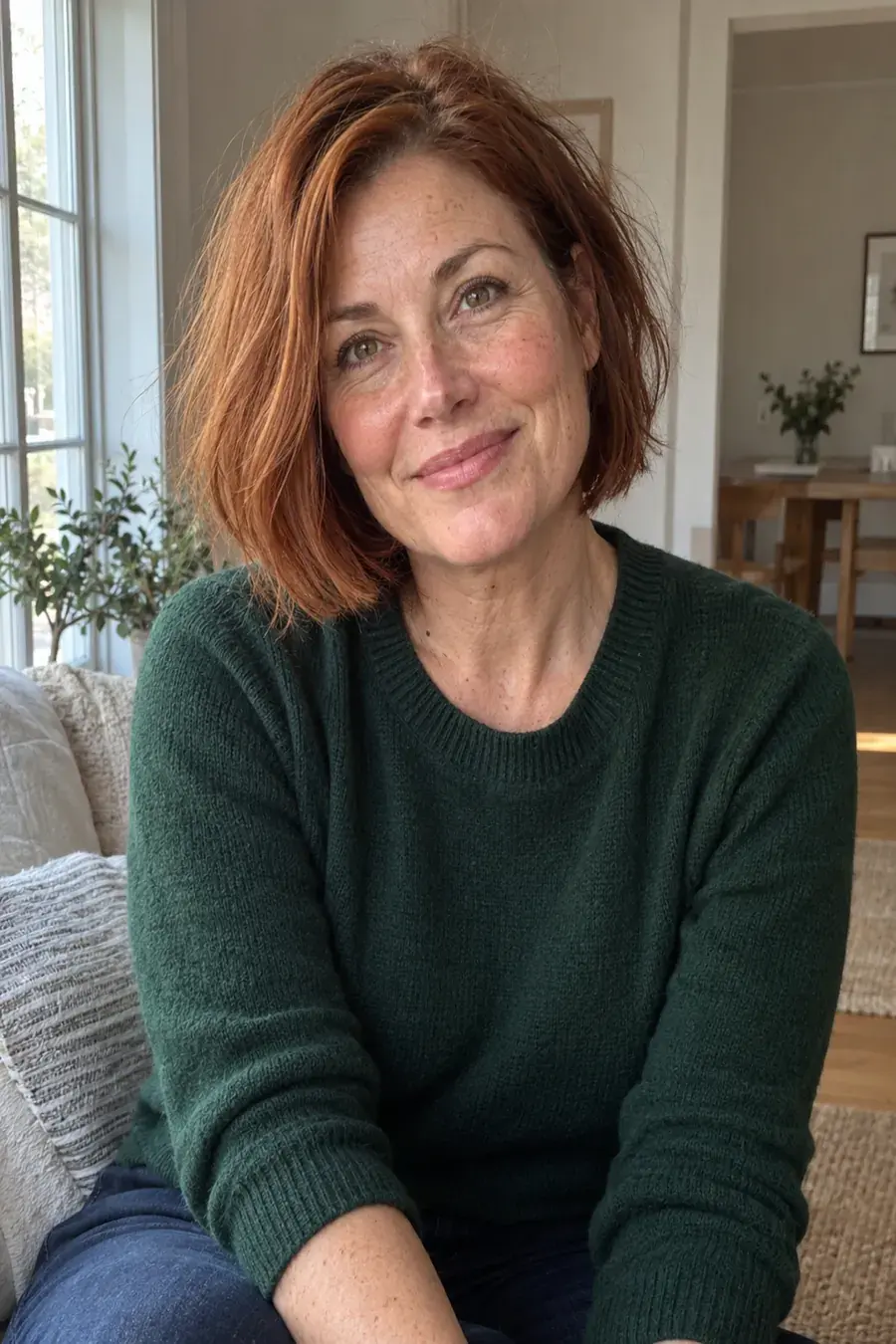
- Undertone
- Purely Warm
- Contrast
- Medium to High
- Best Metals
- Yellow Gold, Brass, Copper
- Flows Into
- True Spring
Your True Autumn Signature Colors
These six colors will make you glow. Use them as your wardrobe foundation.
Burnt Orange
#CC5500
Forest Green
#228B22
Golden Brown
#996515
Burgundy
#800020
Mustard Yellow
#FFDB58
Copper
#B87333
Colors That Flatter- Rich burnt orange and rust
- Deep forest and olive greens
- Warm burgundy and wine
- Mustard and golden yellows
- Rich browns from camel to chocolate
- Teal and warm turquoise
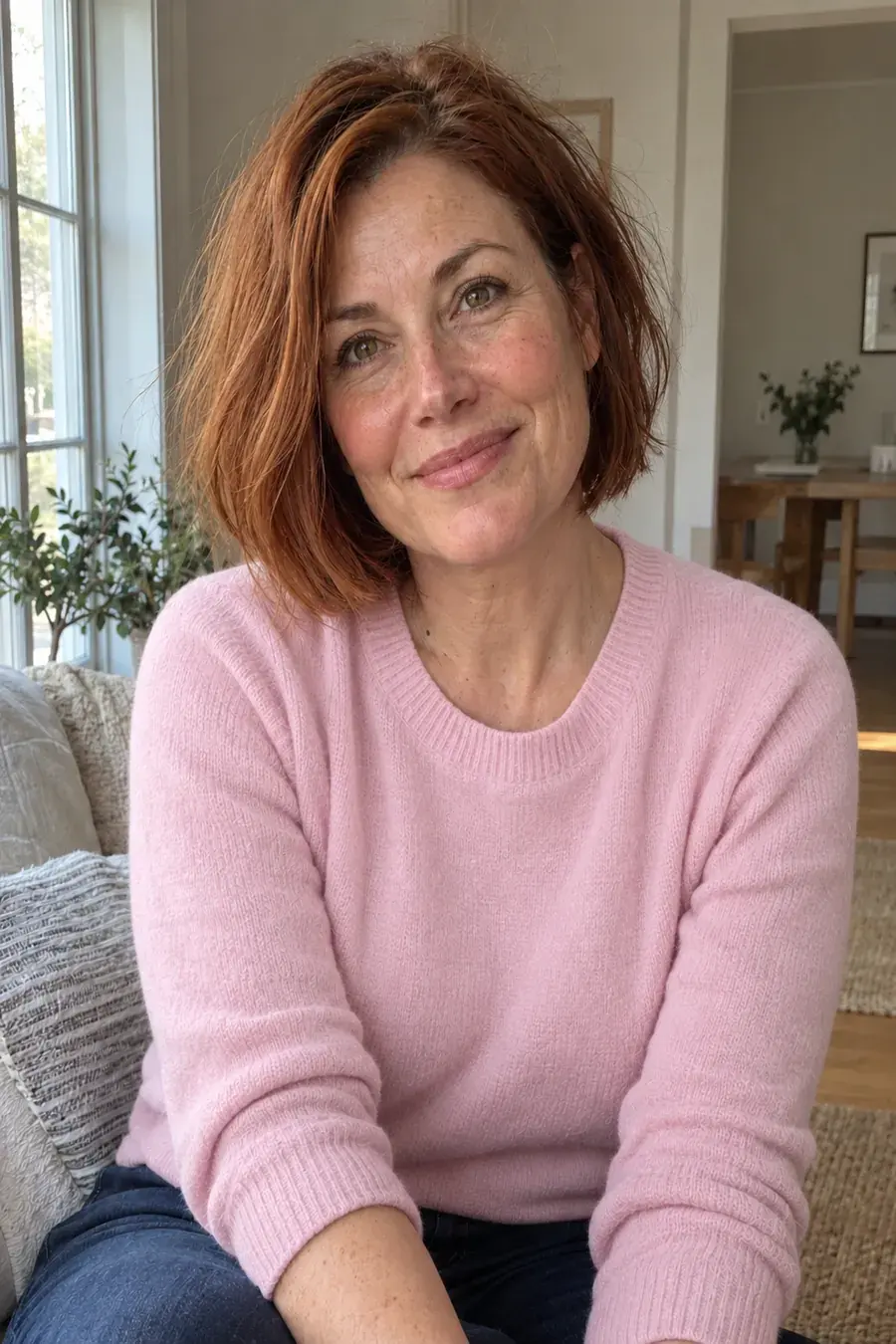 Colors to Avoid
- Cool, icy colors
- Pastels and soft pinks
- Cool grays and silver
- Bright, neon colors
- Cool berry tones
- Pure black (can be too stark)
Celebrity True Autumns
Style icons who share your color season
- Julianne Moore
- Jessica Chastain
- Christina Hendricks
- Emma Stone
Am I a True Autumn?
Check these characteristics to see if this season matches you
Physical Traits
- 1
Eyes
Warm brown, hazel, amber, warm green, or topaz. Eyes often have golden flecks or rings.
- 2
Skin
Warm, golden undertones—can be fair, medium, or deep. Skin has a golden or peachy quality.
- 3
Hair
Auburn, copper, warm brown, or golden brown. Hair often has red or golden highlights, especially in sunlight.
Quick Self-Check
If most of these apply to you, True Autumn might be your season:
- Gold jewelry looks better on you than silver
- Your overall coloring has medium to high contrast
- Rich burnt orange and rust flatter your complexion
- Cool, icy colors make you look washed out or tired
- Yellow Gold, Brass, Copper metals complement your skin best
Not Sure If You're a True Autumn? Take the free quiz →
Explore all 16 color seasons →
Still Not Sure?
Color analysis can be tricky — even professionals sometimes disagree. Get a personalized analysis and preview every look on your real face in 5 minutes.
See myself in my colorsOften Confused With...
See detailed side-by-side comparisons
- True Autumn vs Soft AutumnBoth are warm Autumns, but True Autumn is richer and more saturated. Soft Autumn is more muted and has lower contrast.Compare palettes
- True Autumn vs Deep AutumnBoth can wear rich colors, but Deep Autumn is darker overall and has more depth. True Autumn stays in the medium-warm range.Compare palettes

Frequently Asked Questions
What makes True Autumn different from other Autumn types?
True Autumn is purely warm with rich, saturated colors. Unlike Soft Autumn (more muted) or Deep Autumn (darker), True Autumn colors are medium-depth and highly saturated. Think vibrant fall foliage colors.
Can True Autumns wear red?
Yes! True Autumns look stunning in warm, orange-based reds like tomato red, rust, and warm brick red. Avoid cool, blue-based reds like cherry or crimson.
What neutrals work best for True Autumn?
True Autumns look rich in warm neutrals: camel, tan, chocolate brown, warm olive, and golden beige. Navy can work as a cool neutral. Avoid cool grays and pure black.
What is True Autumn's best white?
True Autumns should avoid pure, stark white. Instead, opt for cream, ivory, or warm off-white. These warmer whites complement your golden undertones without creating harsh contrast.
How should True Autumns approach makeup?
Embrace warm, rich colors: bronze and copper eyeshadows, warm peach or brick blush, and warm nude to rust lipsticks. Avoid cool-toned makeup like blue-based pinks or silver highlighters.
How reliable is seasonal color analysis?
Photo analysis offers a starting point. Lighting, camera white balance, filters, makeup and dyed hair can affect the result. Use clear, unfiltered photos in even daylight. An in-person consultation with fabric drapes can help you compare close palettes.
Why has seasonal color analysis become a global trend?
Seasonal color analysis surged in popularity as TikTok's #coloranalysis hashtag took off, and Google Trends shows searches for "color analysis" growing sharply in recent years. The trend draws heavily on South Korea's personal-color culture ("퍼스널 컬러"), where color analysis is a well-established part of beauty culture. AI tools like Palette Hunt have made seasonal color typing accessible worldwide in minutes instead of weeks-long appointments.
What is the science behind the four color seasons?
The four-season color system is rooted in color theory principles established by Johannes Itten at the Bauhaus school in the 1920s and popularized by Carole Jackson in "Color Me Beautiful" (1980). It examines three dimensions of personal coloring: undertone (warm/yellow-based vs cool/blue-based), value (light vs dark), and chroma (clear vs muted). These map to the four seasons: Spring (warm, light, clear), Summer (cool, light, muted), Autumn (warm, dark, muted), and Winter (cool, dark, clear). Modern AI tools analyze these attributes using computer vision.
Not Sure If You're a True Autumn?
Get your personalized color analysis in minutes, then preview yourself in a photoshoot, new hair color, or makeup — all on your real face. One-time payment.
- AI-powered analysis
- One-time payment
- Rendered on your real face