Best Colors forWarm Undertones
Warm undertones — the golden, peachy, or yellow quality in your skin — respond to specific color families. Discover which shades flatter you most — and which to skip.
Warm undertones — that golden, peachy, or yellow quality beneath your skin — change how colors interact with your face fundamentally. Colors that harmonize with warmth look natural and radiant; colors that fight it create an unflattering contrast. Understanding your undertone is the foundation of color analysis, and warm undertones give you access to some of the richest, most wearable color families.


3,000+
happy clients
How Warm Undertones Change Your Color Choices
Warm undertones — that golden, peachy, or yellow quality beneath your skin — change how colors interact with your face fundamentally. Colors that harmonize with warmth look natural and radiant; colors that fight it create an unflattering contrast. Understanding your undertone is the foundation of color analysis, and warm undertones give you access to some of the richest, most wearable color families.
Skin undertone is the subtle color beneath the surface — not the depth (how light or dark) but the temperature (warm, cool, or neutral). Warm undertones carry golden, yellow, peach, or orange-tinted pigments. This warmth creates a built-in resonance with certain color families and a built-in tension with others. When you wear colors in the warm family, they echo the undertone and create harmony; when you wear cool colors with the right temperature contrast, they make the skin's warmth more visible and luminous.
The most common misunderstanding about warm undertones is that you should only wear warm colors. The reality is more nuanced: warm-rich colors (cognac, terracotta, warm ivory) resonate and harmonize, while cool-deep colors (navy, forest green, deep plum) create a warm-cool contrast that makes the skin look more golden and vivid by comparison. What doesn't work is the tepid middle ground — colors that are neither warm enough to harmonize nor cool enough to create interesting contrast.
Your specific type of warmth matters. Peachy-warm undertones (common in fair to medium skin) suit blush tones, coral, and warm ivories more than golden-warm undertones (common in medium to deep skin), which suit richer earths and golds. Yellow-warm undertones (often in olive or deeper skin) benefit most from warm earths and cool contrasts that avoid amplifying the yellow quality.

What colors look best on warm undertones?
Warm earth tones — terracotta, cognac, rust — harmonize with warm undertones and create a rich, cohesive look. Cool deep colors like midnight navy and forest green create warm-cool contrast that makes warm-undertoned skin glow by comparison. Warm ivory is the best light neutral. Deep burgundy and plum add warm richness for evening.
Your Most Flattering Color Families
Warm Earth Tones
Warm earths resonate directly with warm undertones — they share the same temperature register and create a harmonious, cohesive look where the skin appears more golden and alive. The key is depth: terracotta, cognac, and rust have enough richness to provide visual contrast against the skin, unlike beige or camel which blend without definition. These are your most natural-looking colors — they feel effortless because they're in the same color family as your skin's own quality.
Deep Navy & Forest Green
Cool deep colors create the ideal contrast for warm undertones — they make the skin's warmth more visible and luminous by contrast. Midnight navy frames warm-undertoned faces with cool depth that creates definition without clashing. Forest green creates a warm-cool contrast where both the green and the skin look more vivid. These are your most reliable everyday neutrals for warm undertones — they always make the skin look intentional.
Ivory & Warm White
Warm ivory and cream are the most flattering light neutrals for warm undertones — they harmonize with the skin's warmth without the cool-white fight that makes warm-undertoned skin look yellowish. A warm ivory linen shirt or cream blouse near warm-undertoned skin creates a fresh, luminous look that suits both fair and medium-dark warm skin tones. Always reach for warm ivory over bright white for daytime wear.
Rich Burgundy & Deep Plum
Deep burgundy and plum work for warm undertones through warm-contrast — they have enough warmth in their red-purple base to harmonize with warm skin while providing the depth to create definition. Burgundy specifically has a warm-red quality that echoes warm undertones while being deep enough to create contrast. These are particularly stunning for autumn and evening looks where warm undertones can glow against deep, rich colors.

Ready to see terracotta & cognac on your face?
Start my color analysisHow to Dress for Warm Undertones
Build on earth tones
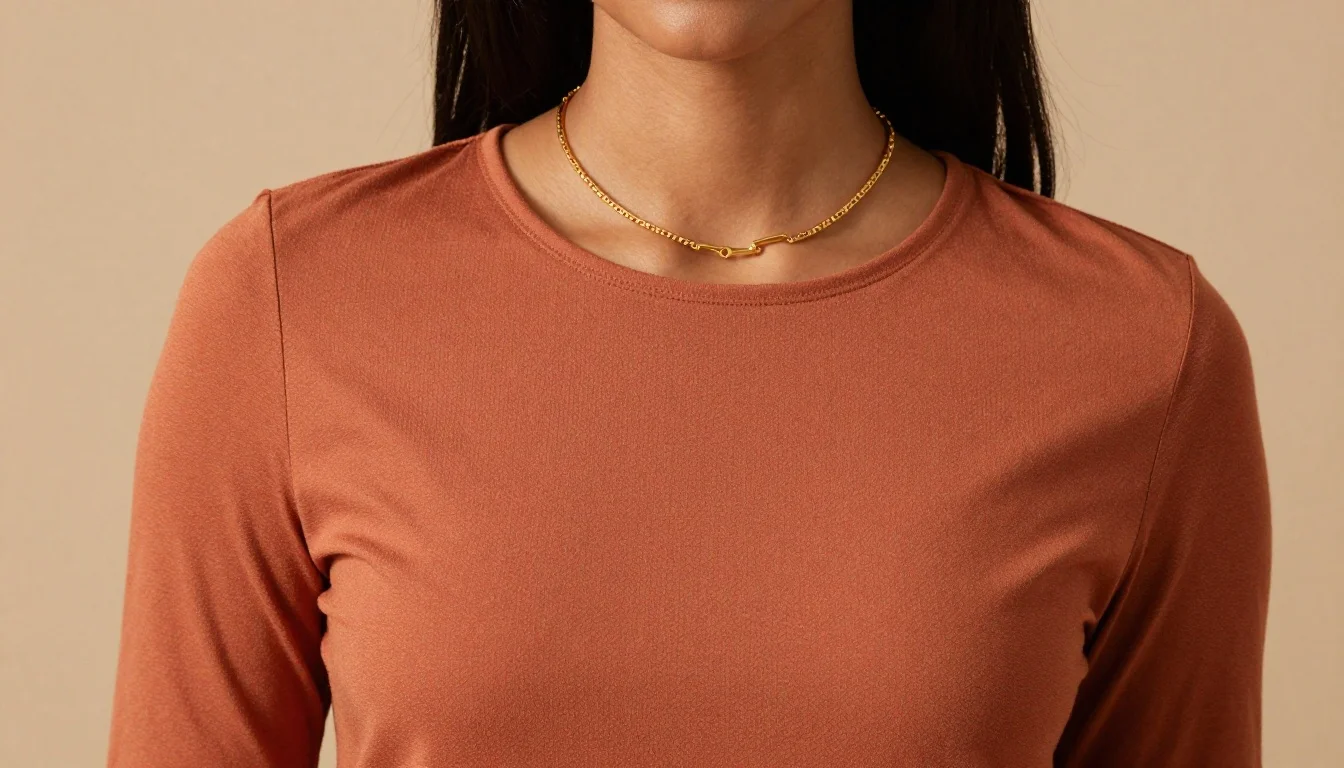
Warm earth tones are your home base — terracotta, cognac, rust, and warm caramel all harmonize naturally with warm-undertoned skin and create a look that feels effortless and cohesive. A terracotta blouse, cognac leather jacket, or warm rust knit near warm-undertoned skin creates a rich, warm look that feels intentional without effort. Keep these in your rotation as everyday foundations.
Use navy and forest green for contrast
Cool-deep colors are the most powerful tools for warm undertones when you want contrast rather than harmony. Midnight navy frames warm-undertoned faces with cool depth that makes the skin look more golden. Forest green creates a warm-cool contrast that works particularly well for warm skin with any level of depth — fair, medium, or deep warm skin all look vivid against forest green. Build your work wardrobe core around navy and deep green.
Choose ivory over white
Make the swap from bright white to warm ivory and cream for all your light neutral needs. A warm ivory tee, cream blazer, or off-white linen shirt near warm-undertoned skin creates the same fresh, light look without the yellow-vs-white contrast that cool white creates. The difference is subtle but consistent — warm ivories look luminous against warm skin; cool white looks slightly off.
Seasonal color layering
Warm undertones work particularly well with the layered, earthy color combinations of autumn — cognac with forest green, terracotta with warm burgundy, rust with warm ivory. In spring and summer, coral, warm peach, and soft amber all look beautiful against warm-undertoned skin. The common thread is warmth with enough depth to create definition — not the same-lightness warm pastels that blend without contrast.
Sure you run warm?
Double-check with the find-your-undertone test before you build your palette.
Colors That Fight Warm Undertones
Bright cool white
Bright, cool white can make warm-undertoned skin look yellowish — the stark coolness of the white contrasts with the yellow-warmth of the undertone in a way that highlights rather than flatters the warmth. Warm ivory and cream are the better light neutrals. If you need a bright white (for work, uniform situations), pairing it with warm-toned accessories can mitigate the effect.
Icy cool pastels
Very pale, cool pastels — icy lavender, cool baby blue, pale silver-pink — create a temperature conflict with warm undertones without the depth to create interesting contrast. The cool quality of these pastels makes warm skin look slightly orange or yellow by comparison. Deeper, warmer versions of these colors work (dusty rose, soft sage, muted teal); it's the icy, pale, cool versions that fight warm undertones.
Grey — particularly cool or ashy grey
Cool, ashy grey creates a particularly unflattering contrast with warm undertones — the grey reads as cool and draining against golden or peachy skin. The skin looks less vibrant and more muddy. Deep charcoal (which has enough darkness to create contrast rather than just conflict) and warm-toned greys work better. But medium, cool, ashy grey is consistently unflattering for warm undertones.
Vivid cool pink and magenta
Cool vivid pink and magenta fight the warmth of warm undertones directly — they clash in the cool-vs-warm register without complementary payoff. Near warm skin with peachy undertones, cool pink can make the skin look flushed. Warm, earthy rose and dusty rose work; it's the cool, vivid, blue-based pinks that create the clash.
Stop guessing — preview every shade on you
See myself in my colorsYour Wardrobe, Upgraded
Swaps that make warm undertones look golden and radiant.
Cool white creates a yellow-warm contrast that highlights rather than flatters warm undertones. Warm ivory harmonizes and creates a luminous, natural look.
Ashy grey drains warm-undertoned skin. Navy creates cool depth contrast; cognac creates warm resonance — both make warm-undertoned skin look more alive.
Cool pale lavender conflicts with warm undertones without depth. Terracotta and rust share the warm register with depth that creates definition and radiance.
Cool silver creates a temperature clash with warm undertones. Burgundy has warm depth that resonates; warm gold amplifies the golden quality of warm skin.
Cool charcoal fights warm undertones at the temperature level. Forest green creates cool-warm contrast; cognac creates warm resonance — both flatter.
Cool silver creates a temperature contrast with warm undertones. Yellow gold echoes the golden warmth of warm-undertoned skin and makes both look richer.
Which Seasonal Palette Fits Warm Undertones?
Warm undertones appear across the Autumn and Spring seasonal families. Your hair color, eye color, and overall contrast level determine which warm season is yours.
Warm Autumn
Learn moreIf your warm undertones are medium-to-deep, your hair is warm brunette or auburn, and your eyes are warm brown or hazel, Warm Autumn is likely your season. Your palette is saturated and earthy: burnt orange, cognac, forest green, and warm ivory. Everything works with richness and warmth.
Warm Spring
Learn moreIf your warm undertones are lighter and brighter, your hair is warm blonde or light brunette, and your eyes are clear and warm, Warm Spring may be your season. Your palette is clear and warm: coral, warm peach, golden yellow, and emerald. The clarity and warmth of Warm Spring suits lighter warm undertones beautifully.
Soft Autumn
Learn moreIf your warm undertones are muted and gentle rather than vivid, Soft Autumn may be your season. Your palette is warm, muted, and earthy: dusty terracotta, warm olive, muted teal, and soft cognac. The gentle approach suits warm undertones in a softer, more muted register.
Find Your Exact Colors
Warm undertones give you access to some of the richest, most wearable color families — but the specific type of warmth (peachy, golden, olive-warm), your depth, and your eye and hair color all shape which warm seasonal palette makes you look most radiant. A personalized color analysis pinpoints your exact season and the precise shades that work for your specific warm undertone.
Stop guessing — preview every color on you
Preview Yourself In Your Palette
Get my personalized paletteStop guessing — preview every color on you
Preview Yourself In Your Palette

Related Guides for Best Colors for Warm Undertones
Explore more personalized color advice based on your features.
Want to see these colors on you? Skin Undertone Test — free to try.
Frequently Asked Questions About Best Colors for Warm Undertones
What colors look best on warm undertones?
Warm earth tones — terracotta, cognac, rust — harmonize with warm undertones and create a rich, cohesive look. Cool deep colors like midnight navy and forest green create warm-cool contrast that makes warm-undertoned skin glow by comparison. Warm ivory is the best light neutral. Deep burgundy and plum add warm richness for evening.
Should warm undertones wear warm or cool colors?
Both work through different mechanisms. Warm colors (earth tones, warm ivory, cognac) harmonize with warm undertones and create cohesion. Cool-deep colors (navy, forest green, plum) create warm-cool contrast that makes warm skin look more golden and vivid. What doesn't work is the tepid middle — colors that are neither warm enough to harmonize nor cool-deep enough to contrast.
Can warm undertones wear black?
Yes — black works for warm undertones through depth contrast. It's cool in temperature but deep enough that it creates contrast rather than a temperature clash. Near warm-undertoned skin, black looks intentional and provides a crisp backdrop that makes the skin's warmth more visible. Deep charcoal is a slightly softer alternative. Avoid mid-range cool grey, which fights warm undertones without enough depth to compensate.
What jewelry metal suits warm undertones?
Yellow gold is the classic answer — it echoes the golden warmth of warm undertones and creates a tonal resonance that makes both skin and jewelry look richer. Warm brass and antique gold create a similar effect. Rose gold adds warmth-pink that flatters peachy warm undertones. Cool silver creates temperature contrast with warm undertones — it can look intentional and striking, but yellow gold will always feel most harmonious.
What colors should warm undertones avoid?
Bright cool white can make warm-undertoned skin look yellowish. Icy cool pastels (lavender, pale blue-pink) create temperature conflict without depth. Cool ashy grey drains warm undertones. Vivid cool pink and magenta fight the warmth directly. The pattern is cool-pale colors that create contrast but without complementary payoff or enough depth.