What Is MyKibbe type?
David Kibbe’s system reads your natural lines — sharp and angular (Yang) or soft and rounded (Yin) — and matches you to one of 13 image identities. Answer 16 quick questions to find yours and the clothing lines that truly harmonize with you.
Start the quiz





Bone structure · 1/16
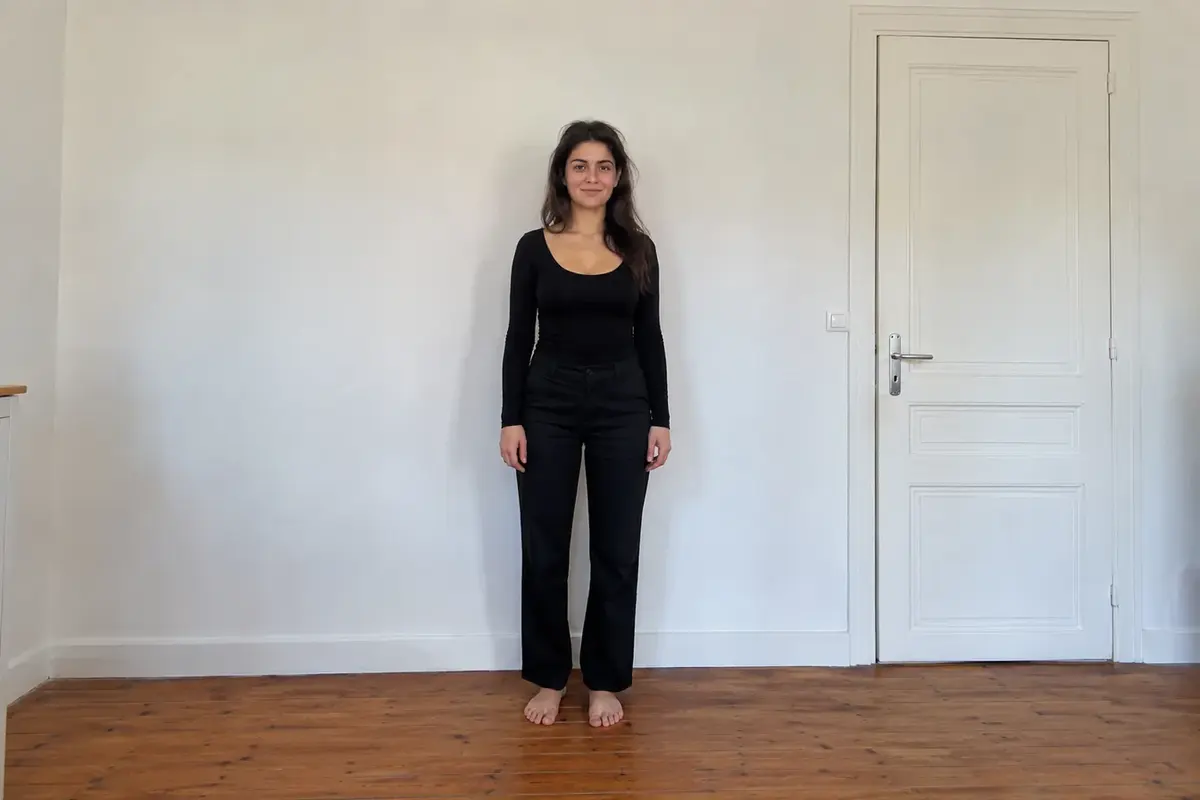
Your overall vertical line and height
How long and elongated does your frame read?
How the Kibbe System Works
Created by image consultant David Kibbe in the 1980s, the system rejects the idea of "correcting" your body. Instead it seeks harmony by embracing your natural lines — placing you on a spectrum between Yin and Yang.
- Dramatics
- Naturals
- Classics
- Gamines
- Romantics
Yang — sharp and vertical
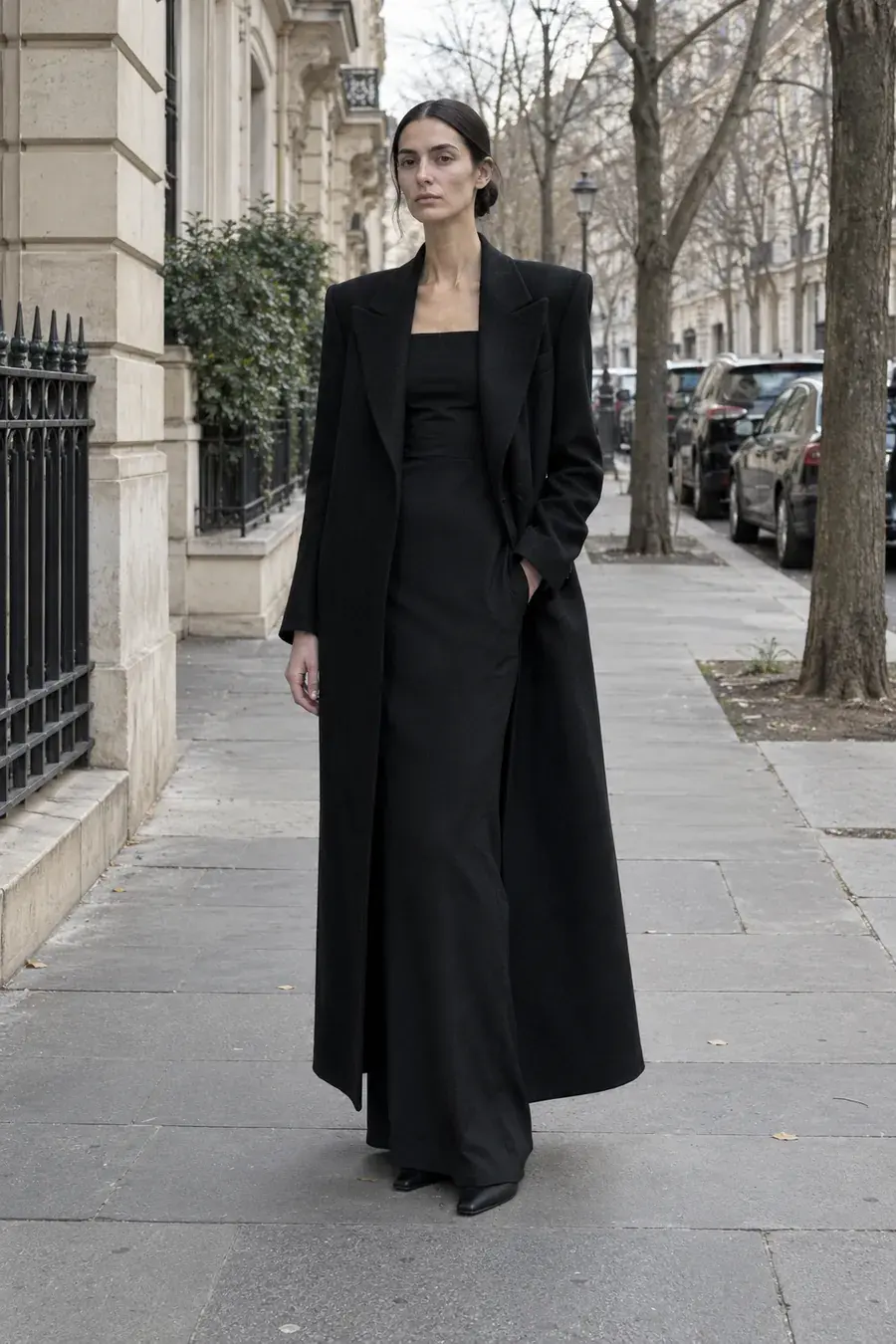
Angular bones, straight lines, taut flesh, and a striking, elongated look. The Dramatic types sit at the pure-Yang end.
Yin — soft and rounded
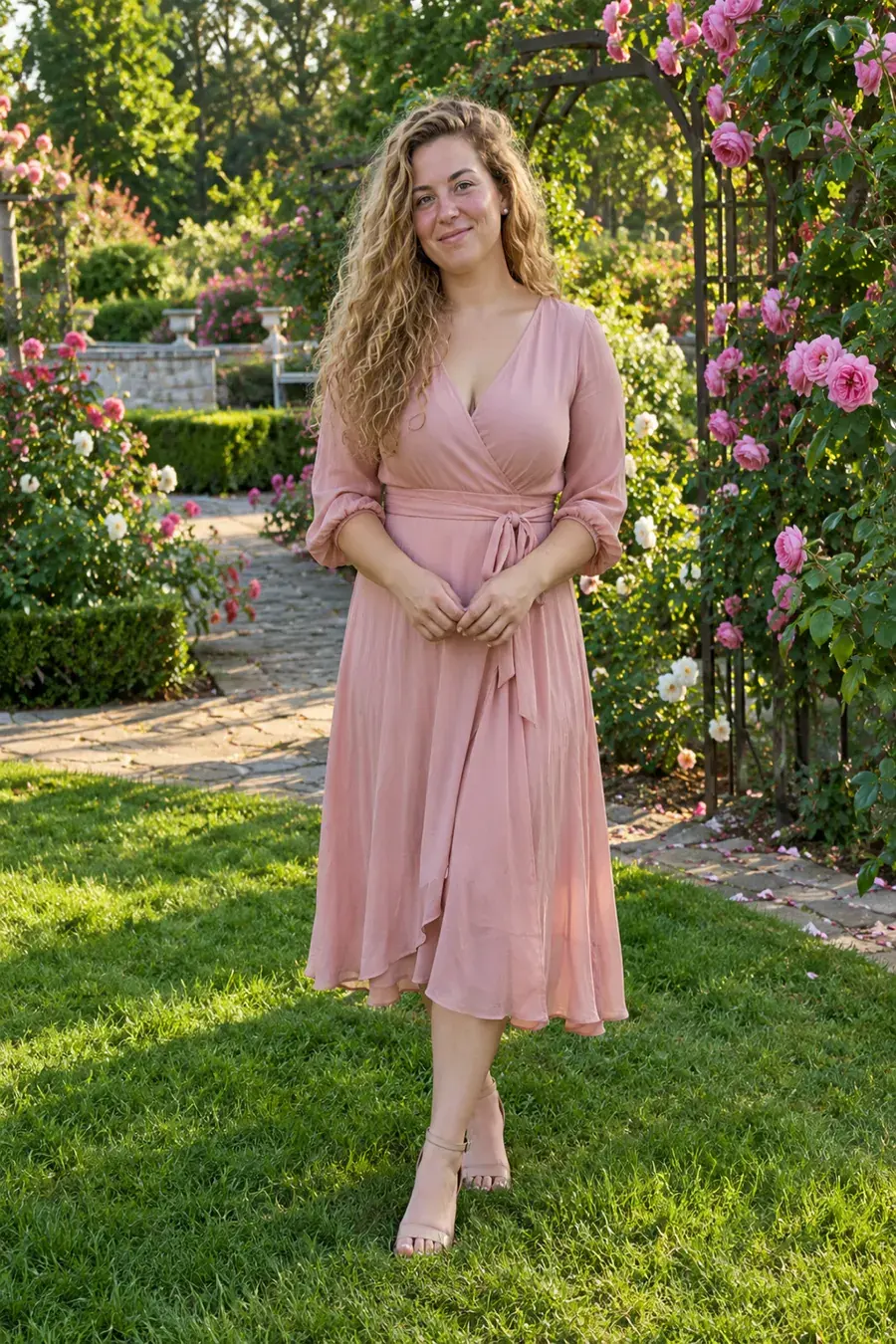
Rounded bones, curved lines, lush flesh, and a delicate, youthful look. The Romantic types sit at the pure-Yin end.
Contrast vs blend
Some people mix distinct Yin and Yang features (the Gamines); others are moderate and balanced (the Classics and Naturals). Where you land is your image identity.
The 13 Kibbe body types
Five families along the Yang → Yin spectrum. Take the quiz above to find where you land.
Dramatics
Naturals
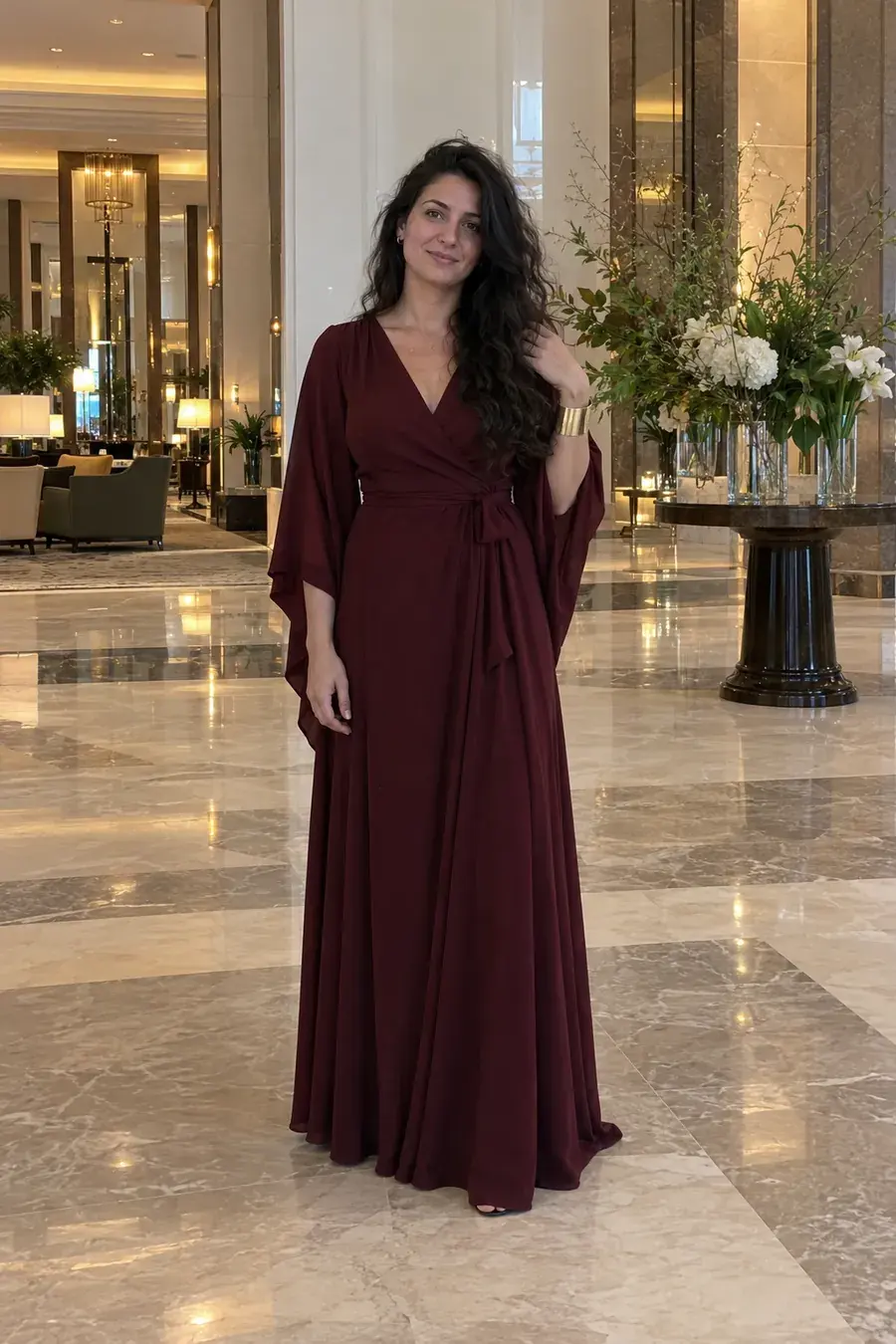
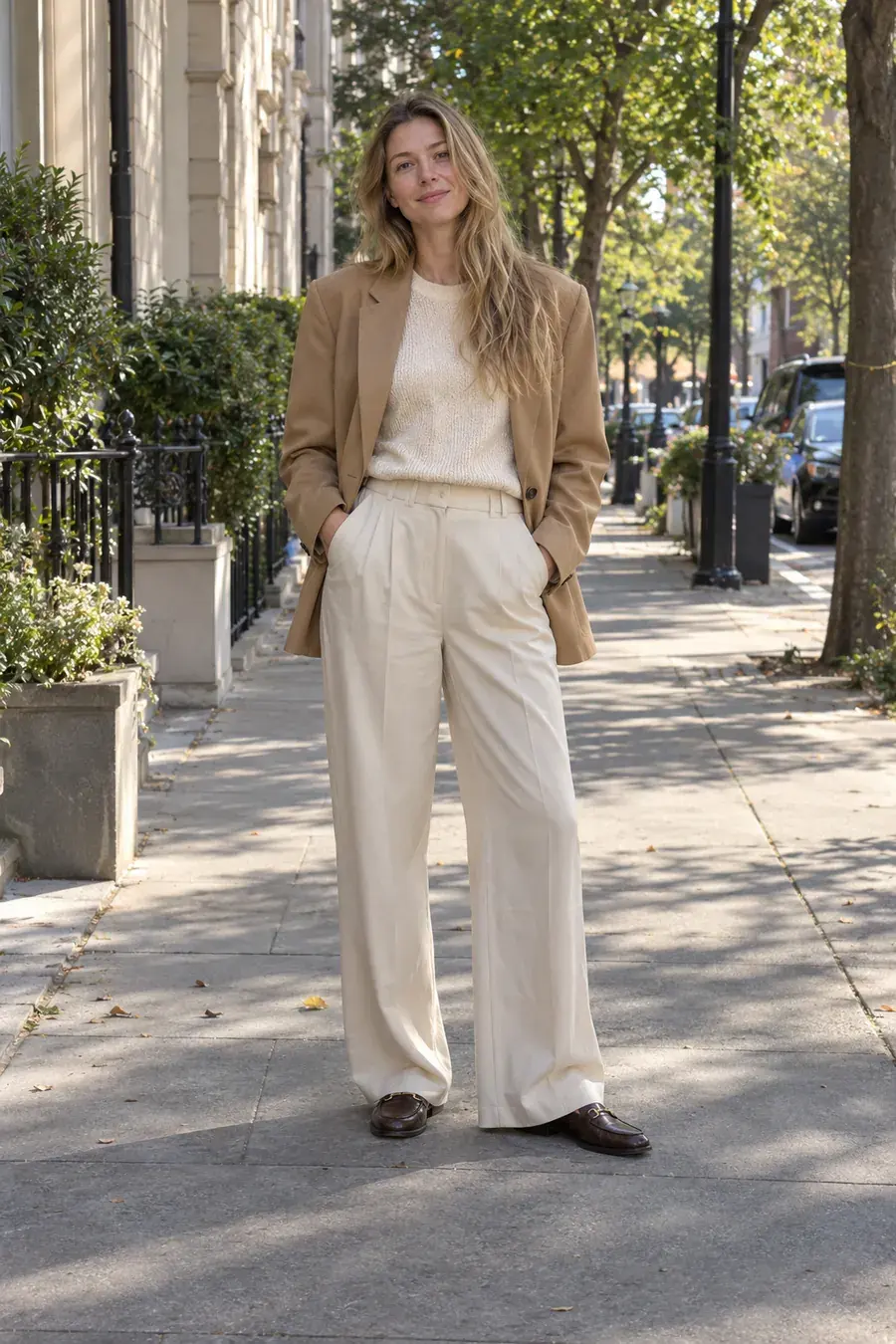 Flamboyant NaturalBroad, blunt, and relaxed Yang — a wide, easy frame that reads as effortless and grounded.
 NaturalRelaxed, even, and grounded — softly blunt Yang without extremes. Effortless is your keyword.
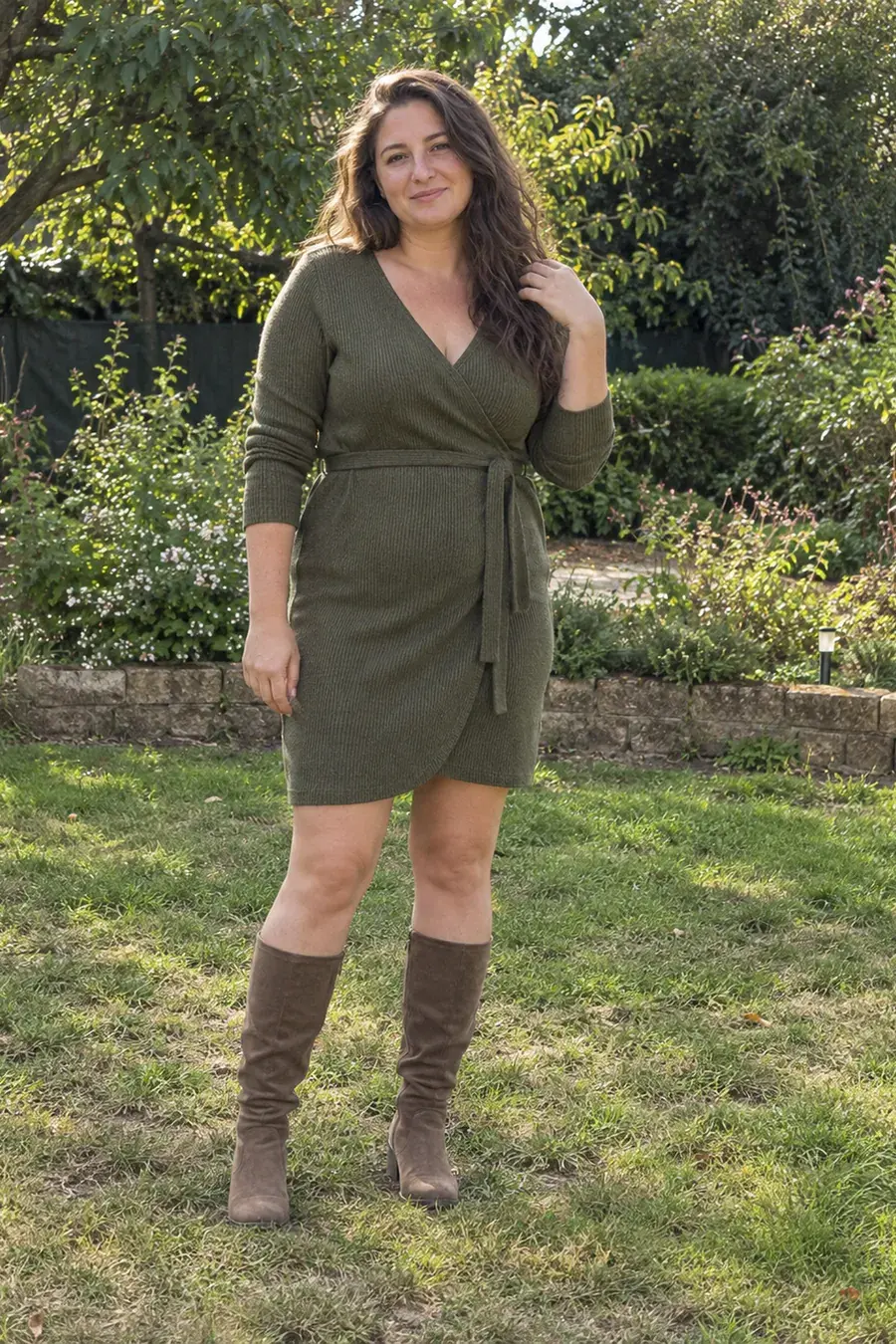 Soft NaturalA relaxed Yang frame warmed by soft, rounded flesh — easy but curvy, casual but feminine.
Classics
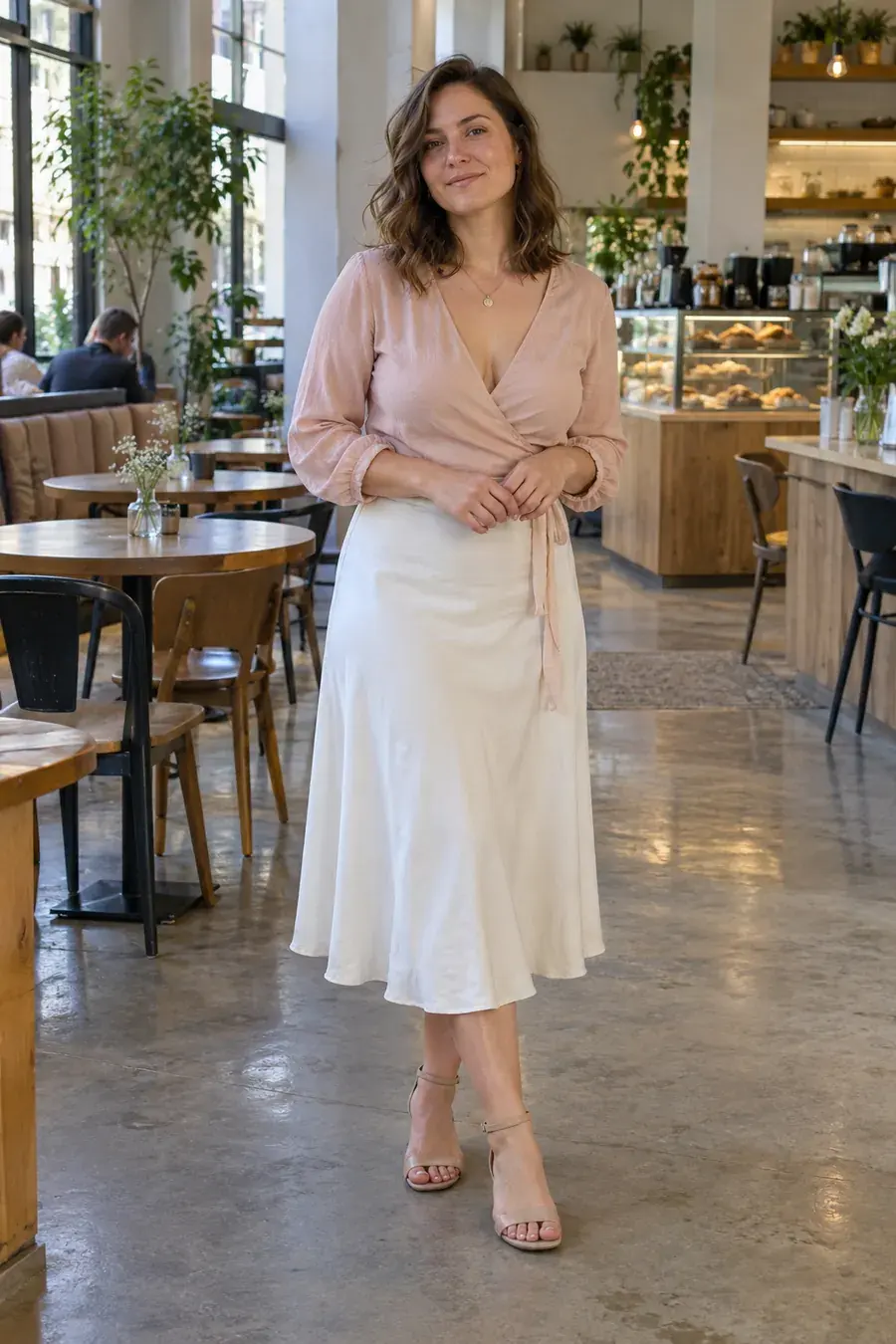
Gamines
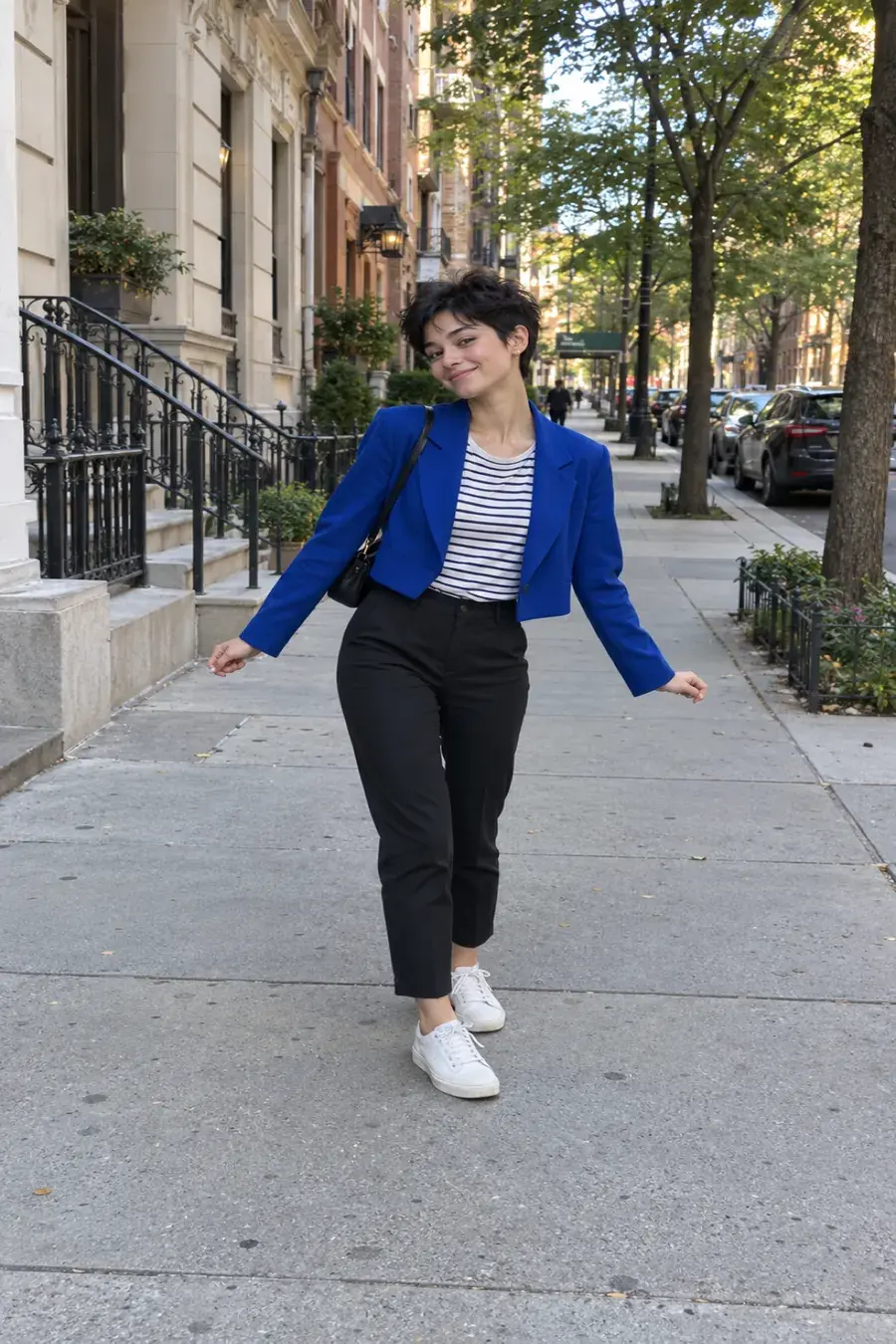 Flamboyant GamineA vivid contrast of sharp Yang and delicate Yin on a compact frame — spirited and eclectic.
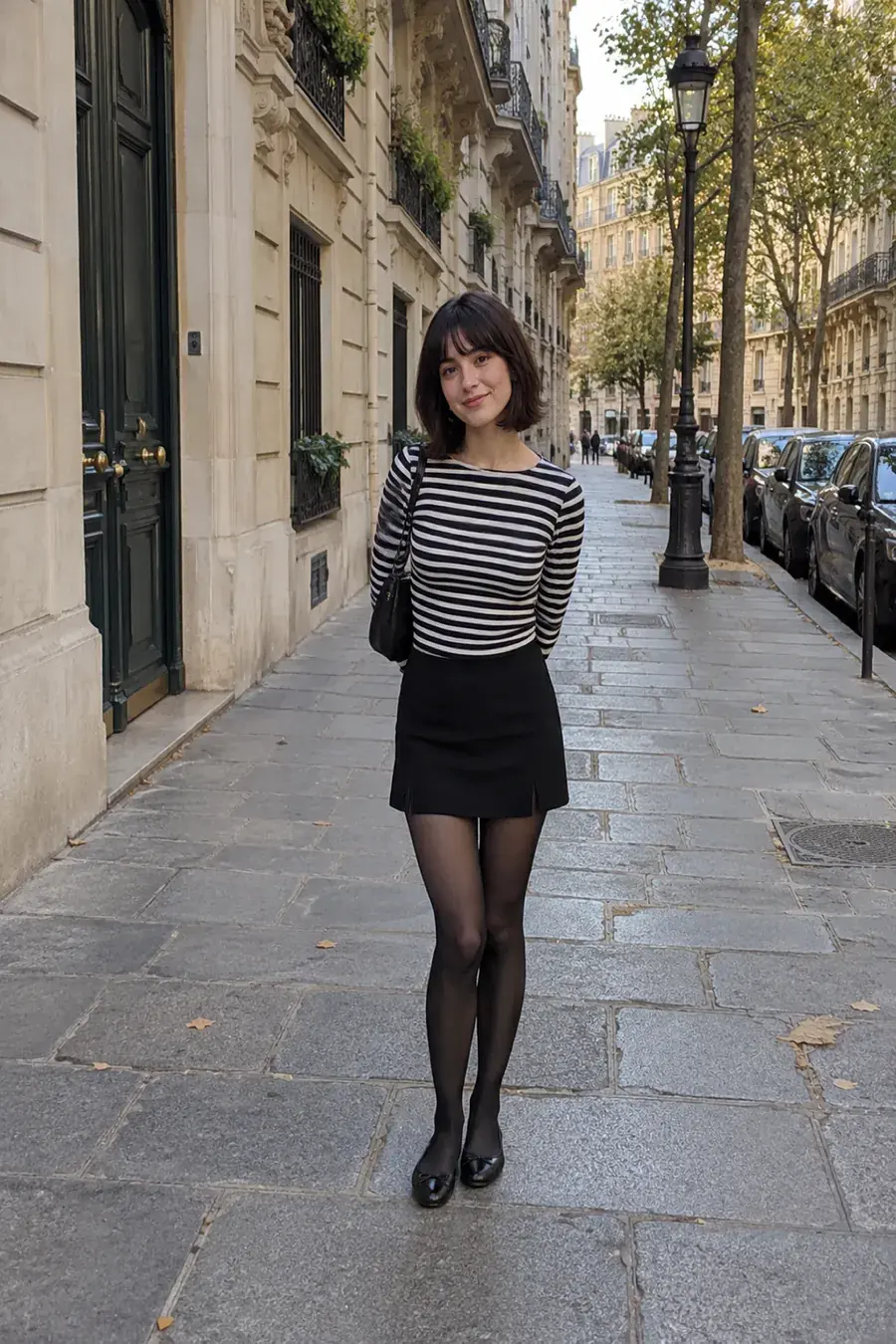 GamineAn even, lively mix of sharp and soft on a petite frame — playful, chic, and spirited.
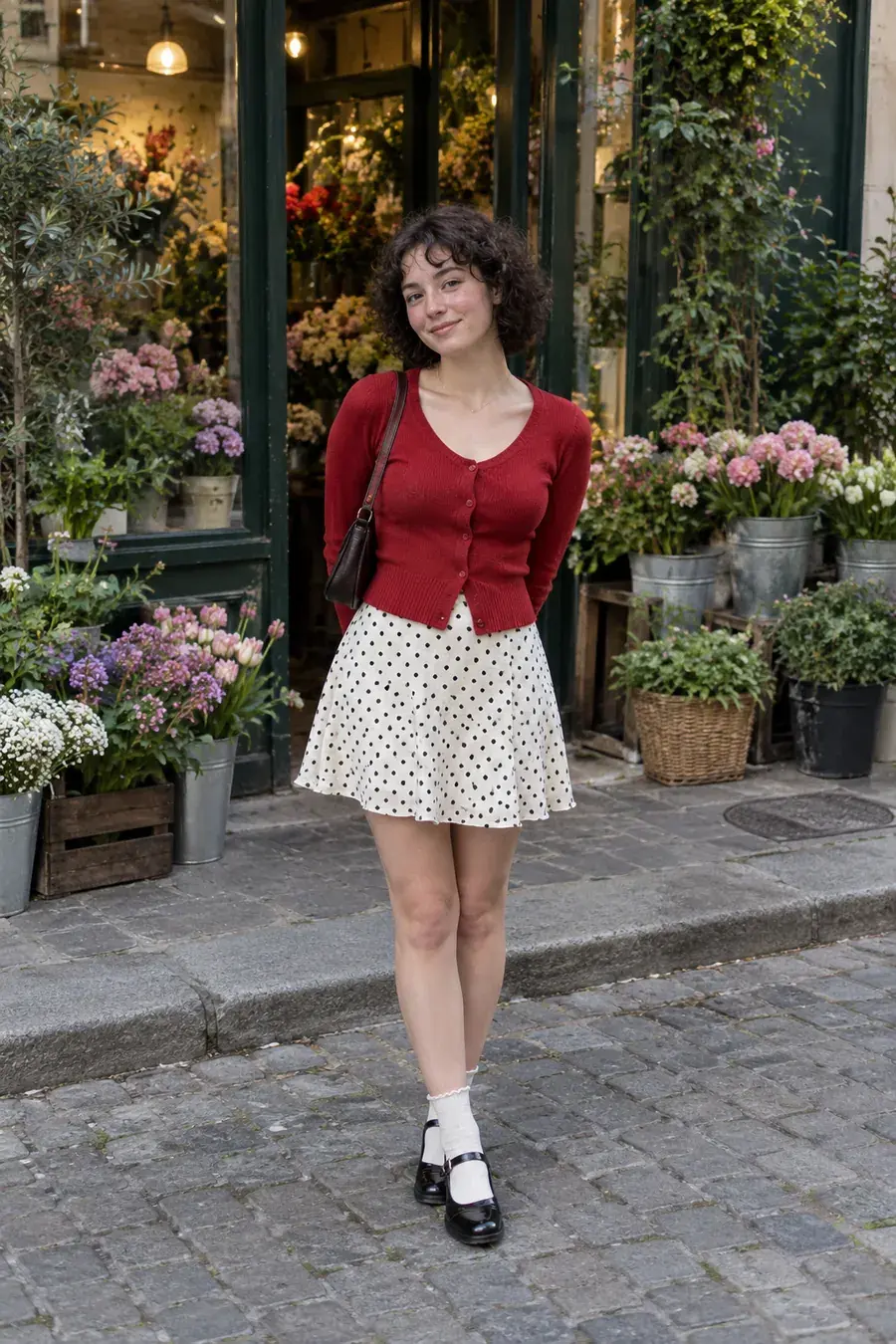 Soft GamineA petite frame mixing sharp accents with lush softness — cute, vivid, and full of personality.
Before you take the test
Your answers decide your result, so a few minutes of preparation make it far more accurate.
- 1
Judge bone structure, not weight
Kibbe types describe the frame under the flesh. Weight changes how soft or sharp you look, so compare shoulder width, wrists, hands and the width of your jaw rather than the number on a scale.
- 2
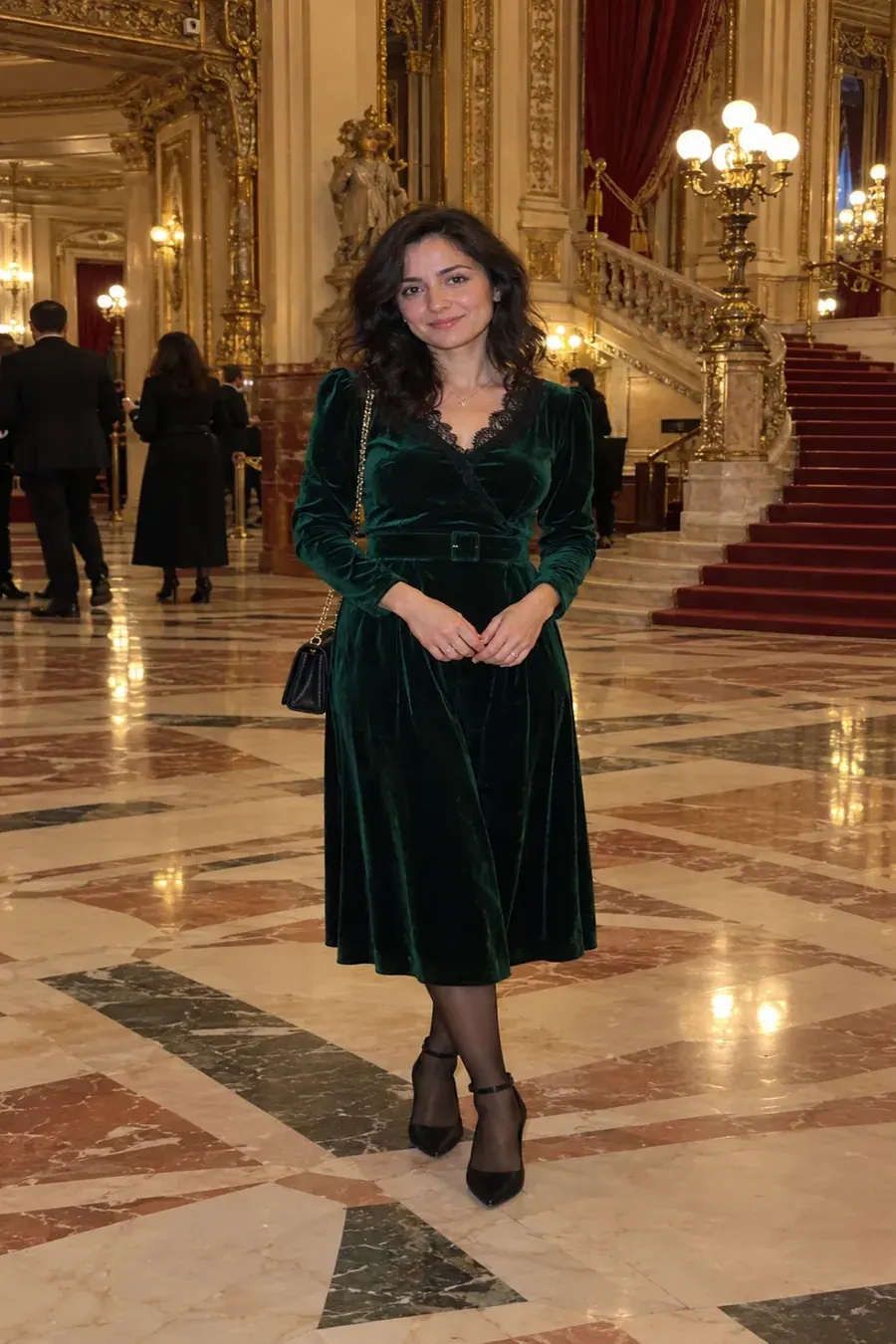
Use photos from the past few years
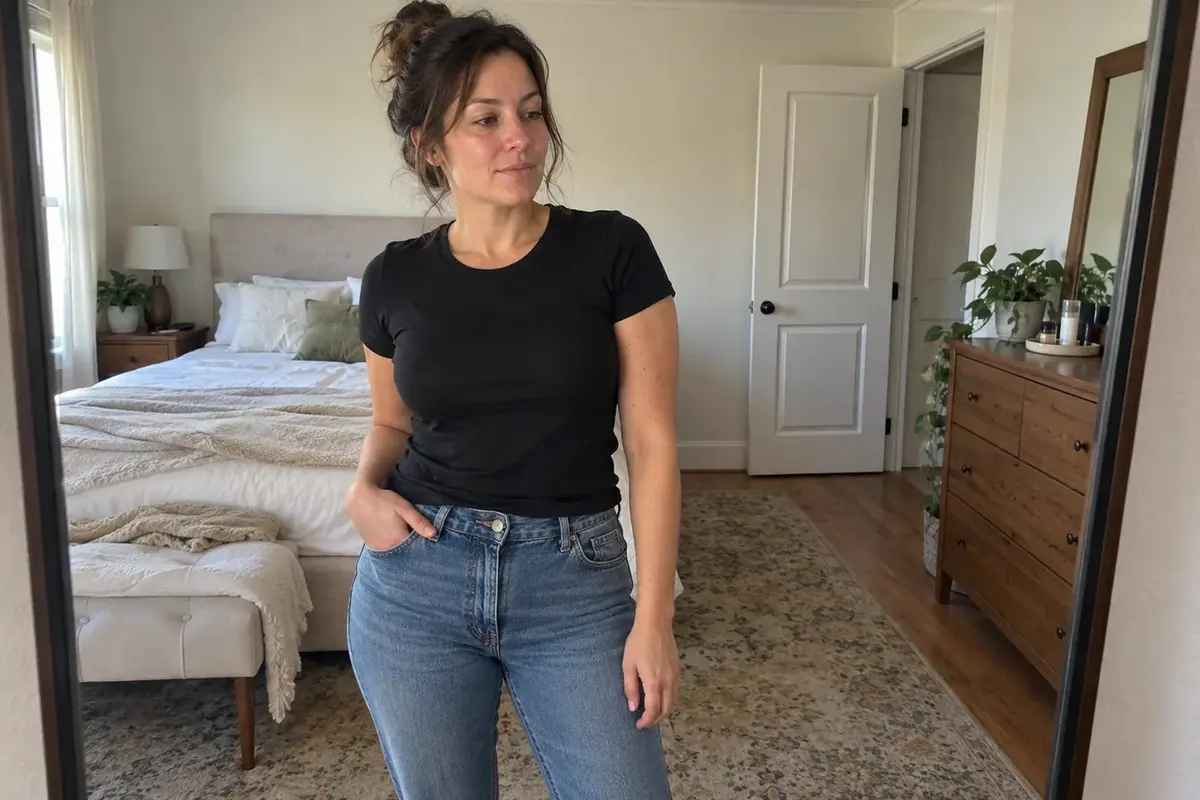
Stand in front of a mirror, or pick two or three straight-on photos in fitted clothes. Skip heavy filters, close wide-angle selfies and pictures from a time when your weight was very different.
- 3
Think of height as vertical line
Vertical line is how long you look, not only how tall you are. Someone of average height with long legs, a long neck and narrow shoulders can read as more vertical than a taller person with a short torso and a wide frame.
- 4
Ask a friend to check you
Most of us see ourselves badly. Show a friend the questions and ask which answer they would choose for you. Where the two of you disagree is often where your type sits between two neighbors.
A quiz gives you a starting point, not a final verdict. Kibbe typing leans on your overall impression, which no list of questions can fully capture. Treat your result as the best candidate, read the pages for the types next to it, and try the clothing lines to see which one feels right.
What the Kibbe test looks at
Every question falls into one of three parts: bone structure, body flesh and facial features. In each part, Yang means sharp, long, straight or taut, and Yin means soft, small, round or full.
Bone structure
The frame itself: how long, wide and angular it is, whatever your weight. The quiz checks your vertical line, shoulders, arms and legs, and hands and feet.
Yang looks like
A long vertical line, or a wide and blunt frame. Sharp or broad shoulders, long limbs, long narrow hands and feet.
Yin looks like
A shorter or smaller frame. Sloped or delicate shoulders, shorter limbs, small hands and feet with rounded edges.
Body flesh
How softness sits on that frame. The quiz looks at your overall shape, bust, waist, hips, and the flesh on your upper arms and thighs.
Yang looks like
Lean or firm flesh. A straight waist, narrow or straight hips, a flat or modest bust, taut arms and thighs.
Yin looks like
Soft, rounded flesh. A defined waist, fuller hips and bust, softer arms and thighs, curves that read as lush.
Facial features
Your face is read the same way. The quiz covers jaw, nose, cheekbones, eyes, lips, the flesh of your cheeks and your hair texture.
Yang looks like
A sharp or square jaw, a straight or prominent nose, high cheekbones, narrow or almond eyes, thin lips, lean cheeks, sleek or thick hair.
Yin looks like
A rounded jaw, a small or soft nose, round cheeks, large round eyes, full lips, plump cheeks, soft waves or curls.
Few people land on the same side in all three parts. A Yang frame with Yin flesh and a soft face is exactly how in-between types such as Soft Dramatic come about. The quiz adds up your answers across the three parts and returns the closest of the 13 types.
All 13 Kibbe types at a glance
Use this as a quick cross-check against your result. The examples are people often cited for each type, not official classifications.
| Type | Family | Yin and Yang balance | Key trait | Often cited as |
|---|---|---|---|---|
| Dramatic | Dramatics | Pure Yang | Tall, sharp and elongated, with taut flesh | Tilda Swinton, Cate Blanchett |
| Soft Dramatic | Dramatics | Yang bones, Yin flesh | A long, bold frame carrying lush curves | Sophia Loren, Aishwarya Rai |
| Flamboyant Natural | Naturals | Broad Yang | Long, wide and blunt, with a relaxed look | Jennifer Aniston, Elle Macpherson |
| Natural | Naturals | Soft Yang | Straight, easy lines with a slightly blunt edge | Cameron Diaz, Cindy Crawford |
| Soft Natural | Naturals | Soft Yang with Yin | An easy frame with soft, gentle curves | Scarlett Johansson, Kate Winslet |
| Dramatic Classic | Classics | Balanced, leans Yang | Symmetrical with a sharp, clean edge | Angelina Jolie, Jackie Kennedy |
| Classic | Classics | Balanced | Even and symmetrical, with nothing extreme | Grace Kelly, Diane Kruger |
| Soft Classic | Classics | Balanced, leans Yin | Symmetrical with a soft, graceful finish | Nicole Kidman, Dita Von Teese |
| Flamboyant Gamine | Gamines | Contrast, more Yang | Petite, with sharp and bold contrast | Zendaya, Twiggy |
| Gamine | Gamines | Contrast, even | Compact, with a lively mix of sharp and soft | Audrey Hepburn, Zoë Kravitz |
| Soft Gamine | Gamines | Contrast, more Yin | Small and rounded, with sharp accents | Marion Cotillard, Selena Gomez |
| Theatrical Romantic | Romantics | Yin with a Yang edge | Curvy, with small sharp features | Vivien Leigh, Rachel Weisz |
| Romantic | Romantics | Pure Yin | Soft, lush and rounded throughout | Marilyn Monroe, Elizabeth Taylor |
Kibbe type vs body shape
People often mix these up. They answer different questions, and most people have both a Kibbe type and a body shape.
Kibbe type
Reads your bone structure, flesh and facial features together and gives you an overall essence, from sharp and angular to soft and rounded. It guides the lines, scale and fabrics of your clothes.
Body shape
Compares the width of your bust, waist and hips, and sorts you into a shape such as pear, hourglass or rectangle. It guides fit around the waist and hips.
Two people can share an hourglass shape and still be very different Kibbe types, for example a tall one with broad shoulders and a petite one with a rounded face. To get your measurements-based result, try the body shape calculator, then use both together.
Common Kibbe mistypes
These are the mix-ups that come up most often. If one sounds like you, retake the quiz with that point in mind.
Tall, but not automatically Dramatic
Height pushes many people toward Dramatic. But a tall person with soft flesh and a rounded face may be a Soft Dramatic or even a Romantic. Vertical line is one factor among many.
Petite, but not always Gamine
A small frame with soft flesh and gentle features often fits Romantic or Soft Classic better. Gamine needs a real contrast of sharp and soft in the same person.
Curvy Natural or Romantic
Curves alone do not make a Romantic. Romantics have soft bones as well, with sloped shoulders and a rounded face. Curvy flesh on a broad, blunt frame points to Soft Natural.
Classic as the safe default
Classic gets picked when people cannot decide, because balanced sounds safe. A true Classic is moderate in every part. If one feature stands out clearly as sharp or soft, look at Dramatic Classic or Soft Classic.
Mistaking muscle or weight for bone
Training can make you look leaner and gaining weight can make you look softer, but neither changes your bones. When in doubt, go back to wrists, shoulder width and jaw.
Answering for the type you want
It is easy to answer toward the celebrity you admire. Answer for the person in the mirror, and let the result surprise you.
Kibbe Body Type Quiz: FAQ
What are the 13 Kibbe body types?
The 13 types are Dramatic, Soft Dramatic, Flamboyant Natural, Natural, Soft Natural, Dramatic Classic, Classic, Soft Classic, Flamboyant Gamine, Gamine, Soft Gamine, Theatrical Romantic, and Romantic. They are grouped into five families — Dramatics, Naturals, Classics, Gamines, and Romantics — along a spectrum from pure Yang to pure Yin.
How is a Kibbe type different from a body shape?
A body shape (pear, hourglass, apple, etc.) describes the proportions of your bust, waist, and hips. A Kibbe type describes the overall impression of your lines — sharp and angular (Yang) versus soft and rounded (Yin) — across your bones, flesh, and face. They are two different lenses, and you have both.
What do Yin and Yang mean in Kibbe?
Yang refers to sharp, angular, vertical, and taut qualities — think statuesque and striking. Yin refers to soft, rounded, curved, and lush qualities — think delicate and sensual. Your Kibbe type is defined by your particular blend of the two.
How accurate is a Kibbe quiz?
A quiz gives you a strong starting point by scoring your self-assessed Yin and Yang features. It is directional, not definitive — Kibbe himself stresses that the overall impression matters more than any single feature. Use your result as a guide, then test the recommended clothing lines to confirm. Accuracy depends mostly on honest answers, so use recent photos and judge your bones rather than your weight.
Is this the official David Kibbe test?
No. This is an independent quiz made by Palette Hunt, based on the system David Kibbe published in his book Metamorphosis. We are not affiliated with David Kibbe, and a result here is not an official typing.
Why does the test ask my height?
Height is part of your vertical line, which is one of the clearest signs of Yang or Yin in your bone structure. It is only one of 16 questions, so being tall or short will not decide your result on its own. Answer by how long your frame looks, not just the number.
Can my Kibbe type change with weight?
Your bone structure does not change, so your type is not meant to. Weight changes your flesh, which can make you look softer or sharper, and some people shift to a neighboring type. If you have changed a lot, retake the quiz using recent photos.
What is the difference between the Kibbe body type test and a body shape calculator?
The Kibbe test asks about bone structure, body flesh and facial features, and gives you one of 13 image identities. A body shape calculator uses your bust, waist and hip measurements and gives you a shape such as pear or hourglass. One describes your overall lines, the other your proportions.
Does my Kibbe type decide my colors?
No — Kibbe governs lines and silhouettes, not color. Your color season decides which colors flatter you. For a complete styling profile you want both, which is why we pair this quiz with a free color analysis you can run from your photos.
Keep going
Tools and guides to complete your styling profile.


Meet the colors made for you
Your personalized color analysis in minutes — then see yourself in every look on your real face. One-time payment, no subscription.
Meet the colors made for you
Your personalized color analysis in minutes — then see yourself in every look on your real face. One-time payment, no subscription.