Free Color Quiz

What Colors Look Good on Me?Find Out in 30 Seconds

Answer three quick questions about your undertone and contrast to get the clothing colors that flatter you most — plus the at-home self-checks colorists use. 100% free, no sign-up needed.

Question 1 of 3Just getting started

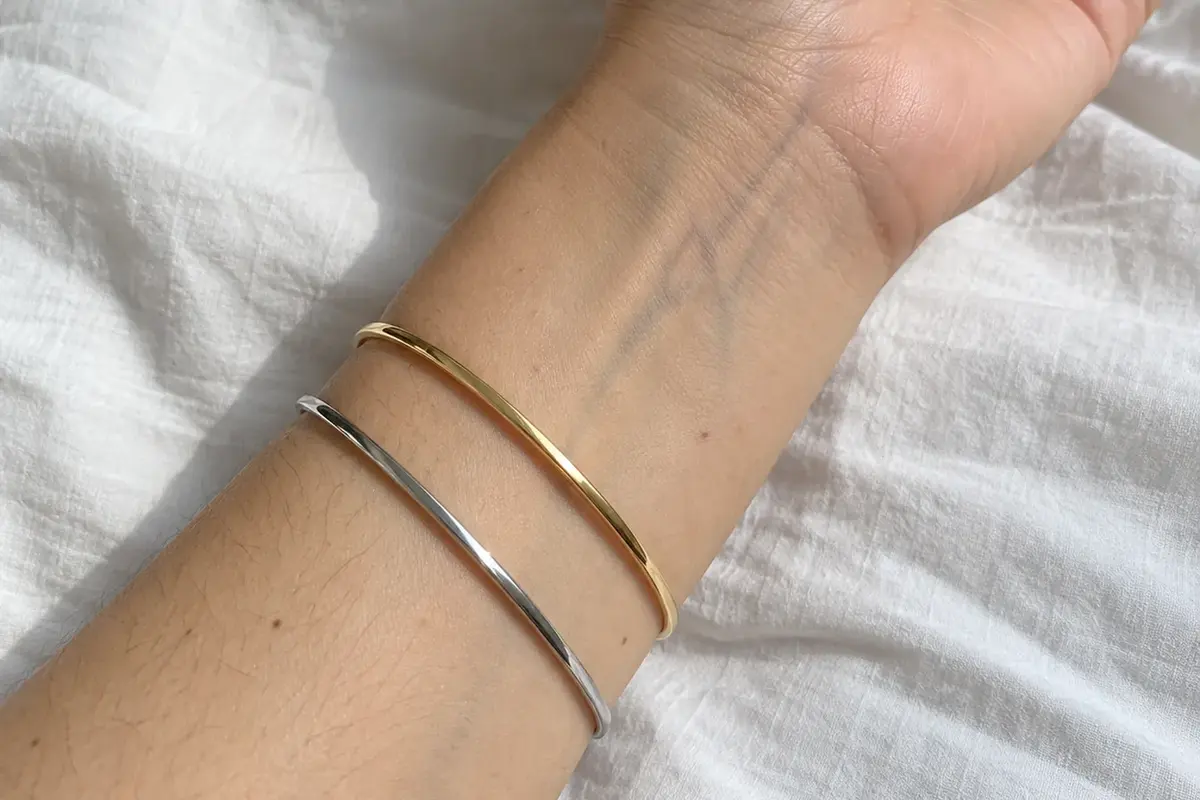
Hold gold and silver near your bare face in daylight — undertone is the biggest signal

Which jewelry makes your skin glow?

How Do I Know What Colors Look Good on Me?

Colorists weigh the same handful of signals in every consultation. Run these five checks yourself in natural daylight — they are the logic behind the quiz above, and the fastest way to answer "what colors look good on me" without booking an appointment.

  1. 1

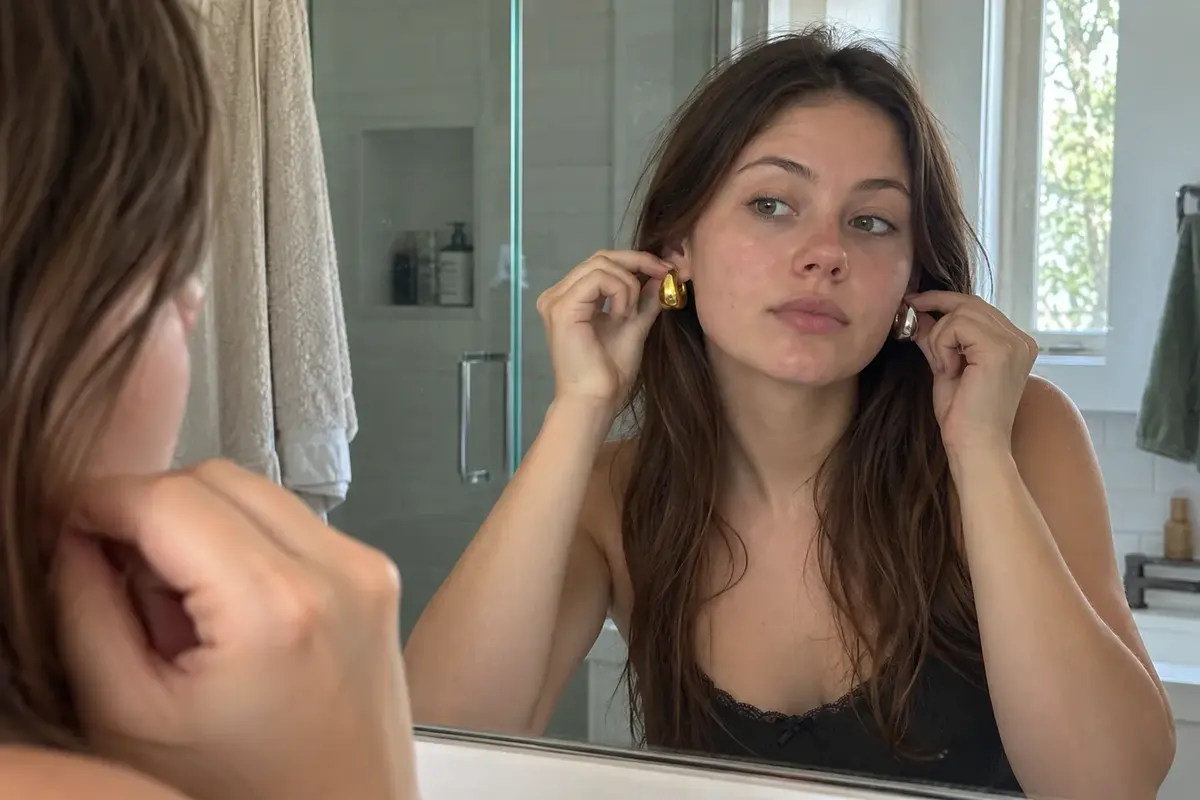
    Run the jewelry test

    Hold gold and silver next to your bare face in daylight. If gold makes your skin glow and silver looks flat, you have a warm undertone — earthy, golden, and coral colors will flatter you. If silver wins, you are cool-toned, and blue-based shades like emerald, cobalt, and true red are your lane. If both look good, you are likely neutral.

  2. 2

    Do the white-vs-cream drape

    Hold a pure white fabric, then a warm cream, near your face. Cool undertones look clearer and brighter in pure white; warm undertones look healthier in cream. The fabric that makes your skin look tired and uneven is pointing you away from your temperature.

  3. 3

    Watch what makes you look tired vs glowing

    The single most useful test: notice which colors near your face make your skin look sallow, grey, or tired, and which make it look even, rested, and lit-up. Glowing means the color shares your undertone. Tired means it is fighting it. Your face is the most honest swatch you own.

  4. 4

    Judge your contrast in black and white

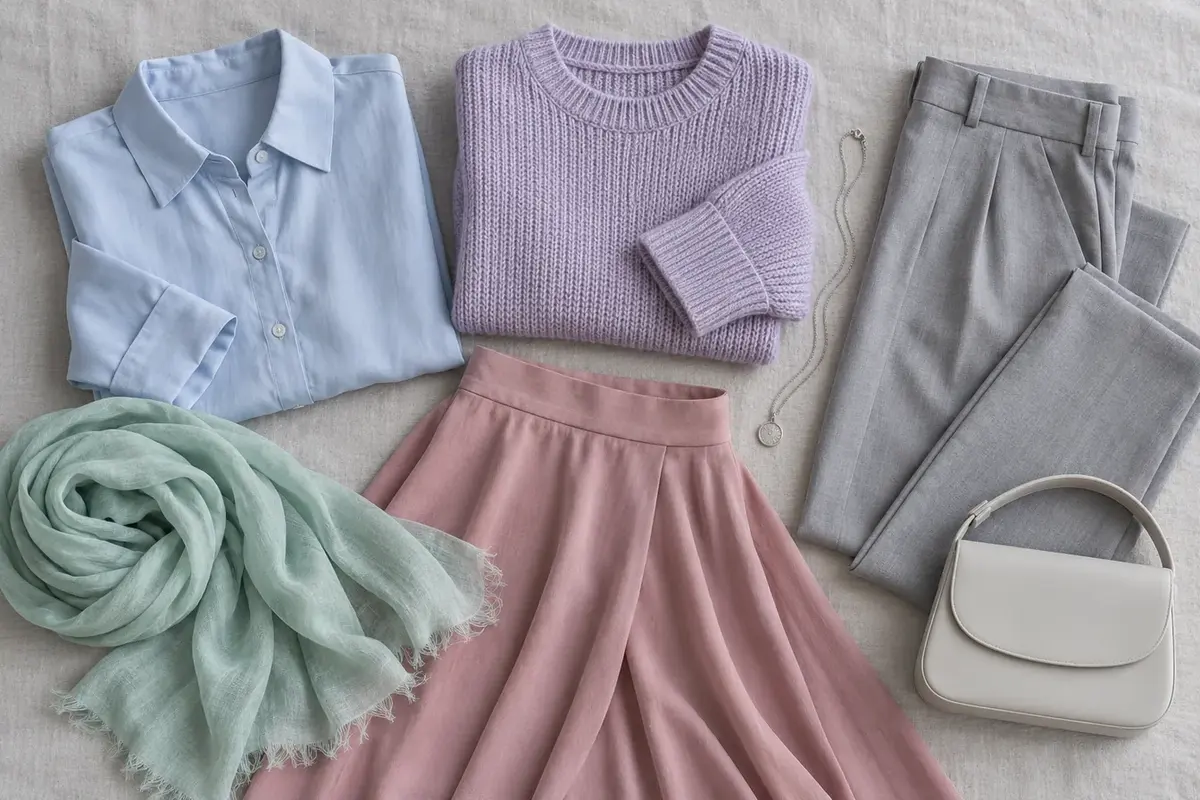
    Look at a black-and-white photo of yourself. High contrast between skin, hair, and eyes means you can carry clear, saturated colors like true red and cobalt. Low contrast favors softer, blended shades like dusty rose, sage, and soft teal that match your own gentle contrast.

  5. 5

    See the colors on your actual face

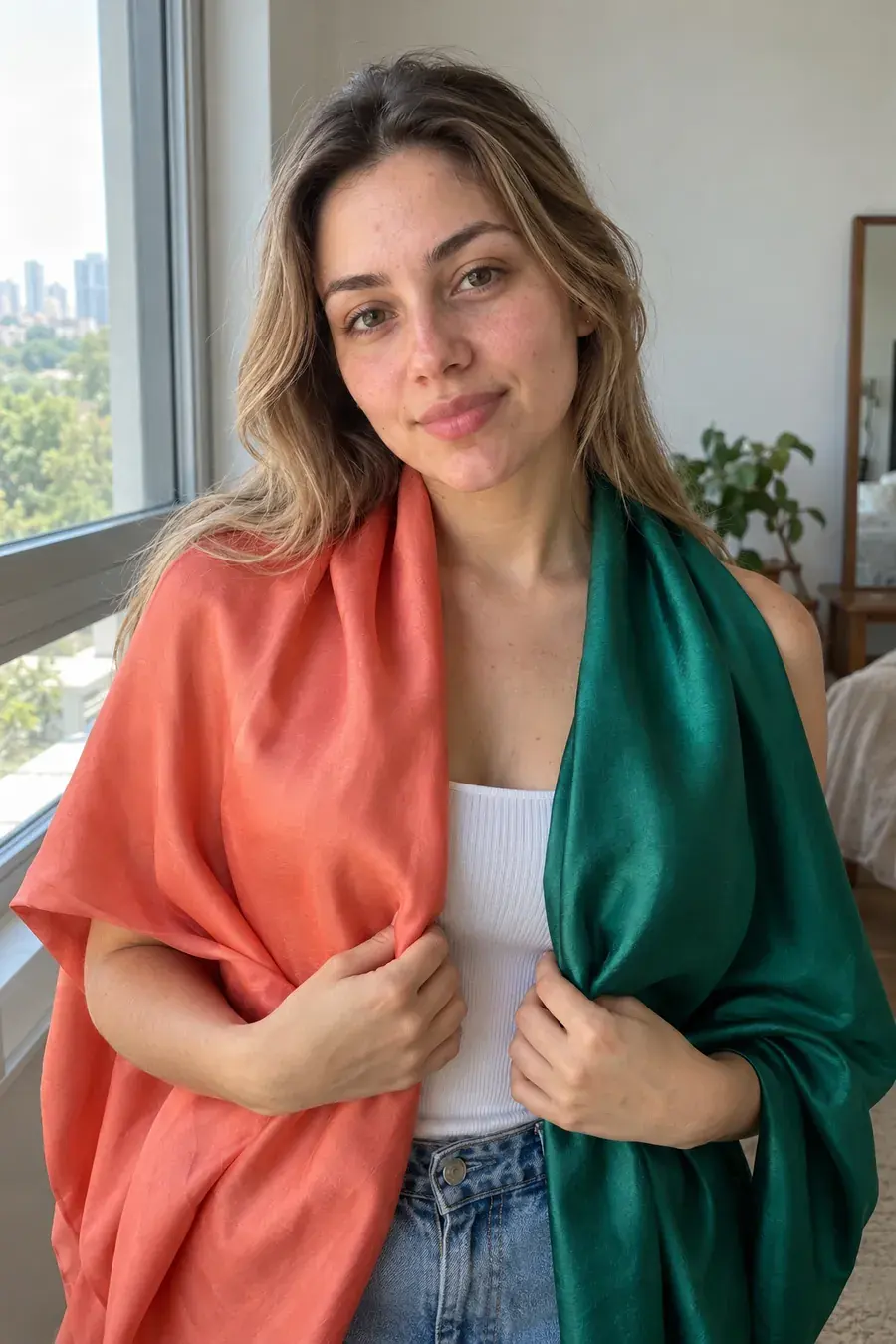
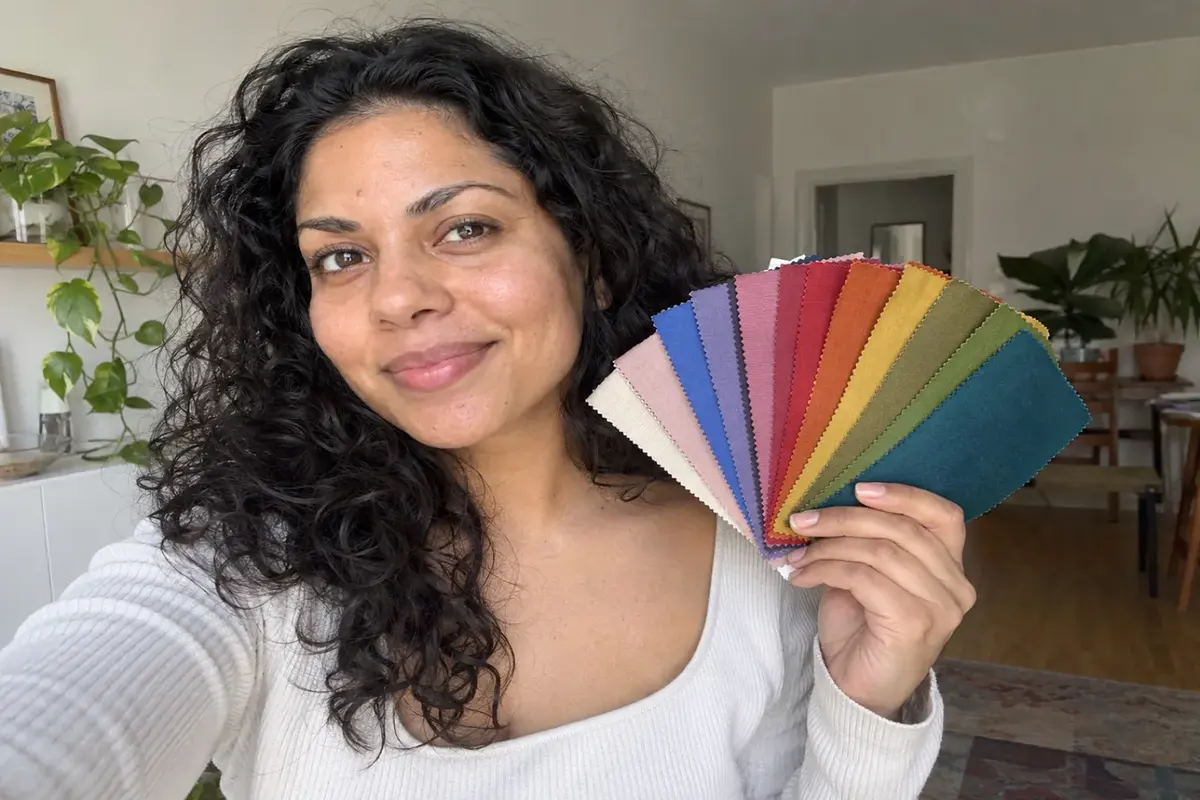
    Rules narrow it down; your face decides. Drape fabric near your face in daylight — or skip the guesswork and upload a photo to an AI color analysis that renders your full personalized palette and shows each shade against your real coloring.

Woman draping warm coral, cool emerald, and dusty rose fabric near her face in daylight to see what colors look good on her

Warm vs. Cool Colors

Undertone is the single biggest factor in whether a color flatters you or fights you. Here is the cheat sheet for picking clothing colors.

Warm undertone woman in coral next to a cool undertone woman in emerald, showing which colors look good on each
Warm undertoneCool undertone
Jewelry that flattersGoldSilver
Best neutralsCream, camel, warm taupePure white, slate grey, charcoal
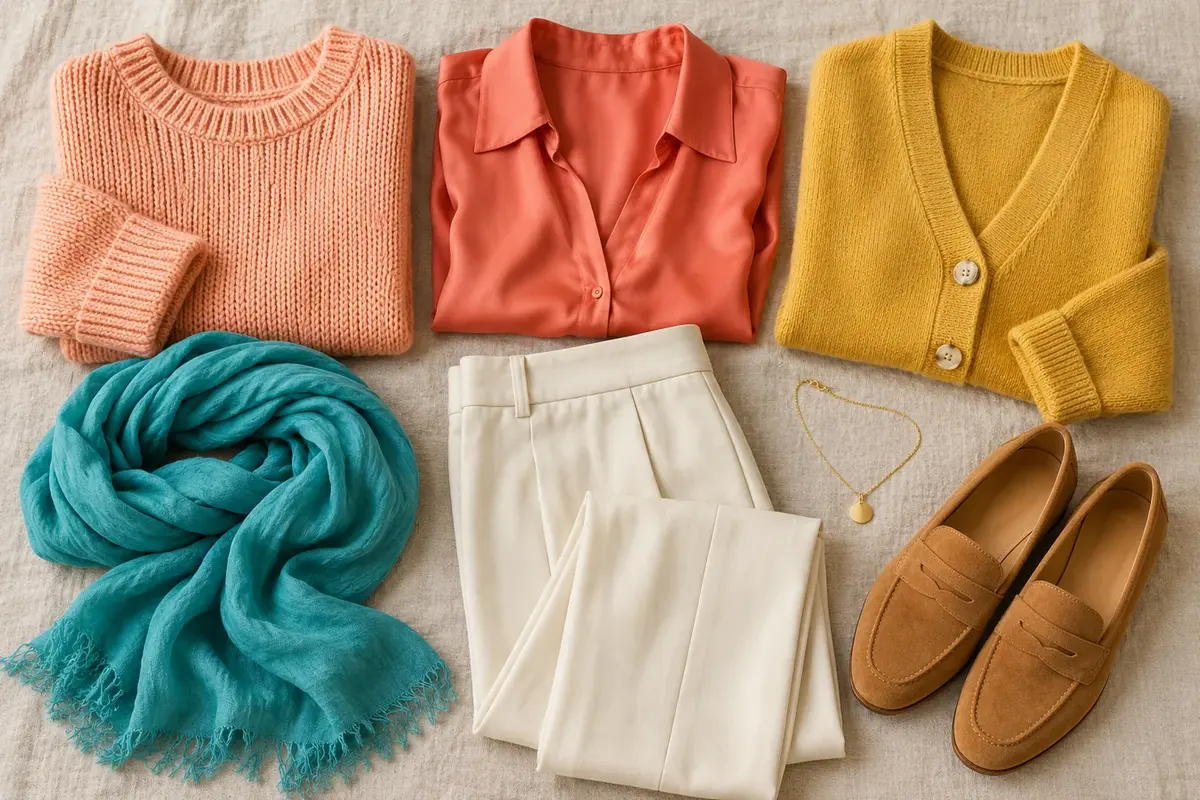
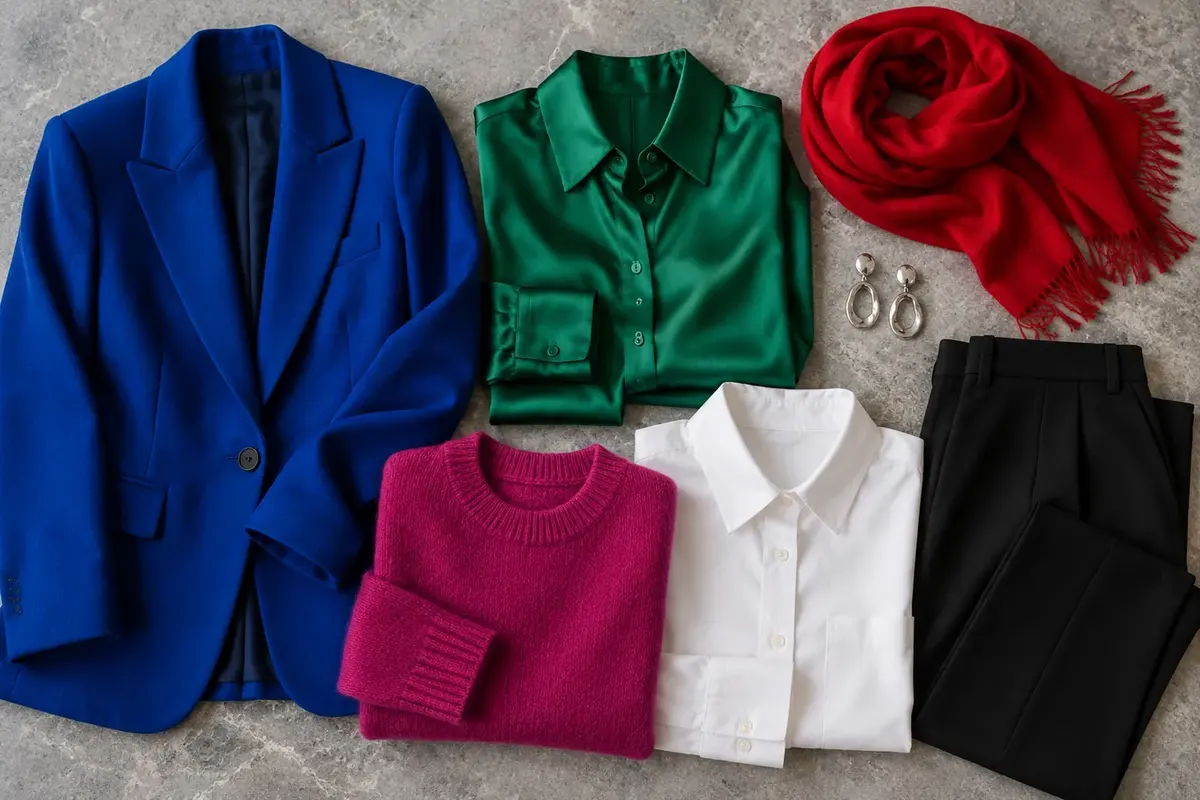
Best brightsCoral, golden yellow, warm turquoiseCobalt, magenta, true red
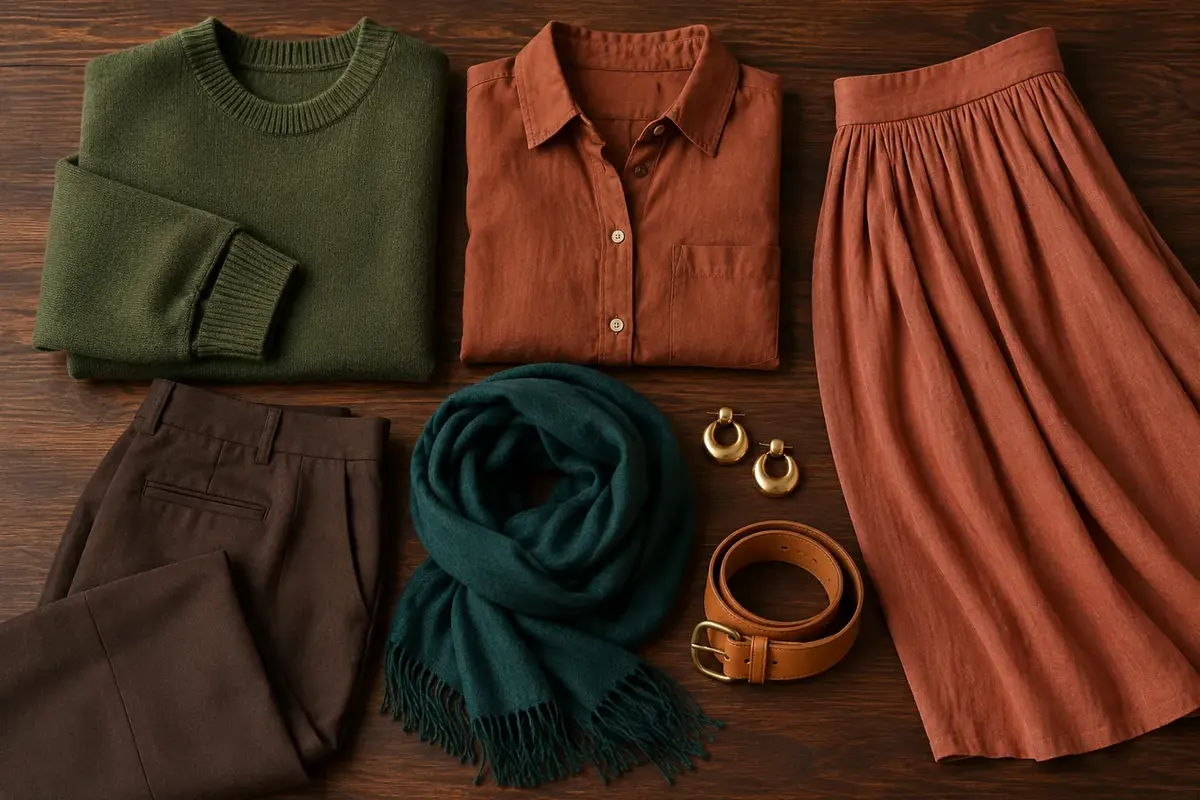
Best greensOlive, warm teal, mossEmerald, cool mint, forest
Best pinksPeach, coral, salmonRaspberry, fuchsia, cool rose
Colors that fight youIcy grey, pure white, cool fuchsiaMustard, camel, bright orange

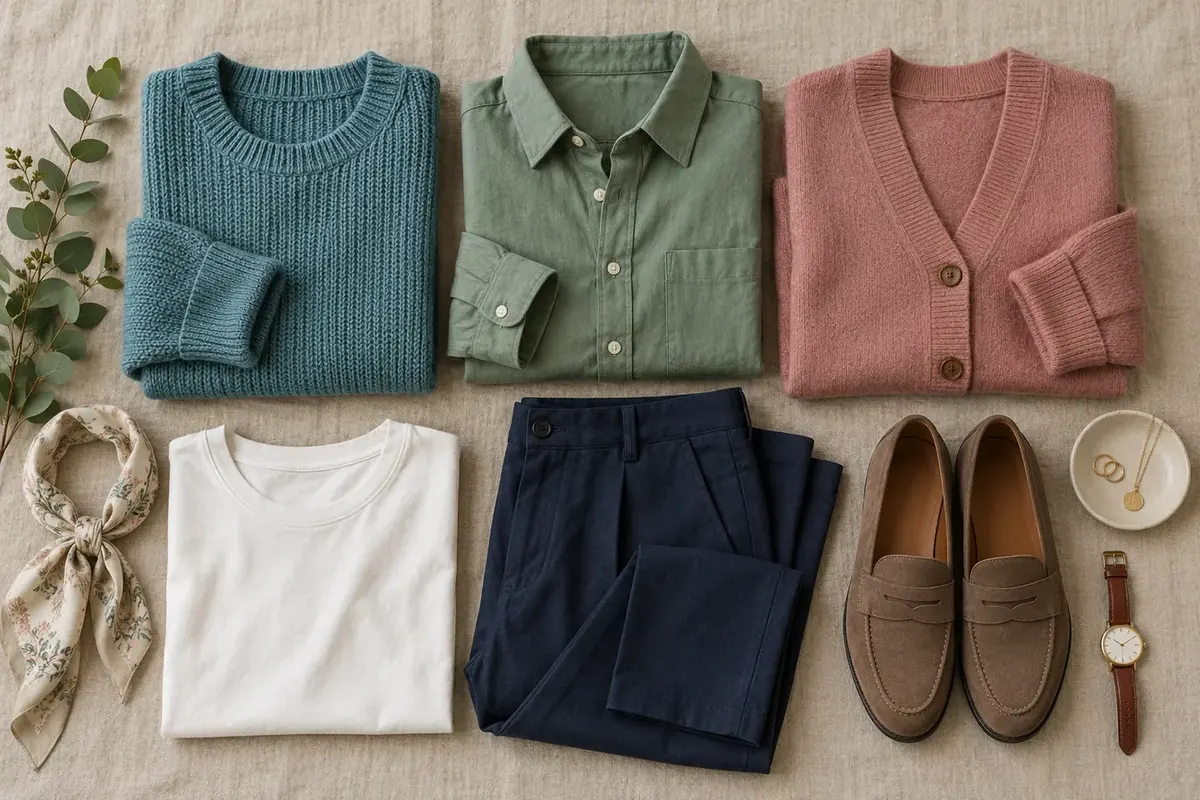
Neutral undertone? You sit between the columns — soft, slightly muted shades like soft teal, dusty rose, and medium navy are your safest bets.

What Lipstick & Makeup Colors Look Good on Me?

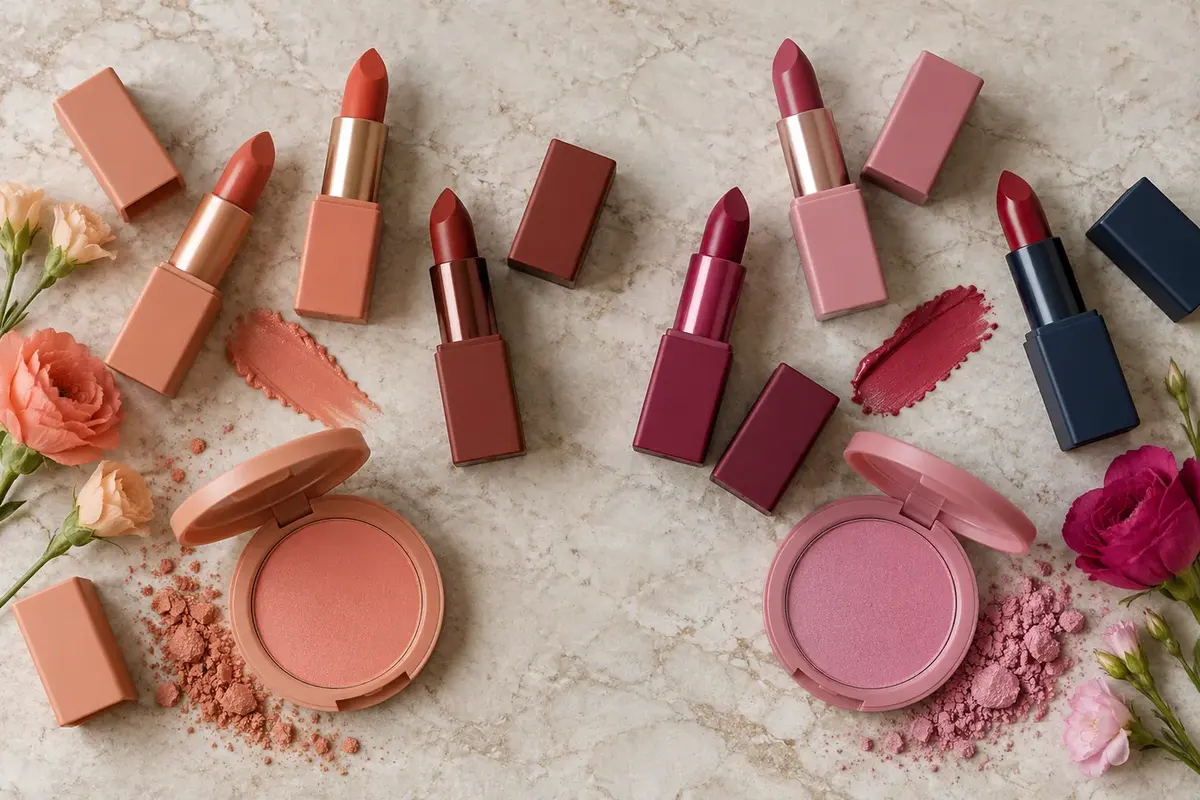
The same warm-or-cool rule that picks your clothes picks your makeup. Warm undertones look freshest in peachy, coral, and brick lipsticks with peach or golden-bronze blush. Cool undertones come alive in berry, rose, and blue-red lipsticks with cool-pink or plum blush. Neutral undertones can wear soft "my-lips-but-better" shades from either side.

Foundation matters most of all: the wrong undertone makes it look like a mask. Match foundation to your undertone (golden-yellow for warm, pink-rosy for cool, balanced beige for neutral), and your whole face reads more even — the same principle behind which clothing colors flatter you.

What Does "Colors That Look Good on Me" Actually Mean?

Some colors make your skin look clear, even, and rested. Others make it look tired, sallow, or grey — under the exact same lighting. The difference is not the color itself or your skin tone; it is the relationship between them. Personal color analysis is the study of that relationship.

Three things decide which colors flatter you: your undertone (the warm or cool cast beneath your skin), your depth (how light or deep your overall coloring is), and your contrast (how far apart your skin, hair, and eyes sit). Match a color to all three and it harmonizes — your features pop and your complexion looks healthy.

The classic seasonal system bundles these into Spring, Summer, Autumn, and Winter (and twelve sub-seasons), each with a curated palette. The quiz above gives you a quick warm/cool and light/deep direction; a full analysis pins down your exact season and the specific shades within it.

A personalized color palette of flattering shades shown next to a woman, confirming what colors look good on her

See Your Exact Palette on Your Own Photos

Quizzes and drape tests narrow it down — but the only way to really know what colors look good on you is to see them against your real coloring. Upload a few photos and Palette Hunt's AI analyzes your undertone, depth, and contrast, then gives you your exact season and a personalized 30-color palette built from your features.

Same face, your real skin, every shade tested at once — the decision you get to make from your sofa instead of guessing in a dressing room. Free to start, no sign-up needed.

Get my color analysis

What Colors Look Good on Me — Questions, Answered

How do I know what colors look good on me?
Use four checks in natural daylight: 1) Jewelry test — if gold clearly flatters you more than silver, you are warm-toned; if silver wins, you are cool. 2) White-vs-cream drape — cool undertones look brighter in pure white, warm undertones look healthier in cream. 3) Tired-vs-glowing — notice which colors near your face make your skin look sallow versus even and rested. 4) Contrast check — high contrast between skin, hair, and eyes suits clear, saturated colors; low contrast suits soft, blended shades. The most reliable answer comes from seeing the colors on your own face, which is what an AI color analysis does.
Is there a quiz for what colors look good on me?
Yes — the free quiz at the top of this page asks three quick questions about your undertone and contrast and gives you a flattering color direction (warm or cool, light or deep) plus specific shades to wear and avoid in about 30 seconds. It is a starting point: for your exact season and full personalized palette, Palette Hunt analyzes your real photos.
What colors look good on everyone?
A few "universal" colors flatter most people because they sit between warm and cool: teal, soft dusty pink, medium purple, eggplant, and a true mid-tone navy. They contain enough of both temperatures that almost any undertone can wear them. That said, even universal colors have warmer and cooler versions — the closer you match the version to your undertone, the better it looks.
What lipstick and makeup colors look good on me?
Match makeup to your undertone the same way you match clothing. Warm undertones suit peachy, coral, and brick lipsticks with peach or bronze blush. Cool undertones suit berry, rose, and blue-red lipsticks with cool-pink or plum blush. Neutral undertones can wear soft shades from either side. Foundation is the most important: choosing the right undertone (warm golden, cool pink, or neutral beige) makes your whole complexion look even.
How accurate is this color quiz?
The quiz uses the same core factors a colorist assesses — undertone and contrast — so it reliably points you to the right warm/cool and light/deep direction. It is a starting point, not a verdict: the AI photo analysis confirms your exact season and full 30-color palette from your actual photos, accounting for the nuances a three-question quiz can not capture.
Can I find out what colors look good on me from a photo?
Yes. Upload a few photos and Palette Hunt analyzes your undertone, depth, and contrast with AI, then returns your exact seasonal palette and a personalized set of flattering colors. This is the most accurate at-home method because it judges the colors against your real skin, hair, and eyes instead of relying on general rules.
What colors make you look younger?
Colors that harmonize with your undertone make your skin look even and rested, which reads as more youthful — while colors that clash emphasize shadows and dullness. Generally, softer, slightly warmer shades near the face flatter most people: think soft coral, peach, or rose rather than harsh black or stark icy tones right against the skin. The key is matching the color temperature to your own, and keeping the contrast level close to your natural one.


Meet the colors made for you

Your personalized color analysis in minutes — then see yourself in every look on your real face. One-time payment, no subscription.

Woman smiling