


Color Guide

Best Colors forOlive Skin

Build an olive-skin clothing palette by depth and undertone, with clear colors to wear and colors to avoid.

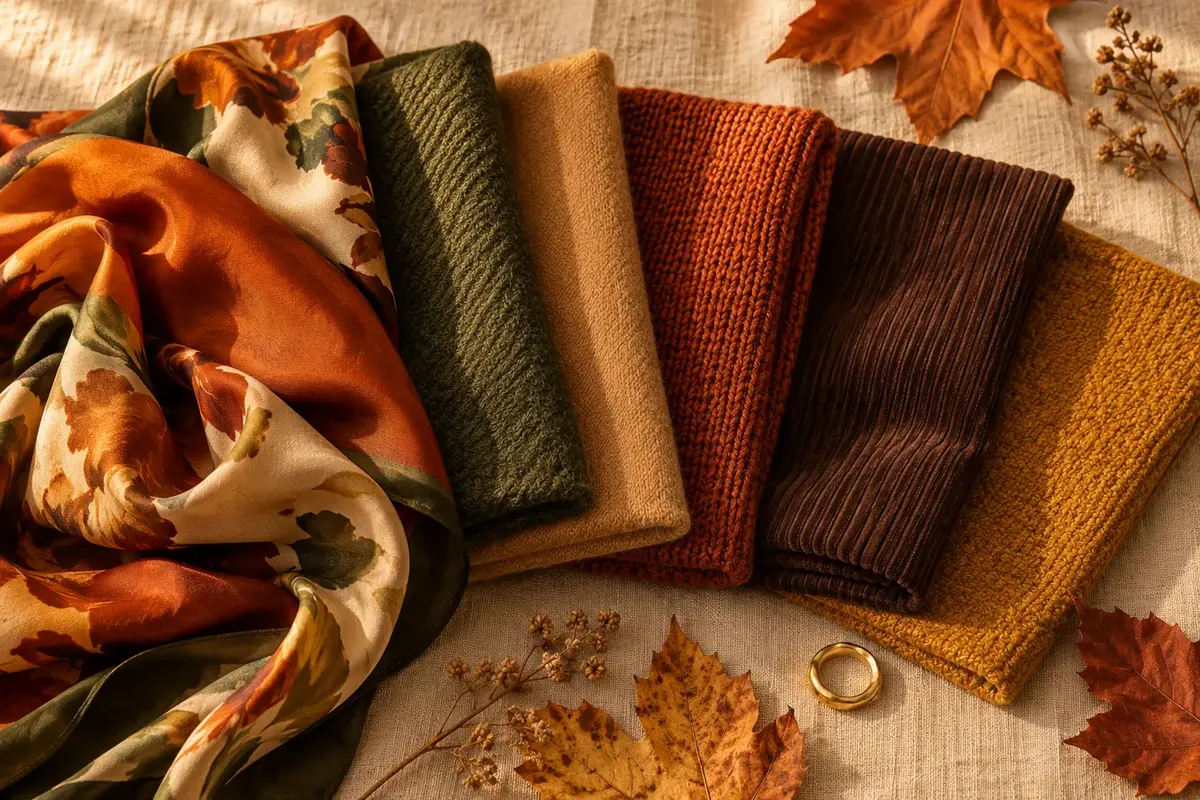
Best Colors for Olive Skin: Clothes & Palette — flattering shades including terracotta, burnt sienna, cinnamon, warm camel
  • Terracotta
  • Teal
  • Ivory
  • Forest green
  • Burnt sienna

What colors look best on olive skin?

Teal, aubergine, burgundy, forest green, and navy are useful starting points for olive skin. Warm olive coloring can compare terracotta, ivory, and espresso; cool olive coloring can compare berry, soft white, and charcoal. Choose the shade’s depth and saturation near your face before treating any color as a must-wear or a color to avoid.

Why Olive Skin Changes Everything

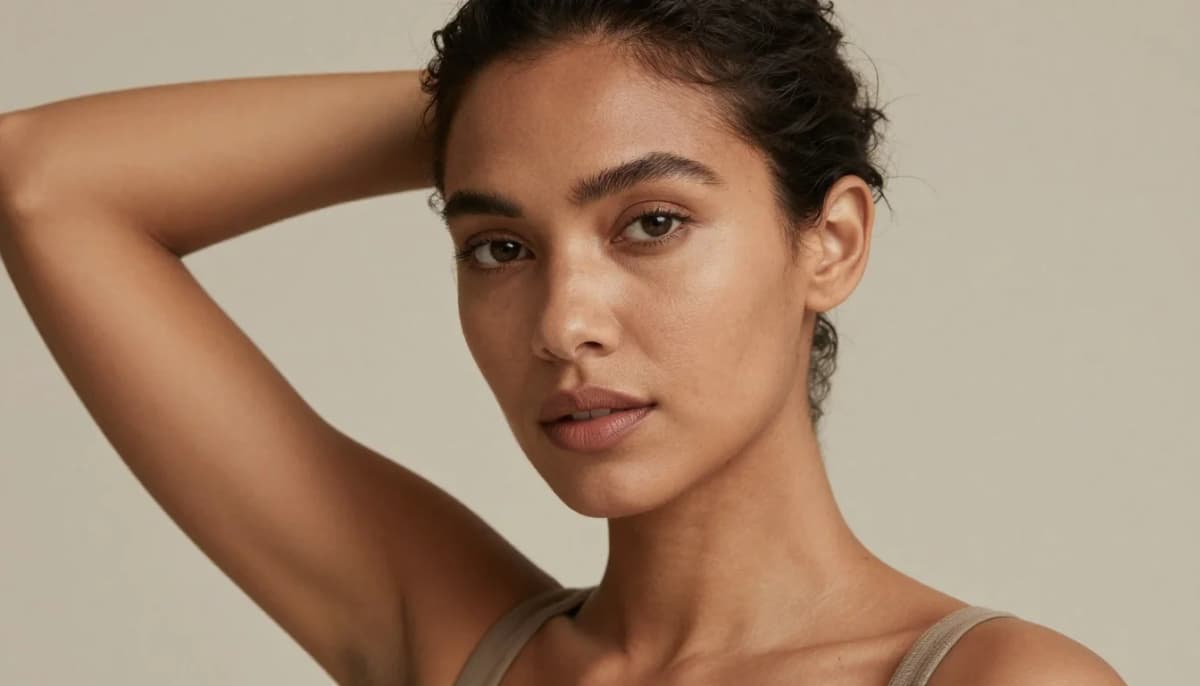
Olive skin combines a green or golden cast with warm, cool, or neutral tendencies. That is why one universal olive palette fails. The best colors balance your undertone and match your depth: light olive skin needs less visual weight, while medium and deep olive skin can carry richer saturation and contrast.

Olive describes a greenish or green-gold cast, not a complete clothing palette. Two people with olive skin can prefer different shades: one may suit warm terracotta and ivory, another cool berry and soft white. Treat warm, cool, and neutral olive as starting points to compare, rather than assuming every olive complexion belongs in Autumn.

Separate color temperature from depth and saturation. A pale blue top can look weak because it is too light, not because all cool colors are wrong. A rich plum may work where a chalky pink does not. Likewise, a camel coat that looks too yellow does not rule out every warm shade; a redder cinnamon may be a better comparison.

The palette below gives you sixteen starting shades, not sixteen compulsory purchases. Compare similar fabrics beside your face in indirect daylight, then keep the versions you enjoy wearing. Your skin depth, hair-and-eye contrast, lighting, and preferences all matter; an olive label alone cannot settle those choices.

Your Most Flattering Color Families

  • Terracotta
  • Burnt sienna
  • Cinnamon
  • Warm camel

Warm Earth Tones

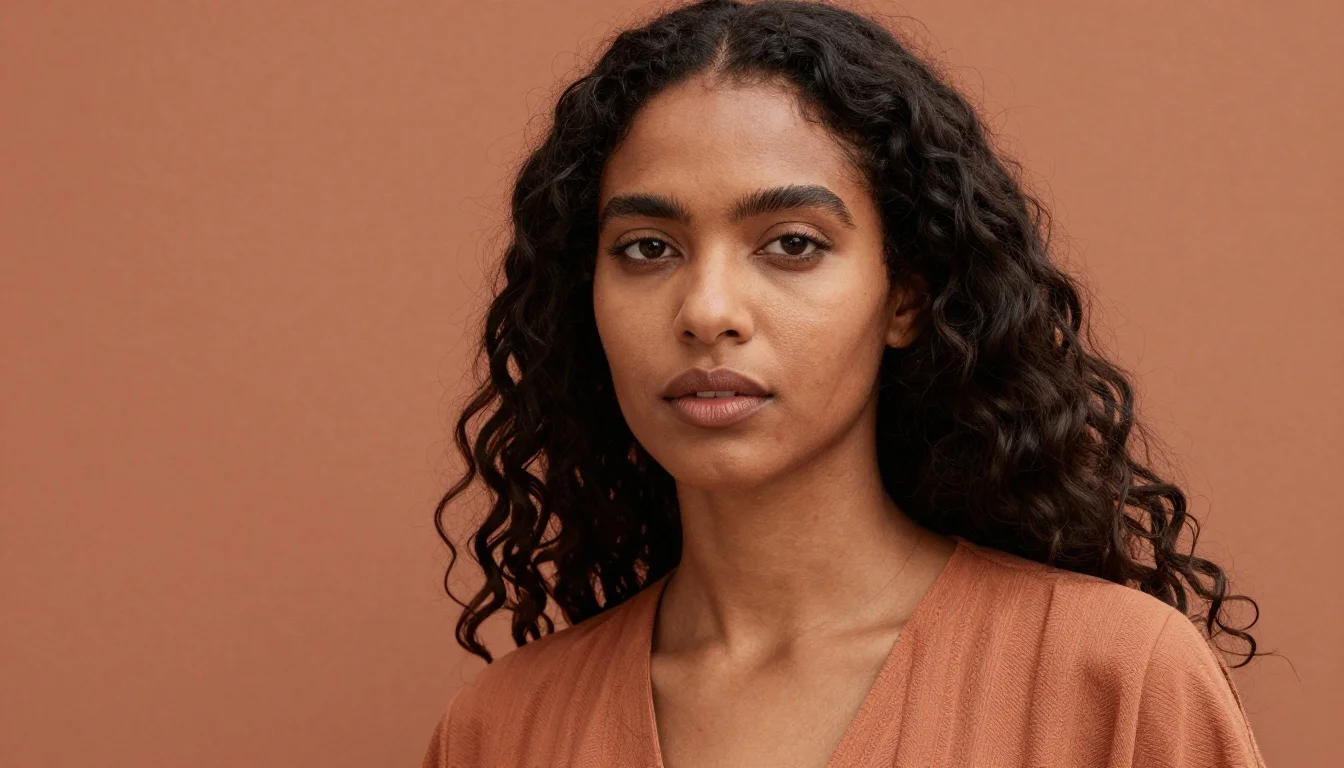
Start here if warmer shades suit you: terracotta and burnt sienna offer red-orange warmth, while cinnamon and camel make useful everyday options. If camel looks too yellow beside your face, compare it with a cooler taupe; if terracotta feels too orange, compare berry or plum. Keep the earth tones that work rather than treating the whole family as a requirement.

  • Teal
  • Aubergine
  • Deep coral
  • Burgundy

Rich Jewel Tones

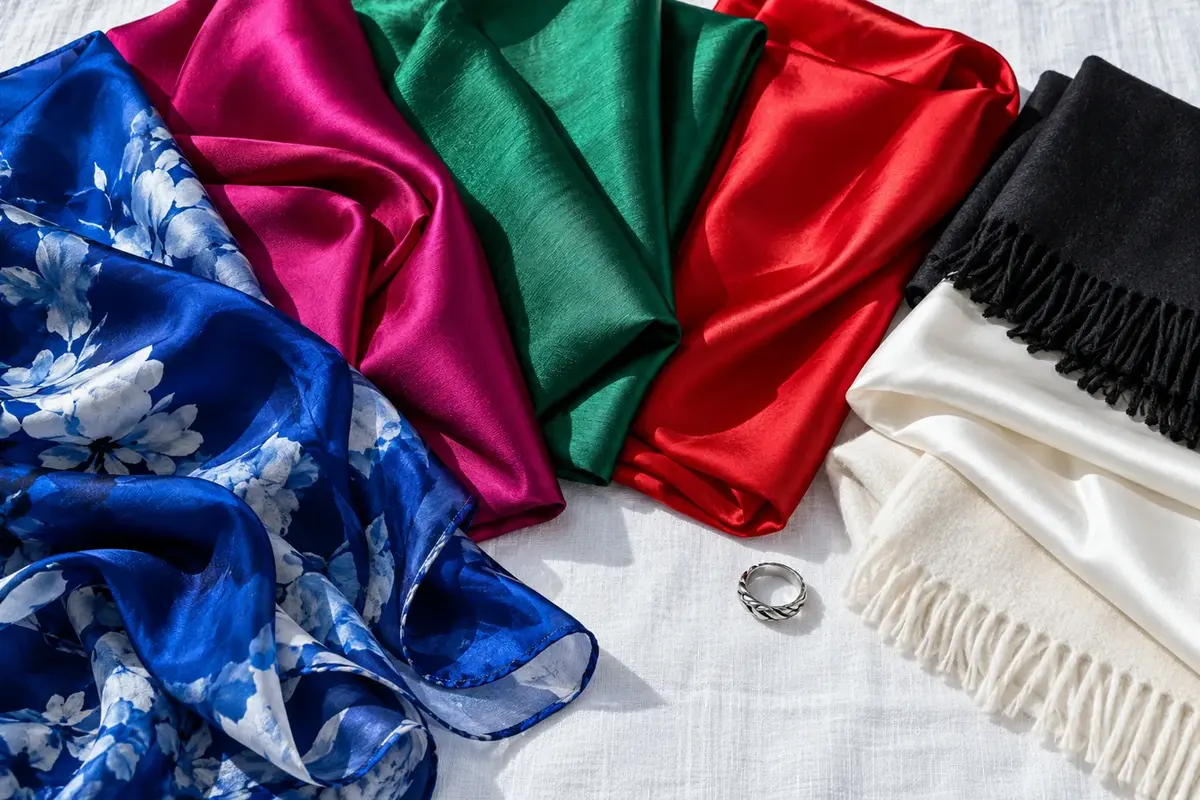
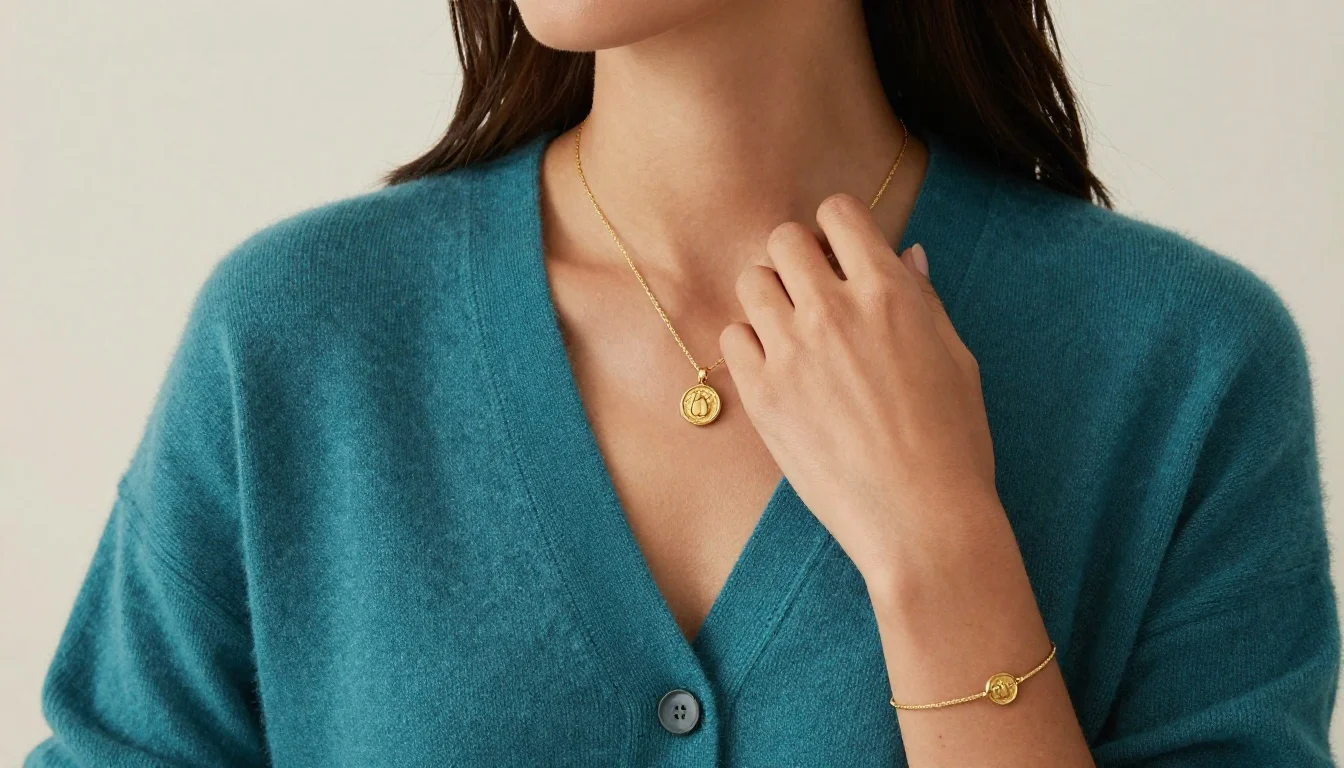
Teal, aubergine, deep coral, and burgundy offer different kinds of contrast. Cool olive coloring can start with bluer teal, plum, and berry burgundy; warm olive coloring can compare greener teal, coral, and red-brown burgundy. If the richest version overwhelms you, try a softer version of the same hue before rejecting it.

  • Ivory
  • Warm grey
  • Espresso
  • Bronze

Warm Neutrals

Ivory, warm grey, espresso, and bronze are starting points for a warmer neutral wardrobe. Cool olive coloring may prefer soft white, cool taupe, charcoal, or silver instead. Compare neutrals near your face before buying a coat or knitwear: a color that works as trousers can still feel less comfortable as a high neckline.

  • Forest green
  • Olive drab
  • Navy
  • Petrol blue

Deep Greens & Blues

Forest green, olive drab, navy, and petrol blue give you alternatives to black. Compare blue-leaning pine and navy with yellower olive and greener petrol blue. Navy is a useful option, but choose its depth deliberately: soft navy may be easier to wear than an almost-black shade if you prefer lower contrast.

Olive-Skin Clothing Palette by Depth

Use these rows as starting points, then compare warmer and cooler versions beside your face. Depth and undertone overlap: light olive skin can lean cool, warm, or neutral, just as deep olive skin can.

Olive depth

Light olive

Best clothing colors
Soft teal, berry rose, muted coral, eucalyptus
Best neutrals
Ivory, stone, soft navy
Use carefully
Very dark muddy brown

Olive depth

Medium olive

Best clothing colors
Terracotta, teal, aubergine, forest green
Best neutrals
Camel, espresso, warm navy
Use carefully
Mustard and chalky pink

Olive depth

Deep olive

Best clothing colors
Sapphire, magenta, rich teal, true red
Best neutrals
Cream, chocolate, charcoal navy
Use carefully
Pale icy colors without contrast

Olive depth

Cool olive

Best clothing colors
Berry, blue-red, pine, plum
Best neutrals
Cool taupe, charcoal, soft white
Use carefully
Orange camel and yellow-green

Olive depth

Warm olive

Best clothing colors
Coral, rust, petrol blue, warm teal
Best neutrals
Ivory, cognac, chocolate
Use carefully
Icy lavender and blue-grey

The rows are suggestions, not diagnoses or color bans. Use the clothing comparisons below to test temperature, depth, and saturation separately before choosing your palette.

Ready to see terracotta & sienna on your face?

Start my color analysis

How to Choose Clothing Colors for Your Olive Skin

How to wear best colors for olive skin: clothes & palette — pairing terracotta, burnt sienna, cinnamon near the face
  1. 1

    1. Compare warm and cool colors at the same depth

    In indirect daylight, compare a warm terracotta top with a cool berry top beneath your chin. Keep their depth and fabric texture similar; set aside a bright scarf or lipstick that could dominate the comparison. Notice whether one emphasizes shadows or unevenness, then repeat with ivory versus soft white. Consistently prefer warm shades? Start with the warm-olive row above. Prefer cool shades? Try the cool-olive row. Mixed results mean keep comparing; they do not automatically identify a season.

  2. 2

    2. Test depth and saturation separately

    Compare soft navy with deep navy, then muted teal with clearer teal. This helps separate a temperature mismatch from a shade that is too dark or intense. Light olive skin does not automatically need pastels; deep olive skin does not require every color to be bright. Try the same top with a light and a dark layer. Keep the contrast you prefer, then check it in the lighting where you will wear the piece.

  3. 3

    3. Build a cool, warm, or neutral olive palette

    Choose one light neutral, one dark neutral, and two accents. A cool-olive example is soft white, soft navy, berry, and blue-leaning teal; a warm-olive example is ivory, espresso, terracotta, and greener teal. For neutral olive, start with stone and navy, then compare warm coral with cooler plum. Test each accent beside both neutrals and keep the combinations you would wear together. Refine this small palette before buying all sixteen suggested shades.

  4. 4

    Tops & Knitwear

    Keep your strongest colors near your face. Compare a teal cashmere sweater with a burnt sienna silk blouse: choose a bluer teal if orange warmth feels distracting, or the sienna if earthy warmth works better. An ivory linen tee is a warm option; soft white gives cool olive coloring another starting point.

  5. 5

    Outerwear

    Compare your standard black coat with warm camel, chocolate brown, or soft navy before replacing it. A burgundy leather jacket or forest green trench offers another option. Keep black if you like the definition it gives; a scarf in a tested accent color can change the effect without buying a new coat.

  6. 6

    Makeup

    If you wear makeup, compare bronze or copper with taupe or plum instead of assuming warm shades always win. Warm berry and terracotta-rose lips, peach blush, or cooler rose shades can each suit different olive coloring. Judge the complete look in the same lighting, and use a foundation shade match rather than clothing colors to choose your base.

  7. 7

    Accessories & Jewelry

    Compare gold and rose gold with silver beside your face; olive skin does not require one metal. For scarves and bags, burgundy, deep teal, and cognac can repeat your chosen accents. Keep a less flattering favorite color in a bag, belt, or shoe if you prefer it away from your face.

Find your exact olive palette

Olive skin can sit in several seasonal families. Use the free color analysis quiz to combine undertone, depth, eyes, hair, and contrast.

Colors to Compare Before You Rule Them Out

Mustard yellow

Mustard can emphasize a yellow-green cast on some olive complexions, while warmer olive coloring may enjoy it. Compare it with terracotta or cinnamon near your face. If mustard feels distracting as a top, try it as an accessory rather than banning yellow altogether.

Stark white

Bright white can feel too stark if you prefer softer contrast. Compare it with ivory, cream, and soft white. Cooler or higher-contrast olive coloring may prefer white to yellowish cream; choose by the comparison rather than the olive label.

Neon or electric shades

Neon pink, electric blue, and highlighter green can dominate a softer palette. If a bright shade is all you notice, compare a muted or deeper version. Clearer, higher-contrast coloring may still enjoy vivid colors, especially as a small accent.

Cool pastel pink

A very pale, chalky pink can look weak beside olive coloring. Compare a deeper berry rose if you lean cool, or a warmer dusty rose if you lean warm. The issue may be the shade's depth or softness rather than pink itself.

Stop guessing — preview every shade on you

See myself in my colors

Your Wardrobe, Upgraded

Try these comparisons if the original shade feels too stark, pale, or intense. Keep it when it already works for you.

Everyday tee

Bright white
Ivory or warm cream

Try the warmer white if bright white feels stark; compare soft white instead if cream looks yellow beside your face.

Work blouse

Cool pastel blue
Petrol blue or deep teal

Try more depth if the pastel looks washed out. Cooler olive coloring can keep a blue-leaning teal; warmer coloring can compare greener petrol blue.

Summer dress

Lemon yellow
Terracotta or warm coral

Compare red-orange warmth if lemon yellow emphasizes a yellow cast. If coral feels too orange, try a cooler rose rather than forcing warmth.

Evening outfit

Pale pink dress
Aubergine or deep plum

Try more depth if the pale pink feels weak. Plum offers a cooler option, while aubergine can provide a softer, deeper alternative.

Casual layers

Light grey hoodie
Warm grey or olive green

Try a warmer grey or olive if cool grey feels flat. Keep cool grey when it works, or compare charcoal if the issue is insufficient depth.

Winter coat

Black puffer
Espresso brown or forest green

Try a different dark neutral if black feels too heavy. Keep black if its contrast suits you; espresso and forest green are alternatives, not mandatory replacements.

Which Palette Might Be Yours?

Olive skin can occur across seasonal palettes. These three are examples to explore, not the only possible matches. Compare temperature, depth, and contrast together; neither a greenish cast nor hair and eye color alone establishes your season.

Warm Autumn

Warm Autumn

Explore Warm Autumn if warm earth tones consistently suit you better than cool berries and blues. Golden-looking olive skin, brown hair, or hazel eyes can offer clues, but the clothing comparisons matter more than any single feature.

Learn more
Deep Autumn

Deep Autumn

Explore Deep Autumn if deeper, warmer combinations work better than lighter or cooler ones. Dark hair and eyes can make this worth comparing, but dark features and olive skin alone do not determine an Autumn result.

Learn more
Deep Winter

Deep Winter

Explore Deep Winter if cool jewel tones and stronger light-dark contrast work better than warm earth tones. A greyish cast alone is not enough to identify the season; compare the full palette before settling on it.

Learn more

Find Your Exact Colors

Olive skin is one of the most nuanced complexions to dress for — and that's actually a strength. Once you know your precise palette, shopping becomes effortless. A personalized color analysis takes your unique combination of skin, hair, and eyes into account to give you a palette that's unmistakably yours.

Stop guessing — preview every color on you

Preview Yourself In Your Palette

Get my personalized palette

Want to see these colors on you? What Colors Look Good on Me

Frequently Asked Questions About Best Colors for Olive Skin Tone

What colors look best on olive skin?

Teal, aubergine, burgundy, forest green, and navy are useful starting points. Warm olive coloring can compare terracotta, burnt sienna, ivory, and espresso; cool olive coloring can compare berry, plum, soft white, and charcoal. Adjust the depth and saturation near your face rather than assuming all olive skin needs warm colors.

Should olive skin tones wear white?

Yes. Compare bright white, soft white, and ivory beside your face. Ivory or cream may suit warmer coloring, while cool or higher-contrast olive coloring may prefer a cleaner white. Keep the version you enjoy instead of treating white as universally unflattering.

What colors should olive skin avoid?

There is no universal avoid list. Mustard, neon shades, chalky pastel pink, or stark white may feel too yellow, intense, pale, or high-contrast for some olive coloring. Compare a warmer or cooler version and a different depth before rejecting the whole color family.

Is olive skin warm or cool toned?

Olive skin can lean warm, cool, or neutral. A greenish or green-gold cast does not automatically mean warm clothing will suit you. Compare similarly deep warm and cool shades in indirect daylight, then consider depth and saturation separately. Mixed results need more comparison rather than an automatic Autumn label.

What makeup colors suit olive skin best?

Compare warm bronze, copper, peach, and terracotta-rose with cooler taupe, plum, rose, and berry shades. Different olive coloring can suit either direction. Test the overall look in consistent lighting, and match foundation directly to your skin rather than using a clothing palette as a shade match.

Can olive skin wear pastels?

Yes. Try soft teal, dusty rose, muted coral, or a cooler berry pink and compare their depth and softness. If a chalky pastel feels weak, a slightly deeper version may work better. Cool pastels are not automatically wrong for olive skin.

What is the best color palette for olive skin tone?

Build from one light neutral, one dark neutral, and two accents that you have compared near your face. A warm-olive example is ivory, espresso, terracotta, and greener teal; a cool-olive example is soft white, soft navy, berry, and blue-leaning teal. Adjust each shade to your contrast and preferences instead of buying a single universal olive palette.

What clothing colors look best on olive skin?

Start by comparing teal, terracotta, burgundy, forest green, and navy in tops or scarves. Keep warmer versions if they work better, or compare bluer teal, berry, and soft white for cooler olive coloring. Black and white can stay when their contrast suits you; espresso and ivory are alternatives rather than compulsory swaps.