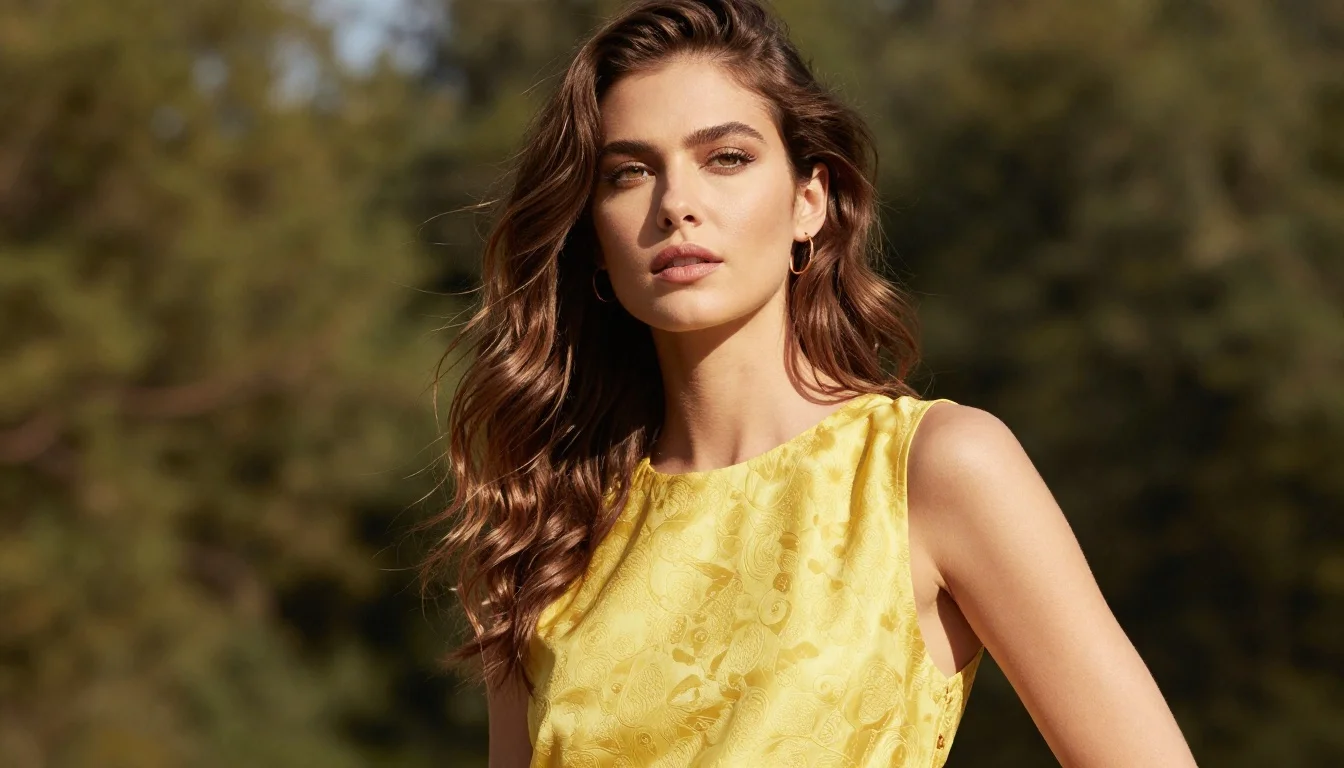
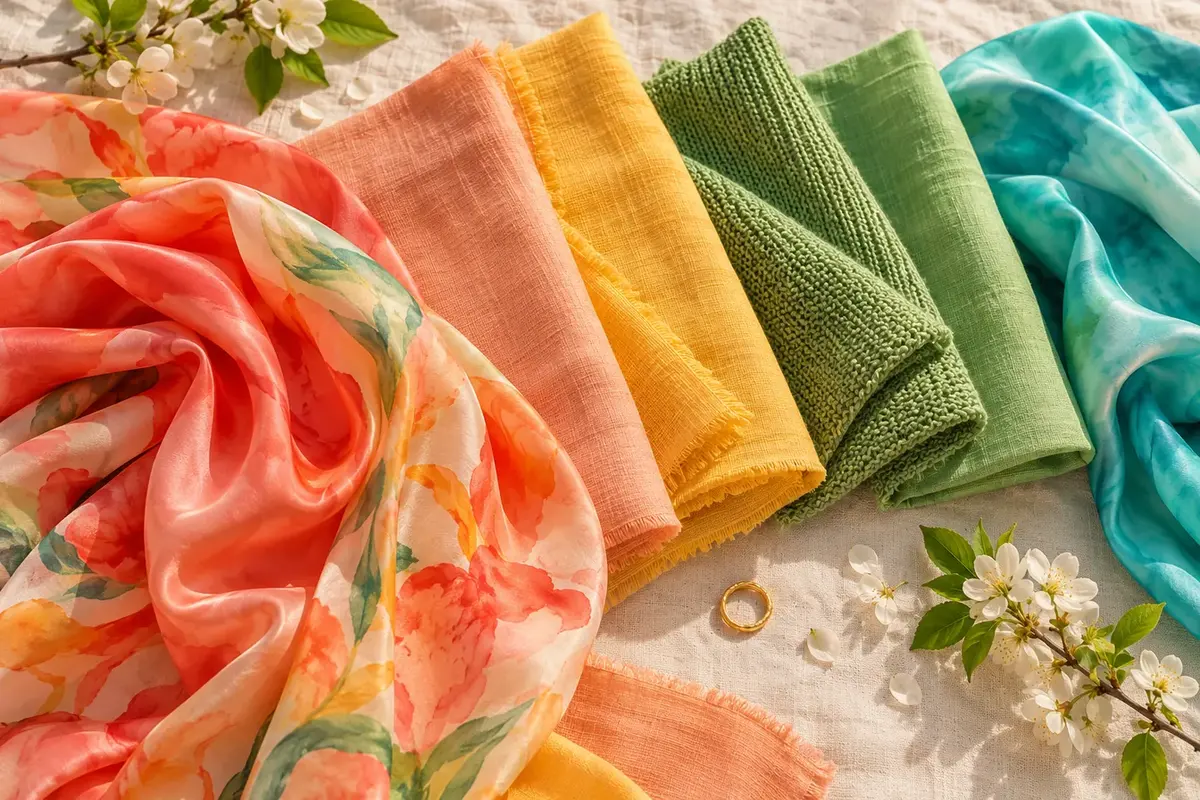
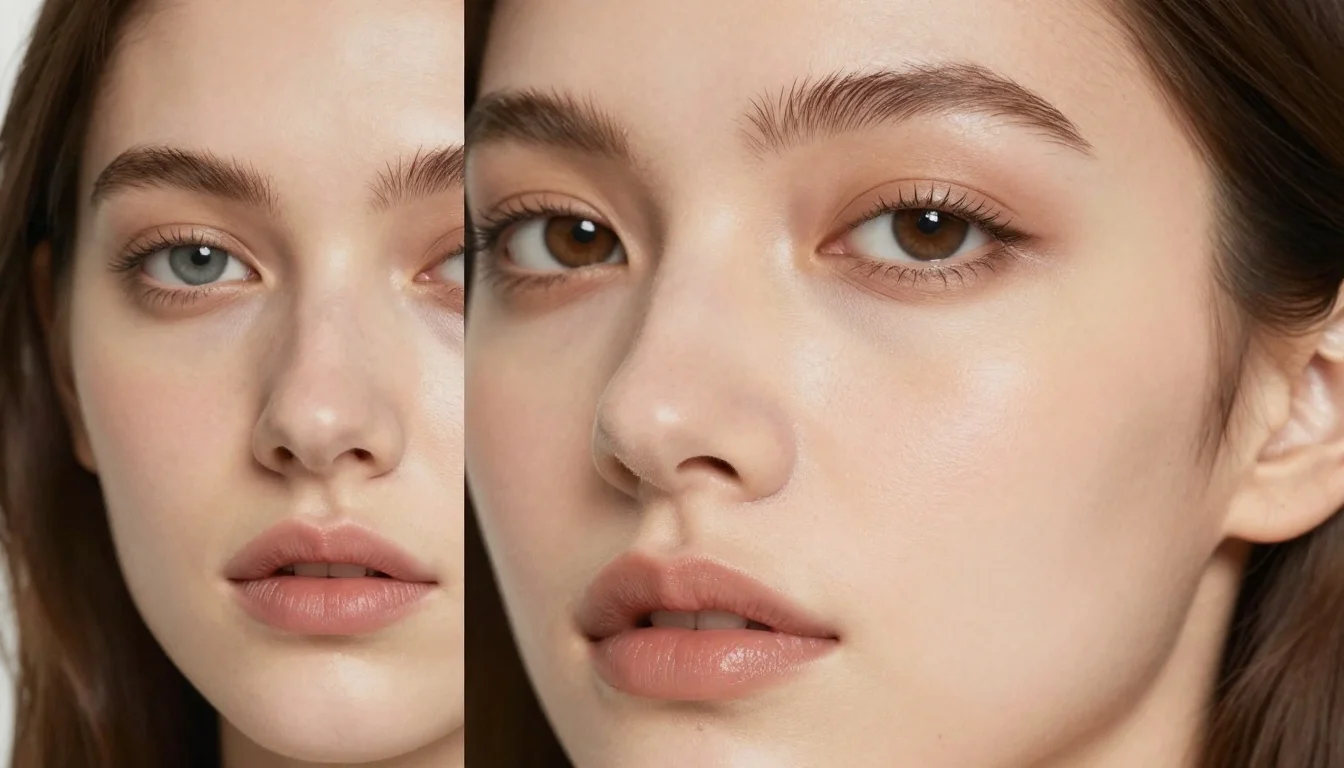
Yellow is the colour most people believe they cannot wear — and most of the time, they are just wearing the wrong yellow. Yellow spans an enormous range: warm golden yellow, cool lemon, rich mustard, soft butter, vivid sunflower, and earthy ochre. Each version flatters different coloring. The mistake is treating yellow as one colour when it is actually a family of very different shades with very different rules. Warm undertones have the widest access to yellow. Cool undertones can wear it in specific forms. Everyone has a yellow. You just need to find yours.
Yellow sits on the warm side of the spectrum, which gives it a natural affinity for warm undertones. But unlike orange, yellow has a cooler variant: lemon yellow, which has enough green-cool quality to work on some cool complexions. This makes yellow more versatile than orange — but also more confusing, because the wrong temperature of yellow on the wrong skin creates one of the most unflattering effects in colour. Warm yellow on cool skin can make the skin look sallow. Cool lemon on warm skin can look harsh and greenish.
Saturation is the second critical variable. Vivid, saturated yellows — bright sunflower, electric yellow — are only flattering on high-contrast, clear coloring. Bright Spring, Bright Winter, and deep skin tones with warm undertones can carry vivid yellow. Muted coloring needs muted yellow: mustard, ochre, soft gold, warm sand. These toned-down yellows work because they match the low saturation of the complexion. Wearing vivid yellow on muted skin makes the person disappear behind the colour.
Depth matters too. Deep, rich yellows (gold, amber-yellow, dark marigold) suit medium-to-deep skin with warm undertones. Pale yellows (butter, soft primrose, light golden) suit fair-to-medium warm skin. Very pale yellow on deep skin lacks contrast. Very deep gold on fair skin can look heavy. The principle is consistent across all colours: match the depth of the yellow to the depth of your coloring.