Best Colors forHigh Contrast Coloring
High contrast coloring — pale skin with dark hair, or vivid eyes against deep skin — demands colors that. Discover which shades flatter you most — and which to skip.
High contrast coloring means your features — skin, hair, eyes — exist in sharp distinction to each other. That contrast is a defining quality, not a styling challenge. The colors that look best on you match its intensity. Muted, soft, or mid-range shades consistently underperform because they don't meet your coloring where it lives.


3,000+
happy clients
Why High Contrast Coloring Has Its Own Color Rules
High contrast coloring means your features — skin, hair, eyes — exist in sharp distinction to each other. That contrast is a defining quality, not a styling challenge. The colors that look best on you match its intensity. Muted, soft, or mid-range shades consistently underperform because they don't meet your coloring where it lives.
High contrast coloring describes people with a strong degree of difference between their lightest and darkest natural features. The clearest example: very pale skin alongside very dark hair or eyes. But high contrast also describes deep skin tones with vivid eye color, or any combination where the features create a striking visual contrast rather than a soft, blended whole.
The optical principle here is simple. Your coloring already reads as bold. When you wear colors that are soft, muted, or mid-toned, the contrast between those colors and your own features makes the clothing look dull — not you. Your face wins, but your outfit looks like it's trying to disappear. High contrast people consistently look most powerful in colors that have either high saturation, deep richness, or strong contrast within the outfit itself.
The most common mistake with high contrast coloring isn't going too bold — it's reflexively playing it safe. Dusty pastels, washed-out neutrals, and muddy mid-tones all look flat against high contrast features. Your coloring has inherent drama. The goal isn't to tone it down — it's to choose clothes that live at the same level of visual intensity.
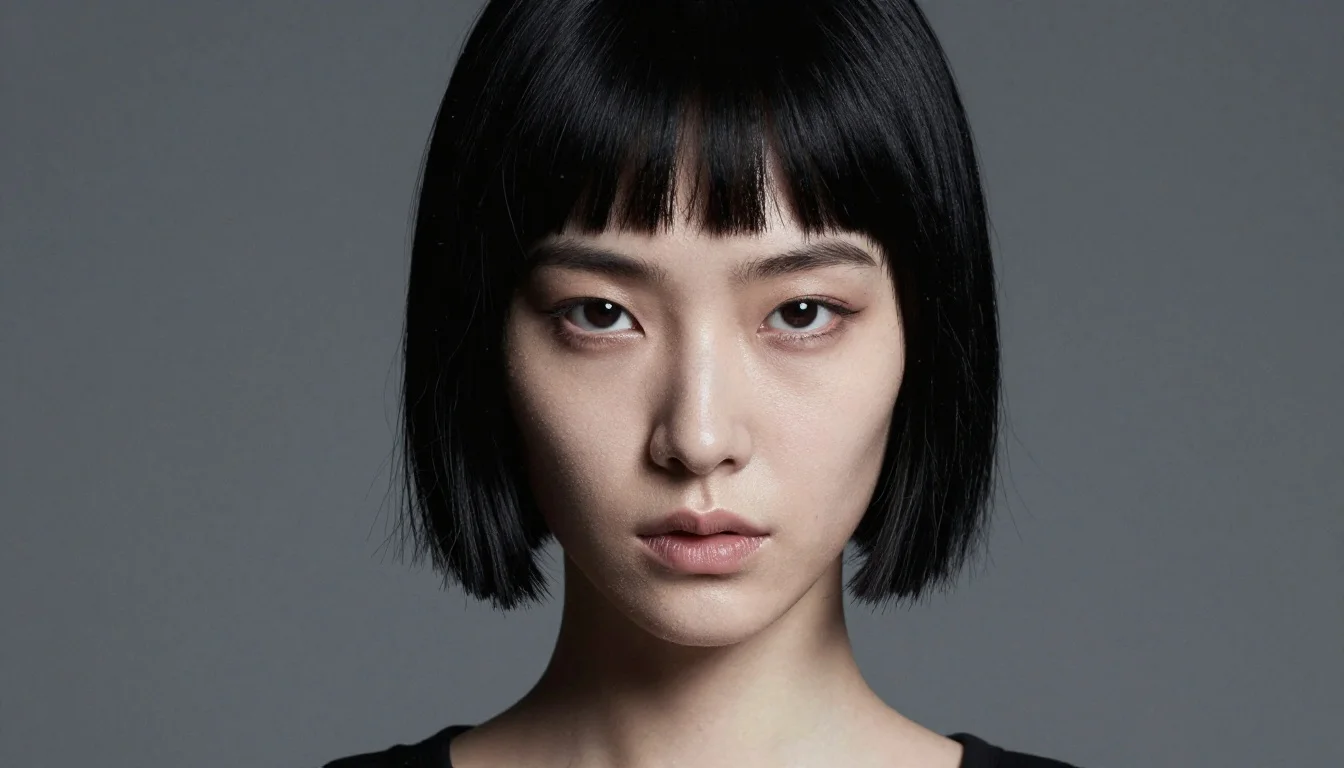
What is high contrast coloring?
High contrast coloring means your natural features — typically hair, skin, and eyes — have a strong degree of visual difference between them. The clearest example is very pale or fair skin alongside very dark hair and vivid eyes. But high contrast also describes deep skin with bright eyes, or any coloring where the features create a striking contrast rather than a soft, blended appearance.
Your Most Flattering Color Families
Jewel Tones & Rich Saturates
Vivid jewel tones match the intensity of high contrast coloring and create a coherent visual statement. Sapphire blue is particularly powerful — it has enough depth and saturation to command the same attention as your features. True emerald next to striking eyes creates a resonance that softer greens can't achieve. These colors don't overpower you; they meet you at your level.
Clean Black & Pure White
Black and white are the ultimate high contrast combination — and high contrast people wear them better than anyone. Jet black near the face frames strong features with authority. Pure white or crisp ivory creates the maximum contrast against dark hair or vivid eyes, making your coloring look intentional and dramatic. The black-and-white combination in a single outfit is essentially your signature palette.
Deep Darks with Presence
Dark, rich neutrals give high contrast coloring the depth it needs without requiring a statement color. Midnight navy is the workhorse — it creates a dark, vivid frame with more visual interest than flat black. Deep forest green and inky plum both have the richness to hold their own against striking features. These are your everyday power neutrals.
Bold Brights & Vivid Accents
Vivid, pure brights look proportional on high contrast coloring where they can feel overwhelming on softer types. Flame red against pale skin and dark hair is one of the most striking combinations in colour dressing — the contrast echoes your own coloring's intensity. Cobalt and vivid teal both create the kind of high-saturation frame that makes high contrast features look intentional, not accidental.
Ready to see sapphire blue & emerald on your face?
Start my color analysisHow to Wear These Colors in Real Life
Building contrast into your outfit
You don't need to wear all-black or all-white to use contrast effectively. A deep navy blazer over a crisp white shirt is high contrast dressing that mirrors your coloring — and looks effortlessly put-together. Dark trousers with a vivid jewel-tone blouse creates the same dynamic. The principle: pair depth with lightness, or pair rich saturation with a clear neutral.
Making bold colors work at work
A deep sapphire silk blouse under a jet black blazer is your professional power formula. You can also work with rich jewel tones directly — an emerald blazer over a white shirt reads as polished and striking, not theatrical. Avoid the mid-range professional staples that drain high contrast coloring: light grey, dusty rose, and muted blush blazers all fight your coloring's natural intensity.
Using colour near your face
The single most impactful choice for high contrast people is what goes near your face. A vivid cobalt shirt or deep ruby turtleneck frames your features with colour that matches their drama. On days when you want to keep things simple, jet black or crisp white near the face are your most reliable choices — they create the contrast your features expect.
Evening and special occasions
High contrast coloring was made for evening. A deep ruby gown against pale skin and dark hair photographs dramatically. A vivid jewel-tone dress makes high contrast features look luminous under dim evening lighting. For a more understated evening look, a jet-black dress with white or metallic accents gives you the contrast without the colour commitment. Avoid champagne, nude, or blush evening looks — they flatten your coloring.
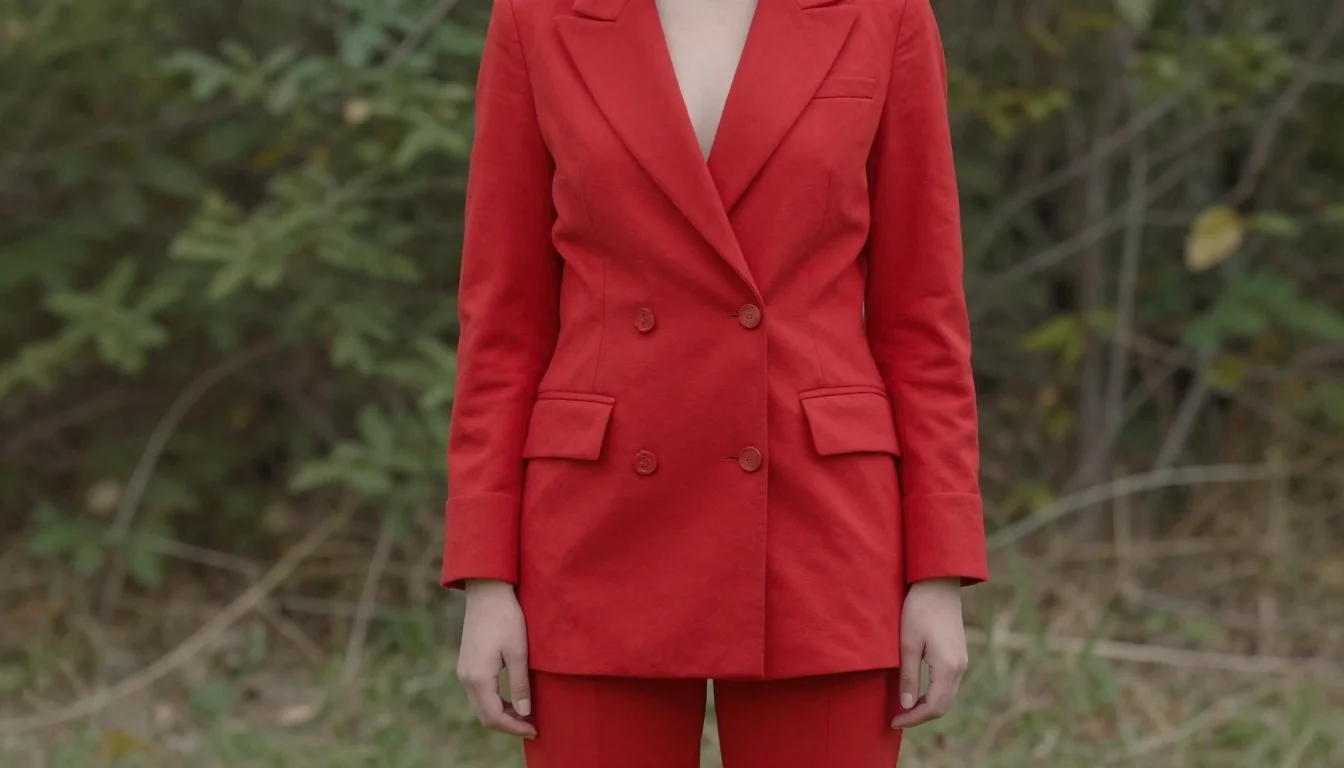
Colors That Dim High Contrast Coloring
Dusty and chalky pastels
Soft, desaturated pastels — powder blue, chalky lavender, faded blush — don't have enough visual weight to hold up next to high contrast features. The result is that your face looks strong and your clothes look tired. If you love pastels, choose icy versions with clarity (ice blue, sharp mint) rather than dusty or chalky ones.
Washed-out mid-tones
Medium-saturation, medium-depth colors — dusty olive, murky taupe, mid-grey — sit in the visual gap between your boldest features and pure neutrals. They're too pale to create contrast and not rich enough to harmonize. The result is a flat, undefined look where nothing has enough presence to anchor the outfit.
Warm, muddy earth tones
Dull, muddy warm tones — khaki, terracotta that's too muted, brownish-orange — absorb the drama of high contrast coloring rather than complementing it. If you have cool-toned high contrast coloring (pale skin, dark hair), warm muddy colours fight your undertone as well as your contrast level. Rich warm tones can work — but they must have depth and saturation, not muddiness.
Head-to-toe mid-tone monochrome
Wearing a single mid-toned colour head to toe — medium grey, camel, dusty mauve — creates a blurring effect that flattens high contrast features. Your coloring has natural contrast in it; your outfit needs some too. Total monochrome works in black or navy; it doesn't in medium-toned neutrals.
Stop guessing — preview every shade on you
See myself in my colorsYour Wardrobe, Upgraded
These swaps replace the mid-tone dimness with colors that match your coloring's intensity.
Light grey creates almost no contrast against high contrast features. Navy and black frame you with the depth your coloring needs.
Mid-tone beige sits in the colour gap where nothing happens. White creates maximum brightness; black creates maximum depth — both work.
Dusty mauve has neither the saturation nor the contrast to complement high contrast features. Ruby and cobalt have the richness to match.
Murky olive drains high contrast coloring. Rich forest green has depth that holds its own; black is always reliable.
Soft blush looks washed out against high contrast coloring. A vivid jewel tone creates the polished intensity your features demand.
Standard camel sits too close to the mid-tone zone that flattens high contrast coloring. Black and navy create the bold contrast you need.
Which Palette Might Be Yours?
High contrast coloring appears most frequently in the Winter seasonal family, where the defining quality is depth combined with clarity or brightness. Your specific season depends on whether your high contrast runs warm or cool, and how vivid or deep your features are.
Deep Winter
Learn moreIf your high contrast coloring is defined by very deep, dark features — near-black hair, dark eyes, and fair to medium skin — Deep Winter is the most likely match. Your palette includes the darkest, richest colors across cool and warm: ink black, deep navy, forest green, true red, and stark white. You carry more depth than any other type.
Cool Winter
Learn moreIf your high contrast coloring has a clear cool undertone — pale or fair skin with icy clarity, dark hair, and cool-toned eyes — Cool Winter fits closely. Your best colors are distinctly cool and high-contrast: icy pastels, pure jewel tones, clean black-and-white. Warm colors consistently look off against your natural palette.
Bright Winter
Learn moreIf your high contrast coloring is defined by vivid, bright clarity — eyes that stand out sharply, skin that's light and clear, with strong hair contrast — Bright Winter is worth exploring. Your palette emphasizes vividness alongside depth: electric cobalt, vivid teal, clear red, icy brights. Muted colors look dulled against your natural vibrancy.
Find Your Exact Colors
High contrast coloring puts you in a strong position — you have natural drama that most people can't manufacture. But knowing you have high contrast is just the starting point. A personalized color analysis identifies the specific season and palette that maps your exact combination of features, giving you a precise set of colors that make your coloring look striking every time you get dressed.
Stop guessing — preview every color on you
Preview Yourself In Your Palette
Get my personalized paletteStop guessing — preview every color on you
Preview Yourself In Your Palette
Related Guides for Best Colors for High Contrast Coloring
Explore more personalized color advice based on your features.
Want to see these colors on you? What Colors Look Good on Me — free to try.
Frequently Asked Questions About Best Colors for High Contrast Coloring
What is high contrast coloring?
High contrast coloring means your natural features — typically hair, skin, and eyes — have a strong degree of visual difference between them. The clearest example is very pale or fair skin alongside very dark hair and vivid eyes. But high contrast also describes deep skin with bright eyes, or any coloring where the features create a striking contrast rather than a soft, blended appearance.
What colors look best on high contrast coloring?
Deep jewel tones like sapphire, emerald, and ruby look spectacular on high contrast coloring. Clean black and white — both individually and combined — are natural choices that mirror the contrast in your features. Vivid brights like cobalt and flame red also perform well. The through-line is intensity: high contrast coloring needs colors with enough depth, saturation, or visual boldness to match its drama.
Can high contrast people wear pastels?
Soft, chalky pastels tend to look flat and dull against high contrast features — they don't have enough visual weight. Icy pastels with clarity (ice blue, sharp mint, icy lilac) work better because they have crispness rather than dustiness. The distinction is saturation and clarity, not just lightness.
What seasonal color type has high contrast coloring?
High contrast coloring appears most commonly in the Winter seasonal family — particularly Deep Winter, Cool Winter, and Bright Winter. These seasons all share a quality of depth and clarity that produces striking feature contrast. Deep Spring and Deep Autumn can also produce high contrast features, particularly when skin and hair are at opposite ends of the depth scale.
Should high contrast people avoid black?
No — black is one of the best colors for high contrast coloring. It frames strong features with depth and authority. The exception is if you have very warm-toned high contrast coloring (warm skin + dark hair), where very dark navy or deep forest green might look more harmonious than pure black. For cool-toned high contrast, black is almost always a strong choice.
What is the difference between high contrast and low contrast coloring?
High contrast coloring describes features with strong visual differences between them — pale skin with dark hair and vivid eyes, for example. Low contrast coloring describes features that are close in depth and saturation — soft blonde hair, light skin, and light eyes, or medium brown hair with medium skin and brown eyes. The color rules are almost opposite: high contrast people need vivid, bold, or strongly contrasting colors, while low contrast people look best in softer, more blended color combinations.