Outfit color matchercolors that work together
Choose one item in your outfit. Get an easy, tonal, or bold palette for the rest—then see whether the combination also belongs in your personal colors.
Free to use · no sign-up required





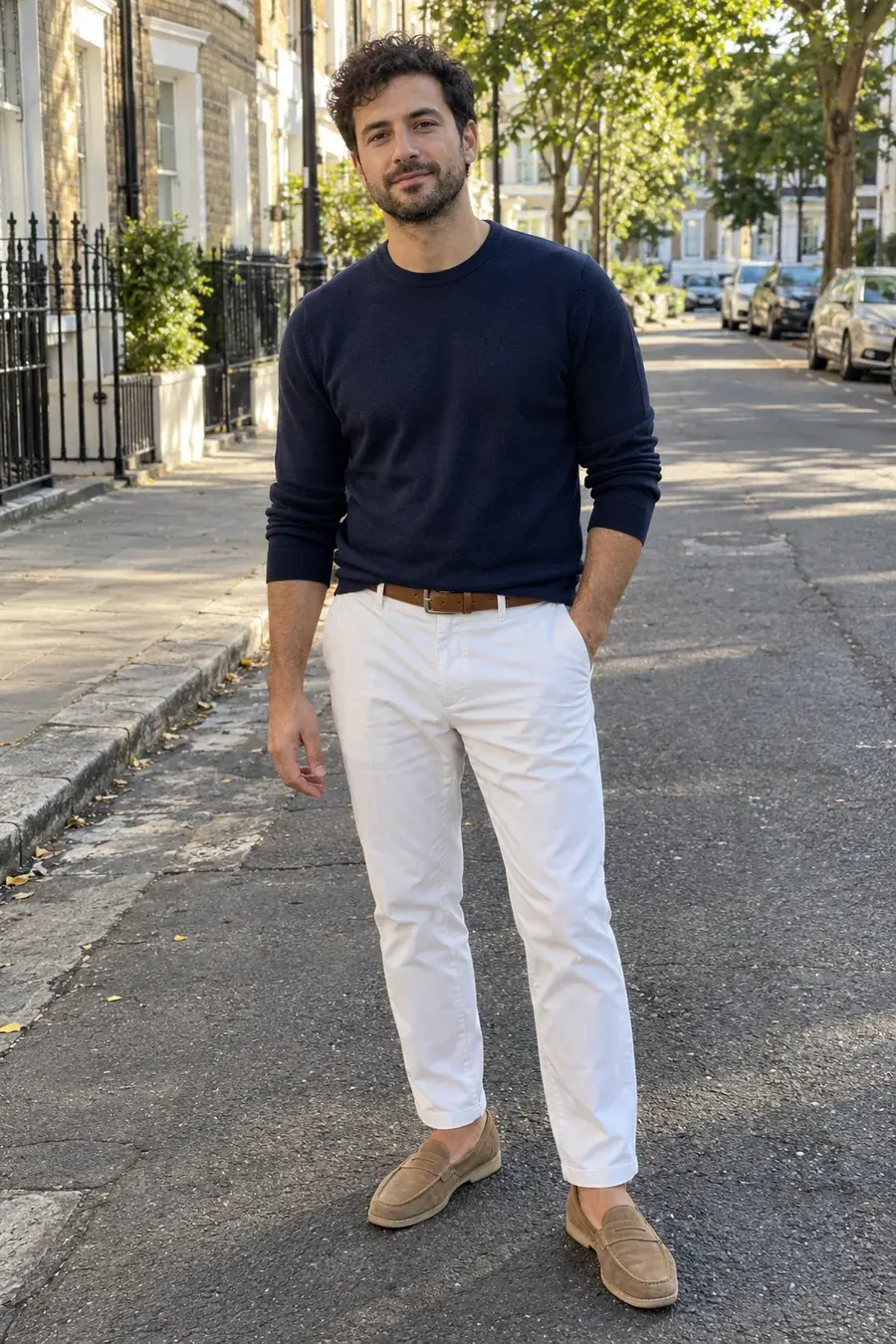
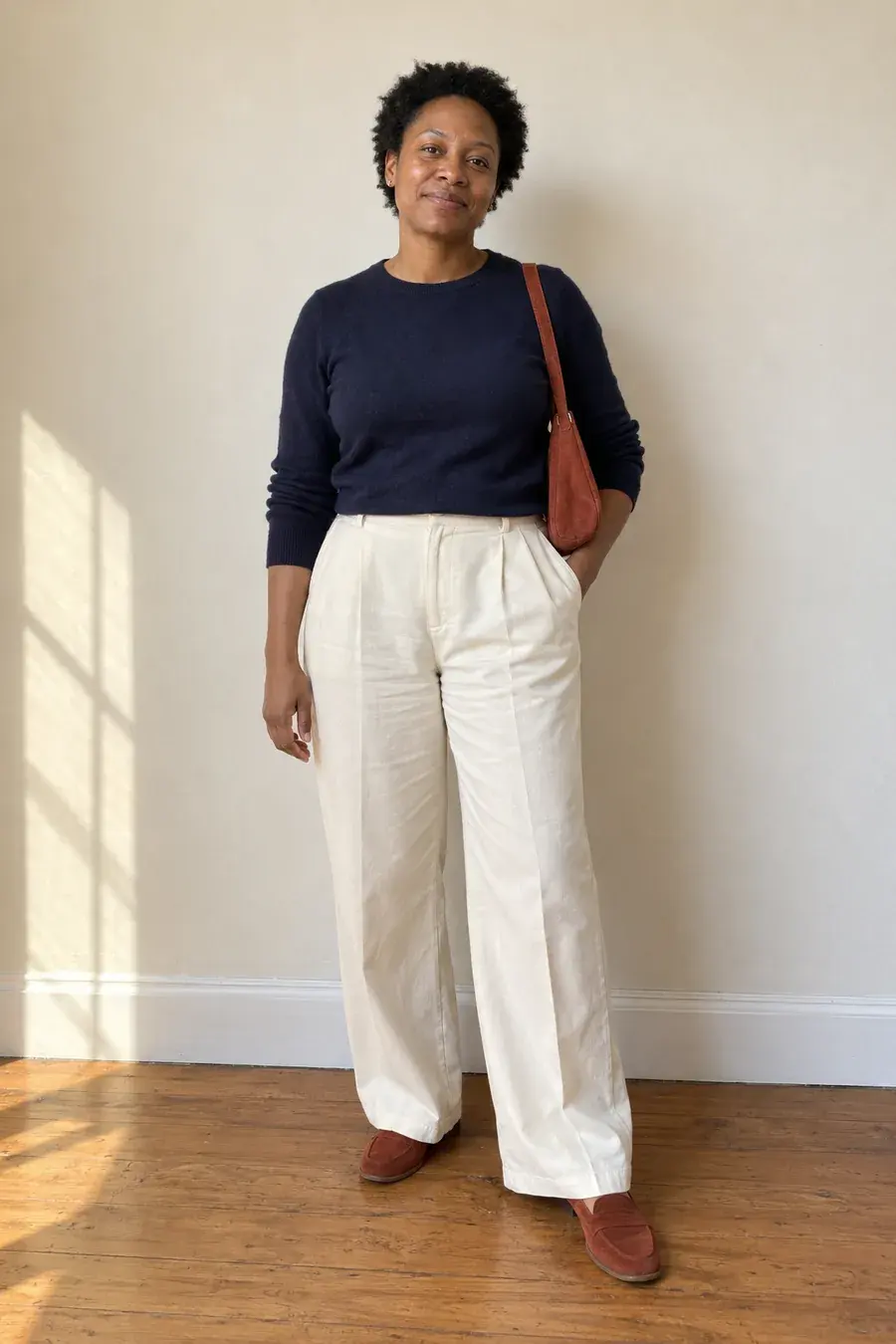
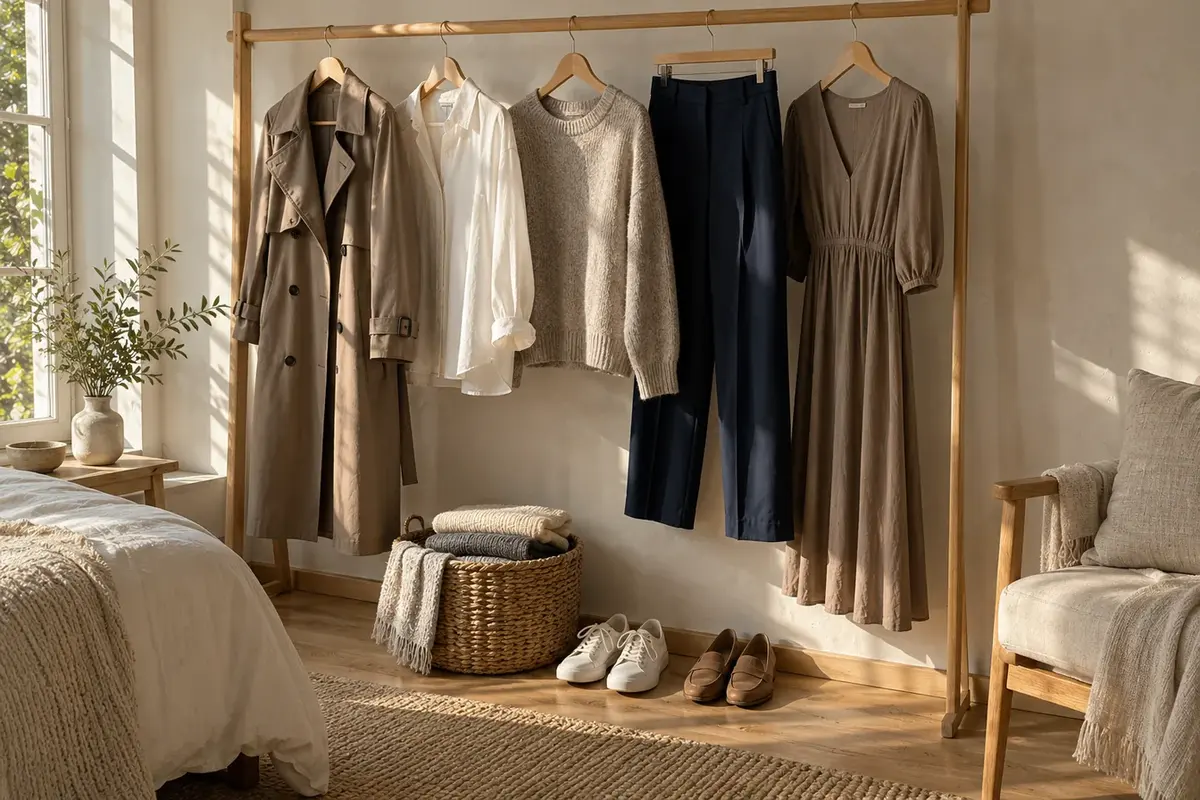
Outfit preview: Your top Navy, Bottom White, Jacket / layer Light blue, Accent Tan.
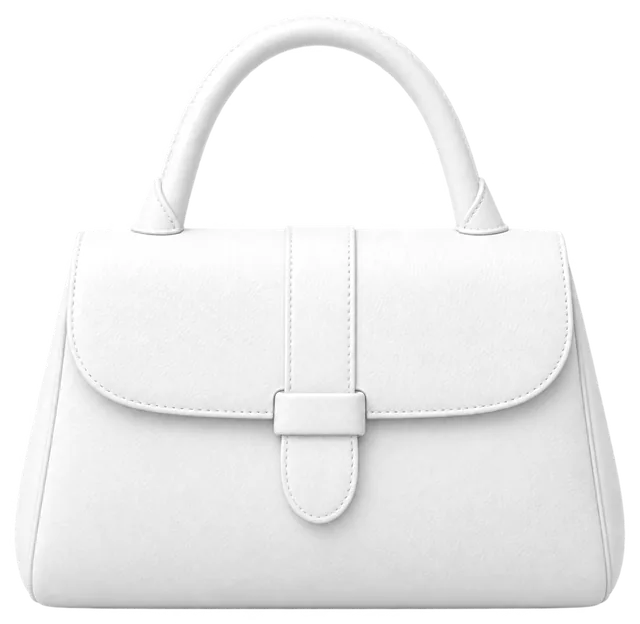
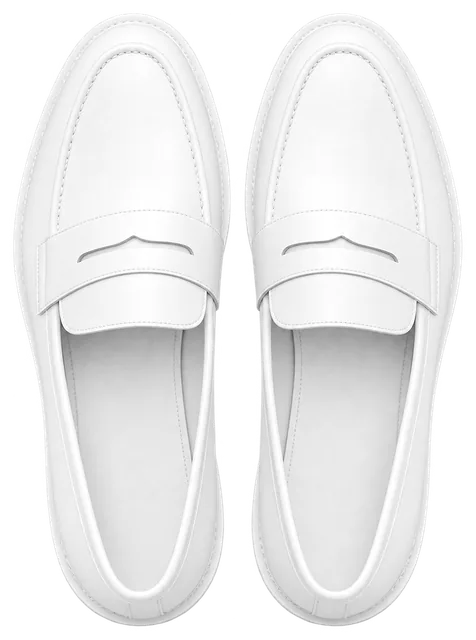
Your matched outfit
Tap a piece to swap
Navy easy & balanced
- Your topNavy
- BottomWhite
- Jacket / layerLight blue
- AccentTan
Why it works: one familiar neutral keeps the look grounded while the accent adds enough color to feel intentional. The loafers repeat the tan accent so the palette feels deliberate.
1. Choose the color you want to wear
2. Where is that color?
3. Pick the effect


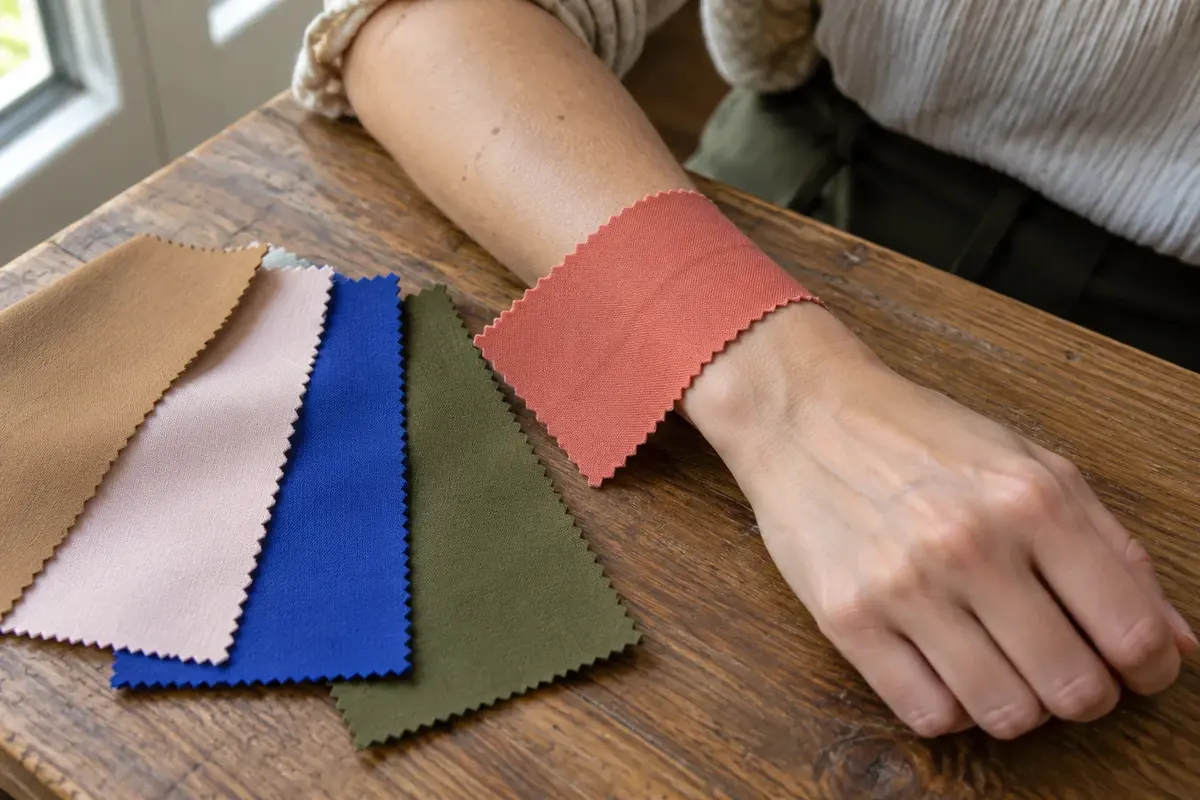
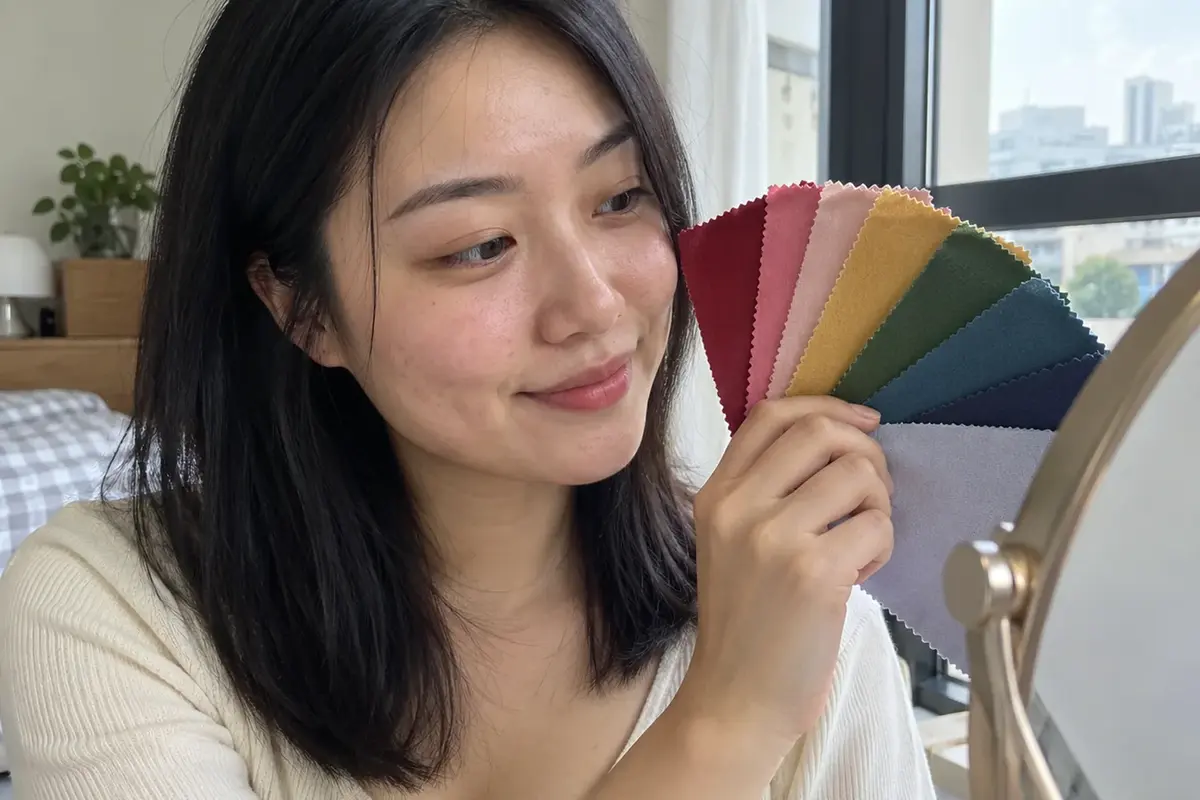
These colors match each other. Your personal palette confirms whether they also match your skin, hair, and eyes.
Build the outfit around one anchor color
Matching is easier when every color has a job. Choose the largest garment or the one closest to your face, then decide whether the outfit should blend or create contrast.
- 1
Choose the anchor
Start with the piece you already own or most want to wear.
- 2
Add a grounding neutral
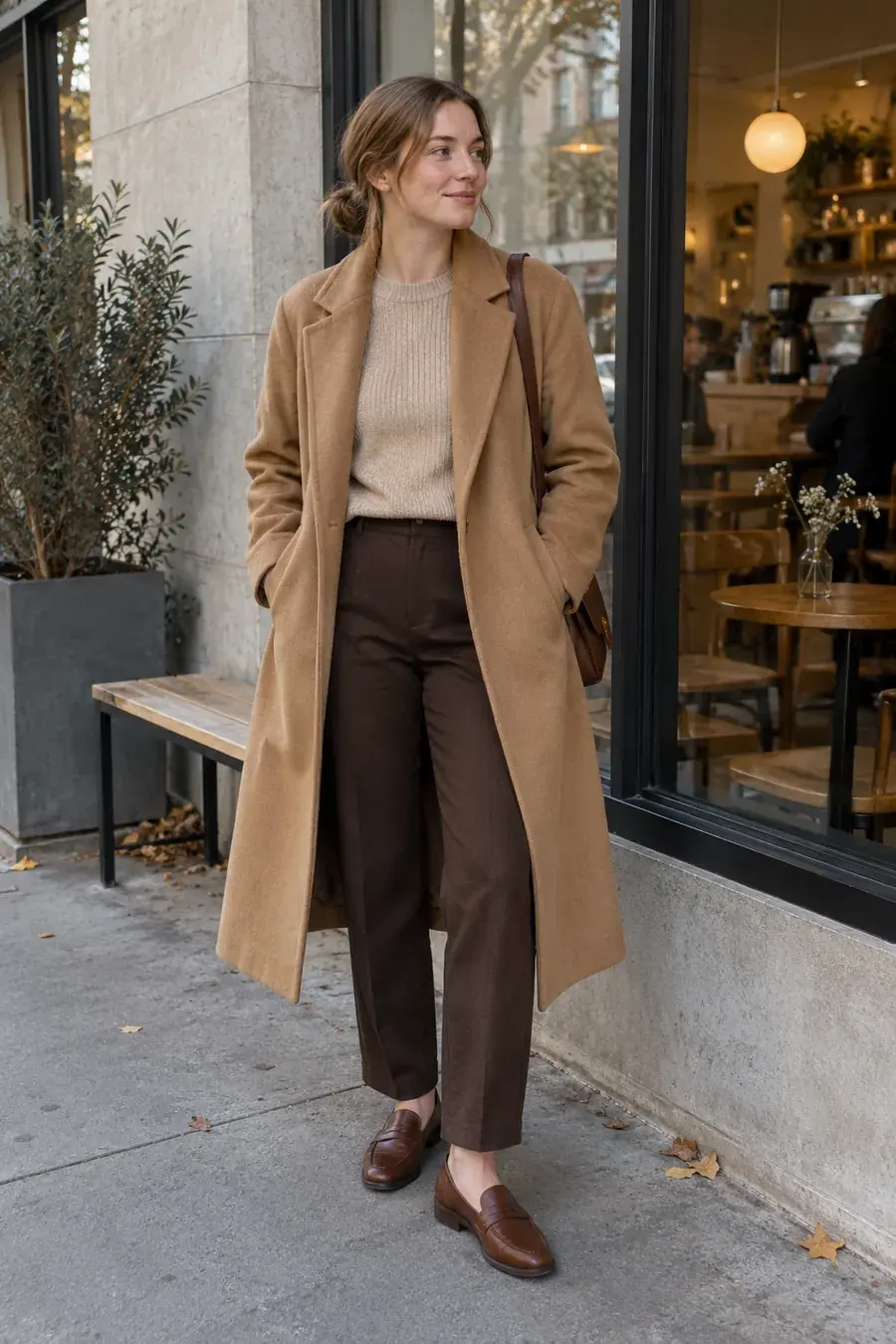
Navy, denim, charcoal, cream, camel, olive, and brown keep combinations wearable.
- 3
Choose one visual direction
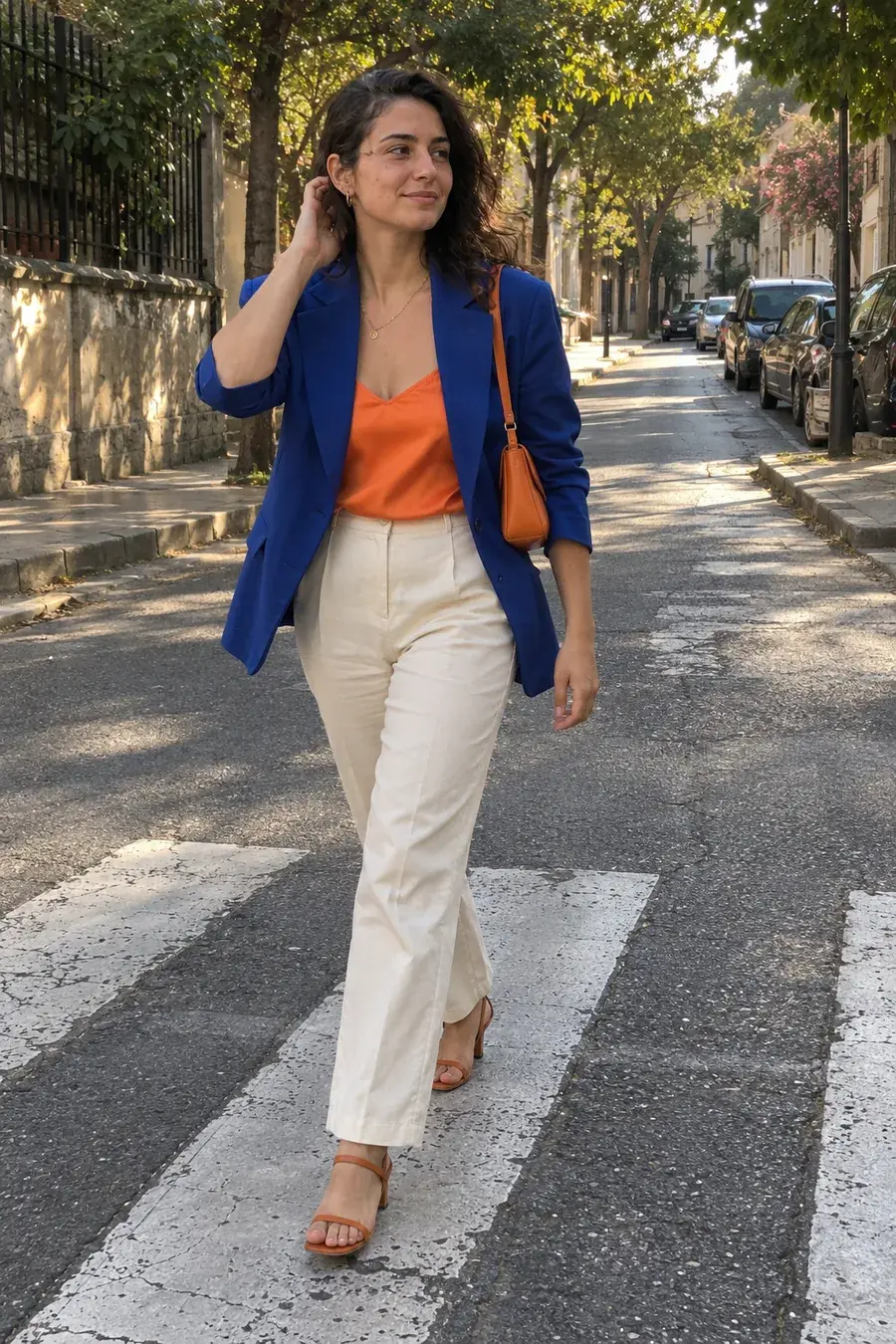
Use related colors for a tonal look or a complementary accent for more contrast.
- 4
Repeat one color once
Echo a shade in shoes, a belt, a bag, a tie, or jewelry to make the palette feel deliberate.
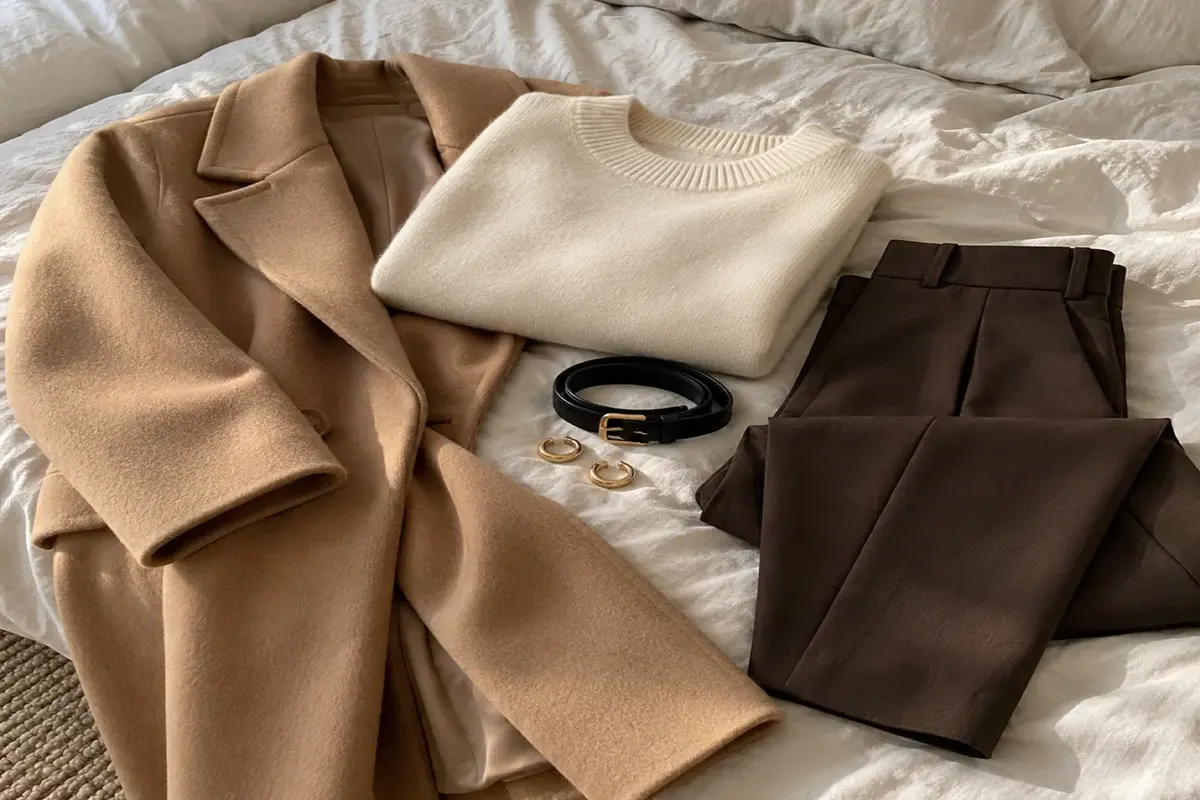
Outfit color combinations by base color
Use this as a quick reference. The matcher above expands these foundations across tops, bottoms, layers, and accents.
The outfit can match and still wash you out
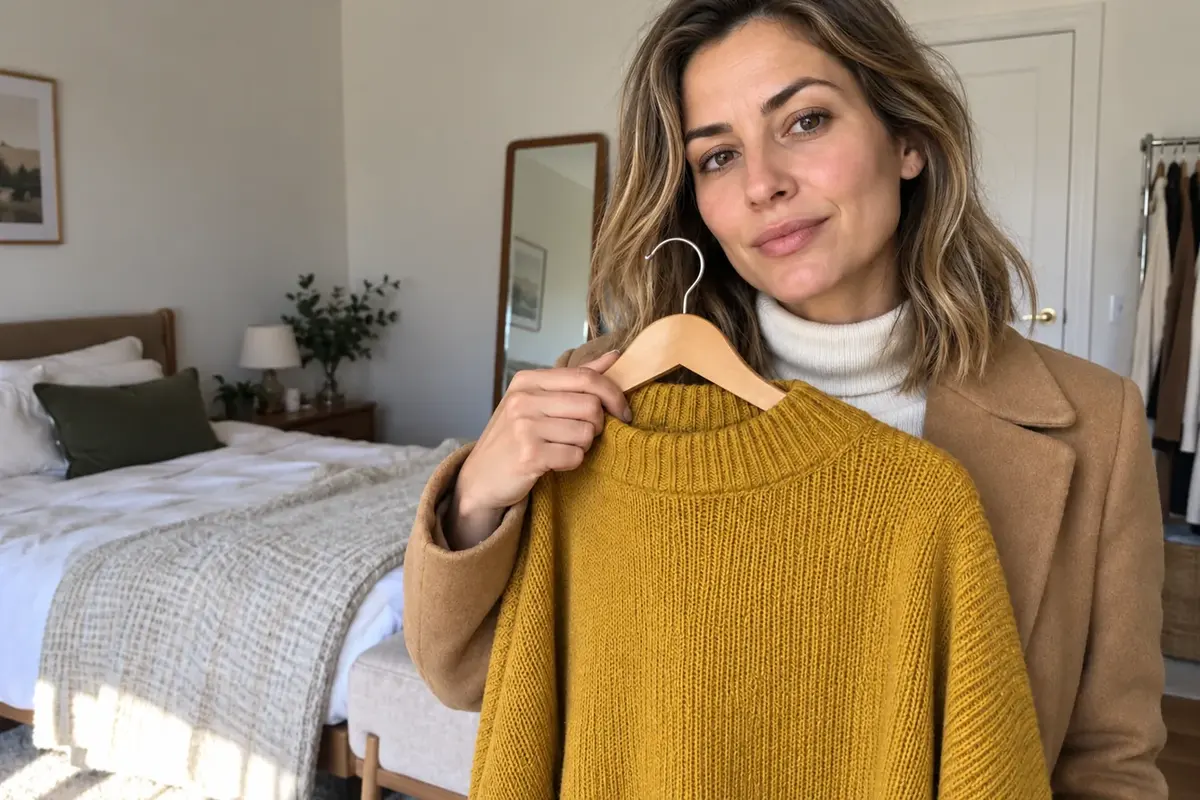
Color harmony explains why clothes look good together. Personal color analysis explains why those clothes look good on you. If a combination is too warm, cool, bright, muted, light, or deep, keep the difficult shade away from your face and move your best color into the top or jacket.
Match colors to my featuresOutfit color matching questions
How do I match colors for an outfit?
Start with the color of your largest or closest-to-face garment. Add one grounding neutral, one related supporting color, and one optional accent. Repeating one color in a smaller detail—such as shoes, a bag, a tie, or jewelry—makes the outfit feel deliberate rather than random.
What are the easiest clothing colors to match?
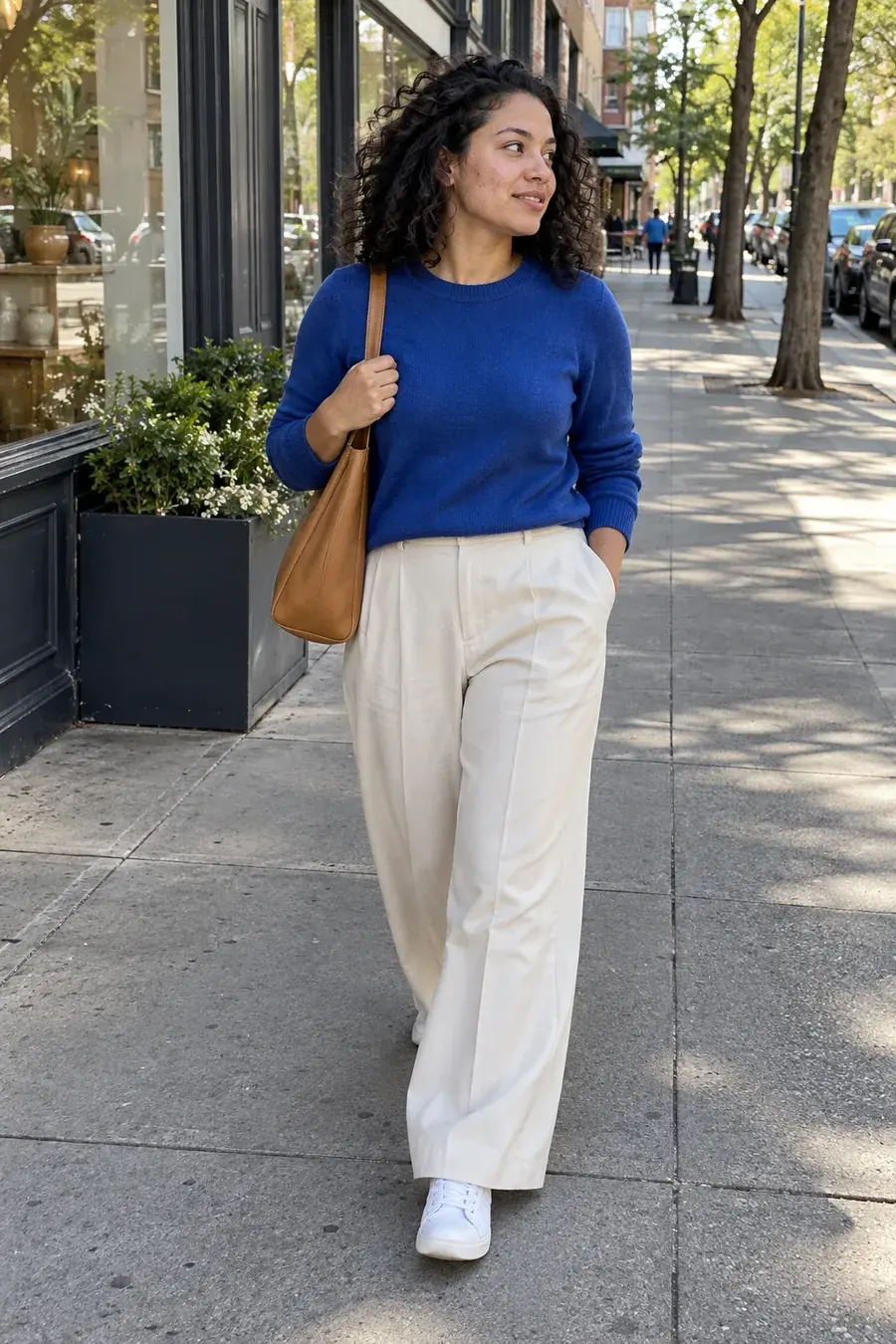
Navy, denim, white, cream, charcoal, camel, chocolate brown, and olive are the easiest wardrobe colors to combine. They work as visual anchors and can support clearer accents such as burgundy, cobalt, coral, emerald, or mustard.
Should my top and bottom be the same color?
They can be. A tonal outfit uses lighter and darker versions of one color family and often looks polished. If the shades are very close but not identical, separate them with a different texture or a clear neutral layer so the combination looks intentional.
What is the 60-30-10 rule for outfits?
The 60-30-10 rule uses one dominant color for roughly 60 percent of the outfit, a supporting color for 30 percent, and an accent for 10 percent. It is a helpful starting point, not a strict measurement—especially when prints, denim, or skin and hair already add visual color.
Do matching outfit colors also flatter my skin tone?
Not automatically. Two clothing colors can harmonize with each other but still be too warm, cool, bright, muted, light, or deep for your natural coloring. Keep the most flattering color closest to your face, then use harder-to-wear colors in trousers, shoes, bags, or smaller accents.
Is this outfit color matcher free?
Yes. You can create as many clothing color combinations as you like without signing up. If you want to know which of those combinations also suits your skin, hair, and eyes, Palette Hunt can create a personalized color analysis from your photos.

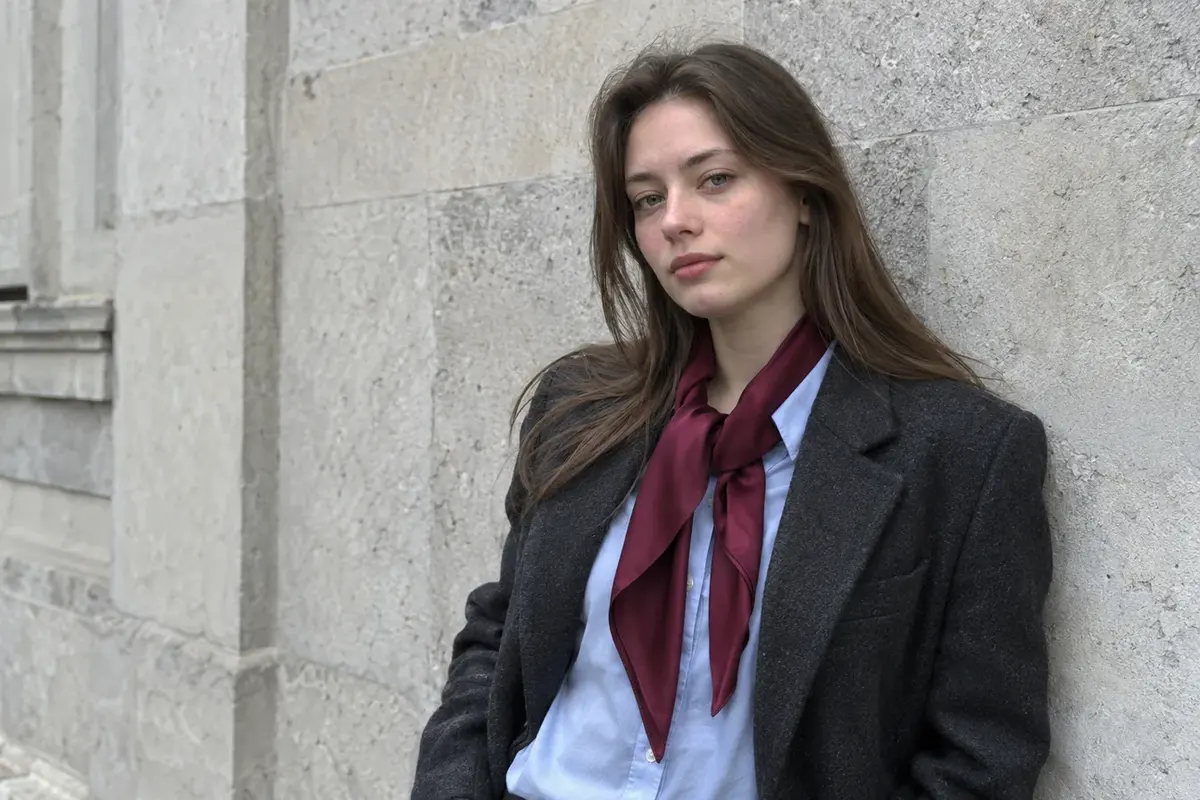

Meet the colors made for you
Your personalized color analysis in minutes — then see yourself in every look on your real face. One-time payment, no subscription.
Meet the colors made for you
Your personalized color analysis in minutes — then see yourself in every look on your real face. One-time payment, no subscription.