How to Color Block forPale Skin
Pale skin is an exceptional canvas for color blocking. Discover how to wear them confidently — matched to your undertone.
Pale skin is an exceptional canvas for color blocking. The natural light depth of a pale complexion means that color blocks stand out vividly against it — creating a striking, high-impact look. The key for pale skin is contrast: two blocks that provide definition against the skin and against each other. Done right, color blocking transforms pale skin from potentially flat to undeniably polished.


3,000+
happy clients
Why Pale Skin Excels at Color Blocking
Pale skin is an exceptional canvas for color blocking. The natural light depth of a pale complexion means that color blocks stand out vividly against it — creating a striking, high-impact look. The key for pale skin is contrast: two blocks that provide definition against the skin and against each other. Done right, color blocking transforms pale skin from potentially flat to undeniably polished.
The challenge with pale skin is avoiding the "washed out" effect — where colors blend into the skin and lose definition. Color blocking, by definition, creates definition: two or more distinct color areas that stand apart from each other and from the skin. This makes color blocking one of the most effective styling techniques for pale complexions.
The contrast factor is key. Pale skin provides a light-toned canvas, which means colors naturally stand out against it. But the type of color block matters: high-contrast blocks with rich, saturated colors will look bolder and more defined than soft, muted blocks. Both can work — it depends on the aesthetic you want.
The undertone of pale skin also guides which color blocks work best. Cool-pale skin has an affinity for cool color blocks (navy, cobalt, lavender, deep purple). Warm-pale skin responds better to warm blocks (rust, mustard, chocolate, camel). Knowing your pale skin undertone unlocks the most flattering combinations.

What is the easiest color block for pale skin to start with?
A true red top with crisp white trousers or jeans is the most accessible and universally flattering color block for pale skin. The contrast is immediate, and the combination is forever classic.
Best Color Block Combinations for Pale Skin
Classic High Contrast
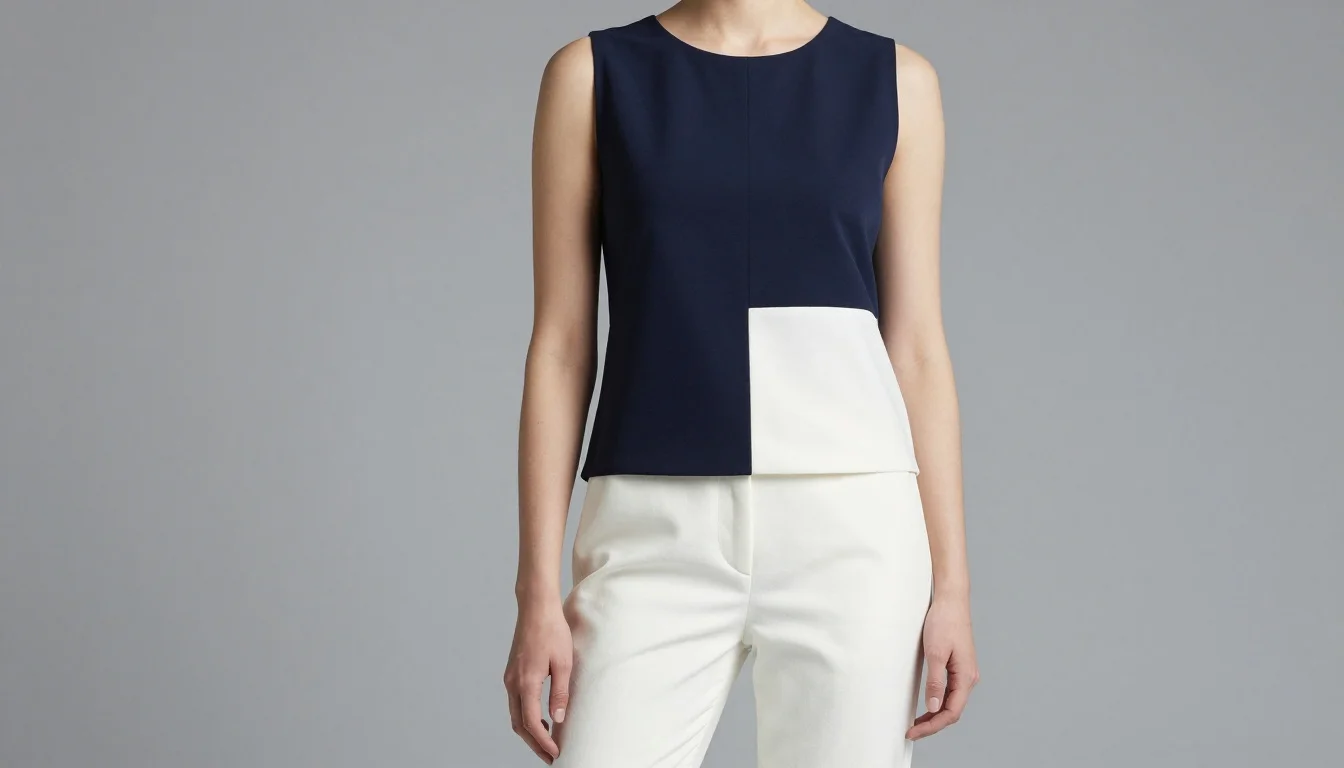
The most iconic color blocks for pale skin involve high-contrast combinations. True red and white, or navy and crisp white, create a graphic, striking effect that pale skin carries magnificently — the skin tone adds a third element that makes the overall look pop.
Jewel Tone Pairs
Rich jewel tones create beautiful, defined color blocks on pale skin. The depth and saturation of jewel tones provide strong contrast against a pale backdrop, making the blocks look vivid and intentional.
Bold Brights
Pale skin carries bold, vivid colors brilliantly. A cobalt and fuchsia color block, for instance, creates a fashion-forward, vibrant look that pale skin can support without either color overwhelming.
Soft Cool Block
For cool-pale skin, a softer color block of two muted cool tones creates a delicate, intentional aesthetic. The low contrast suits the natural subtlety of pale skin and creates a romantic, dreamy look.

Not sure yet? See it on your face
Start my color analysisHow to Execute Color Blocking for Pale Skin
The Bold Jewel Block
Pair two rich jewel tones — sapphire blue trousers with an emerald top — for a dramatic, luxury color block that pale skin carries with effortless elegance.
The Classic Pop
Ground one vivid color with a neutral. True red top with white trousers, or cobalt bottom with crisp white. The neutral makes the bold color the hero while the pale skin adds luminosity.
The Deep + Light
Pair a very deep color (dark navy, forest green, black) with a crisp, light neutral. The contrast between deep and light creates definition against pale skin and a sophisticated graphic quality.
The Cool Soft Block
For a more romantic look, combine two soft cool tones — lavender and powder blue, or blush and cool gray — for a delicate, intentional block suited to cool-pale skin.
Color Block Combinations to Avoid for Pale Skin
Nude + Blush (too skin-adjacent)
Colors very close in tone to pale skin (nude, pale peach, light blush) create a block that visually merges with the skin, eliminating the contrast that makes color blocking work.
Two Pale Colors (low contrast)
A block of cream and light lavender, for example, lacks the definition that pale skin needs. The two pale colors will look indistinct against each other and against the skin.
Warm Yellow + Pale Yellow
Yellow tones close to pale skin can look sallow on cool-pale complexions. Two yellow-adjacent blocks in pale skin combinations rarely create a flattering effect.
Stop guessing — discover your exact palette
See myself in my colorsColor Block Swaps That Work for Pale Skin
Replace combinations that wash out pale skin with vivid, defined alternatives.
Adding the depth of charcoal to a pink tone creates a defined block that provides genuine contrast against pale skin.
The classic contrast of navy and white creates far more definition against pale skin than two muted neutrals.
Saturated jewel-tone versions of green and blue create a vivid, defined block that pale skin carries much more effectively.
For cool-pale skin especially, true red and white is a more flattering bold combination than orange or yellow-based blocks.
Deeper, more saturated warm tones create a genuine color block with contrast, rather than two pale warm tones that blend together.
High-contrast evening blocks are particularly striking on pale skin. Deep jewel tones against black create a dramatic, sophisticated look.
Seasonal Color Blocking for Pale Skin
Your pale skin can color block across all seasons — adjust the depth and mood of the block.
Cool Winter (high contrast)
Learn moreFor pale skin with dark hair and high contrast, winter color blocks of true white and navy, or black and cobalt, create dramatic, graphic looks.
Light Summer (soft)
Learn moreFor pale skin with light hair and low contrast, soft cool blocks of powder blue and lavender, or blush and soft gray, suit the delicate quality of this complexion.
Color Block Your Way to a Defined, Radiant Look
Pale skin is one of the most effective canvases for color blocking. Your light complexion creates natural contrast with any rich or vivid color you choose, making color blocks stand out brilliantly. The key is saturation and contrast: choose blocks that are rich and defined enough to create visual separation from each other and from your skin. From the drama of jewel tones to the crispness of navy and white, pale skin color blocking is a powerful tool in your wardrobe arsenal.
Stop guessing — preview every color on you
Preview Yourself In Your Palette
Get my personalized analysisStop guessing — preview every color on you
Preview Yourself In Your Palette

Related Guides for How to Color Block for Pale Skin
Explore more personalized color advice based on your features.
Want to see these colors on you? What Colors Look Good on Me — free to try.
Frequently Asked Questions About How to Color Block for Pale Skin
What is the easiest color block for pale skin to start with?
A true red top with crisp white trousers or jeans is the most accessible and universally flattering color block for pale skin. The contrast is immediate, and the combination is forever classic.
Can pale skin do all-pastel color blocks?
Yes, but choose pastels with contrast between them. A soft lavender top with powder blue pants works if they are clearly different tones. Avoid pastels that are so similar they blend together.
Does the color blocking rule change for warm-pale vs. cool-pale skin?
Yes. Cool-pale skin looks best in color blocks from the cool spectrum (navy, cobalt, lavender, deep emerald). Warm-pale skin benefits from blocks with warm tones (rust, mustard, chocolate, camel, warm red).
Can pale skin do a black and white color block?
Absolutely — black and white is a classic that looks particularly striking on pale skin. The high contrast creates a graphic, chic look, and pale skin adds luminosity between the two blocks.
Should I avoid orange color blocks if I have pale skin with cool undertones?
If you have cool undertones in pale skin, orange and warm yellow can clash. Instead, choose a warm red (which has more blue in its base) or true red for warm-adjacent blocks.
What shoes and accessories tie together a color block on pale skin?
A neutral shoe in the right undertone family — white or metallic for cool-pale, tan or nude for warm-pale — keeps the focus on the color block. Alternatively, a shoe that matches one of the blocks creates a clean, intentional total look.