Best Colorsfor Pale Skin
Pale skin isn't one size fits all — your undertone changes everything. Discover how to find the colors that actually flatter your coloring.
Pale skin gets one piece of advice over and over: avoid light colors. That's incomplete. The real question is which colors create warmth, depth, and luminosity against your fair complexion — and that answer is entirely different depending on whether your pale skin runs pink, golden, or neutral.


3,000+
happy clients
Why Pale Skin Responds Differently to Color
Pale skin gets one piece of advice over and over: avoid light colors. That's incomplete. The real question is which colors create warmth, depth, and luminosity against your fair complexion — and that answer is entirely different depending on whether your pale skin runs pink, golden, or neutral.
Pale skin is high-reflectivity skin. It picks up the colors around it more readily than medium or deep skin tones. That means a wrong color near your face doesn't just look unflattering — it can make you appear unwell, grey, or washed out entirely.
The key variable is your undertone. Pale skin with pink undertones suits cool, clear colors and looks radiant in jewel tones. Pale skin with golden or peachy undertones suits warm, soft colors and looks best in ivory and warm earths. Pale skin with neutral undertones sits in between and has the most flexibility.
Contrast is your most powerful tool. Deep, rich colors against pale skin create the kind of visual impact that makes people stop and look. That contrast is an asset — not a liability. The goal isn't to hide pale skin; it's to make it the canvas for striking, intentional color choices.
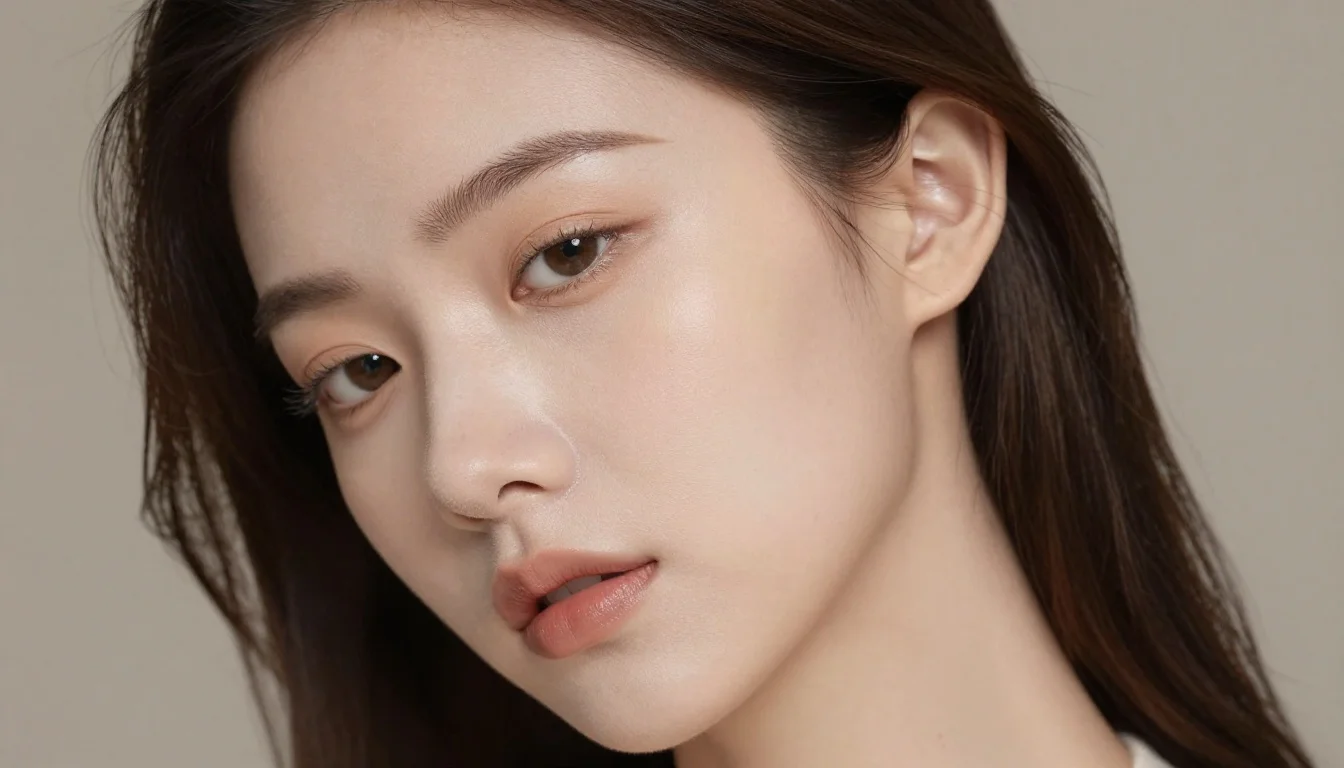
What are the best colors for pale skin?
The best colors for pale skin are deep, rich shades and vivid jewel tones that create contrast against a fair complexion — midnight navy, emerald, sapphire, deep plum, and rich berry all make pale skin look luminous. Warm-undertoned pale skin also glows in dusty rose, warm peach, and coral, while crisp ivory beats stark white as a neutral. The shades to avoid are the ones that blend into pale skin: chalky pastels, nude beige, and very pale yellow.
Colors That Suit Pale Skin
Deep Jewel Tones
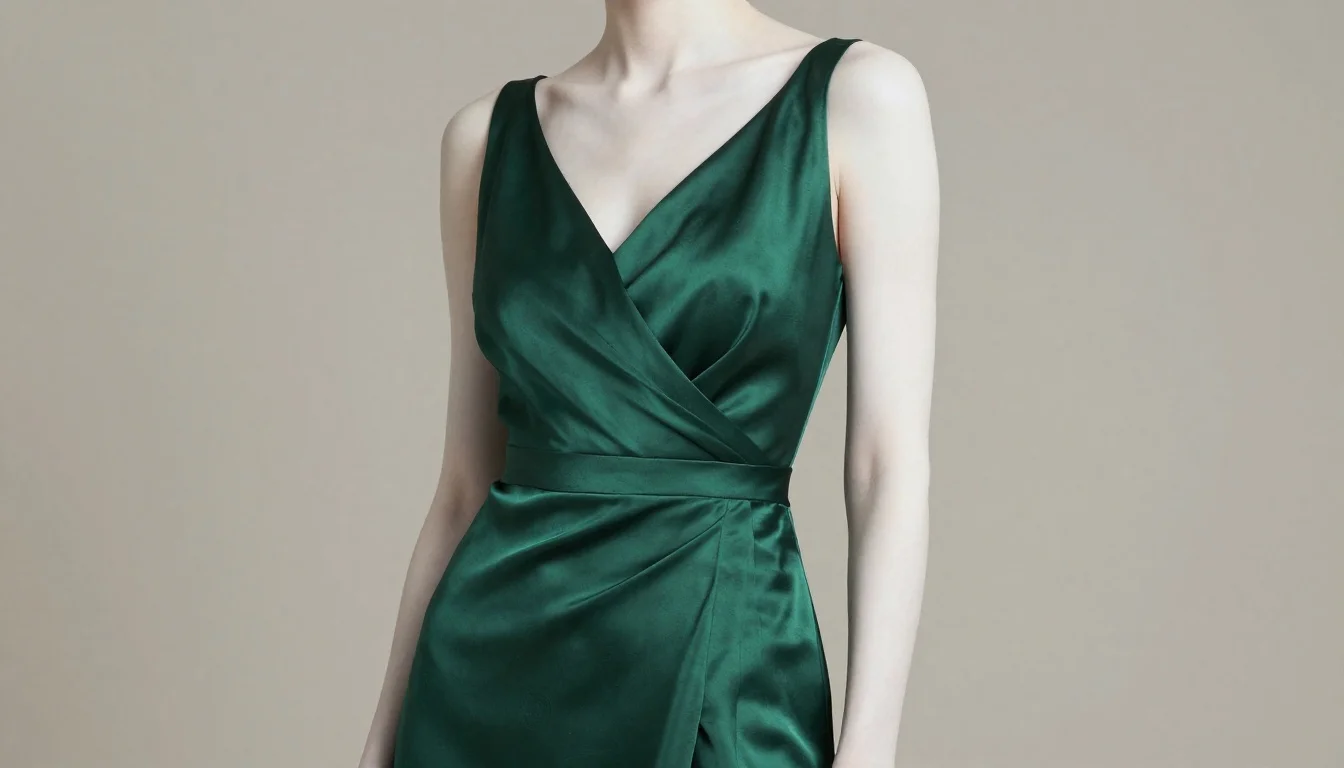
Deep jewel tones create maximum contrast against pale skin — and that contrast looks dramatic and intentional. Navy against fair skin is one of the most classically elegant pairings. Emerald and sapphire add richness without warmth, making them ideal for pale skin with pink or neutral undertones. Deep plum picks up any rosiness in pale skin beautifully.
Soft Warm Tones
For pale skin with warm or peachy undertones, soft warm shades create a seamless, flattering harmony. Dusty rose has enough saturation not to wash you out while echoing the warmth in your complexion. Warm peach is universally kind to fair skin. Soft coral brightens without overwhelming. These work best when your pale skin has a golden or peachy quality.
Cool-Toned Pastels
Cool pastels are often written off as too light for pale skin — but on fair skin with pink or blue undertones, they create a delicate, harmonious look. The secret is choosing pastels with some saturation. Soft lavender with depth works where chalky lilac fails. Powder blue with a grey note reads as sophisticated, not weak.
Rich Neutrals
The right neutrals anchor pale skin without washing it out. Warm ivory is more flattering than stark white — it echoes the warmth in fair skin and creates softness. Camel and warm tan add depth without drama. Chocolate brown creates a rich, beautiful contrast. Stone grey works for cool undertones the way camel works for warm.

Ready to see navy & emerald on your face?
Start my color analysisHow to Wear These Colors in Real Life
Using contrast intentionally
The most impactful thing you can do with pale skin is put a rich, deep color right at your neckline. A deep navy turtleneck, an emerald silk blouse, or a plum cashmere sweater frames your face with striking contrast. Keep the color near your face — depth in the bottoms doesn't create the same effect.
Knowing your undertone
Check the veins on your wrist: blue-purple veins indicate cool undertones (suits sapphire, lavender, cool rose); green veins indicate warm undertones (suits peach, ivory, camel, coral); blue-green indicates neutral. Once you know your undertone, every color choice becomes more intuitive — you stop guessing and start choosing.
Makeup synergy
Pale skin with cool undertones glows with berry and plum lip shades, rosy blush, and cool-toned highlighter. Pale skin with warm undertones looks most alive with peach or warm coral lips, apricot blush, and gold-toned highlighter. The mistake is mixing temperatures — warm makeup with cool clothing, or vice versa — which creates an unsettled look.
Monochromatic and tonal dressing
Pale skin works exceptionally well with tonal dressing — wearing different shades of the same color family. A deep navy blazer, mid-navy trousers, and a soft blue shirt creates an effortlessly pulled-together look. The contrast between your skin and the outfit becomes the visual statement.
Colors That Wash You Out
Stark white
Bright white blends into pale skin and creates a monochrome effect that makes you look ill rather than polished. Warm ivory or off-white creates the same clean feeling while providing enough contrast to let your skin look alive. Save true white for small accents, not tops near your face.
Pale yellow and acid green
Very light yellows and acid greens bring out sallowness in pale skin, especially if you have any pink undertone. The yellow-green light they reflect amplifies any unevenness in fair complexions. Rich golden yellow can work — it's the pale, chalky versions that cause problems.
Warm orange (unless very warm-toned)
Orange can clash significantly with pale pink-undertoned skin. The orange reflects warmth that fights the cool quality of fair skin and can make you look flushed in an unflattering way. If you love orange, deep burnt orange or terracotta is safer than bright orange.
Nude and skin-tone shades
Colors that closely match your skin tone create the illusion that you're not wearing anything — which makes pale skin look transparent rather than luminous. Even one shade deeper than your skin creates enough contrast to look intentional.
Stop guessing — preview every shade on you
See myself in my colorsYour Wardrobe, Upgraded
Small color shifts that make pale skin look luminous instead of washed out.
Ivory has just enough warmth to contrast with pale skin, while white blends in and makes skin look dull.
Pale yellow brings out sallowness in fair skin. Deep navy creates the kind of contrast that makes pale skin look radiant.
Nude-pink disappears into pale skin. Dusty rose has enough saturation to frame your face without being overwhelming.
Champagne reads as skin-toned against pale skin. Rich jewel tones create the dramatic contrast that makes fair skin look striking.
An all-pale look can make fair skin disappear. Camel or chocolate adds enough warmth and contrast to anchor the look.
Bright orange can clash with pink undertones in pale skin. Soft coral gives you that warm, sunny feel without the clash.
Which Seasonal Palette Fits Pale Skin?
Pale skin appears across several seasonal color palettes — your undertone and hair color determine which one is yours. Here are the most common matches for fair complexions.
Light Summer
Learn moreIf your pale skin has a cool or pink undertone, your hair is light to medium (blonde, light brown, or ashy), and your overall coloring feels soft and delicate, Light Summer is your most likely match. You look best in cool, muted tones — dusty rose, soft lavender, powder blue, and cool taupe.
Cool Winter
Learn moreIf your pale skin is very fair with strong pink or blue undertones and you have dark hair or very vivid eye color, Cool Winter is worth exploring. You can handle more contrast and more saturated cool colors — icy whites, bright jewel tones, and sharp contrasts all work on you.
Light Spring
Learn moreIf your pale skin has a warm or peachy quality and your hair has golden or strawberry undertones, Light Spring is your likely home. You look most alive in warm, clear, light tones — warm peach, soft coral, ivory, and golden yellow.
Find Your Exact Colors
Pale skin is one of the most versatile complexions to dress — but your best palette only pays off when you know your undertone. A personalized color analysis identifies whether your fair skin runs cool, warm, or neutral, and maps out the exact palette of shades that will make you look radiant every single time.
Stop guessing — preview every color on you
Preview Yourself In Your Palette
Get my personalized paletteStop guessing — preview every color on you
Preview Yourself In Your Palette

Related Guides for Best Colors for Pale Skin
Explore more personalized color advice based on your features.
Want to see these colors on you? What Colors Look Good on Me — free to try.
Frequently Asked Questions About Best Colors for Pale Skin
What are the best colors for pale skin?
The best colors for pale skin are deep, rich shades and vivid jewel tones that create contrast against a fair complexion — midnight navy, emerald, sapphire, deep plum, and rich berry all make pale skin look luminous. Warm-undertoned pale skin also glows in dusty rose, warm peach, and coral, while crisp ivory beats stark white as a neutral. The shades to avoid are the ones that blend into pale skin: chalky pastels, nude beige, and very pale yellow.
What colors suit pale skin best?
Deep jewel tones like navy, emerald, and plum create beautiful contrast against pale skin. Soft warm tones like dusty rose and warm peach flatter fair skin with golden undertones. Cool pastels like soft lavender work on pale skin with pink undertones. The key is knowing whether your pale skin is warm, cool, or neutral — that changes the whole answer.
Should pale skin avoid wearing white?
Stark white often blends into pale skin and can make you look washed out or unwell. Warm ivory and off-white are usually more flattering — they have just enough contrast to let your skin look alive while still reading as a neutral. If you love true white, it works better as an accent than as a top directly near your face.
What colors make pale skin look less washed out?
Rich, deep colors create contrast against pale skin and make it look luminous rather than washed out. Deep navy, emerald, plum, and burgundy are particularly effective. Even warm, saturated neutrals like camel and chocolate brown add enough depth to frame pale skin beautifully. The key is avoiding shades that are too close to your own skin tone.
Can pale skin wear pastels?
Yes — but choose pastels with some saturation rather than very chalky, desaturated versions. Pale skin with cool undertones looks lovely in soft lavender, powder blue, and cool mint. Pale skin with warm undertones suits peach, blush, and warm cream better. Very pale, faded pastels can look flat against fair skin.
What is the best color for pale skin and dark hair?
The contrast between pale skin and dark hair gives you enormous range. Deep jewel tones like sapphire, ruby, and emerald look stunning. Rich neutrals like camel and warm ivory frame your face beautifully. Avoid nude tones and very pale colors, which can make the high contrast of your coloring look washed out rather than dramatic.
Does pale skin look better with warm or cool colors?
It depends on your undertone, not just your skin depth. Pale skin with pink undertones looks best in cool colors — blues, purples, and cool greens. Pale skin with peachy or golden undertones looks best in warm tones — corals, peaches, warm creams, and earthy yellows. Neutral undertones can wear both with equal success.