How to FindYour Best Neutral Colors
Neutrals are the foundation of every wardrobe — but 'neutral' does not mean 'universally flattering. Discover how to wear them confidently — matched to your undertone.
Neutrals are the foundation of every wardrobe — but 'neutral' does not mean 'universally flattering.' Beige, grey, white, and brown each come in warm and cool versions, and choosing the wrong temperature can make your skin look sallow, dull, or washed out just as easily as wearing the wrong vivid color.


3,000+
happy clients
Why Neutrals Are Not Actually Neutral
Neutrals are the foundation of every wardrobe — but 'neutral' does not mean 'universally flattering.' Beige, grey, white, and brown each come in warm and cool versions, and choosing the wrong temperature can make your skin look sallow, dull, or washed out just as easily as wearing the wrong vivid color.
Every neutral has an undertone. Beige can be warm and golden, or cool and greige. White can lean blue, pink, or yellow. Brown ranges from orange-tinted chestnut to cool espresso. Grey goes from warm greige to icy blue-grey. These undertones interact with your skin just like any other color.
The wrong neutral is often more damaging than the wrong vivid color — because you wear neutrals constantly, in every outfit, every day. Getting your neutrals right means every outfit works better, regardless of what color you add.
Your best neutrals are determined by your skin undertone. Warm undertones need warm neutrals that contain golden, peachy, or olive-based tones. Cool undertones need neutrals that lean towards grey, pink, or blue-based foundations. Neutral undertones have more flexibility but still show a preference.
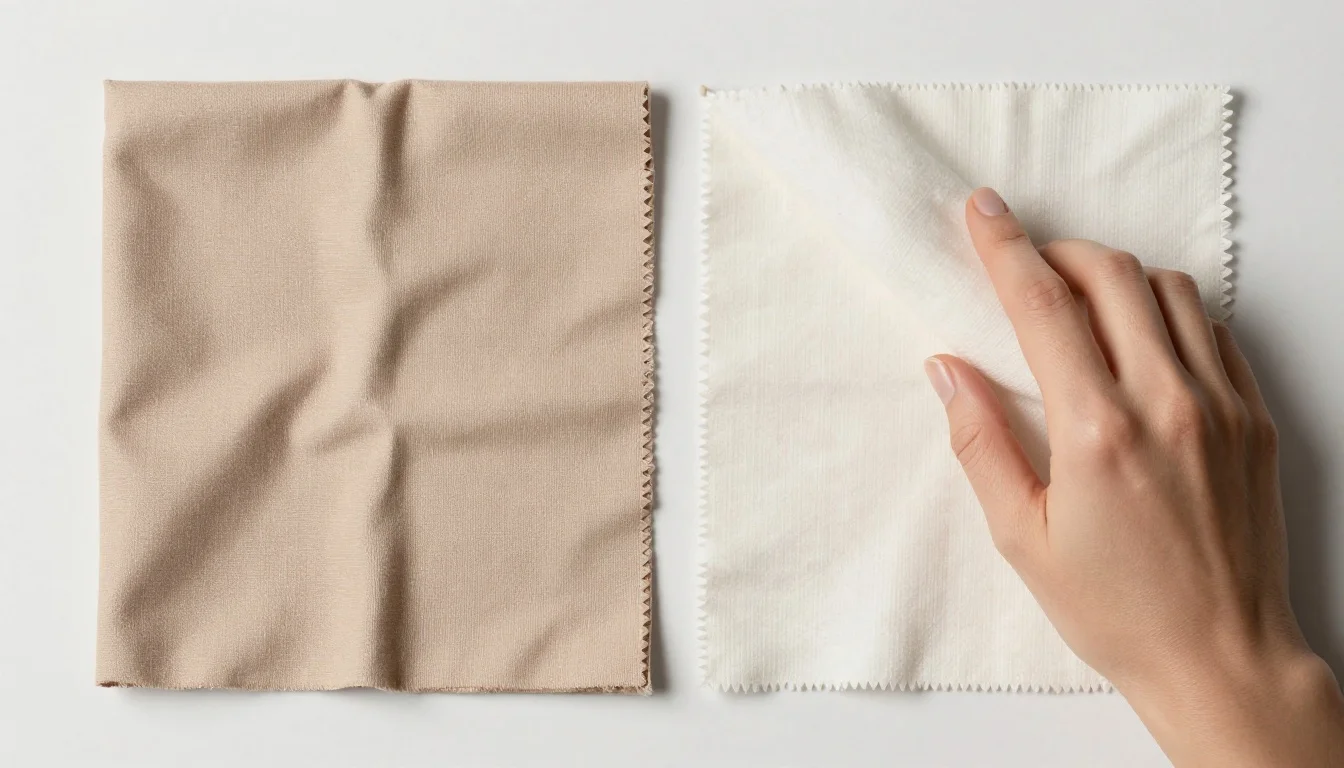
What is the best neutral color to wear?
There is no single best neutral for everyone — it depends on your undertone. Warm undertones suit camel, ivory, and warm taupe. Cool undertones suit greige, cool grey, and oyster white. The key is matching the temperature of the neutral to the temperature of your skin.
Best Neutrals by Undertone
Warm Neutrals
If your skin has golden, peachy, or olive undertones, these warm neutrals harmonize with your coloring. Camel is your perfect beige alternative — it echoes the warmth in your skin. Ivory is your white. Warm taupe works as your grey.
Cool Neutrals
If your skin has pink, blue, or cool undertones, these neutrals share the same cool foundation. Greige (grey-beige) is your beige. Charcoal reads better than black in many contexts. Oyster white has a cool, clean quality that harmonizes beautifully.
Soft/Muted Neutrals
For coloring that is naturally soft and muted, these complex, slightly greyed neutrals are the sweet spot. They have enough depth to register but enough softness to harmonize with muted features. Perfect for Soft Summer and Soft Autumn types.
Dark/Deep Neutrals
For people with deep, rich coloring — dark skin, dark hair, strong features — these deep neutrals function as the equivalent of black, providing depth and grounding without the coldness of true black.

Not sure yet? See it on your face
Start my color analysisHow to Build Your Neutral Wardrobe
Start With Your White
Find your version of white first — it is the most versatile neutral. Hold ivory, cream, optical white, and ecru up to your face in natural light. The right one will make your skin look clearer. Build from there.
Find Your Beige
Your best beige is neither your skin tone nor a stark contrast — it is one step away in depth with matching undertones. Warm skin: camel or warm taupe. Cool skin: greige or stone. Soft coloring: warm mushroom or dusty stone.
Your Grey
Warm undertones need warm grey (greige). Cool undertones suit blue-grey or charcoal. Soft coloring does best in medium grey with some warmth. High-contrast coloring can handle very dark charcoal or near-black.
Mixing Neutrals
The secret to elegant neutral dressing is mixing tones from the same temperature family. Camel + ivory + warm brown is cohesive. Cool grey + oyster + charcoal is cohesive. Mixing warm and cool neutrals in the same outfit creates visual tension.
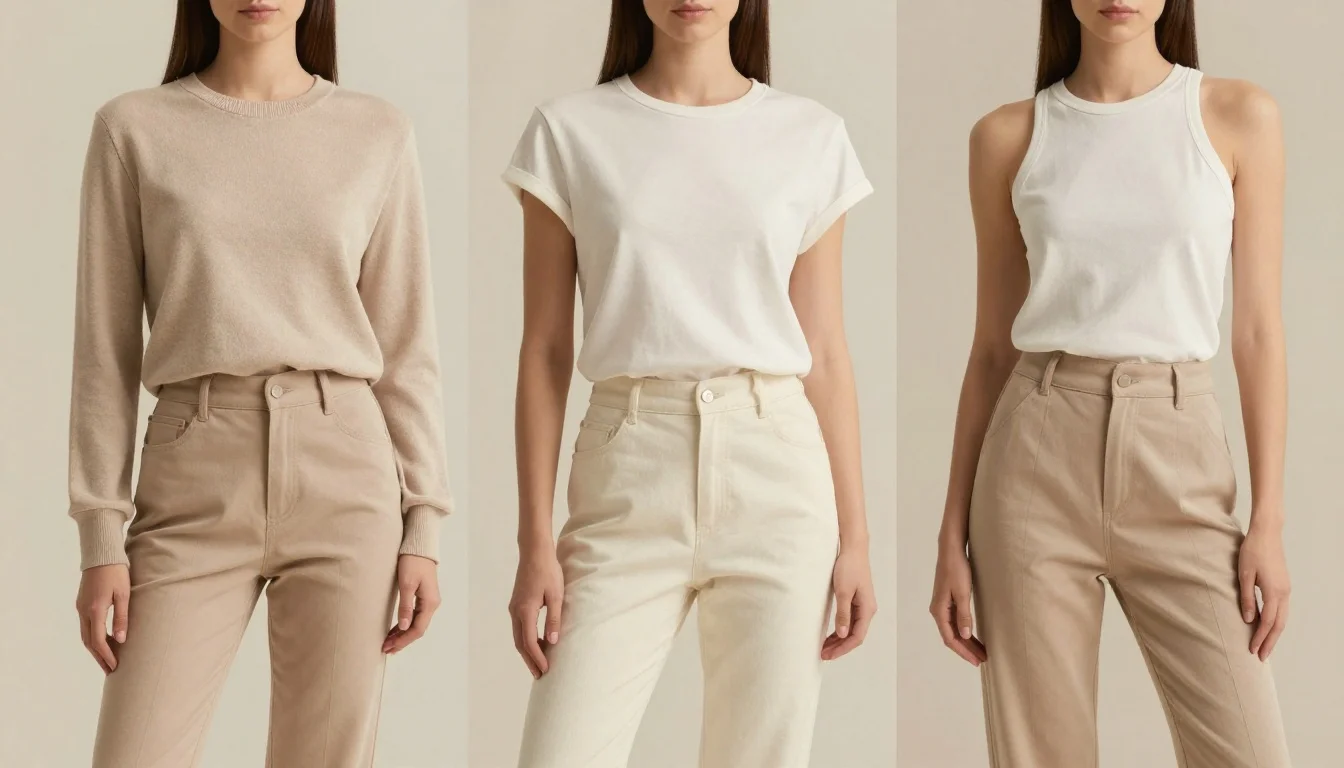
Neutrals That Work Against You
Warm beige on cool undertones
Golden or peachy beige against cool-toned skin looks jaundiced and muddy. The warmth of the beige has no matching warmth in your skin to harmonize with, so it pulls out a sallow quality instead.
Cool grey on warm undertones
Blue-grey or cool greige against warm golden skin drains the warmth out of your complexion. You end up looking tired and washed out. Your grey equivalent is a warm greige or taupe instead.
Bright white on warm or soft coloring
Brilliant white has a cold, blue-toned quality that creates harsh contrast against warm or muted skin. Replace it with ivory, cream, or ecru to get the same clean effect without the harshness.
Medium beige that matches your skin
A beige so close to your skin tone that it blends in creates a washed-out, one-note effect with no contrast or definition. Your neutrals need to be slightly different in depth or undertone from your skin to create dimension.
Stop guessing — discover your exact palette
See myself in my colorsNeutral Swaps That Transform Your Wardrobe
Replace generic neutrals with your specific best versions.
Cream harmonizes with warm skin; optical white creates a cold, draining contrast.
Temperature-matched beige looks cohesive; mismatched beige looks dingy.
A temperature-specific grey harmonizes with your skin instead of fighting it.
The exact undertone of camel determines if it harmonizes or clashes with your skin.
True nude creates a leggy effect; slightly deeper keeps the look polished with definition.
Temperature-matched whites feel intentional; mismatched whites look faded.
Which Palette Might Be Yours?
Your best neutrals are closely tied to your seasonal color palette. Here is what the most common seasons need from their neutrals:
Warm Autumn
Learn moreYour neutrals should be warm and earthy — camel, chocolate, warm ivory, olive. Cool or bright versions of any neutral will feel out of place in your palette.
Cool Summer
Learn moreYour neutrals are soft and cool — greige, dove grey, cool white, soft navy. Warm or golden neutrals clash with your cool, muted coloring.
Deep Winter
Learn moreYour neutrals can be bold and stark — true black, pure white, deep navy, charcoal. Your high contrast coloring needs neutrals with real depth to feel balanced.
Find Your Complete Neutral Palette
Once you know your exact neutral family, every outfit becomes easier. You stop buying beiges that never quite work, whites that wash you out, and greys that make you look tired. A personalized color analysis identifies not just your best neutrals but your complete wardrobe palette — every color that belongs in your closet.
Stop guessing — preview every color on you
Preview Yourself In Your Palette
Get my personalized analysisStop guessing — preview every color on you
Preview Yourself In Your Palette

Related Guides for How to Find Your Best Neutral Colors
Explore more personalized color advice based on your features.
Want to see these colors on you? What Colors Look Good on Me — free to try.
Frequently Asked Questions About How to Find Your Best Neutral Colors
What is the best neutral color to wear?
There is no single best neutral for everyone — it depends on your undertone. Warm undertones suit camel, ivory, and warm taupe. Cool undertones suit greige, cool grey, and oyster white. The key is matching the temperature of the neutral to the temperature of your skin.
How do I find my best beige?
Hold different beige swatches up to your face in natural light. The right beige will make your skin look even and luminous. The wrong beige will add a yellowish or muddy quality. Warm skin needs golden or peachy beige; cool skin needs grey-toned beige.
Is navy a neutral?
Yes, navy functions as a neutral in most wardrobes and works for most skin tones. It is cool-leaning, so it is particularly harmonious for cool undertones. Warm undertones can wear navy but may find deep warm tones like chocolate or forest green more flattering.
Can I wear black if it is not my best neutral?
Absolutely — just be mindful of placement. If black is harsh on you (which it is for many warm and soft coloring types), avoid it directly at your neckline. Wear it on the bottom half and place your most flattering colors near your face instead.
What makes camel flattering or unflattering?
Camel is a warm neutral that works beautifully on warm and deep coloring. On cool undertones, it can look muddy or clashing. If you love camel but have cool undertones, look for a version with slightly more grey or pink mixed in — it will be your version of camel.