Color Blocking Strategies forOlive Skin Tones
Olive skin, with its warm yellow-green undertone and medium depth. Discover how to wear them confidently — matched to your undertone.
Olive skin, with its warm yellow-green undertone and medium depth, occupies a unique position in color blocking. It can handle both warm and certain rich cool blocks — giving olive skin owners more range than almost any other complexion. The key is choosing color block combinations that either work with the warm green cast or provide enough depth to create beautiful contrast without amplifying the sallow notes.


3,000+
happy clients
Color Blocking Principles Specific to Olive Skin
Olive skin, with its warm yellow-green undertone and medium depth, occupies a unique position in color blocking. It can handle both warm and certain rich cool blocks — giving olive skin owners more range than almost any other complexion. The key is choosing color block combinations that either work with the warm green cast or provide enough depth to create beautiful contrast without amplifying the sallow notes.
Olive skin gets its distinctive hue from a mix of warm undertones and a green or yellow-green cast. This means it responds differently to color blocking than purely warm or purely cool undertones. Too close to the olive tone (khaki, yellow-green) creates muddy blending; too cool (icy blue, lavender) can highlight the green cast unfavorably.
The sweet spot for olive skin color blocking is depth and warmth. Rich, saturated colors with warm or neutral bases — terracotta, burgundy, forest green, deep navy, warm yellow — create the contrast that makes olive skin look vibrant rather than flat.
Another key insight: olive skin often looks particularly stunning in color blocks that echo the Mediterranean or earthy aesthetic — rust and forest green, terracotta and deep teal, or warm yellow and chocolate brown. These combinations feel natural and harmonious with the olive complexion.
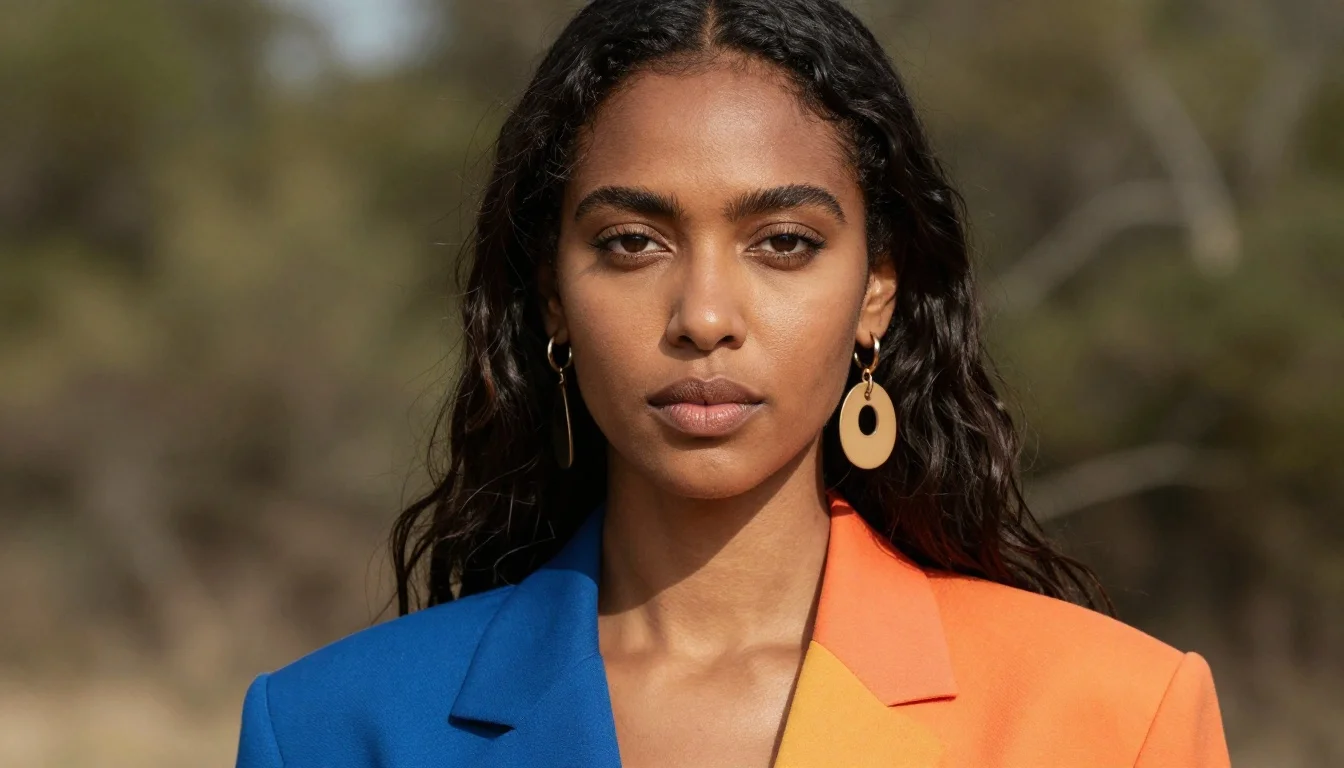
What is the best starting color block for olive skin?
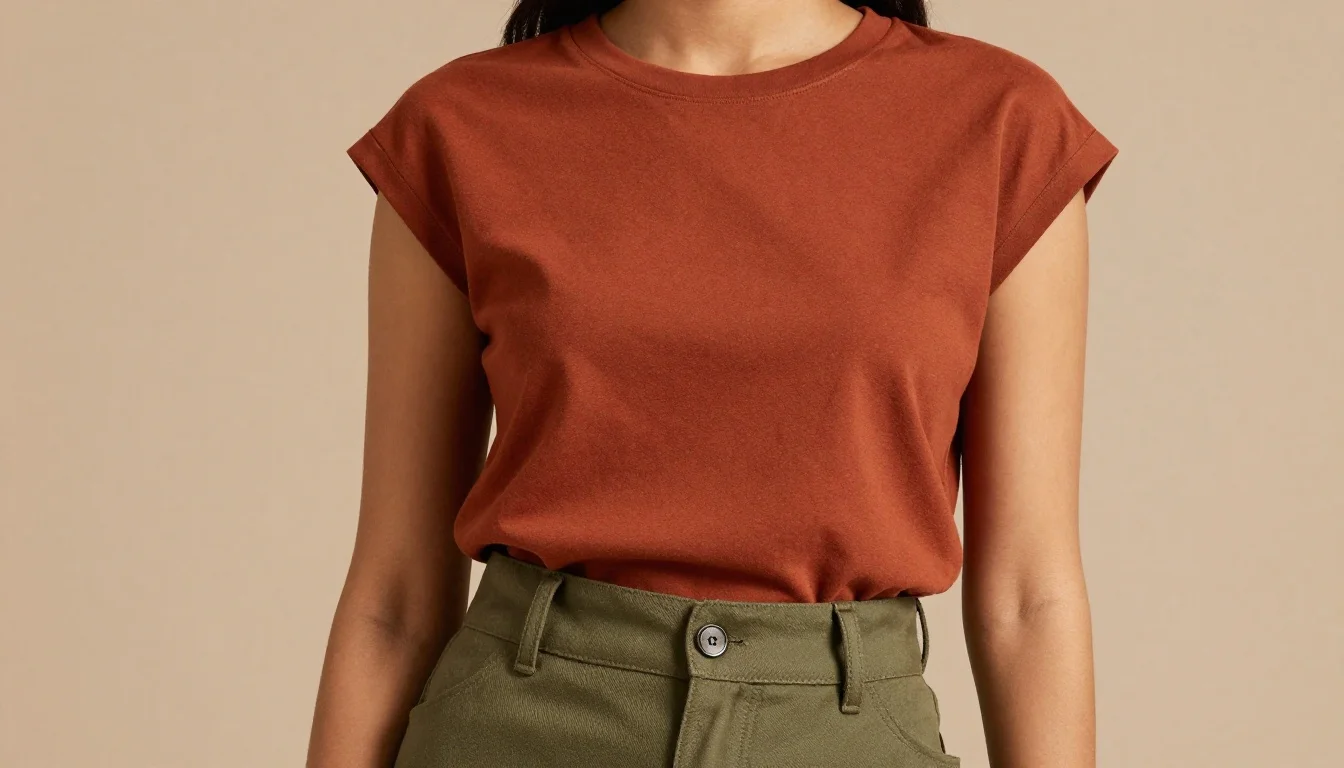
A rust or terracotta top with forest green or olive trousers is the ideal starting point. This earthy, warm block feels completely natural with olive skin and creates genuine visual interest.
Best Color Block Combinations for Olive Skin
Terracotta + Forest Green
These two earthy, warm colors sit on opposite sides of the earthy spectrum and create a stunning natural contrast. Both have warmth that complements olive skin, while providing genuine visual interest through their color difference.
Warm Yellow + Chocolate
The contrast between warm, golden yellow and deep chocolate brown creates a rich, earthy color block that echoes the warm undertones of olive skin while providing the depth that olive complexions need.
Burgundy + Camel
Rich burgundy against warm camel creates a sophisticated color block that works beautifully with olive skin. Both colors contain warmth; the contrast comes from depth rather than temperature, making the combination feel harmonious.
Deep Navy + Rust
Navy is one of the few cool neutrals that works well as a color block partner for warm colors on olive skin. The depth of navy provides contrast; the warmth of rust keeps the overall combination warm-toned and flattering.

Not sure yet? See it on your face
Start my color analysisHow to Execute Color Blocking for Olive Skin
The Earthy Block
Build your color block around earthy tones — terracotta top with forest green trousers, or mustard blouse with chocolate brown pants. These earthy blocks are the most natural fit for olive skin.
The Deep + Warm
Use a very deep, rich color (navy, deep burgundy, forest green) as one block and a warm, earthy tone as the other. The depth provides contrast; the warmth maintains flattery.
The Tonal Earth Block
Create a color block within the warm brown/terracotta family — different depths and shades of camel, rust, and terracotta. The tonal variation reads as intentional while staying harmonious with olive skin.
The Bold Statement
For a high-impact look, pair a bright warm color (warm yellow, bright orange) with a rich deep neutral (chocolate brown, dark navy). Olive skin can carry this bold contrast beautifully.
Color Block Combinations to Avoid for Olive Skin
Yellow-Green + Khaki
These shades match the natural cast of olive skin too closely, creating a blended, flat effect rather than the contrast color blocking requires.
Pale Lavender + Baby Blue
Cool, pale combinations lack the depth and warmth olive skin needs. They can highlight the green cast unfavorably and create an ashy, washed-out look.
Pastel + Pastel
Two light, muted pastels create insufficient contrast and depth against olive skin. Color blocks need stronger, richer colors to look intentional on olive complexions.
Stop guessing — discover your exact palette
See myself in my colorsColor Block Swaps for Olive Skin
Replace unflattering color block combinations with alternatives that work for olive complexions.
Adding the warmth of terracotta to navy creates a color block with the depth of cool tones but the warmth olive skin needs.
Deeper, more saturated versions of warm neutrals create a proper color block rather than blending into olive skin.
The contrast between deep forest green and warm terracotta creates a stunning natural color block that celebrates the earthy quality of olive skin.
Grounding warm yellow with the depth of chocolate brown creates a flattering, rich color block that olive skin carries magnificently.
A warmer version of the classic contrast block that echoes the warm undertones of olive skin while maintaining the graphic impact of the combination.
For evening, gold accents with deep burgundy create a luxurious, warm-toned color block perfectly suited to olive complexions.
Seasonal Color Blocking for Olive Skin
Adjust the depth and tone of your olive-skin color blocks throughout the year.
Autumn
Learn moreThe richest season for olive skin color blocking — rust and forest green, mustard and chocolate, terracotta and burgundy. Autumn was designed for olive complexions.
Spring/Summer
Learn moreLighter versions of warm blocks work in warmer months: warm yellow and sage, peach and olive green, terracotta and warm cream for a fresh but still warm color block.
Color Block with Confidence on Olive Skin
Olive skin is extraordinarily well-suited to color blocking, especially within earthy, warm, and jewel-rich palettes. The natural warmth and depth of olive complexions means that rich, saturated color blocks look inherently intentional and polished. Start with the classic terracotta and forest green block, then explore how warm yellow with chocolate or burgundy with camel open up your color blocking possibilities even further. Your olive skin will do most of the work — just give it the right color pairs to play with.
Stop guessing — preview every color on you
Preview Yourself In Your Palette
Get my personalized analysisStop guessing — preview every color on you
Preview Yourself In Your Palette

Related Guides for How to Color Block for Olive Skin
Explore more personalized color advice based on your features.
Want to see these colors on you? What Colors Look Good on Me — free to try.
Frequently Asked Questions About How to Color Block for Olive Skin
What is the best starting color block for olive skin?
A rust or terracotta top with forest green or olive trousers is the ideal starting point. This earthy, warm block feels completely natural with olive skin and creates genuine visual interest.
Can olive skin do a classic navy and white color block?
Yes — navy and warm cream (rather than stark white) works well for olive skin. Add warm accessories like tan leather or gold jewelry to keep the overall look warm.
How does olive skin handle pastel color blocks?
Light pastels alone can wash out olive skin. If you want a softer block, choose muted, mid-depth colors rather than very pale pastels — dusty rose with sage green, for example, rather than blush with mint.
What is the most sophisticated color block for a formal event with olive skin?
Deep burgundy with forest green or deep navy is a sophisticated, rich color block for formal occasions that particularly flatters olive skin. Add gold jewelry to complete the look.
Can olive skin do a monochrome color block?
Absolutely — a tonal olive-green color block from light sage to deep forest green is particularly suited to olive skin. The graduated green tones harmonize with the natural cast of olive complexions.
What shoes work best with color block outfits for olive skin?
Tan leather, cognac, warm brown, or nude-for-olive (a warm, medium tan) work best. Gold or bronze metallic also works beautifully, tying together the warm elements of the color block.