Am I a Winter oran Autumn?
Dark hair and deep coloring fit both Winter and Autumn. Temperature and clarity decide which one is yours.
Dark hair, deep eyes, coloring with real presence — that's the shared territory of Winter and Autumn, and it's why so many brunettes can't tell which one they are. The split: Winter is cool and high-contrast, built for black, pure white, and jewel tones. Autumn is warm and muted, built for chocolate, cream, and earth tones. Same depth, opposite character. Here's how to tell them apart on your own face.


3,000+
happy clients
Why Deep Coloring Splits Into Winter and Autumn
Dark hair, deep eyes, coloring with real presence — that's the shared territory of Winter and Autumn, and it's why so many brunettes can't tell which one they are. The split: Winter is cool and high-contrast, built for black, pure white, and jewel tones. Autumn is warm and muted, built for chocolate, cream, and earth tones. Same depth, opposite character. Here's how to tell them apart on your own face.
Winters and Autumns can share nearly identical descriptions on paper — dark brown hair, brown eyes, medium-to-deep skin. What differs is the finish. Winter coloring is cool and clear: there's blue in the skin's cast, sharp contrast between features, and an affinity for saturated, icy, high-voltage color. Autumn coloring is warm and rich: golden or olive cast, softer blending between features, and an affinity for earthy, spiced, low-glare color.
The consequences are bigger here than in any other season pair, because the two palettes barely overlap. Winter's black, fuchsia, and emerald look severe and costume-like on an Autumn. Autumn's rust, mustard, and olive look muddy and dusty on a Winter. When a deep-colored person wears the wrong deep palette, it fails loudly.
One nuance worth knowing: olive skin appears in both camps and confuses everything. Olive can read warm because of its golden surface, yet behave cool because of its grey-green base. If you're olive-skinned and torn between these seasons, rely on the fabric tests below more than on wrist-vein folklore.
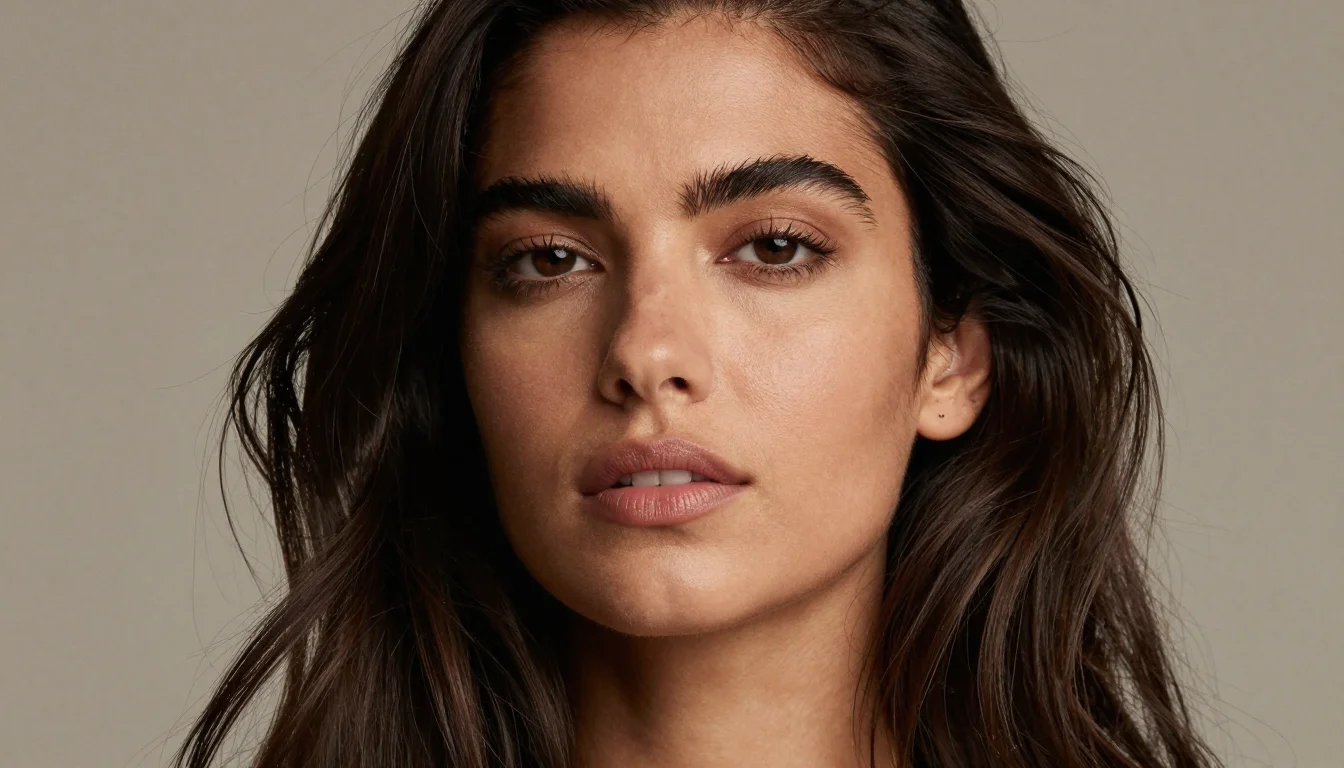
What is the difference between Winter and Autumn color seasons?
Both are deep seasons, but Winter is cool and clear — black, pure white, emerald, fuchsia, sapphire — while Autumn is warm and muted — chocolate, rust, olive, mustard, terracotta. Winter needs contrast and saturation; Autumn needs warmth and richness.
Winter Colors vs Autumn Colors — Side by Side
Winter: Cool, Clear, and High-Contrast
Winter is the only season that genuinely owns black and pure white. Its colors are saturated and unapologetic — emerald, sapphire, fuchsia, blue-red. On true Winter coloring these don't overwhelm; they finally match the intensity that's already in the face.
Autumn: Warm, Rich, and Earthy
Autumn colors trade glare for richness — everything looks like October: rust, olive, spice, amber. On true Autumn coloring these shades amplify the golden warmth in the skin and make the whole face look expensive and glowing. The same shades on a Winter look flat and dusty.
The Deceptive Overlap
A few very deep shades pass on both — but each season wants its own version. Winter burgundy is blue-based wine; Autumn burgundy is brick-based. Winter teal is peacock; Autumn teal is greened and muted. If deep 'anything' works on you but you can't tell why, compare the blue-based and yellow-based versions head to head.
The Diagnostic Pairs
Each pair matches on depth and differs on temperature and clarity. Hold them by your face in daylight: Winters snap into focus against black, pure white, and fuchsia; Autumns glow against chocolate, cream, and terracotta while black hollows them out. Three of four is your verdict.

Black or chocolate — see the difference on your face
Start my color analysisHow to Test Winter vs Autumn at Home
The black test
Wear true black next to your bare face in daylight, then swap to deep chocolate or espresso brown. Winter: black makes your eyes pop, your jaw sharpen, your skin look porcelain-even. Autumn: black adds ten years of tiredness; the brown returns the warmth. No other single test says as much this fast for deep coloring.
The white test
Pure optic white versus rich cream. Winters look crisp and striking in optic white; cream reads dingy on them. Autumns look luminous in cream and ivory; optic white next to their skin looks stark, cheap, and blue.
The jewel-vs-earth test
Emerald versus olive. Sapphire versus teal-brown. Fuchsia versus rust. Keep the depth constant and flip the character. If jewel tones energize your face, you're Winter. If they wear you — if people see the sweater before they see you — and the earth version quietly makes you look better, you're Autumn.
The contrast check
Look at the gap between your hair, skin, and eye colors in an unfiltered photo. Sharp separation — very dark hair against clearly lighter skin, whites of the eyes flashing — is a Winter pattern that suits equally sharp contrast in clothes. Blended richness — hair, brows, eyes, and skin all in the same golden-deep family — is an Autumn pattern that suits tonal, layered earth colors.
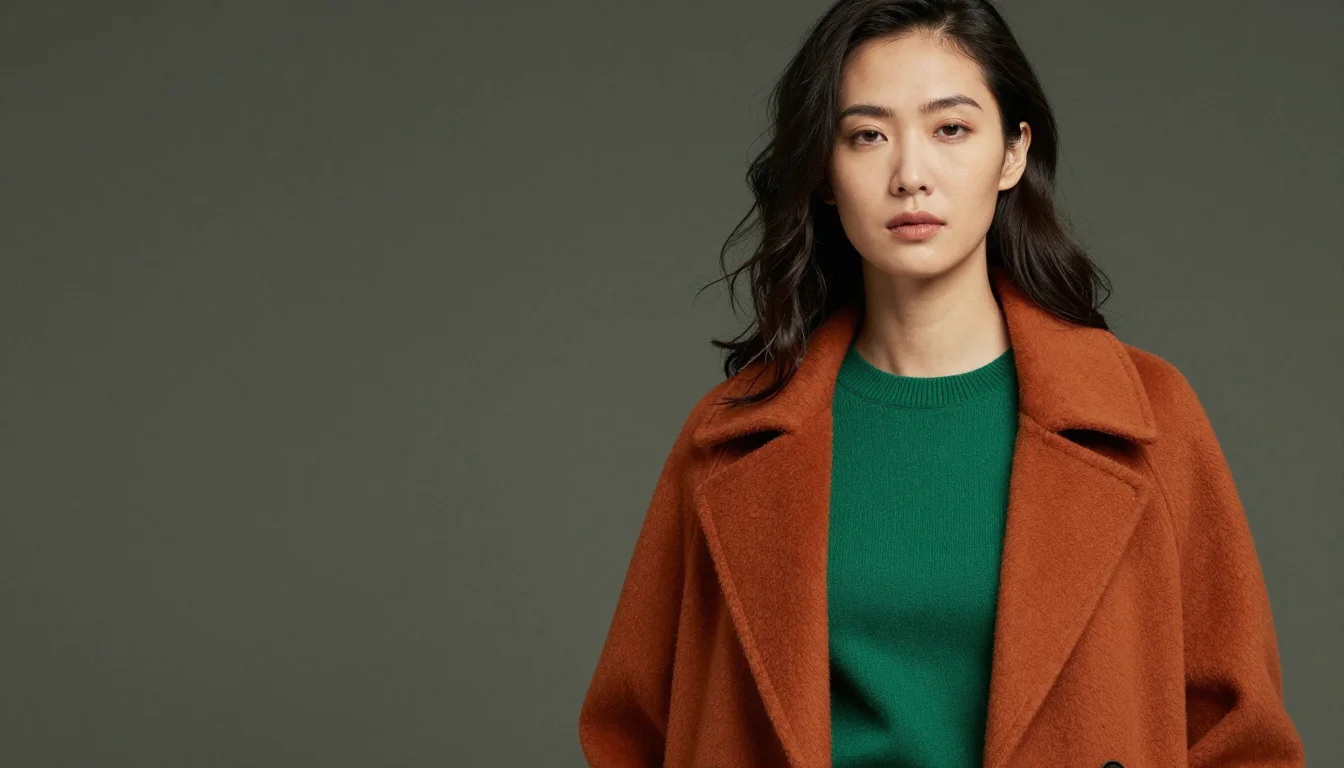
Winter or Autumn — find out for sure
Both are deep, so the line is cool-clear versus warm-muted. Settle it with the free color analysis quiz and get your exact sub-season.
Signs You Might Be in the Wrong Deep Season
Black looks harsh and casts shadows (you might be Autumn)
Deep coloring is supposed to 'handle' black — but handling isn't flattering. If black sharpens shadows under your eyes and makes your skin look olive-grey while chocolate brown makes you look warm and alive, you're an Autumn who's been defaulting to Winter's uniform.
Earth tones look muddy on you (you might be Winter)
If rust, mustard, and olive make you look faintly unwell — dulling your eyes and greying your skin — your coloring wants clarity and coolness, not warmth and mutedness. That's the classic Winter-wearing-Autumn failure.
Judging by depth alone
'I have dark hair so I must be a Winter' is the single most common mis-typing in color analysis. Depth only tells you you're in the deep half of the system. Temperature (cool vs warm) and clarity (clear vs muted) are what separate Winter from Autumn — test those, not darkness.
Stop guessing between Winter and Autumn
See myself in my colorsWinter vs Autumn Color Swaps
Same depth, opposite character — pick the version that matches your finish.
For Winters black is genuinely correct. For Autumns, espresso does everything black promised — slimming, serious, goes-with-everything — while keeping the face warm.
The white shirt is a Winter garment by default. The Autumn version is cream, ivory, or ecru — same polish, no starkness.
Red is diagnostic. Winter reds carry blue and look regal. Autumn reds carry orange and look spiced. The wrong red is one of the fastest ways to look 'off' in photos.
Winter greens are jewel-clear and blue-leaning. Autumn greens are yellowed and muted. Both are 'dark green' on the label; only one is yours.
Dusty rose is a Summer shade that flatters neither deep season. Winters need pink with voltage; Autumns need pink with warmth.
Cool metal harmonizes with Winter skin; warm metal with Autumn skin. Which one disappears into your skin (good) versus sits on top of it is a clean undertone read.
Which Palette Might Be Yours?
The Winter/Autumn border has its own dedicated sub-seasons — deep coloring with a foot on each side.
Deep Winter
Learn moreDark, cool, and clear — near-black hair, deep cool brown or almost-black eyes, skin from porcelain to deep with a cool cast. Wears black effortlessly. The most common Winter answer for people asking this question.
Deep Autumn
Learn moreDark, warm, and rich — deep brown hair with golden or red glints, warm dark eyes, golden or bronze-deep skin. The warmest coloring that can still flirt with the dark end of Winter's palette.
Cool Autumn
Learn moreAn Autumn whose warmth is at its minimum — rich muted coloring that tests almost neutral. If your temperature results keep landing on 'slightly warm, but barely,' this transitional palette is worth a look.
Find Your Exact Colors
Winter versus Autumn is where mis-typing costs the most — the palettes barely overlap, and defaulting to black when you're secretly an Autumn (or to camel when you're secretly a Winter) quietly dulls every outfit. A personalized color analysis reads your undertone and contrast from your photos and settles the question with your exact sub-season and palette.
Stop guessing — preview every color on you
Preview Yourself In Your Palette
Get my personalized analysisStop guessing — preview every color on you
Preview Yourself In Your Palette

Related Guides for Am I a Winter or Autumn? How to Tell
Explore more personalized color advice based on your features.
Want to see these colors on you? What Colors Look Good on Me — free to try.
Frequently Asked Questions About Am I a Winter or Autumn? How to Tell
What is the difference between Winter and Autumn color seasons?
Both are deep seasons, but Winter is cool and clear — black, pure white, emerald, fuchsia, sapphire — while Autumn is warm and muted — chocolate, rust, olive, mustard, terracotta. Winter needs contrast and saturation; Autumn needs warmth and richness.
Can dark-haired people be Autumns instead of Winters?
Absolutely — dark hair alone doesn't make a Winter. If your dark hair shows golden, red, or chestnut glints in the sun, your eyes are warm brown or hazel, and cream flatters you more than pure white, you're likely a Deep or Warm Autumn despite the dark hair.
Which season can wear black, Winter or Autumn?
Winter — it's the only season where black is a core palette color. Autumns can tolerate black, especially Deep Autumns, but they consistently look better in espresso, chocolate, deep olive, or warm charcoal, and black near the face tends to shadow them.
Am I a Deep Winter or Deep Autumn?
The deepest borderline in the system. Deciders: black versus chocolate near the face, pure white versus cream, and emerald versus olive. Deep Winters win the first of each pair; Deep Autumns win the second. Silver versus gold jewelry usually agrees with the fabric verdicts.
What about olive skin — Winter or Autumn?
Olive skin appears in both seasons and is the most commonly mis-typed coloring. Its green base can behave cool even when the surface looks golden. Skip the vein test and go straight to fabric tests: if jewel tones and black flatter you, you're an olive Winter; if spiced earth tones do, an olive Autumn.
Do Winters and Autumns share any colors?
A narrow strip: deep burgundy, dark teal, and aubergine exist in both palettes, in different versions — blue-based for Winter, earth-based for Autumn. They make safe shared choices while you decide, but they won't help you decide. Test with black, white, and red instead.