Best Colors forBrown Eyes
Brown eyes are warm, rich, and deeply versatile — but the right colors make them genuinely luminous. Discover which shades flatter you most — and which to skip.
Brown eyes are the most common eye color in the world — and among the most misunderstood. The advice is usually vague: wear warm tones, or wear purple. Both are partially right. The real story is about contrast, warmth registers, and how certain colors unlock the amber, copper, and golden depth that lives inside almost every pair of brown eyes.


3,000+
happy clients
Why Brown Eyes Respond So Strongly to Color
Brown eyes are the most common eye color in the world — and among the most misunderstood. The advice is usually vague: wear warm tones, or wear purple. Both are partially right. The real story is about contrast, warmth registers, and how certain colors unlock the amber, copper, and golden depth that lives inside almost every pair of brown eyes.
Brown eyes aren't one thing. They range from pale amber-gold to warm honey, from rich chocolate to near-black espresso. What they share is warmth — a combination of melanin pigments that creates a naturally rich, layered appearance. That warmth is what color can work with — or against.
Color theory explains why certain shades make brown eyes pop. Purple and violet sit directly opposite the yellow-orange range on the color wheel. Brown eyes contain warm orange and red pigments. When you introduce purple or plum near your face, those complementary tones contrast against your eye's warmth — making the brown look deeper, more vivid, more alive. The same principle applies to forest green and teal, which contrast against the red-amber register in brown irises.
The common mistake is treating brown eyes as a neutral feature that doesn't need any particular color consideration. They respond more powerfully to color than almost any other eye color — because their warmth gives surrounding hues something to bounce off of. Choose with intention and the effect is striking.
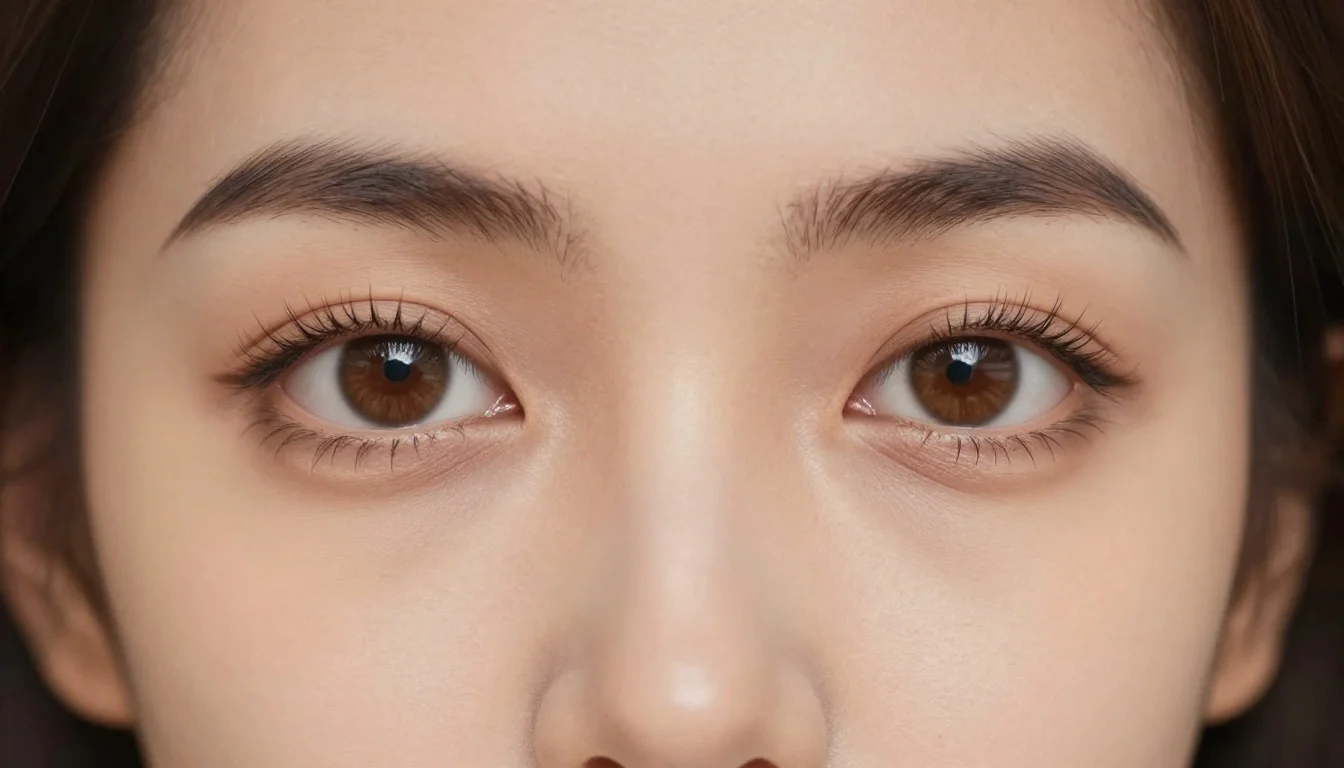
What colors make brown eyes pop?
Purple and plum are the most effective colors for making brown eyes pop — they're complementary to the warm orange-red pigments in brown irises, creating instant contrast. Forest green and teal have a similar effect. Deep navy provides cool-warm contrast without competing. The key is getting these colors near your face, at your neckline or collar.
Your Most Flattering Color Families
Purples & Plums
Purple is the ultimate complementary color for brown eyes — it sits opposite the warm orange-red range that gives brown its richness. Wearing deep plum near your face creates an immediate contrast that makes brown eyes look deeper and more vivid. Amethyst and lavender work at a softer register. Even a hint of violet in a blouse collar or scarf creates the contrast effect. This is the single most universally flattering family for any shade of brown eyes.
Forest & Teal Greens
Green contrasts against the red-amber pigments in brown irises in a way that makes the warmth inside brown eyes glow. Forest green — deep, rich, slightly cool — creates the most dramatic version of this effect. Teal adds a blue note that lifts the contrast further. Even muted sage creates a quiet, beautiful complement. These aren't colors that clash with brown eyes — they're colors that reveal everything warm and golden inside them.
Warm Earths & Coppers
Warm earth tones work differently than complementary colors — they create harmony rather than contrast. Copper and burnt sienna echo the amber and reddish tones inside brown eyes, creating a monochromatic warmth that feels cohesive and sun-drenched. This approach makes brown eyes look intensely warm rather than vivid. For warm-toned brown eyes — the golden and amber registers — this family is deeply flattering. The eyes and the outfit read as one warm, rich palette.
Deep Navy & Midnight Blue
Deep blue creates cool-warm contrast against brown's natural warmth — a different mechanism from purple, but effective. Navy is a classic because it provides darkness and richness without competing with the eye color. Against warm or dark brown eyes, midnight navy makes the warmth in the iris look intentional and striking. Cobalt creates a bolder version of the same contrast. These are your power neutrals when you want brown eyes to read as your defining feature.
Ready to see plum & amethyst on your face?
Start my color analysisHow to Use Color to Make Brown Eyes Pop
The purple principle — easiest win
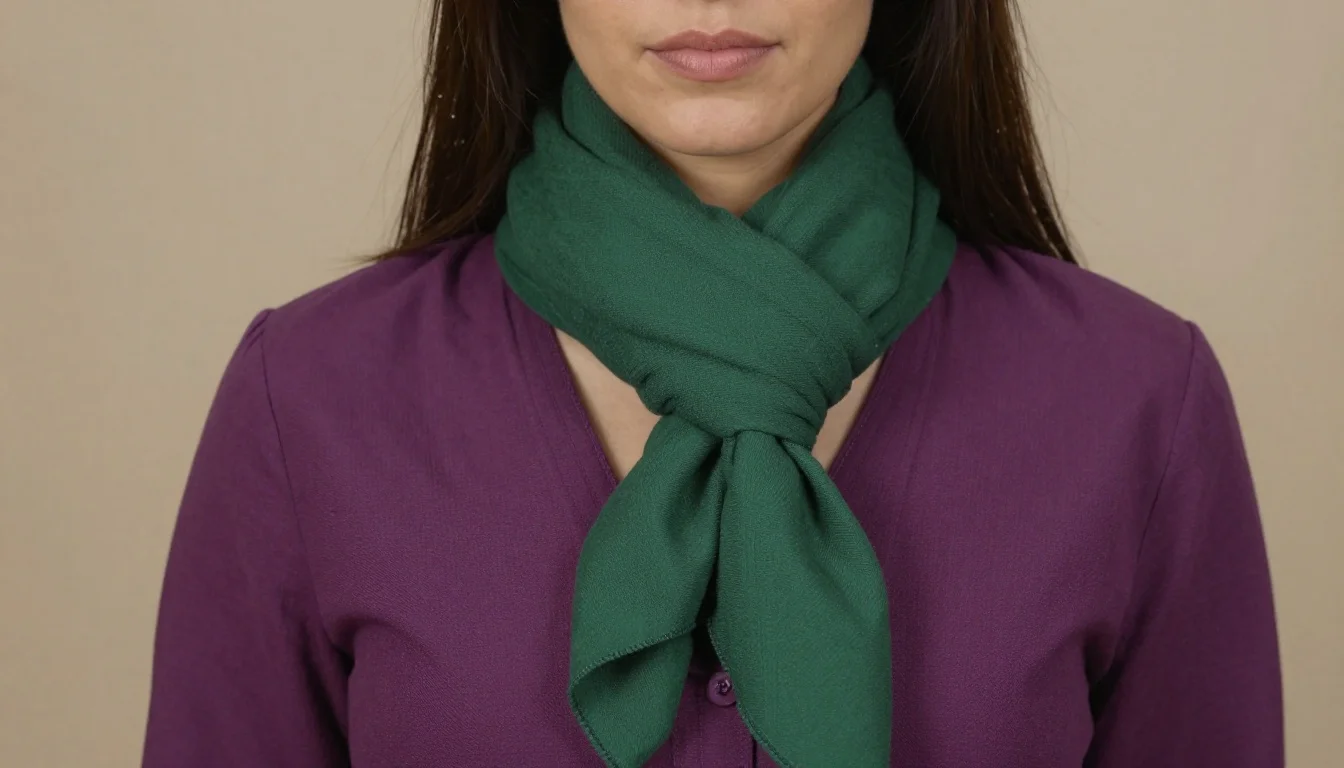
You don't need a purple outfit to get the complementary contrast effect. A plum scarf, a violet knit, or an amethyst silk blouse worn open over a white shirt is enough. The color just needs to be near your face. A berry-toned cardigan works. Deep plum earrings work. Even a lavender tote worn near your shoulder picks up the contrast effect. The principle scales from subtle to statement.
Using green strategically
Forest green is one of the most underused tools for brown eyes. A forest green wool coat over a black turtleneck creates instant contrast at your neckline. Teal in a scarf or blouse has the same effect at a lighter register. For everyday wear, an olive or sage knit creates a quieter version of this complement — still effective, never loud. The goal is any green in the cool or cool-warm range near your face.
Warm earth tonal dressing
When you want to lean into the warmth of your brown eyes rather than contrast them, build a tonal earth palette. Copper silk blouse, caramel trousers, warm tan coat. Everything echoes the amber register of your eyes and creates a cohesive, intentional warmth. This approach works particularly well for amber-brown and golden-brown eyes. Add a navy or forest green accessory for a focal contrast point without disrupting the tonal scheme.
Avoiding the flatness trap
If you consistently feel like your eyes 'disappear' in photos, check what you're wearing at your neckline. Mid-toned warm neutrals — taupe, warm beige, greige — are the usual culprits. They sit in the same warmth register as your eyes and cancel out the contrast. The fix is simple: bring a deeper, cooler, or more saturated color to your collar. Navy, forest green, deep plum, or charcoal at your neckline makes brown eyes land in every photo.
Colors That Diminish Brown Eyes
Muddy brown-on-brown
Wearing mid-toned warm brown nearest your face creates a blending effect that makes brown eyes disappear into the look. There's no contrast for the eye to register. Very deep brown (near-black) or very light neutrals work — it's the mid-register warm browns that flatten brown eyes most. Swap similar-toned brown tops for something with more contrast.
Pale salmon and washed peach
Very light, washed-out peachy tones have the same warmth register as brown eyes — without any depth or contrast. They don't enhance the warmth in your eyes; they blend with it and create a flat, unfinished effect. Warm peach with richness and saturation is different — it's the pale, milky versions that fail to interact with brown's depth.
Muted taupe and warm greige
Warm taupe and greige are fashionable neutrals — but they sit in a warmth register that echoes brown eyes without creating contrast. Against brown irises, these shades create a washed-together quality. If you love neutrals near your face, cool grey or charcoal creates contrast; warm ivory creates softness. Greige does neither.
Pale yellow and butter
Very light yellow has little visual weight against the depth and warmth of brown eyes. It doesn't clash dramatically — it just fails to engage. The pale reflective quality of butter yellow can also amplify any sallowness in the skin around the eyes. Rich golden mustard is entirely different and flattering; it's the chalky, pale versions that don't perform.
Stop guessing — preview every shade on you
See myself in my colorsYour Wardrobe, Upgraded
Simple swaps that let your brown eyes do the talking.
Greige disappears into brown eyes. Plum or forest green creates the complementary contrast that makes brown irises look vivid.
Camel blends with the warmth of brown eyes. Navy creates cool-warm contrast that makes dark brown eyes read as a defining feature.
Brown-on-brown creates a flatness at your neckline. Green contrasts against the amber in brown eyes in a way that immediately lifts your face.
Pale peach washes out next to brown eyes. Amethyst is complementary — it makes even the subtlest warmth in brown irises look rich and intentional.
A brown coat competes with your eye color rather than framing it. Plum and teal give your face a backdrop that makes brown eyes the focal point.
A scarf is your easiest contrast tool — it sits right at face level. Copper amplifies warmth; berry creates complementary contrast; green unlocks the amber in your eyes.
Which Seasonal Palette Fits Brown Eyes?
Brown eyes appear across multiple seasonal palettes — your hair color, skin tone, and contrast level determine which season is yours. These are the most common seasonal homes for people with brown eyes.
Warm Autumn
Learn moreIf your brown eyes are golden, amber, or honey-toned — especially paired with warm brunette or auburn hair and warm skin — Warm Autumn is your most likely season. Your palette is saturated earth tones: burnt sienna, olive, warm rust, and deep caramel. Your eyes are the centerpiece of a richly warm color story.
Deep Winter
Learn moreIf your brown eyes are very dark — near-black, espresso, or deep chocolate with cool undertones — Deep Winter may be your season. You suit high-contrast, cool-to-neutral colors: true black, icy white, deep plum, and cobalt. Your eye depth anchors bold color choices effortlessly.
Deep Autumn
Learn moreIf your brown eyes are rich and dark with warm undertones — dark chocolate, mahogany, or warm dark brown — paired with deep brunette hair, Deep Autumn is worth exploring. Your colors are deeply saturated warm tones: cognac, forest green, warm burgundy, and bronze. Your overall coloring reads as rich and grounded.
Find Your Exact Colors
Knowing you have brown eyes tells you which color families to reach for — but your undertone, hair color, and contrast level shape your exact palette further. A personalized color analysis identifies your precise seasonal type and maps out the specific shades within each family that work best for your combination of features. Not just purple in general — the right shade of purple.
Stop guessing — preview every color on you
Preview Yourself In Your Palette
Get my personalized paletteStop guessing — preview every color on you
Preview Yourself In Your Palette

Related Guides for Best Colors for Brown Eyes
Explore more personalized color advice based on your features.
Want to see these colors on you? What Colors Look Good on Me — free to try.
Frequently Asked Questions About Best Colors for Brown Eyes
What colors make brown eyes pop?
Purple and plum are the most effective colors for making brown eyes pop — they're complementary to the warm orange-red pigments in brown irises, creating instant contrast. Forest green and teal have a similar effect. Deep navy provides cool-warm contrast without competing. The key is getting these colors near your face, at your neckline or collar.
What is the best eyeshadow color for brown eyes?
Purple, plum, and violet shades make brown eyes look most vivid — the complementary contrast is dramatic and universally flattering. Forest green and copper also work beautifully. For everyday, warm taupe with a plum or violet liner at the lash line creates subtle contrast. For impact, a full amethyst or forest green lid against brown eyes is genuinely striking.
Do brown eyes look better with warm or cool colors?
Both work — for different effects. Warm colors like copper, burnt sienna, and mustard create harmony with brown's natural warmth and make eyes look intensely warm. Cool colors like purple, deep navy, and forest green create complementary contrast that makes brown eyes look vivid and defined. For maximum impact, cool and complementary colors win. For warmth and cohesion, earthy warm tones are beautiful.
What colors should people with brown eyes avoid?
Mid-toned warm browns directly at your neckline tend to blend into brown eyes and create flatness — there's no contrast to register. Muted greige and warm taupe have the same blending effect. Very pale peach and salmon don't have enough depth to interact with brown's richness. The goal is avoiding colors that sit in the same warmth register as your eyes without providing any contrast.
What colors look good on brown eyes and dark hair?
The combination of brown eyes and dark hair creates a naturally high-contrast, warm look. Deep plum, forest green, and cobalt blue look particularly striking — they contrast against both your hair and your eye color. Warm earths like burnt sienna and cognac create beautiful tonal harmony with your overall warm coloring. Avoid very muted neutrals, which can flatten such rich natural features.
Does purple really make brown eyes stand out?
Yes — and the science explains why. Brown irises contain warm orange and red pigments. Purple sits directly opposite orange on the color wheel, making it a true complementary color. When purple appears near brown eyes, the complementary contrast makes both colors look more saturated. Even a pale lavender or berry shade has this effect. It's the most reliable color trick for brown eyes.