Hair Color Guide

Colors to Avoid forGrey Hair

Grey hair looks stunning in the right colors but dull in the wrong ones. Discover what to wear instead — and why it works better.

Colors to Avoid for Grey Hair | What Ages You — flattering shades including #4169e1, #8b008b, #2e8b57, #dc143c

What colors should you avoid with grey hair?

No color is off-limits just because your hair is grey. Watch for a near-face shade that feels too warm, too stark or too similar in lightness to your complexion. Compare another temperature, a gentler contrast or a clearer version before replacing a whole color family.

What Changes When Your Hair Goes Grey?

There is no single list of colors everyone with grey hair must avoid. A camel sweater can look balanced on a warm complexion and less flattering on a cool one; brilliant white can sharpen one person's features and overpower another's. Grey changes the visible balance between your hair, skin and eyes, but it does not make every wearer cool-toned. Start with what seems wrong near your face — too yellow, too stark, or too close to your own coloring — then compare a different temperature, depth or intensity. You can usually adjust one piece rather than replace a wardrobe.

Temperature: Going grey does not automatically change a warm complexion into a cool one. If you previously had brown, blonde or red hair, the balance around your face may look different, but your hair alone cannot choose your palette. Compare ivory with optic white, or camel with a cooler taupe, at a similar lightness and fabric finish before rejecting a color family.

Depth and contrast: Silver hair or white hair can make a black neckline feel more pronounced. If that contrast distracts from your face, compare charcoal or navy, open the neckline, or add a familiar scarf. If pale grey clothing blends into both your hair and complexion, try a deeper grey instead. Neither black nor pale colors are automatically wrong.

Intensity: Bright cobalt and softened denim blue can both accompany grey hair, but create different balances. If the bright color dominates, test the softer version; if a muted top looks flat, test a clearer version at similar depth. These are wardrobe comparisons, not a seasonal diagnosis from your hair color.

Colors That Work Instead

Cool Jewel Tones

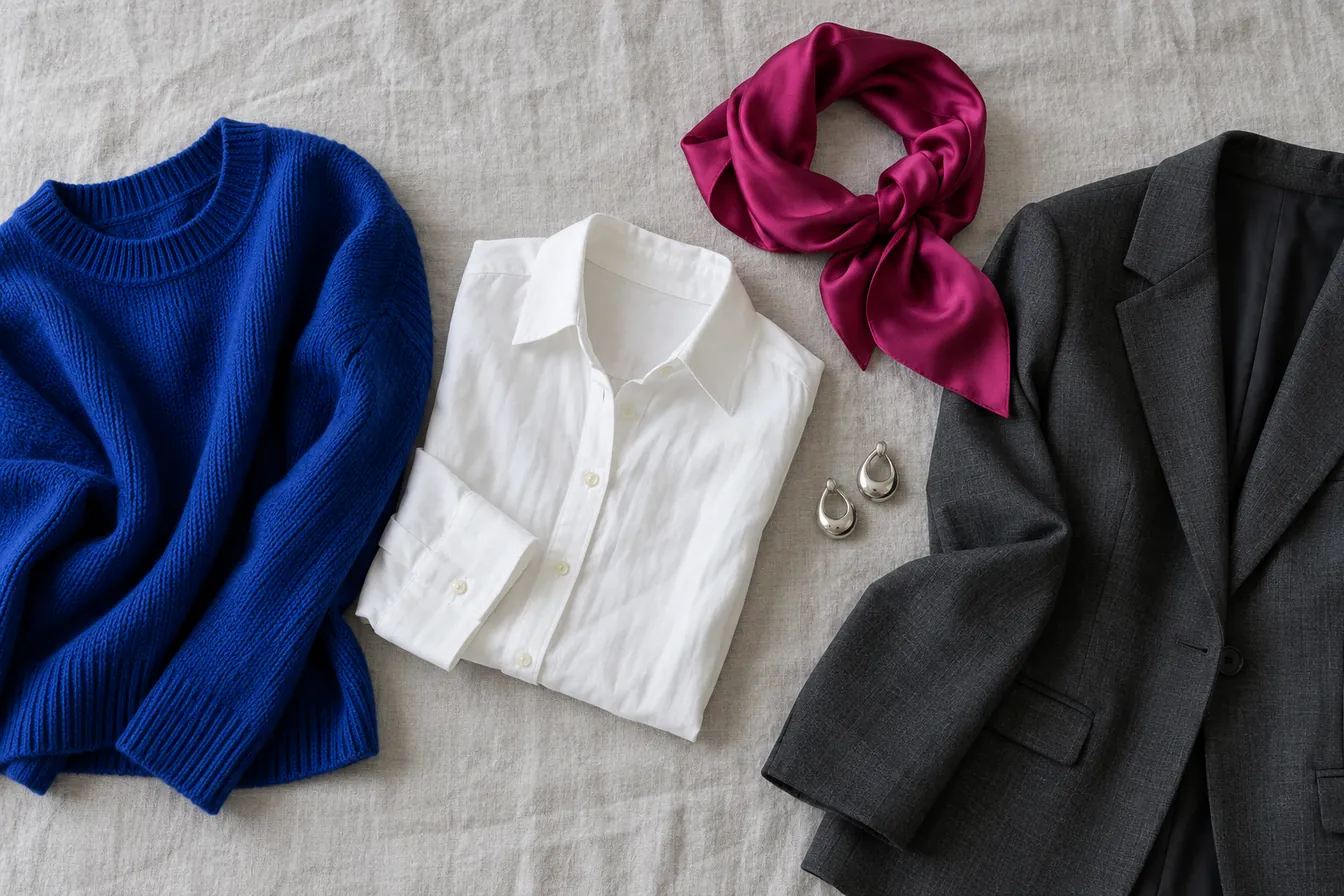
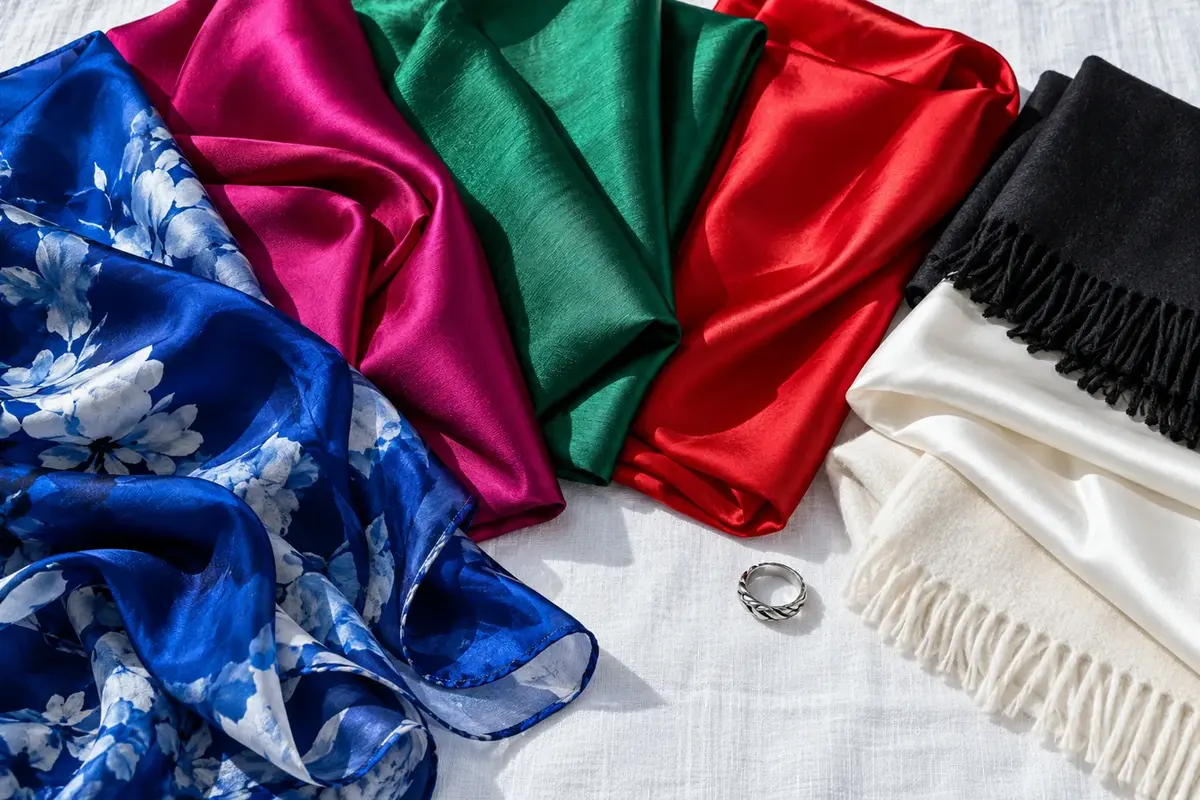
Royal blue, deep magenta, emerald and crimson are options when a clearer, richer accent gives your face definition. Compare a jewel tone with a softened version at similar depth. Keep the clearer color if you like the balance; choose a gentler shade if the top attracts more attention than your face.

Crisp Neutrals

White, charcoal and slate offer different amounts of separation from grey hair. Compare optic white with a softer off-white, and a dark neutral with a medium grey. The useful question is how much contrast suits the whole outfit, rather than whether every silver-haired person should wear pure white.

Cool Pinks & Berries

Berry, dusty rose, raspberry and soft orchid give you a range of depths and intensities to compare. If a pale pink blends into your complexion, test a deeper berry. If a clear raspberry dominates, try a more muted rose. Cool pink is an option, not a requirement imposed by grey hair.

Icy Brights & Soft Cools

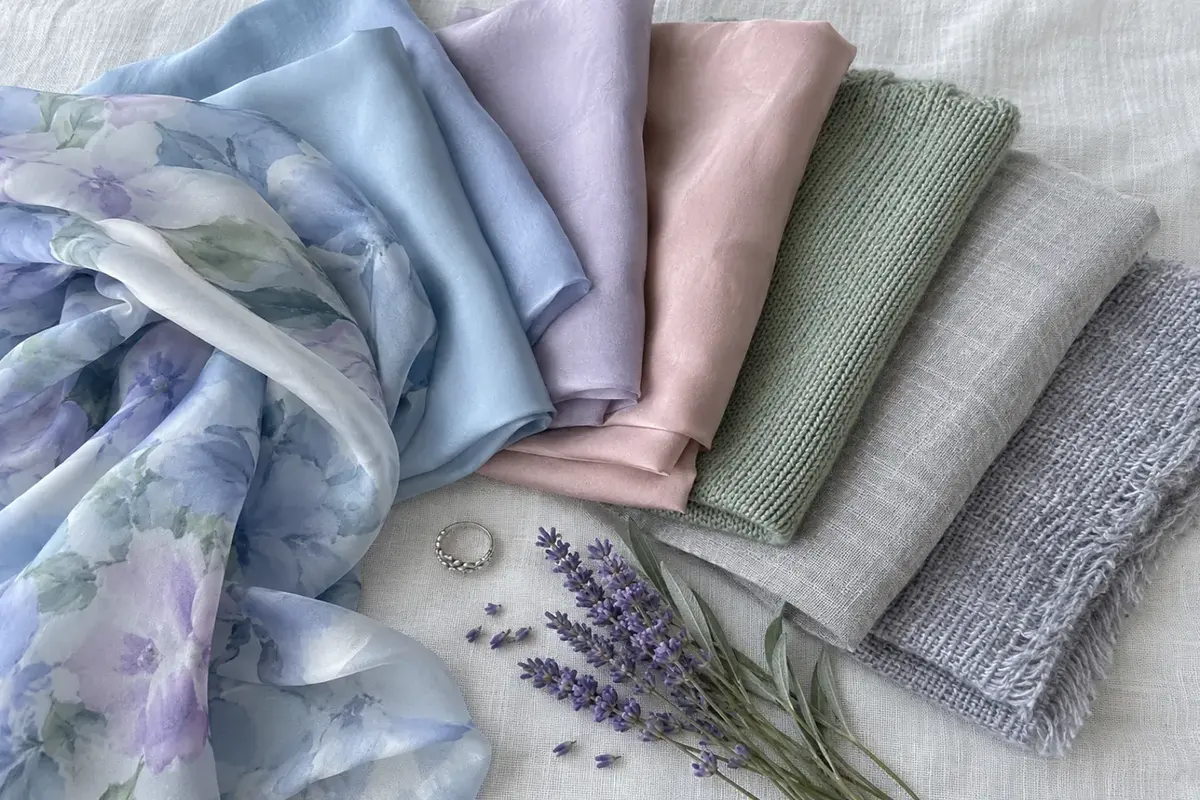
Lavender, powder blue and silver can make a softer alternative to saturated accents. If the effect feels too pale beside your face, try a little more depth before abandoning the family. Warm-complexioned wearers can also compare a soft warm shade; these cool swatches are starting points, not an exclusive palette.

What Looks Wrong? Choose One Comparison

Start with the issue you see in the mirror. Compare one change at a time before replacing a garment or ruling out a color family.

What you notice

Beige or camel seems too yellow

Compare first
The warm neutral and a similarly light cool taupe
Adjustment to try
Keep the one that feels more balanced; grey hair does not require cool clothing.

What you notice

Black or optic white feels too sharp

Compare first
Charcoal versus black, or soft off-white versus optic white
Adjustment to try
Lower the contrast or leave space at the neckline.

What you notice

Pale grey blends into hair and skin

Compare first
A deeper grey or medium blue of similar softness
Adjustment to try
Add a little depth near your face before trying a brighter hue.

What you notice

A jewel tone overwhelms your face

Compare first
Bright cobalt and softened denim blue
Adjustment to try
Reduce intensity while keeping the color family.

What you notice

A muted top looks flat

Compare first
Soft berry and clearer raspberry at similar depth
Adjustment to try
Try a little more clarity before adding darkness.

These are wardrobe comparisons, not seasonal diagnoses. Use consistent indirect daylight and similar fabric areas, necklines and finishes. Ordinary phone photos can shift color.

Ready to see your palette on your face?

Start my color analysis

How to Compare Colors Near Your Face

How to wear colors to avoid for grey hair | what ages you — pairing #4169e1, #8b008b, #2e8b57 near the face
  1. 1

    Keep the Light Consistent

    Use indirect daylight and the same mirror. Hold two similar-size fabric areas near your face, keeping makeup and neckline as consistent as practical. Strong warm bulbs or direct sunlight make a subtle warm-versus-cool comparison harder to judge.

  2. 2

    Change One Variable

    Start with temperature, depth or intensity. Compare two versions of blue at similar lightness to explore intensity; compare charcoal and black to explore depth. A shiny blouse versus a matte scarf changes too many things to isolate why one feels better.

  3. 3

    Look at Your Face, Then the Outfit

    Look for the balance you prefer around your skin, eyes and grey hair, not just a color that matches your hair. Ordinary phone photos and automatic white balance can change color. Repeat an unclear comparison another day rather than diagnosing your season from one picture.

  4. 4

    Keep What Still Works

    Try one neckline adjustment before buying replacements. A scarf you already like, an open collar or a different layer may be enough. Keep warm colors near your face when you enjoy the result; moving them to trousers or accessories is an option, not a rule.

Colors to Reconsider — When They Feel Wrong

Warm Beige, Tan & Camel

Compare the actual beige or camel near your face. If it seems too yellow, try a cooler taupe at similar depth. A warm complexion may still look balanced in camel. Change the neckline layer that feels wrong rather than discarding every warm neutral.

Mustard & Golden Yellow

If a mustard scarf seems heavy or too yellow, compare a softer or less golden yellow before ruling out the whole family. Keep the fabric area similar. You can also use a favorite yellow in a smaller accent when a full neckline feels distracting.

Dull, Muted Olive & Khaki

If muted olive looks flat, compare a clearer green at similar depth; if a bright green dominates, try the reverse. Khaki can vary in both warmth and lightness. Test the particular garment instead of assuming all grey hair needs emerald or teal.

Warm Orange & Rust

Rust can work with a warm complexion and grey hair. If you have cool undertones and rust feels too warm, compare a redder rust or burgundy at similar depth. Adjust the shade, add a familiar neckline color, or keep it in a bag or shoe if you prefer less of it near your face.

Stop guessing — preview every shade on you

See myself in my colors

Six Wardrobe Comparisons to Try

Start with a piece that feels wrong; keep the original when it works better.

Warm complexion, creamy grey hair

Camel feels too yellow
Cool taupe

Do not discard a camel sweater simply because your hair is grey. If camel still looks balanced on your warm complexion, keep it. The comparison checks warmth; it does not prove that taupe is always better.

Cool complexion, silver hair

Beige feels too warm
Soft slate

If slate feels more balanced than the beige cardigan, change the near-face layer. Beige trousers or a bag can stay in the outfit. If beige looks better on you, there is no reason to force the swap.

Soft overall contrast

Black feels too stark
Muted navy

Keep the neckline similar and compare the two dark tops. If charcoal feels gentler, the useful adjustment is contrast. A preference for softer darks does not mean that black is forbidden with grey hair.

Distinct eyes and darker brows

Soft blue feels flat
Clear blue

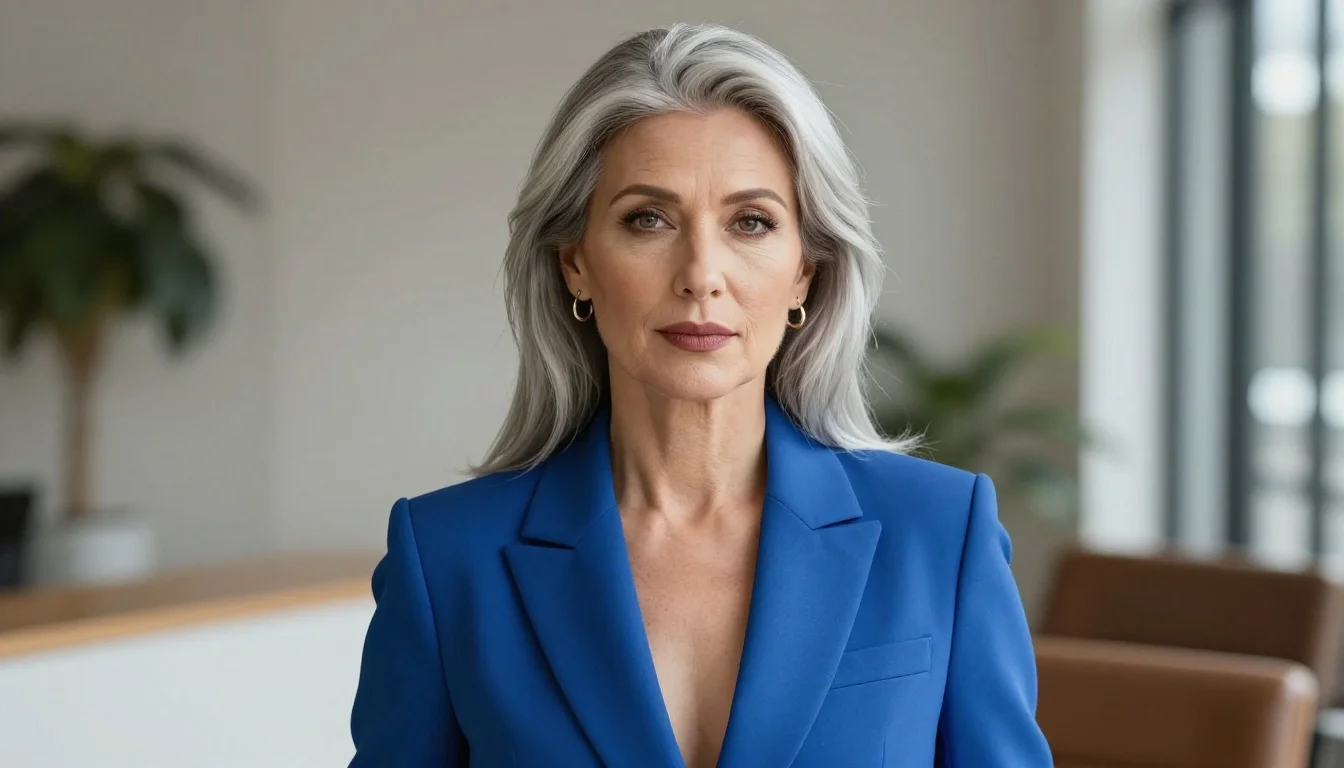
White hair with distinct eyes and darker brows may suit the separation of a clearer accent. Compare softened blue with cobalt and keep the intensity you prefer. White hair and dark brows alone do not establish a Winter subtype.

A grey outfit you want to keep

Pale grey blends in
Deeper grey

Try the same grey outfit with a scarf in a color you already know you enjoy. A difference in lightness or intensity can separate the neckline from your hair without replacing the outfit or adding a vivid jewel tone.

Rust, mustard or olive you love

A warm hue feels bold
A new layer

Test the garment in good light. If it feels unbalanced, compare a different version of the hue, add an intervening neckline color, or use it as a smaller accessory. These colors are choices to adjust, not automatically forbidden shades.

Seasonal Palettes for Grey Hair

Grey hair does not automatically move you into a cool season. An established warm palette may still be useful; your preferred depth and intensity can change within it. The cool palettes below are comparisons for readers who already find cool colors helpful, not diagnoses based on silver hair alone.

Cool Summer

Cool Summer

If cool, moderately soft colors already look balanced on you, explore Cool Summer's dusty rose, powder blue and lavender. Compare them with warmer versions rather than treating a pink complexion or silver hair as proof of this season.

Learn more
Soft Summer

Soft Summer

If softer colors and gentle contrasts are your preference, Soft Summer offers muted teal, mauve and dusty blue to compare. Pewter hair alone does not determine this palette, and a useful warm neutral need not be discarded.

Learn more
Cool Winter

Cool Winter

If clearer cool colors and stronger contrast work well for you, explore Cool Winter's cobalt, magenta, white and black. Bright white hair may complement that contrast, but it cannot establish a Winter season on its own.

Learn more

Find Your Exact Grey-Hair Palette

Grey hair isn't a limitation — it changes the balance of an outfit and gives you new combinations to explore. Your exact palette depends on your specific grey shade, skin undertone, and contrast level. Upload your photo to Palette Hunt and get a personalized color analysis that shows you exactly which shades make your silver look extraordinary.

Stop guessing — preview every color on you

Preview Yourself In Your Palette

Get my personalized palette

Want to see these colors on you? Virtual Hair Color Try-On

Frequently Asked Questions About Colors to Avoid for Grey Hair

What colors should you avoid with grey hair?

No color is off-limits just because your hair is grey. Watch for a near-face shade that feels too warm, too stark or too similar in lightness to your complexion. Compare another temperature, a gentler contrast or a clearer version before replacing a whole color family.

Does grey hair look better with warm or cool colors?

Either can work. Your complexion and overall contrast still matter; going grey does not automatically make you cool-toned. Compare warm and cool versions of a similar color in consistent daylight and keep the balance you prefer.

What colors make grey hair look vibrant?

A useful accent gives enough separation from your hair and skin without dominating them. Try a berry, blue or green at two intensities. A softer or clearer version may work better for you; very bright jewel tones are one option, not a requirement.

Can you wear beige with grey hair?

Yes. Beige ranges from golden camel to cooler taupe and varies in depth. If one beige seems yellow or flat beside your face, compare a different undertone or a slightly deeper version. You can also keep beige in trousers, shoes or a bag and choose another neckline color.

What jewelry looks best with grey hair?

Silver, gold, mixed metals and matte finishes can all work. Compare pieces near your face rather than matching the metal to your hair alone. Keep the size and shine similar when comparing; style preference matters as much as a rule about warm or cool.