Dress for Grey Hair withConfidence and Intention
Build a wardrobe that works with grey hair, not against it. Discover how to build looks with shades that actually flatter you.
Grey hair is not a styling problem to work around — it's a sophisticated asset that most people dramatically underuse. The standard advice (soften everything, avoid anything too bold) is exactly backwards. Grey hair functions as a refined neutral: a silver-cool backdrop that makes vivid, clear, and deeply saturated colors look more intentional, more modern, and more deliberate than they would against any other hair color. The real wardrobe strategy for grey hair isn't about hiding or compensating. It's about understanding which colors leverage grey's sophistication — and building a wardrobe around them.


3,000+
happy clients
How Grey Hair Changes What Clothes Work
Grey hair is not a styling problem to work around — it's a sophisticated asset that most people dramatically underuse. The standard advice (soften everything, avoid anything too bold) is exactly backwards. Grey hair functions as a refined neutral: a silver-cool backdrop that makes vivid, clear, and deeply saturated colors look more intentional, more modern, and more deliberate than they would against any other hair color. The real wardrobe strategy for grey hair isn't about hiding or compensating. It's about understanding which colors leverage grey's sophistication — and building a wardrobe around them.
Grey hair creates a specific visual dynamic that's different from any pigmented hair color. It's light, reflective, and neutral-cool — which means nearby colors are amplified and reflected differently than they would be against dark or warm hair. A vivid sapphire blouse next to grey hair looks like a deliberate fashion statement. The same blouse next to dark brown hair simply looks bold. Grey hair's reflective quality gives your clothing choices more visual weight and more intentionality, but only when you choose colors with enough contrast or complementary energy to work with it.
The most common wardrobe mistake with grey hair is choosing colors that blend into it rather than contrast with it. Warm beige, dusty mid-tone neutrals, and chalky pastels sit at a similar low-saturation level to grey hair — and the result is that neither the hair nor the outfit looks intentional. Everything flattens into a wash. Grey hair's sophistication only registers when there's something to contrast against: the crisp cool of a deep navy blazer, the vivid energy of a sapphire top, the elegant depth of a rich plum coat.
There's also a temperature dynamic to understand. Grey hair — especially fully silver grey — runs cool in tone. This means warm, yellow-adjacent colors (olive, warm tan, bright orange) create a temperature fight rather than a complement. Cool colors harmonize naturally. Rich, vivid warm colors with depth (cherry red, tomato red with richness, deep cranberry) create striking contrast without the clash. The wardrobe principle for grey hair is consistent: depth and saturation beat flat and warm every time.
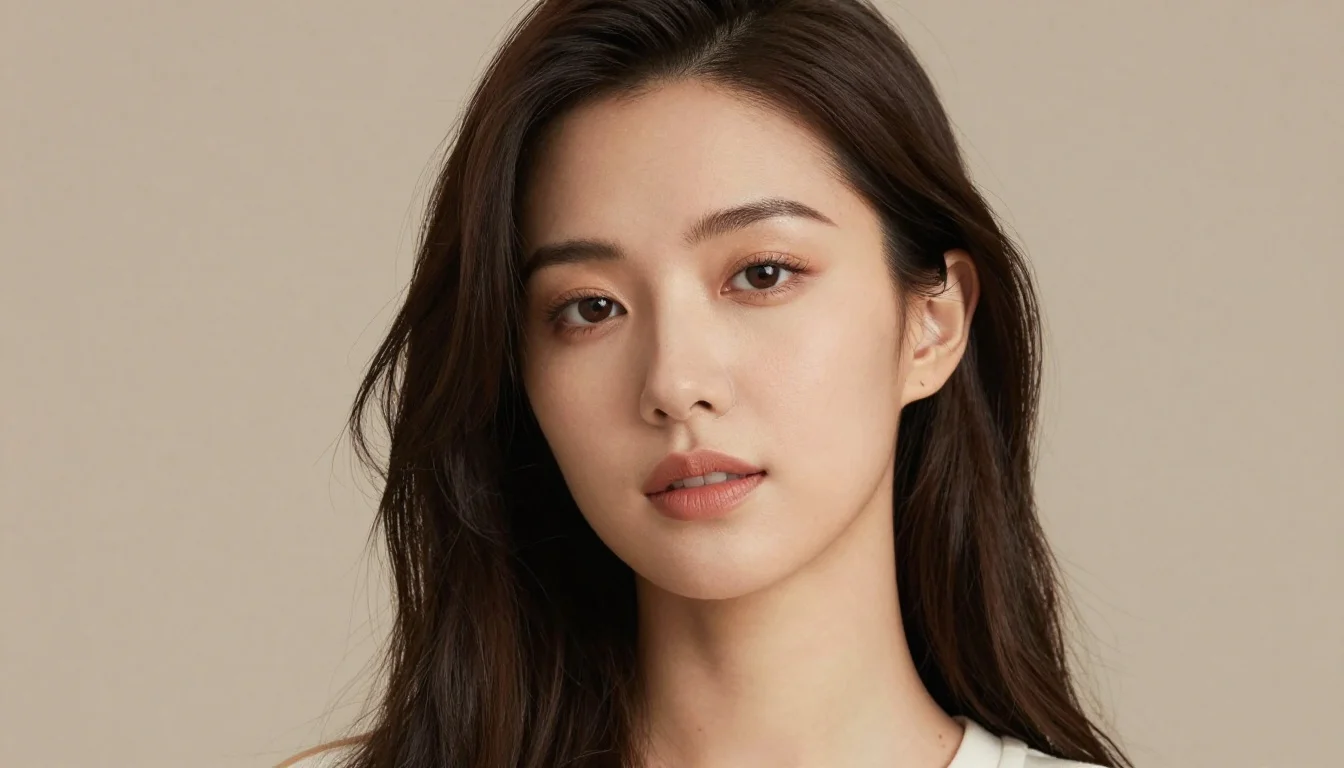
What colors should you wear with grey hair?
Vivid jewel tones (sapphire, amethyst, emerald, cobalt), sharp cool darks (deep navy, rich charcoal, deep plum), and crisp white are the strongest wardrobe colors for grey hair. They all share a key quality: enough contrast or cool-complementary energy to make grey hair look vividly silver rather than flat. Cherry red and tomato red also work as warm accent pieces because they're vivid enough to create striking warm-cool contrast. The wardrobe principle is consistent: depth and saturation over flat and warm.
Your Core Wardrobe Colors
Vivid Jewel Tones
Jewel tones are the signature wardrobe win for grey hair — and most grey-haired people underuse them completely. Sapphire, amethyst, emerald, and cobalt have two qualities that make them extraordinary against silver hair: they're vivid enough to create immediate visual contrast, and they're cool or clear enough to harmonize with grey's temperature. A sapphire silk blouse, an amethyst knit, or a true cobalt structured jacket against grey hair looks editorial and intentional in a way that's hard to achieve with any other hair color. Build jewel tones as your signature wardrobe category — they're your strongest colors. Specific pieces to prioritize: a sapphire blue wrap dress, an amethyst cashmere knit, a cobalt structured blazer, an emerald silk blouse for evening.
Sharp High-Contrast Darks
Deep, cool darks create the maximum contrast that makes grey hair look vividly silver. Navy is the single most flattering dark for grey hair — it has the cool depth that resonates with grey's temperature while providing the kind of crisp contrast that makes the hair look luminous. Deep plum sits at the intersection of depth and jewel quality: it reads as sophisticated and cool, and makes grey hair look deliberately silver rather than accidentally aged. Use charcoal (rather than warm brown) as your neutral dark — it harmonizes with grey rather than fighting it. Key wardrobe pieces: a deep navy tailored coat, a rich charcoal wide-leg trouser, a deep plum blazer, a forest green cashmere rollneck.
Crisp Elevated Neutrals
Crisp white is one of grey hair's best neutrals — it amplifies the hair's light quality and creates a clean, modern contrast that makes the whole look feel intentional. This is very different from warm ivory or creamy white (which can make grey hair look yellowed); you want a genuinely crisp, cool white. Pale lavender sits in the neutral family for grey hair with an added benefit: violet tones neutralize any yellow in grey hair, making it look crisper and more distinctly silver. A pale lavender linen shirt or soft silver-grey fine knit works both as a neutral and as a toning agent for the hair. Key pieces: a crisp white tailored button-down, a pale lavender knit, a cool-toned linen trouser in silver-grey.
Bold Warm Accent Pieces
Grey hair creates a sophisticated neutral backdrop that makes one or two vivid warm accent pieces look extraordinary rather than overpowering. Cherry red is the most reliable: it's warm enough to create vivid contrast against grey's cool quality, but rich enough in tone to avoid clashing. A cherry red structured blazer or coat worn against grey hair looks like a deliberate, confident fashion choice. Bright turquoise sits between warm and cool and creates a vivid accent without temperature conflict. These are your statement pieces rather than your wardrobe foundation — use them for occasions where you want maximum impact. Key pieces: a cherry red tailored blazer, a bright turquoise silk scarf or blouse.

Ready to see sapphire blue & amethyst purple on your face?
Start my color analysisHow to Build Outfits with Grey Hair
Lead with contrast, not camouflage
The single most important principle for dressing with grey hair: contrast works, camouflage fails. Any time you reach for a muted, warm, or low-saturation piece to wear near your face, ask whether it has enough depth or cool-complementary quality to make your grey hair look silver. Warm beige, dusty mid-tones, and chalky colors almost never pass this test. The outfit formula that reliably works: one vivid or deep anchor piece near the face (a jewel-tone blouse, a deep navy jacket, a cherry red scarf), clean neutral bottoms (crisp white, charcoal, or deep navy), and silver or cool-toned accessories. This formula creates the contrast that makes grey hair look intentional from 10 feet away.
Use jewel tones as your signature
Grey hair makes jewel tones look more extraordinary than any other hair backdrop — not less. Sapphire worn against grey hair looks like a considered, editorial choice. The same color worn against dark brunette hair is simply vivid. Use this to your advantage: build a signature wardrobe around two or three jewel tones that work with your specific grey and skin tone. Common winning combinations: silver-grey hair with sapphire blue and amethyst purple; warmer-toned grey with emerald green and cobalt; salt-and-pepper with deep teal and rich plum. A capsule wardrobe of five jewel-tone pieces — a blouse, a knit, a blazer, a scarf, and one evening piece — gives you enormous outfit range while always looking polished with grey hair.
Master the statement dark
Deep, cool darks are your most reliable wardrobe workhorses for grey hair. Navy is the essential: it works as a blazer, a coat, a trouser, and a dress, and against grey hair it always reads as polished and intentional. Deep plum and forest green give you the same depth with more visual interest. The key is to avoid warm darks — brown, warm taupe, olive-dark — which fight grey's cool quality without the crisp contrast of a truly cool dark. Invest in: a deep navy wool coat, a rich charcoal tailored trouser, a deep plum cashmere blazer. These three pieces form the dark foundation of a wardrobe that makes grey hair look consistently striking.
Deploy violet and lavender strategically
Violet and lavender have a specific functional benefit for grey hair that goes beyond visual appeal: violet tones neutralize yellow in grey hair, making it look crisper, brighter, and more distinctly silver. This is the same principle as violet-toning shampoo — the color cancels yellowing through reflected light. A soft violet knit, a pale lavender linen blouse, or a purple silk scarf worn near the face makes grey hair look cleaner and more luminous, particularly under artificial lighting where grey can look yellowish. Keep at least one great lavender or soft violet piece specifically for indoor environments — work settings, restaurants, evening events where warm artificial light is the norm.
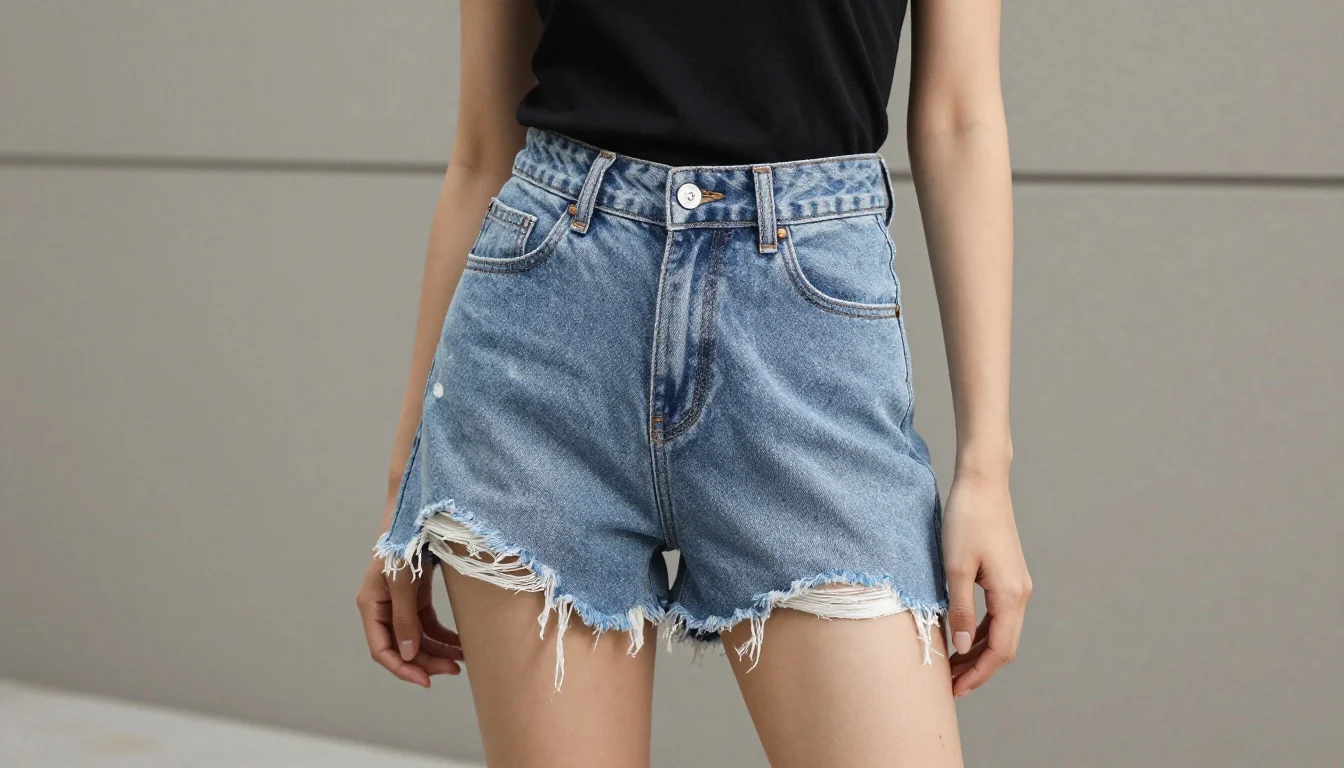
Colors That Make Grey Hair Look Dull
Warm beige, camel, and sandy tan
Warm beige and camel sit in a yellow-warm register that creates a temperature fight with grey hair's cool-neutral quality — without providing any useful contrast. The result is that both the outfit and the hair look low-saturation and flat. Beige near grey hair is one of the most effective ways to make the entire look look washed out. If you want a neutral that works, replace warm beige with crisp white, cool ivory, or soft lavender — neutrals that either contrast cleanly or complement grey's temperature.
Dusty, chalky mid-tone pastels
Chalky, desaturated pastels — faded peach, dusty rose without depth, pale sage — exist in the same low-saturation register as grey hair without providing contrast or complementary energy. They're not warm enough to create vivid contrast and not deep enough to create cool contrast. They simply sit alongside grey hair in mutual flatness. Pastels can work for grey hair when they have a slight coolness or lavender quality; chalky, washed-out versions drain the hair's remaining luminosity.
Olive, yellow-green, and warm khaki
Yellow-adjacent greens create two problems for grey hair. First, the yellow-warm quality fights grey's cool tone without creating interesting contrast. Second, grey hair is highly reflective — nearby yellow-green tones can cast a warm, unflattering hue onto the hair itself, making it look greenish or yellowed under certain light. Cool forest green (deep enough to avoid yellow) works beautifully; olive and warm khaki near the face are specifically problematic for grey hair. Replace khaki trousers with charcoal or deep navy; replace olive knits with forest green or deep teal.
Bright warm orange and warm coral
Vivid warm orange creates the most jarring temperature conflict with grey hair's cool quality. Unlike cherry red (which has enough richness and depth to bridge warm-cool contrast), bright orange sits in the most conflicting register — warm, vivid, and yellow-adjacent. Against grey hair, it makes the hair look flat and grey and the color look garish. Warm coral has a similar issue when it reads as orange-adjacent. If you love warm saturation, choose cherry red, vivid cranberry, or turquoise instead — these create the warmth or vividness with better temperature resolution.
Stop guessing — preview every look on you
See these looks on my photoYour Wardrobe, Upgraded
Replacing the pieces that disappear against grey hair with ones that make it look striking.
Warm beige fights grey hair's cool quality without creating contrast. Crisp white amplifies grey hair's light quality and looks modern; lavender tones the hair to look crisper and more silver.
Camel and olive lack the cool depth to complement grey hair — they create flatness rather than polish. Deep navy provides crisp cool contrast; amethyst brings jewel-tone energy that makes grey hair look vivid.
Chalky pastels sit at the same low-saturation level as grey hair — they create mutual flatness. Violet tones grey hair to look more distinctly silver; sapphire creates vivid cool contrast that makes the hair luminous.
A warm neutral coat makes grey hair look flat and undifferentiated. Deep forest green and plum create cool depth that makes grey hair look vividly silver; cherry red creates vivid warm contrast that looks intentional and bold.
Warm metallics blend into grey hair under evening lighting — neither the hair nor the dress registers fully. Jewel-tone dresses create the depth and complementary cool energy that makes grey hair look dramatically silver at evening events.
Khaki's warm yellow tone fights grey hair's cool quality when worn in a full-length mirror look. Charcoal, deep navy, and cool grey harmonize with grey hair's temperature and form a crisp contrast foundation for any top.
Which Seasonal Palette Fits Your Grey Hair?
Grey hair shifts most people toward the cooler seasonal palettes, regardless of their original season. Your skin undertone and eye color determine which cool palette fits best — the grey hair is a strong indicator of cool undertones but not the only variable.
Cool Summer
Learn moreIf your grey hair is medium silver without extreme contrast, your skin has rosy or neutral-cool undertones, and your eyes are soft (blue-grey, soft hazel, or cool green), Cool Summer likely describes your current coloring. Your wardrobe palette is cool and medium-depth: soft amethyst, dusty rose with enough richness, cool sage, muted teal, and soft plum. Everything reads as sophisticated and cool without the high contrast of a Winter type. Navy and soft violet are your most reliable workhorses.
Light Summer
Learn moreIf your grey hair has a lighter, more delicate silver quality, your overall contrast is soft (light eyes, fair or medium skin without strong contrast), and your coloring reads as gentle and refined rather than vivid, Light Summer may fit. Your wardrobe palette emphasizes clarity and lightness: pale lavender, soft periwinkle, cool blush with grey depth, powder blue, and gentle grey-green. Avoid heavy darks — your grey hair looks most striking with lighter, cool-clear colors rather than deep jewel tones.
Cool Winter
Learn moreIf your grey hair is bright and vivid silver (or very white), you have high overall contrast (vivid eyes against clear skin), and your coloring looks most striking in sharp, clear colors, Cool Winter likely fits. Your wardrobe palette is cool and high-contrast: icy whites, vivid jewel tones (sapphire, emerald, true cobalt), sharp black, and bright fuchsia. You can wear the most saturated and contrasted colors of any type — grey hair and a bright amethyst dress look extraordinary on a Cool Winter.
Soft Summer
Learn moreIf your grey hair has a softer, slightly warmer quality rather than crisp silver, your overall look is gentle rather than vivid, and your skin has a neutral quality without strong cool or warm bias, Soft Summer may fit. Your wardrobe palette is cool and muted: dusty rose, soft muted teal, gentle lavender, cool taupe with richness, and powder blue with depth. Everything has a refined softness — the jewel tones that work for Cool Winter would overwhelm your gentle coloring, but cool depth and soft saturation look polished.
Find Your Exact Grey Hair Wardrobe Palette
Grey hair is one of the most sophisticated and versatile features in personal coloring — but the exact wardrobe strategy depends on specifics: whether your grey runs cool silver or softer warm-grey, whether you're fully grey or salt-and-pepper, and what your skin tone and eye color add to the overall contrast picture. A personalized color analysis maps your precise current seasonal type and identifies the exact shades — specific hex codes and fabric recommendations — that make your particular grey hair look its most intentional and striking.
Stop guessing — preview every color on you
Preview Yourself In Your Palette
Get my personalized paletteStop guessing — preview every color on you
Preview Yourself In Your Palette

Related Guides for Wardrobe for Grey Hair
Explore more personalized color advice based on your features.
Want to see these colors on you? Virtual Hair Color Try-On — free to try.
Frequently Asked Questions About Wardrobe for Grey Hair
What colors should you wear with grey hair?
Vivid jewel tones (sapphire, amethyst, emerald, cobalt), sharp cool darks (deep navy, rich charcoal, deep plum), and crisp white are the strongest wardrobe colors for grey hair. They all share a key quality: enough contrast or cool-complementary energy to make grey hair look vividly silver rather than flat. Cherry red and tomato red also work as warm accent pieces because they're vivid enough to create striking warm-cool contrast. The wardrobe principle is consistent: depth and saturation over flat and warm.
What colors should you avoid wearing with grey hair?
Avoid warm beige, camel, sandy tan, dusty chalky pastels, olive, warm khaki, and bright warm orange. These colors fight grey hair's cool-neutral quality without providing useful contrast — the result is a flat, washed-out look where neither the hair nor the clothing registers as intentional. Warm yellow-adjacent tones are particularly problematic because grey hair reflects nearby colors, and yellow-green can cast a warm, unflattering hue onto grey hair itself.
Does grey hair look better with warm or cool colors?
Cool colors are the most reliable for grey hair because they harmonize with grey's temperature. Deep navy, sapphire blue, amethyst, emerald, and teal all work beautifully because they complement grey's cool quality while providing contrast. Warm colors can work if they have sufficient depth and richness — cherry red and vivid cranberry are excellent warm choices. The colors to avoid are flat, low-saturation warm tones (beige, tan, warm olive) that fight grey's cool quality without interesting contrast.
Can you wear black with grey hair?
Yes, but with a note: pure black can sometimes read as harsh against grey hair, particularly if your coloring is not high-contrast overall. The softer alternatives — deep navy, rich charcoal, deep plum — provide the same visual depth with more elegance. If black works in your coloring (typically Cool Winter or high-contrast types), it can look striking against grey hair because the high contrast makes the hair look vividly silver. Test black near your face and see whether it energizes your coloring or flattens it — that answer guides the decision.
What jewel tones work best with grey hair?
Sapphire blue, amethyst purple, emerald green, and true cobalt are the four jewel tones that work most reliably with grey hair. They have in common: vivid saturation that creates visual contrast, and cool or clear undertones that complement grey's temperature. Amethyst and lavender have the added benefit of toning grey hair — violet wavelengths neutralize yellow in grey, making the hair look crisper and more distinctly silver. Emerald green works best when it reads as cool green rather than warm yellow-green.
How do you build a capsule wardrobe for grey hair?
A capsule wardrobe for grey hair is built around three categories: jewel-tone signature pieces (two or three key colors — sapphire, amethyst, emerald — in blouse, knit, and blazer form), deep cool darks as neutrals (deep navy coat, charcoal trousers, deep plum blazer), and crisp elevated neutrals (crisp white shirts, pale lavender knits, cool-toned linen). Add one or two warm accent pieces (cherry red blazer or scarf) for visual variety. This structure gives you outfit range while always ensuring the colors near your face create the contrast that makes grey hair look striking.