Best Colorsfor Men with Pale Skin
Pale skin has cool or neutral undertones that make certain colors look sharp and polished. Discover which shades flatter you most — and which to skip.
Pale skin — light in tone with cool, neutral, or occasionally warm undertones — has specific color rules that most generic guides get wrong. The common advice to "avoid black" is flatly false: dark, high-contrast colors are where pale skin often looks its sharpest. The real challenge is identifying which colors have enough contrast or tonal harmony to work with your lightness rather than washing you out. This guide tells you exactly which colors to wear and why they work on pale skin.


3,000+
happy clients
Why Skin Tone Depth Changes Your Color Rules
Pale skin — light in tone with cool, neutral, or occasionally warm undertones — has specific color rules that most generic guides get wrong. The common advice to "avoid black" is flatly false: dark, high-contrast colors are where pale skin often looks its sharpest. The real challenge is identifying which colors have enough contrast or tonal harmony to work with your lightness rather than washing you out. This guide tells you exactly which colors to wear and why they work on pale skin.
Pale skin reflects more light than darker complexions, which means colors placed near your face need to do one of two things: create clean contrast or harmonize through shared lightness. Mid-tone colors — the muddy middle ground of neither dark nor light — tend to look most washed out against pale skin because they compete with the skin's lightness without winning.
The undertone of your pale skin matters too. Cool-undertoned pale skin (with pink or blue-pink tones) looks sharpest in cool and neutral colors. Neutral or slightly warm pale skin has more flexibility, able to carry both warm ivory tones and clean cool shades. Understanding your undertone is the key to choosing between whites, navies, and earth tones.
For pale men specifically, contrast is your most powerful styling tool. Wearing dark colors near your face creates a clear visual separation that reads as deliberate and put-together. Equally, wearing tonal soft pastels can look refined — but only when the pastels are genuinely cool and clear, not warm and chalky.
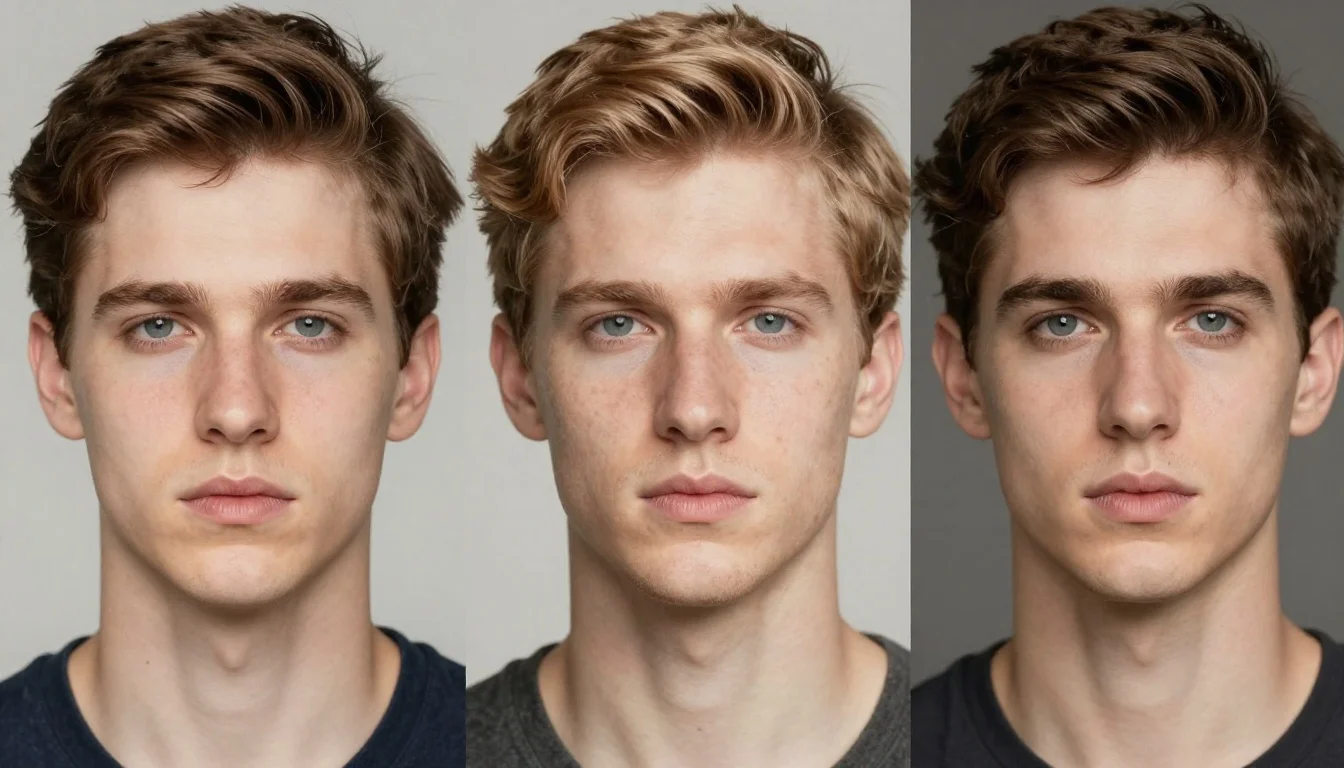
What colors look best on pale men?
Deep navy, charcoal, forest green, burgundy, and jewel tones like emerald and sapphire look consistently strong on pale skin. These colors create the contrast that makes pale complexions look sharp and intentional. Pure white also works well, while warm mid-tones like beige, tan, and light grey tend to wash pale skin out.
Colors That Look Sharp on Pale Skin
Deep Navy and Midnight Blue
Deep navy creates outstanding contrast against pale skin without the harshness of black. It sits in the cool-neutral spectrum, which harmonizes with the undertones of most pale complexions. A navy shirt or jacket next to pale skin creates a clean, authoritative contrast that looks sharp in both casual and professional contexts.
Forest and Emerald Greens
Deep, saturated greens look unexpectedly strong on pale skin because the coolness of green harmonizes with the cool undertone common in pale complexions. Emerald and forest green provide strong contrast against light skin without the temperature clash that some warm earth tones can create. These are dramatically underused colors for pale men.
Burgundy and Deep Red
Cool-toned deep reds — burgundy, oxblood, merlot — look exceptional on pale skin. The depth creates strong contrast against light skin, and the cool-red quality (leaning more toward blue-red than orange-red) harmonizes with pink-undertoned pale complexions. A burgundy cable knit or shirt on pale skin looks rich and intentional.
Charcoal, Slate, and Black
High contrast is one of pale skin's natural advantages, and dark neutrals exploit it fully. Black against pale skin creates dramatic contrast that looks powerful in tailoring. Charcoal grey is a versatile option that provides similar depth without maximum formality. These colors let the lightness of pale skin read as a feature rather than a default.

Ready to see midnight navy & indigo on your face?
Start my color analysisHow to Build a Wardrobe Around Pale Skin
Lead with contrast
Your sharpest looks will come from pairing pale skin with dark clothing, particularly near the face. A navy, charcoal, or deep forest green shirt on pale skin creates a contrast framework that looks intentional and polished. Build your wardrobe around dark anchors — navy, charcoal, deep green, burgundy — rather than trying to work with medium tones.
Own the white shirt
Pure white is one of the few genuinely pale colors that works on pale skin, because it creates a tonal harmony through shared lightness rather than failing through muddy mid-tone competition. A crisp white dress shirt or white tee on pale skin looks clean and intentional. Ivory or cream can also work, particularly on warm-undertoned pale skin.
Use jewel tones strategically
Jewel tones — deep sapphire, emerald, ruby, amethyst — consistently flatter pale skin because they have both depth (creating contrast) and cool saturation (harmonizing with pale undertones). A jewel-toned shirt or sweater is one of the most reliable choices for pale men who want to look sharp without wearing black. Add one or two jewel-tone pieces to every seasonal wardrobe.
Tonal pale dressing
When wearing light colors, go fully tonal — an all-pale palette of white, light blue, and ice grey can look deliberately refined rather than washed out. The key is keeping everything in the cool spectrum and avoiding any warm tones that introduce muddiness. A light blue shirt with pale grey trousers and white trainers is a clean, cohesive look.

Not just for men
These contrast principles apply to everyone — see the full guide to the best colors for pale skin across every undertone.
Colors That Wash Out Pale Skin
Warm yellows and mustard
Warm yellows and mustard introduce a yellow undertone that conflicts with the cool undertone in most pale skin, making the complexion look sallow or jaundiced. The warm-yellow color pulls the yellow out of pale skin in the wrong way — creating a washed-out, unwell appearance.
Light grey and beige
Mid-tone neutrals like light grey and beige lack contrast against pale skin and have no tonal harmony to compensate. They result in a flat, textureless visual effect where the skin and garment seem to blend together. If you wear neutrals, wear dark charcoal or bright white — not the middle ground.
Washed-out pastels (chalky pinks, dirty lilac)
Dull, desaturated pastels have a chalky quality that makes pale skin look equally washed out. If you wear pastels, choose clear, crisp versions — an ice blue or clean mint — rather than muted, grayed-down versions. The latter have the same effect as wearing your skin color.
Warm terracotta and burnt orange
Warm orange-toned colors create a visual contrast with cool pale skin that reads as unflattering rather than dynamic. The warm-versus-cool temperature clash makes pale skin look almost grey next to terracotta or orange. These colors work on warmer, deeper complexions but fight cool pale skin.
Stop guessing — preview every shade on you
See myself in my colorsColor Swaps for Pale Skin
Replacing colors that flatten pale skin with ones that create genuine contrast and energy.
Light grey sits too close to pale skin in tone, creating a washed-out effect. Deep navy or charcoal provides the contrast that makes pale skin read as healthy and deliberate.
Warm beige clashes with the cool undertone of pale skin. Forest green and burgundy are cool-leaning deep colors that harmonize with pale complexions while providing strong contrast.
Mustard's warm yellow undertone fights cool pale skin. Emerald and deep burgundy offer the same rich seasonal feel without the temperature conflict.
Tan lacks both contrast and tonal harmony with pale skin. Navy and dark slate create the contrast framework that makes pale skin look sharp rather than washed out.
Warm orange-toned colors create a temperature clash with cool pale skin. Deep cobalt and bottle green are saturated cool colors that sit naturally next to a pale complexion.
Light grey blends into pale skin without creating the contrast that makes formal dress look deliberate. Charcoal and navy are the pale skin man's strongest suit colors.
Which Palette Might Be Yours?
Pale skin appears across multiple seasonal types — the specific season depends on your hair color, eye color, and undertone warmth, not skin depth alone.
Cool Summer
Learn moreIf your pale skin has a soft, pink-cool undertone, your hair is light to medium brown or ash blonde, and you look best in muted cool tones — dusty rose, soft lavender, dove grey — Cool Summer is likely your season. Your best colors are always cool and muted, never warm or vivid.
Light Summer
Learn moreIf your pale skin is very fair and delicate, your coloring is light overall (blonde hair, blue or grey eyes), and you look washed out in anything dark or vivid, Light Summer may be your season. Your palette is soft, light, and cool — powder blue, pale lavender, rose water.
Cool Winter
Learn moreIf your pale skin has a distinct cool, blue-pink undertone and you have high natural contrast — dark hair, light skin — Cool Winter may be your season. You can carry vivid, clear cool colors and dramatic darks. Deep navy, pure white, icy blue, and true red are your strongest colors.
Find Your Exact Colors
Pale skin gives you real advantages with contrast dressing, but the specific undertone of your complexion determines whether cool jewel tones, warm earth tones, or high-contrast darks are your strongest direction. A personalized color analysis identifies your exact season and gives you a complete palette — including the specific shades of navy, green, and burgundy that work best with your individual pale complexion.
Stop guessing — preview every color on you
Preview Yourself In Your Palette
Get my personalized paletteStop guessing — preview every color on you
Preview Yourself In Your Palette

Related Guides for Best Colors for Men with Pale Skin
Explore more personalized color advice based on your features.
Want to see these colors on you? What Colors Look Good on Me — free to try.
Frequently Asked Questions About Best Colors for Men with Pale Skin
What colors look best on pale men?
Deep navy, charcoal, forest green, burgundy, and jewel tones like emerald and sapphire look consistently strong on pale skin. These colors create the contrast that makes pale complexions look sharp and intentional. Pure white also works well, while warm mid-tones like beige, tan, and light grey tend to wash pale skin out.
Should pale men avoid wearing black?
No — the advice to avoid black is wrong for most pale men. Black creates strong contrast against pale skin that looks deliberate and polished, particularly in tailoring. The colors to actually avoid are warm mid-tones (beige, mustard, tan, terracotta) that neither contrast with pale skin nor harmonize with its cool undertone.
Can men with pale skin wear earth tones?
Warm earth tones — camel, tan, terracotta — generally don't flatter cool-undertoned pale skin because they create a temperature conflict. However, cool-leaning earth tones like olive green and grey-taupe can work on neutral or slightly warm pale complexions. If your pale skin has warm undertones rather than cool, you have more access to the warm earth tone family.
What is the best shirt color for pale skin?
Deep navy, white, and forest green are the strongest everyday shirt choices for pale men. Navy provides clean contrast, white creates tonal harmony through shared lightness, and forest green is a deeply flattering but underused choice that pairs exceptionally well with cool pale undertones. Avoid light grey, beige, and chalky pastels.
What colors make pale skin look healthier?
Contrast is the key to making pale skin look healthy rather than washed out. Deep navy, charcoal, emerald green, and burgundy all create strong contrast that gives pale skin a rich appearance by comparison. Warm blush and dusty rose tones can also add warmth if your skin has neutral undertones, but avoid them if your undertone is cool.