Best Colorsfor Men with Warm Undertones
Warm undertones in men's skin respond to specific colors that either harmonize with golden warmth or. Discover which shades flatter you most — and which to skip.
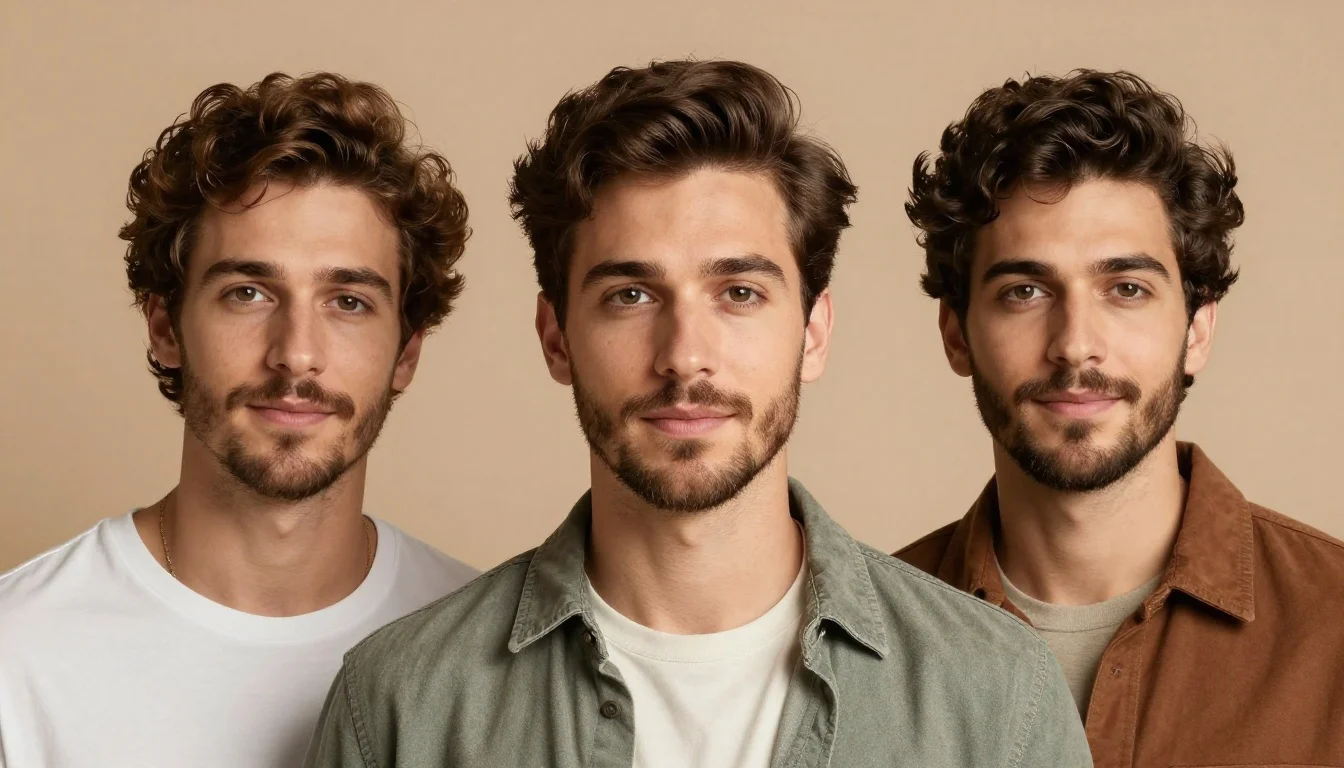
Warm undertones — the golden, yellow, peach, or bronze quality beneath the surface of the skin — fundamentally change which colors look alive on you and which drain your complexion. If the veins on your wrist look more green than blue, if gold jewelry looks better on you than silver, or if you tend to tan easily and burn rarely, you likely have warm undertones. This guide breaks down the color families that consistently flatter warm-undertoned men and the ones to avoid.


3,000+
happy clients
Why Warm Undertones Change Your Color Rules
Warm undertones — the golden, yellow, peach, or bronze quality beneath the surface of the skin — fundamentally change which colors look alive on you and which drain your complexion. If the veins on your wrist look more green than blue, if gold jewelry looks better on you than silver, or if you tend to tan easily and burn rarely, you likely have warm undertones. This guide breaks down the color families that consistently flatter warm-undertoned men and the ones to avoid.
Warm undertones create a golden, yellow, or peachy quality in the skin that responds differently to color than cool undertones do. Colors with warm undertones — earth tones, warm greens, warm reds — harmonize with warm skin because they share the same temperature, creating a cohesive, natural appearance. Colors with cool undertones — cool blues, cool pinks, cool purples — can create a temperature conflict that makes warm skin look sallow or dull.
The intensity of your warm undertone matters too. Very warm, golden skin (Deep Autumn or Warm Autumn types) looks best in rich, saturated warm tones. Slightly warm or golden-neutral skin (Warm Spring types) has more flexibility and can also carry some vivid cool colors without conflict. Understanding where you fall on the warm spectrum determines how strictly you need to follow warm-tone rules.
For men specifically, warm undertones open up a range of colors that are often overlooked — camel, rust, olive green, warm burgundy — while making certain common men's colors (cool greys, icy blues) less effective. Learning to shop the warm side of every color family is the key insight for warm-undertoned men.
How do I know if I have warm undertones?
Check your wrist veins — green-toned veins suggest warm undertones, blue-purple veins suggest cool. Gold jewelry looks better on warm undertones, silver on cool. If you tend to tan rather than burn in the sun and have a natural golden quality to your skin, you likely have warm undertones.
Colors That Flatter Warm Undertones
Earth Tones and Warm Neutrals
Earth tones share the yellow-brown-warm quality of warm undertones, creating a harmonious tonal relationship that looks naturally put-together. Camel is particularly strong — the warm golden-beige aligns directly with warm skin's undertone. Cognac and chocolate brown add depth while maintaining the warm quality. Khaki and warm beige provide the same harmony in lighter, more casual contexts.
Olive and Forest Green
Green tones — particularly warm greens with yellow or brown undertones — look naturally cohesive on warm-undertoned skin. Olive green is especially flattering because it shares the yellow-green quality found in warm undertones. Forest green provides richer contrast while remaining warm enough to harmonize. These greens appear more intentional and sophisticated on warm skin than on cool complexions.
Warm Reds and Burgundy
Warm reds — those with orange or brown undertones rather than blue-pink undertones — look rich and cohesive on warm-undertoned skin. Rust and terracotta align directly with the warm quality of the skin. Warm burgundy (leaning brown-red rather than purple-red) adds depth and sophistication. These colors look vibrant rather than garish on warm skin because the temperature match creates harmony.
Navy and Deep Warm Blues
Navy is one of the most reliable colors for warm-undertoned men because it sits in the cool-neutral zone — cool enough to contrast with warm skin without a direct temperature conflict. Deep navy and indigo have enough warmth in their depth to avoid clashing. Warm teal adds a green quality that aligns well with warm undertones. These provide the crisp contrast that men need in professional dress without fighting warm skin.

Ready to see camel & cognac on your face?
Start my color analysisHow to Build a Wardrobe for Warm Undertones
Build around warm neutrals
Camel, cognac brown, warm khaki, and olive green are your wardrobe anchors. These warm neutrals are infinitely versatile for casual and smart-casual wear and always harmonize with warm undertones. A camel coat, olive chinos, and warm khaki shirt are pieces that will consistently look right on you.
Choose the warm version of every color
Almost every color family has a warm version and a cool version. Navy has warm-leaning deep indigo and cool-leaning icy blue. Green has warm olive and cool mint. Red has warm rust and cool cool-red. For every color you consider, ask which direction it leans. On warm-undertoned skin, always buy the warm version.
Use navy for professional polish
Deep navy is your most reliable formal and professional color. It provides clean contrast without the temperature conflict that lighter, cooler blues create. A navy suit or navy blazer with warm-toned shirts (ivory, cream, light warm blue) is the strongest professional look for warm-undertoned men.
Avoid cool grey as a default
Cool grey is an incredibly common default in men's fashion, but it fights warm undertones. If your wardrobe has a lot of grey tees and grey knitwear, swap them progressively for warm alternatives — camel, cognac, olive green, warm rust. The difference in how your complexion looks will be immediately visible.
Colors That Work Against Warm Undertones
Cool-toned pink and rose
Cool pinks and blue-based roses create a direct temperature conflict with warm undertones. The cool-pink quality fights the golden warmth of the skin, making warm complexions look sallow or muddy. Warm men should avoid anything in the pink-lavender family, particularly in garments worn near the face.
Icy, pale blues and lavender
Very cool, pale colors amplify the warmth of warm undertones in an unflattering way — making the skin appear more yellow or sallow rather than warm and healthy. Icy blue or pale lavender shirts look washed out on warm complexions. If you want blue, choose deep navy or cobalt rather than pale icy versions.
Cool grey (blue-grey)
Greys with blue undertones fight warm skin. A blue-grey shirt next to warm skin makes the warmth of the skin look excessive rather than healthy. If you want grey, choose a warm grey (one with slight brown or yellow undertones) or dark charcoal, which is neutral enough to avoid the temperature conflict.
Cool-toned greens (mint, seafoam)
Cool greens — mint, seafoam, cool sage — have a blue-green quality that can create a mild temperature conflict with warm undertones. Warm greens (olive, forest, moss) harmonize well with warm skin. Cool greens look better on cool-undertoned complexions. The difference between a warm and cool green can seem subtle but is visible in how they sit next to warm skin.
Stop guessing — preview every shade on you
See myself in my colorsColor Swaps for Warm Undertones
Replacing cool-toned defaults with warm alternatives that harmonize with your undertone.
Grey fights warm undertones with its cool quality. Camel, cognac, and olive share the warmth of your undertone and create a naturally cohesive look.
Pale cool colors create a temperature conflict with warm undertones. Deep, warm versions of the same color families provide needed depth without the clash.
Cool greens fight warm undertones. Olive and moss are the warm-side equivalents that harmonize rather than conflict.
Blue-grey creates a temperature mismatch on warm skin. Warm khaki, camel, and olive sit in the warm spectrum and create a naturally cohesive lower-body.
While charcoal is neutral enough to work, camel and cognac actively harmonize with warm undertones and create an elevated, intentional warm palette.
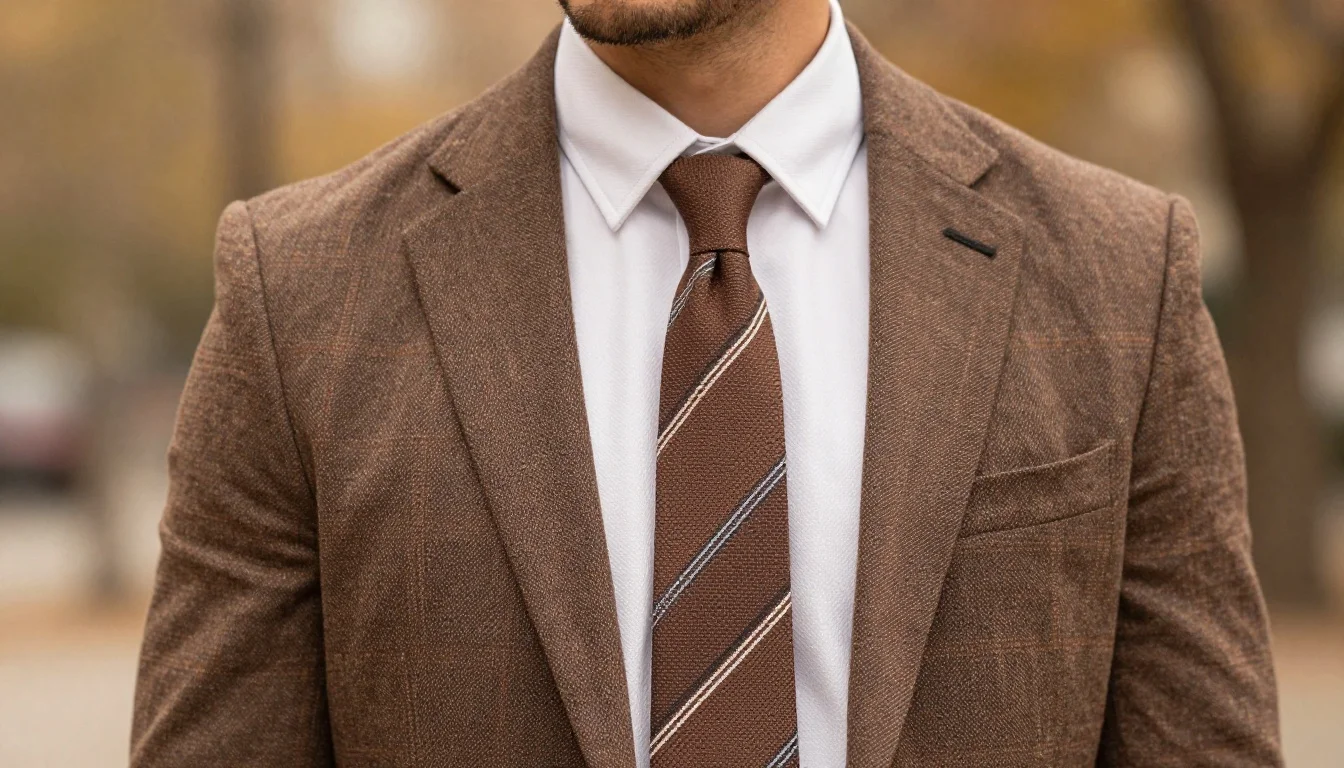
Medium cool grey creates temperature conflict. Navy is neutral-cool but with enough depth to work. Warm dark brown suits are exceptionally flattering on warm-undertoned men in formal or event contexts.
Which Palette Might Be Yours?
Warm undertones span several seasonal types — the specific season depends on the depth and intensity of your coloring as well as the strength of your warmth.
Warm Autumn
Learn moreIf your warm undertones are distinct and rich — golden-brown skin, dark warm hair, hazel or warm brown eyes — and earth tones feel instinctively right, Warm Autumn is likely your season. Camel, rust, forest green, warm burgundy, and cognac are your native palette.
Warm Spring
Learn moreIf your warm undertones are lighter and more golden-peach — lighter warm skin, golden or warm light brown hair, warm green or hazel eyes — Warm Spring may fit. Your colors are warm and clear rather than muted: golden yellow, peach, coral, warm turquoise, ivory. Lighter and brighter than Warm Autumn.
Deep Autumn
Learn moreIf your warm undertones come with rich depth — deep warm skin, very dark hair, dark warm eyes — Deep Autumn captures your coloring. Your palette is the warmest and richest of all: deep cognac, chocolate, forest green, warm rust, and camel. High depth and warmth are your signature.
Find Your Exact Colors
Warm undertones are a clear guide to which side of every color family to shop — but the specific depth and intensity of your warmth determines exactly which warm tones are your most flattering. A personalized color analysis identifies your exact season and gives you a complete palette of colors where your warm complexion looks most alive and intentional.
Stop guessing — preview every color on you
Preview Yourself In Your Palette
Get my personalized paletteStop guessing — preview every color on you
Preview Yourself In Your Palette

Related Guides for Best Colors for Men with Warm Undertones
Explore more personalized color advice based on your features.
Want to see these colors on you? Skin Undertone Test — free to try.
Frequently Asked Questions About Best Colors for Men with Warm Undertones
How do I know if I have warm undertones?
Check your wrist veins — green-toned veins suggest warm undertones, blue-purple veins suggest cool. Gold jewelry looks better on warm undertones, silver on cool. If you tend to tan rather than burn in the sun and have a natural golden quality to your skin, you likely have warm undertones.
What colors should men with warm undertones wear?
Earth tones (camel, cognac, rust, terracotta), warm greens (olive, forest), warm reds (brick, warm burgundy), and deep navy are your strongest colors. Navy is uniquely versatile — cool enough to contrast, deep enough to avoid fighting warm undertones. Earth tones and olive green are where warm-undertoned men look most naturally polished.
Can men with warm undertones wear grey?
Yes, but choose carefully. Warm grey (taupe-grey with yellow or brown undertones) works. Dark charcoal is neutral enough to work for contrast. Cool blue-grey should be avoided — it creates a temperature conflict with warm undertones that makes the skin look sallow. When in doubt, switch warm grey for camel or olive.
Should men with warm undertones avoid blue?
Not all blues — avoid pale, icy, or very cool blues. Deep navy, cobalt, and indigo all work because they have enough depth to create contrast without a direct temperature clash. The rule is: avoid the pale, cool-leaning versions of any color, not the deep, saturated versions.
What is the best suit color for men with warm undertones?
Deep navy is the single best professional suit color for warm-undertoned men — it contrasts without fighting warm skin. Charcoal also works (it's dark enough to be neutral). For occasions or events, a warm dark brown suit or camel suit is exceptionally flattering on warm undertones. Avoid medium cool grey suits.