Best Colors forNeutral Undertones
See the best colors for neutral undertones, from dusty teal and mauve to sage, greige, camel, and rose.
Neutral undertones sit between warm and cool — and that in-between position is a genuine advantage, not a vague middle ground. You can pull colors from both sides of the spectrum. But the real secret is understanding the blended, complex colors that look most natural on you and that neither purely warm nor purely cool skin can carry as effortlessly.


3,000+
happy clients
What colors look best on neutral undertones?
The best neutral-undertone colors are balanced, complex shades such as dusty teal, mauve, sage, greige, warm stone, camel, antique rose, and eucalyptus. Warm-neutral skin can lean slightly earthier; cool-neutral skin can lean slightly softer and cooler. Avoid starting with very icy, neon, or strongly orange shades.
Why Neutral Undertones Give You More Options — and a Different Challenge
Neutral undertones sit between warm and cool — and that in-between position is a genuine advantage, not a vague middle ground. You can pull colors from both sides of the spectrum. But the real secret is understanding the blended, complex colors that look most natural on you and that neither purely warm nor purely cool skin can carry as effortlessly.
Neutral undertones have neither the yellow-gold quality of warm skin nor the pink-blue quality of cool skin. Your skin reflects both temperatures somewhat equally, which means you don't clash hard with either warm or cool colors. That cross-compatibility is rare — and it's the foundation of neutral undertones' versatility.
The challenge that comes with this flexibility is decision paralysis. When everything works adequately, it's harder to find what works brilliantly. The answer is in blended, complex colors — shades that sit between warm and cool, like dusty teal, mauve, olive, warm grey, and greige. These are the colors that look most alive on neutral skin.
Most people told they have neutral undertones actually tilt slightly in one direction. Slightly warm-neutral skin (more ivory than pink) handles warm-leaning colors more naturally. Slightly cool-neutral skin (more pink-beige than ivory) handles cool-leaning colors more naturally. Identifying your tilt — even subtly — narrows the perfect palette significantly.

Colors That Excel on Neutral Undertones
Dusty, Complex Tones
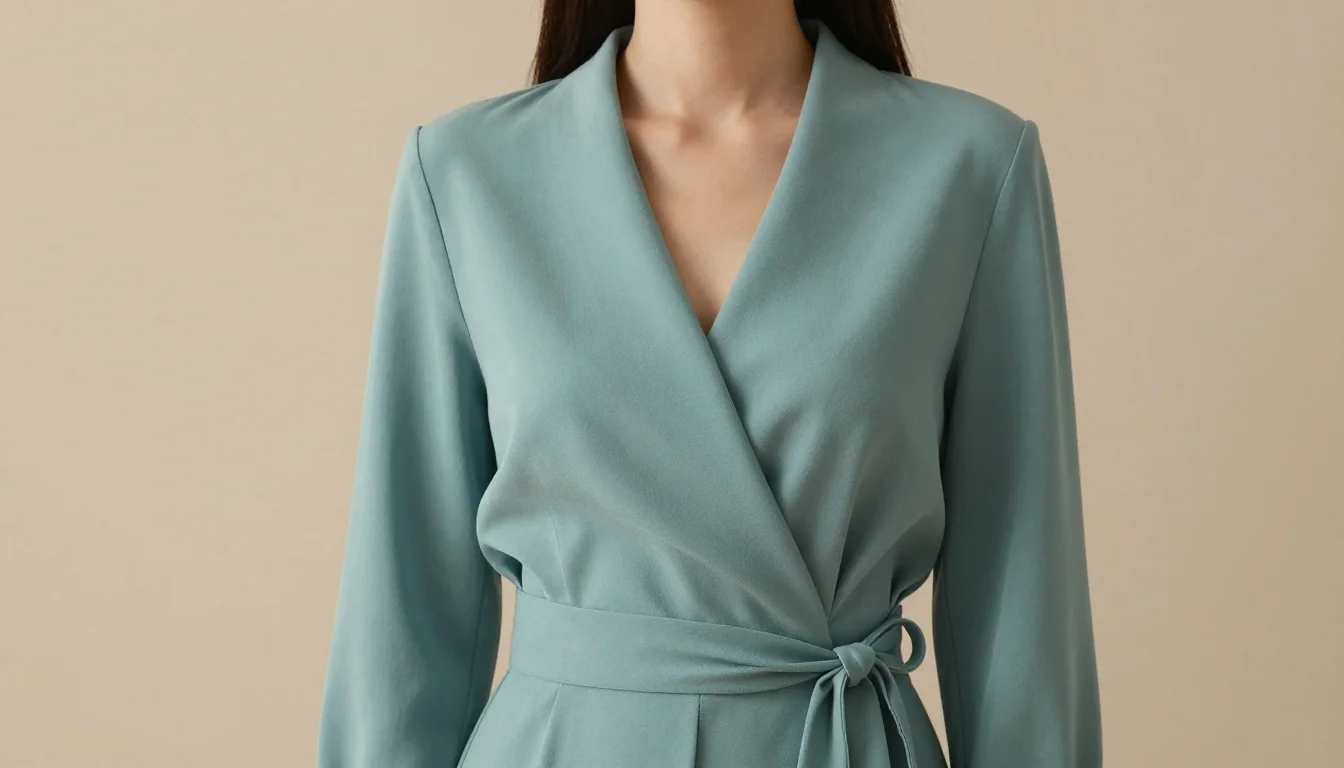
These in-between colors — neither fully warm nor fully cool — are uniquely flattered by neutral undertones. Dusty teal sits between blue and green with a hint of warmth. Mauve balances pink and purple with enough warmth to avoid looking cold. Greige combines grey and beige into a neutral that reads sophisticated rather than undefined. Purely warm or cool skin struggles with these — you wear them naturally.
Warm-Cool Greens
Greens that blend warm and cool are a signature category for neutral undertones. Sage has warmth but reads as fresh, not earthy. Soft olive has the complexity of mixed temperatures. Eucalyptus has a cool-leaning quality with enough grey to stay harmonious. These are the exact greens that look awkward on decisively warm or cool skin but luminous on neutral.
Soft Warm-Neutral Earths
Warm-neutrals with a soft, balanced quality work beautifully when your skin also sits in balanced territory. Camel has universal warmth without the richness that works best on golden undertones. Warm stone has cool grey with just enough warmth to feel organic. Oatmeal and soft mushroom create harmonious, layered neutral looks that feel considered rather than default.
Clear Medium-Depth Colors
Medium-depth colors with balanced saturation flatter neutral undertones particularly well. They don't need the offsetting contrast that warm undertones need with blue, or the warmth adjustment that cool undertones need with earthy reds. Warm periwinkle has just enough warmth in its blue to work with ivory skin. Clear berry sits between pink and purple with no strong temperature. Antique rose reads as both warm and cool — it's genuinely balanced.

Ready to see teal & mauve on your face?
Start my color analysisHow to Use Neutral Undertones to Your Advantage
Identifying your slight tilt
Look at your natural lip color and the inside of your wrist veins. Clearly blue-purple veins = cool tilt; clearly green veins = warm tilt; blue-green together = truly neutral. Your natural lip color also tells the story: peachy-pink = warm tilt, cool pink-rose = cool tilt, medium rose = truly neutral. Your tilt guides which end of each color family suits you better.
Building outfits with blended colors
Your advantage is in layering blended colors — something warm-leaning neutral skin doesn't have access to without looking too heavy. Try a sage green sweater over oatmeal trousers. A dusty teal shirt with warm grey trousers. Mauve with camel accessories. These combinations look organic and considered on you. On warm skin they'd look muddy; on cool skin they'd look mismatched.
Metal choices and jewelry
Neutral undertones are the rare complexion that can genuinely wear both gold and silver. But even here, your slight tilt guides you: warm-neutral looks more alive with gold; cool-neutral looks more refined with silver. When in doubt, rose gold always works — it sits precisely at the warm-cool meeting point. Try mixing metals in layered jewelry for an effortlessly balanced look.
Building contrast without extremes
Rather than relying on stark dark-on-light contrast (a classic dark hair/pale skin look), neutral undertones often build the best looks through tonal relationships — slightly varied depths of the same color family. A dusty rose blouse with warm stone trousers and a greige coat creates visual interest through warm-neutral layering. The effect is sophisticated and specifically flattering for your coloring.
Think you're neutral?
Neutral is the trickiest to self-assess, so take the quick skin undertone test to be sure.
Colors That Challenge Neutral Undertones
Extremely saturated warm OR cool colors
Very vivid warm colors — vivid orange, golden yellow — can push neutral skin toward looking sallow if your neutral leans slightly cool. Very vivid cool colors — electric cobalt, neon teal — can push neutral skin toward looking washed out if your neutral leans slightly warm. The most flattering versions are slightly muted or balanced. Save extreme saturation for accent pieces away from your face.
Pale, desaturated beige
Washed-out beige and greige-pastels often read as flat on neutral skin because there's not enough contrast or temperature definition. The color lacks personality and so does the overall look. A richer camel or warm stone accomplishes the neutral look with depth that actually flatters skin.
Icy cool tones without warmth
Icy silver, powder blue, and very pale lavender with no warmth in their base can look disconnected on neutral-warm skin. They work well on cool undertones but can create a slight temperature mismatch with neutral skin. Choose the slightly warmer, slightly softer version of these colors — dusty blue over ice blue, dusty lavender over silver-lilac.
Very warm orange-red without depth
Vivid orange and flame-bright reds work best when there's clear warm undertone to match. On neutral skin, these can create an orange cast. Deeper, more complex reds — brick red, antique rose, warm burgundy — have enough brown depth to work across neutral skin tones without the same risk.
Stop guessing — preview every shade on you
See myself in my colorsSmarter Color Choices for Neutral Undertones
These swaps replace temperature extremes with the blended colors that neutral skin handles best.
Bright white can look too stark without a strong cool undertone to anchor it. Oatmeal gives you lightness with a balanced warmth that complements neutral skin.
Flat mid-grey has neither warmth nor cool definition. Warm stone and greige add tonal depth that makes neutral undertones look healthy rather than flat.
Vivid cobalt is very cool-dominant. Dusty teal and warm periwinkle have the balanced temperature that suits neutral undertones better.
Bright orange-red pushes neutral skin warm in an unflattering way. Brick red and antique rose have depth and complexity that reads as rich, not clashing.
Neon lime is one of the hardest colors for neutral undertones. Sage and eucalyptus give you the green in a warm-cool blended form that suits you naturally.
Pale beige can look washed-out against neutral skin. Camel has the depth to anchor an outfit; mushroom has the sophistication of a blended neutral.
Which Seasonal Palette Might Be Yours?
Neutral undertones appear across several seasonal palettes — the distinguishing factor is whether you have more warm or cool characteristics overall, and your depth and contrast level.
Soft Summer
Learn moreIf your neutral undertones feel cool-leaning — soft, muted skin that looks best in dusty, slightly cool colors — and your overall coloring is gentle rather than high-contrast, Soft Summer is likely your palette. You look most alive in cool-muted tones: dusty rose, soft teal, lavender-grey, and muted raspberry.
Soft Autumn
Learn moreIf your neutral undertones feel warm-leaning — ivory or golden-beige skin that looks best in earthy, slightly warm tones — Soft Autumn is worth exploring. Your palette uses warm-muted colors: sage green, warm terracotta, dusty gold, and soft olive. Everything has warmth, but nothing is vivid.
Light Summer
Learn moreIf your neutral-cool skin is light and your overall appearance is soft and delicate without high contrast, Light Summer may be a fit. Your palette is cool but light — powder blue, soft lavender, cool rose, and pale teal — and you look washed out in anything too vivid or too dark.
Find Your Exact Colors
Neutral undertones mean you have real flexibility — but that flexibility is most powerful when you know exactly which complex, blended colors are yours. Your slight warm or cool tilt, your depth, and your contrast level all refine your palette from 'can wear most things' to 'looks stunning in these specific things.' A personalized color analysis maps those specifics precisely.
Stop guessing — preview every color on you
Preview Yourself In Your Palette
Get my personalized paletteStop guessing — preview every color on you
Preview Yourself In Your Palette

Related Guides for Best Colors for Neutral Undertones
Explore more personalized color advice based on your features.
Want to see these colors on you? Skin Undertone Test — free to try.
Frequently Asked Questions About Best Colors for Neutral Undertones
What colors look best on neutral undertones?
Blended, complex colors are the strongest choice for neutral undertones — dusty teal, mauve, sage, greige, warm stone, antique rose, and eucalyptus. These in-between colors look most natural on neutral skin. You can also borrow from both warm and cool palettes: warm-neutral skin suits earthy warm tones, while cool-neutral skin suits muted cool tones.
How do I know if I have neutral undertones?
Look at the veins on your inner wrist — blue-green veins indicate neutral undertones (versus clearly purple-blue for cool or clearly green for warm). Your natural lip color sitting in a medium rose without a strong peachy or pink cast also suggests neutral. Silver and gold jewelry both looking reasonable on you is another common indicator.
Can neutral undertones wear warm and cool colors?
Yes — that's the defining advantage. Neutral undertones can wear both warm and cool colors without hard clashes. The best results come from choosing colors that are slightly muted or complex rather than extremely vivid. Very saturated warm or cool extremes can push neutral skin off-balance, but balanced or blended colors almost always work well.
What neutral colors are best for neutral undertones?
Oatmeal, warm stone, greige, soft mushroom, camel, and warm ivory are the most flattering neutrals for neutral undertones. They have enough warmth and complexity to complement neutral skin without going fully warm or fully cool. Avoid flat mid-grey and pale beige, which can look underdefined against neutral skin.
What jewelry suits neutral undertones?
Neutral undertones are the one complexion that can genuinely wear both gold and silver. Rose gold is particularly flattering — its warm-cool blend mirrors neutral skin's own balance. Mixed metal jewelry also looks naturally intentional on neutral undertones rather than mismatched. Your slight warm or cool tilt can guide you: warm-neutral suits gold slightly better, cool-neutral suits silver slightly better.
What season am I if I have neutral undertones?
Neutral undertones appear in several seasons — most commonly Soft Summer, Soft Autumn, or Light Summer. Your exact season depends on whether your neutrals feel slightly warm or slightly cool, your overall depth and contrast level, and your hair and eye color. Soft seasons (Soft Summer and Soft Autumn) are the most common match because neutral undertones often have a muted, blended quality.