Winter Wardrobe forPale Skin
Discover the coat colors, layering palettes, and holiday outfit hues that truly flatter pale skin. Discover how to build looks with shades that actually flatter you.
Pale skin is at its most powerful in winter — the season's drama, rich fabrics, and deep colours are a natural backdrop for fair complexions. But the wrong choices — particularly grey and washed-out beige — can make pale skin disappear entirely. The right winter wardrobe uses contrast and depth strategically to make your complexion look porcelain and intentional rather than washed out.


3,000+
happy clients
How Winter Light Affects Pale Skin
Pale skin is at its most powerful in winter — the season's drama, rich fabrics, and deep colours are a natural backdrop for fair complexions. But the wrong choices — particularly grey and washed-out beige — can make pale skin disappear entirely. The right winter wardrobe uses contrast and depth strategically to make your complexion look porcelain and intentional rather than washed out.
Winter light is low in angle and cool in quality. For many skin tones this creates challenges — but for pale skin it can actually be a gift. Pale complexions have natural luminosity that bounces soft winter light beautifully, particularly in indoor settings with warm incandescent or candlelight.
The challenge for pale skin in winter is contrast. Wearing very pale or washed-out colours near the face can cause your skin to blend into the outfit, making your features disappear. Conversely, wearing very dark colours with zero transitional tones can create a stark, harsh look depending on your undertones.
The solution is understanding your specific undertone — warm, cool, or neutral — and then using colour to create the right amount of contrast and depth. The right winter palette will make your pale skin look like a deliberate, beautiful canvas rather than an absence of colour.

Can pale skin wear all-black in winter?
Yes, but with some nuance. All-black can look stunning on pale skin — the contrast is striking and dramatic. However, for very pale, cool-toned complexions, softening with a coloured scarf or warm accessory near the face prevents the look from feeling too stark or harsh. For pale skin with warm undertones, breaking up black with camel, ivory, or burgundy accents works beautifully.
Your Winter Wardrobe Colors
Deep Jewel Tones
Deep jewel tones provide the contrast that pale skin needs in winter without being harsh. They create visual depth and make pale skin look deliberately luminous — like porcelain against velvet. These colours work for both cool and neutral pale complexions.
Winter Neutrals
These are the working backbone of your winter wardrobe. Ivory keeps it soft and elegant near the face without the cold harshness of stark white. Charcoal and navy provide the depth you need without the flatness of black for lighter colouring.
Coat and Outerwear Colors
A bold coat is where pale skin truly shines. Pale complexions can carry the coats that other skin tones find overwhelming. Cobalt, classic red, and forest green become signature pieces against a fair complexion and draw focus in the best way.
Holiday and Evening
Pale skin glows under warm evening lighting. Deep cherry red is perhaps the most iconic pairing with fair skin at the holidays. Navy and emerald provide sophisticated alternatives, and champagne gold creates a luminous, ethereal effect.

Ready to see sapphire blue & emerald green on your face?
Start my color analysisDressing Well in Winter
Coat selection
Lean into bold coat colours — this is where pale skin has a distinct advantage. A classic red, cobalt blue, or emerald green coat looks stunning against a fair complexion and becomes your signature statement piece. Pale skin can carry these powerful colours effortlessly.
Layering strategy
Build contrast deliberately. Start with a deep base (navy, charcoal, deep green), add a medium tone in the middle, and keep the layer closest to your face slightly lighter or more coloured. This creates depth in the outfit while framing your pale complexion flatteringly.
Holiday party dressing
Classic red is almost universally stunning on pale skin at holiday events. Deep cherry, crimson, and wine tones photograph beautifully under warm party lighting. Midnight navy with gold accessories is a sophisticated alternative. Avoid icy pale colours that compete with rather than complement your complexion.
Cosy-at-home but still flattering
Choose deep-toned knits in navy, forest green, or burgundy for loungewear. Pale skin surrounded by dark, rich colours looks intentionally monastic and elegant. Avoid shapeless grey sweats — the grey-on-pale combination is the most visually flat pairing for your complexion.
Colors That Wash Out Pale Skin in Winter
Pale beige or greige
Wearing a colour nearly identical to your skin tone — particularly near the face — causes you to blend in rather than stand out. There is no contrast to define your features, and pale skin can look unwell rather than elegantly fair.
Dull medium tones
Medium greys, dusty mauves, and muddy mid-tones have no depth to create contrast and no brightness to add luminosity. For pale skin, they produce a flat, washed-out appearance with none of the drama that your complexion can beautifully carry.
Warm yellows and mustard
These colours can reflect yellow-gold light onto pale skin and create a sallow appearance, particularly for cool-undertoned pale complexions. The warmth clashes with cool undertones and can make skin look unwell.
Orange and warm terra cottas (for cool pale skin)
If your pale skin has cool or pink undertones, warm orange-based colours create an unflattering clash. The reflected warmth can make cool-toned skin appear ruddy or washed out.
Stop guessing — preview every look on you
See these looks on my photoWinter Wardrobe Swaps for Pale Skin
Strategic substitutions that let your fair complexion shine all winter long.
A pale coat near a pale face creates no visual interest. A bold coat colour makes your complexion the luminous focal point of the entire look.
Mid-grey is the least flattering tone for pale skin — it is dull enough to look washed out but not deep enough to create flattering contrast. Navy and burgundy give you the depth your complexion needs.
Pale sparkly tones blend with fair skin under party lighting. Deep, rich colours create the striking contrast that makes pale skin look intentionally luminous and dramatic.
Stark white creates a cold, clinical look against pale skin and can actually make complexion look more flushed or ruddy. Ivory has warmth that flatters without washing out.
Light colours near your face eliminate contrast and flatten features. A deep jewel-toned scarf frames your pale complexion and makes your eyes and features stand out beautifully.
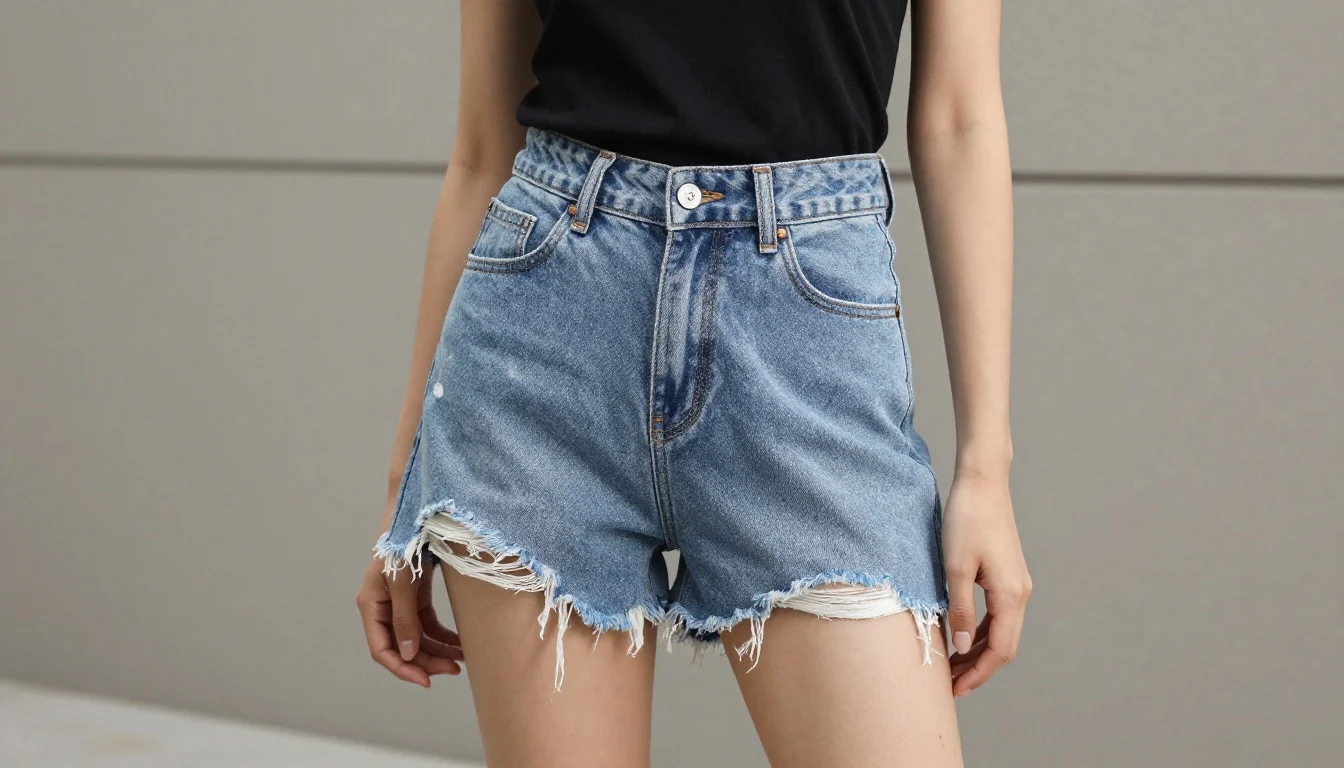
Light denim next to pale skin creates a very low-contrast outfit. Dark trousers ground the look and allow a lighter or bolder top to take focus.
Which Palette Might Be Yours?
Pale skin appears across several seasonal colour palettes. Your specific undertone — cool, warm, or neutral — determines which winter colours will flatter you most.
Cool Winter
Learn moreIf your pale skin has distinctly pink, rosy, or blue undertones and high contrast with dark features, Cool Winter is likely your season. Your ideal winter palette includes icy pastels balanced with deep cool tones: true navy, cool burgundy, and pure white alongside deep charcoal.
Light Summer
Learn moreIf your pale skin is very fair with cool or neutral undertones and your overall colouring is soft and low-contrast, you may be Light Summer. Your ideal winter palette is softer: dusty rose, soft slate blue, and muted lavender rather than very saturated or very dark tones.
Bright Winter
Learn moreIf your pale skin contrasts sharply with very dark hair and bright or vivid eyes, Bright Winter could be your match. This palette calls for bold, clear colours: pure red, true emerald, royal blue — the most striking winter palette for high-contrast pale complexions.
Find Your Exact Colors
Pale skin spans multiple seasonal palettes, and understanding your specific undertone and contrast level transforms your winter wardrobe. A personalised colour analysis identifies the exact depths, temperatures, and intensities that make your complexion look luminous — so every winter purchase works in your favour.
Stop guessing — preview every color on you
Preview Yourself In Your Palette
Get my personalized paletteStop guessing — preview every color on you
Preview Yourself In Your Palette

Related Guides for Winter Wardrobe for Pale Skin
Explore more personalized color advice based on your features.
Want to see these colors on you? What Colors Look Good on Me — free to try.
Frequently Asked Questions About Winter Wardrobe for Pale Skin
Can pale skin wear all-black in winter?
Yes, but with some nuance. All-black can look stunning on pale skin — the contrast is striking and dramatic. However, for very pale, cool-toned complexions, softening with a coloured scarf or warm accessory near the face prevents the look from feeling too stark or harsh. For pale skin with warm undertones, breaking up black with camel, ivory, or burgundy accents works beautifully.
What coat color looks best on pale skin?
Bold coat colours are where pale skin truly shines. Classic red, cobalt blue, emerald green, and even camel all look exceptional against a fair complexion. Pale skin can carry strong statement coat colours that other skin tones might find overwhelming. The one colour to approach carefully is a very pale or beige coat, which can blend with your complexion and create a shapeless, washed-out effect.
What should pale skin wear to a winter holiday party?
Deep cherry red is arguably the most iconic and flattering combination with pale skin at holiday events. Midnight navy with gold accessories is a sophisticated alternative. Rich emerald works beautifully too. The key is choosing colours with depth and contrast — avoid icy, pale shades that blend with your complexion under warm party lighting.
Is grey bad for pale skin in winter?
Medium grey is generally the least flattering colour for pale skin. It is not deep enough to create contrast and not bright enough to add luminosity — it simply creates a flat, dull effect. Very dark charcoal or very light silver-white can both work, but the mid-range grey that dominates winter fashion should be avoided near the face for pale complexions. If you love grey, pair it with a bold coloured scarf or layer.
How can pale skin look healthy in winter?
The secret is strategic contrast and warmth in your colour choices. Wearing deep, rich colours near your face — rather than pale ones that blend with your skin — creates definition and makes features stand out. Adding a warm-toned colour (even a touch of blush pink or dusty rose) can add perceived warmth to very fair skin without looking artificial.
Can pale skin with warm undertones wear the same winter colors as cool pale skin?
Not exactly. Warm-undertoned pale skin looks best in winter colours with a warm base: ivory rather than white, camel rather than grey, wine rather than cool raspberry, forest green rather than pure emerald. The depth and contrast principles are the same, but the temperature of each chosen colour shifts warmer. Cool-undertoned pale skin, conversely, benefits from the classic cool winter palette of navy, true red, and cool jewel tones.