Best Colors forAfrican American Skin
African American skin runs from caramel to deep ebony — your best colors depend on your specific depth band and undertone, not 'dark skin' as a whole.
African American skin spans an extraordinarily wide range — light-medium caramel and honey, rich medium-deep browns, and deep mahogany through ebony. Treating all of it as one 'dark skin' category is exactly why so much color advice falls flat. The honey complexion that lights up in warm coral and the ebony complexion that turns electric in cobalt and crisp white are not the same canvas, and they don't want the same palette. This guide is organized by three depth bands so you can find your specific range, then refine by undertone. The goal isn't a generic rulebook — it's a playbook for your exact complexion, written to celebrate it.


3,000+
happy clients
Why a Depth-Band Approach Beats Generic 'Dark Skin' Advice
African American skin spans an extraordinarily wide range — light-medium caramel and honey, rich medium-deep browns, and deep mahogany through ebony. Treating all of it as one 'dark skin' category is exactly why so much color advice falls flat. The honey complexion that lights up in warm coral and the ebony complexion that turns electric in cobalt and crisp white are not the same canvas, and they don't want the same palette. This guide is organized by three depth bands so you can find your specific range, then refine by undertone. The goal isn't a generic rulebook — it's a playbook for your exact complexion, written to celebrate it.
The single biggest mistake in color advice for African American skin is treating it as a monolith. A light-medium caramel complexion and a deep ebony complexion sit toward opposite ends of the depth spectrum, and depth — how light or dark your skin reads — changes which colors create flattering contrast versus which ones blend or overwhelm. A pale icy yellow that creates a gorgeous graphic pop against deep ebony skin can look slightly washed-out against light-medium caramel. The same color, different result, purely because of depth. That's why bands matter.
Undertone is the second axis, and it's just as important as depth. Across every band, African American skin runs warm (golden, red-brown, copper), neutral, or cool (blue-black, espresso, ash-brown). Two people with identical depth but different undertones will look best in different versions of the same color — a warm-undertone medium-brown complexion glows in burnt orange and warm bronze, while a cool-undertone medium-brown complexion comes alive in cool fuchsia and royal blue. Once you know your band and your undertone, color stops being guesswork.
There's also a persistent myth worth dismantling: that deeper skin should 'play it safe' with muted neutrals and avoid bold color. The opposite is true. The richer melanin in medium-deep and deep complexions provides a luminous backdrop that makes saturated, vivid color land as intentional and striking rather than loud. The colors that overwhelm fairer skin are often precisely the ones African American skin wears best. Your range is wider, not narrower — you just need to aim it at your specific band and undertone.
What colors look best on African American skin?
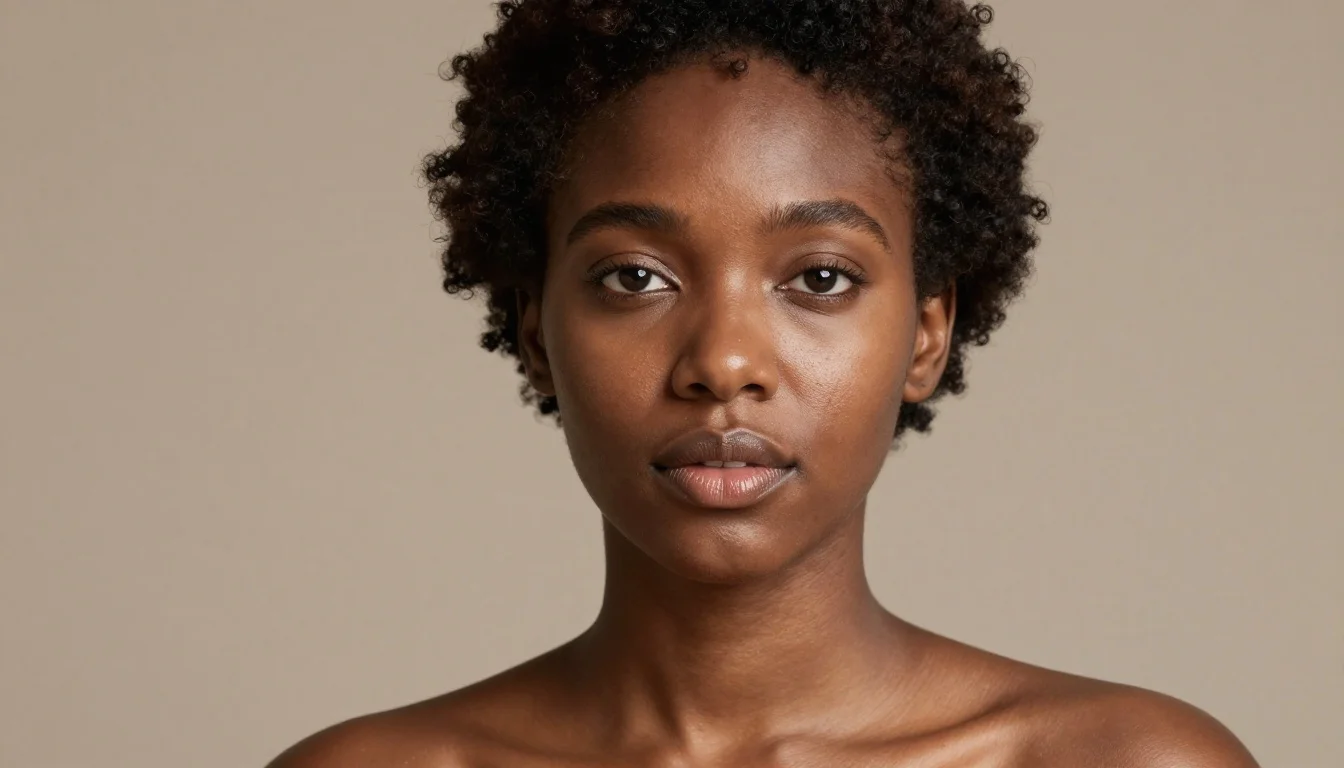
It depends on your depth band. Light-medium caramel and honey skin glows in warm coral, teal, olive, and warm raspberry. Rich medium-deep brown carries vivid brights beautifully — royal blue, deep emerald, fuchsia, burnt orange. Deep mahogany and ebony thrive on dramatic contrast: cobalt, crisp white, icy yellow, hot pink, and pure red. Cobalt, emerald, warm bronze, plum, and magenta flatter across every band.
Your Best Colors, by Depth Band
Light-Medium: Caramel & Honey
Light-medium caramel and honey complexions have enough lightness that very pale or very heavy colors can either wash them out or swallow their natural glow — so the sweet spot is rich, mid-saturation color with warmth. Warm coral and warm raspberry echo the golden glow of caramel skin and make it look lit from within. Teal and olive green provide flattering contrast without the harshness of icy brights. Camel and warm caramel neutrals create an elegant tonal harmony. If your honey skin leans cool, swap warm coral for cool berry and camel for soft taupe — but most caramel complexions reward warmth.
Rich Medium-Deep Brown
Rich medium-deep brown is the most versatile band of all — it carries both vivid brights and deep tones with ease. Royal blue and deep emerald create that cinematic, photographer-favorite contrast against medium-deep skin. Fuchsia reads as joyful and intentional, never garish. For warm undertones in this band, burnt orange and mustard yellow mirror the red-gold warmth of the complexion and radiate. For cool undertones, lean into the blue and magenta end — royal blue, fuchsia, deep teal. This band is where almost every saturated color works; the only real filter is warm versus cool.
Deep Mahogany & Ebony
Deep mahogany and ebony complexions create the most dramatic, editorial color pairings in all of fashion — and they thrive on contrast. Cobalt and pure red against deep skin are among the most striking color combinations the human eye registers. Crisp white and icy pale colors — pale yellow, ice blue, mint — that wash out everyone else create a graphic, luminous pop against ebony skin because your complexion supplies the visual weight they need. Hot pink and electric brights land as powerful, not loud. This is the one band where the palest and the most saturated colors are equally yours.
Universal Power Tones (All Bands)
A handful of colors flatter African American skin across every depth band, making them the safest place to start building a wardrobe. Cobalt blue and deep emerald create rich, alive contrast on caramel through ebony alike. Warm bronze picks up natural warmth across the spectrum and gives a sun-drenched, luminous finish. Rich plum adds depth without relying on harsh contrast, working tonally on deep skin and as contrast on lighter bands. Magenta sits in the perfect zone — warm enough for golden undertones, vivid enough for cool ones. When in doubt, these five are reliably yours.

Curious which band's palette is truly yours?
Start my color analysisHow to Dress Your Band in Real Life
Pinpoint your band, then your undertone
Start by placing yourself in a band: light-medium caramel/honey, rich medium-deep brown, or deep mahogany/ebony. Hold a piece of crisp white and a piece of caramel up to your face in daylight — if white feels striking and graphic, you're likely in a deeper band; if caramel feels more harmonious, you're lighter. Then check undertone: green-looking veins and gold jewelry flattering you signals warm; blue-looking veins and silver flattering you signals cool. Band tells you how much contrast to chase; undertone tells you warm or cool versions of each color.
Build neutrals around caramel, not beige
Skip the pale-beige basics that brands push as universal — they were never calibrated for African American skin. Build your foundation wardrobe in caramel, warm honey-brown, golden tan, rich chocolate, and (for deeper bands) crisp white. These read as true neutrals on your complexion and let your color pieces do the talking. A caramel coat, a chocolate knit, and a white shirt will out-flatter a wardrobe of greys and beiges every time.
Lean into your band's signature move
Each band has a superpower worth leaning into. Light-medium caramel: rich warm color near the face — coral, teal, warm raspberry. Medium-deep brown: bold saturated brights — royal blue, fuchsia, emerald — which you carry better than almost any complexion. Deep mahogany and ebony: dramatic contrast — crisp white, cobalt, pure red, and icy pales that pop graphically against your depth. Knowing your signature move turns a closet of safe choices into a wardrobe that actually works for you.
Jewelry, makeup, and metals
Warm undertones across all bands glow in yellow gold, copper, and bronze metals; cool undertones look crisp in silver and white gold; neutral undertones get both. For makeup, vivid lips land beautifully on medium-deep and deep skin — true red, deep berry, warm brick — while caramel bands can also carry softer warm corals and nudes in caramel tones. Jewel-toned eyeshadow (cobalt, emerald, deep violet) reads as striking rather than theatrical across the board. Deeper-toned bronzer adds dimension without the chalky drag of pale formulas.
Colors That Work Against African American Skin
Skin-match nude beige
Pale beige and 'nude' shades marketed as universal neutrals tend to sit too close to lighter African American complexions and too far from deeper ones — either way they create no useful contrast and read as unfinished. The fix is to redefine your nudes: caramel, warm honey-brown, and golden tan are your true neutrals. They flatter every band by harmonizing with your skin's own richness instead of fighting or disappearing against it.
Muddy desaturated tones
Greige, dusty khaki, murky mauve, and muted oatmeal lack the color energy to interact with melanin-rich skin — they read as ashy and flat across all three bands rather than sophisticated. If you love muted dressing, choose deeper, richer versions: warm taupe instead of beige, dusty olive instead of khaki, deep berry instead of mauve. The richness is what keeps the color alive against your complexion.
Cool pale pink on warm skin
Baby pink and cool pale blush create a greyish, muddy conflict on warm-undertone African American skin in every band, because the cool tone fights your golden or red-brown warmth. If you love pink, go vivid — fuchsia, hot pink, magenta, deep raspberry — or go warm with coral and peach. Cool pale pink only really works on cool-undertone complexions, and even then deeper rose tends to flatter more.
Washed-out light grey (deeper bands)
Very pale, chalky cool grey has neither warmth nor brightness, so against medium-deep and especially deep mahogany and ebony skin it reads as lifeless and flat. Charcoal, slate, and warm heathered grey work beautifully — they have the depth to hold their own. It's specifically the thin, pale, ashy greys that pull deeper complexions down. Lighter caramel bands have a bit more tolerance here, but richer grey is still the safer choice.
Stop guessing — preview every shade on your skin
See myself in my colorsSwaps That Match Your Band
Trading colors that flatten African American skin for ones tuned to your depth and undertone.
Beige disappears or reads unfinished on every band. Caramel harmonizes with lighter skin; crisp white creates a powerful graphic pop on deep skin.
Pale grey sits flat against melanin-rich skin. Cobalt and emerald flatter across all bands; charcoal gives a richer neutral than chalky grey.
Dusty mauve has no energy against your complexion. Fuchsia electrifies medium-deep brown; pure red is a signature power color on deep mahogany and ebony.
Cool baby pink muddies warm skin. Coral mirrors golden warmth; deep raspberry gives cool undertones the vivid pink they actually want.
Murky khaki reads ashy against deeper bands. Chocolate and warm camel build a caramel-based neutral foundation; deep olive keeps earthiness rich.
Pale champagne washes out against your richness. Bronze and plum flatter every band; icy yellow becomes a striking, luminous statement specifically on deep ebony skin.
Which Seasonal Palette Fits Your Band?
African American skin appears across several seasonal palettes, and your band plus undertone point toward the most likely fit. Hair and eye color refine it further, but these are the most common matches across the depth spectrum.
Deep Winter
Learn moreIf your skin sits in the deep mahogany or ebony band with a cool or neutral undertone — blue-black, espresso, or ash-brown — Deep Winter is your most likely home. You handle icy contrast and bold jewel tones effortlessly. True black, cobalt, crisp white, icy pinks, and deep plum are your power colors, and high contrast is your friend.
Deep Autumn
Learn moreIf you're in the medium-deep or deep band with clear warmth — golden-brown, chocolate with red tones, or rich copper — Deep Autumn fits. You look most alive in warm, deep, saturated tones: burnt sienna, cognac, deep forest green, mustard, and warm burgundy. Earthy richness over icy brightness.
Warm Autumn
Learn moreIf your skin is light-medium caramel to medium brown with strong golden or amber warmth, Warm Autumn may be yours. You suit rich, sun-drenched earth tones — warm coral, terracotta, warm olive, saffron, and camel — colors that echo the honey-gold glow of your complexion rather than contrast against it.
Find Your Exact Band and Palette
African American skin is one of the most versatile and powerful canvases for color — but only when you dress for your specific band and undertone rather than a generic 'dark skin' rulebook. Whether you're light-medium caramel, rich medium-deep brown, or deep mahogany and ebony, your precise best colors depend on your exact depth, undertone, eye color, and contrast. These bands are a strong starting framework; a personalized color analysis pinpoints your exact season and hands you a palette built for your complexion alone.
Stop guessing — preview every color on you
Preview Yourself In Your Palette
Get my personalized paletteStop guessing — preview every color on you
Preview Yourself In Your Palette

Related Guides for Best Colors for African American Skin
Explore more personalized color advice based on your features.
Want to see these colors on you? What Colors Look Good on Me — free to try.
Frequently Asked Questions About Best Colors for African American Skin
What colors look best on African American skin?
It depends on your depth band. Light-medium caramel and honey skin glows in warm coral, teal, olive, and warm raspberry. Rich medium-deep brown carries vivid brights beautifully — royal blue, deep emerald, fuchsia, burnt orange. Deep mahogany and ebony thrive on dramatic contrast: cobalt, crisp white, icy yellow, hot pink, and pure red. Cobalt, emerald, warm bronze, plum, and magenta flatter across every band.
Why shouldn't I just follow generic 'dark skin' color advice?
Because African American skin spans an enormous range — caramel and honey through deep ebony — and depth changes which colors flatter. A pale icy yellow that pops graphically against deep ebony can look washed-out on light-medium caramel. Lumping it all into 'dark skin' ignores that your specific depth and undertone, not your race, determine your best colors. The depth-band approach is far more accurate.
How do I find my depth band?
Hold crisp white and caramel fabric to your face in daylight. If white feels striking and graphic while caramel feels harmonious, you're in a deeper band (medium-deep to ebony). If caramel feels more flattering and white feels a touch stark, you're in the lighter caramel/honey band. The three bands are light-medium caramel/honey, rich medium-deep brown, and deep mahogany/ebony.
Do African Americans have warm or cool undertones?
All of them — undertone varies person to person across every depth band. Warm undertones read golden, red-brown, or copper and flatter most in yellow gold, with burnt orange, bronze, and warm coral. Cool undertones read blue-black, espresso, or ash-brown and flatter most in silver, with cobalt, fuchsia, and crisp white. Check vein color and which metals flatter you to identify yours.
What colors should African Americans avoid?
Skin-match pale beige (no contrast), muddy desaturated tones like greige and murky khaki (they read ashy), cool baby pink on warm undertones (muddy conflict), and washed-out chalky grey on deeper bands (lifeless and flat). None are absolute rules — the principle is to avoid colors with no visual weight or warmth near your face, and redefine your neutrals around caramel rather than beige.
What is the best seasonal color palette for African American skin?
Most often Deep Winter, Deep Autumn, or Warm Autumn, depending on band and undertone. Deep, cool-undertone ebony skin usually fits Deep Winter; warm medium-deep and deep skin fits Deep Autumn; light-medium caramel with strong golden warmth often fits Warm Autumn. Some cooler medium complexions land in Cool Winter. A personalized color analysis confirms your exact season.