Best Colors forJapanese Skin
Japanese skin is often light with neutral or soft pink-beige undertones and gentle, low-contrast coloring. Discover which soft shades flatter you most — and which overwhelm.
Japanese skin is frequently light to fair with a quality that sets it slightly apart from broader East Asian generalizations: many Japanese complexions carry neutral or soft pink-beige undertones rather than distinctly golden ones, paired with a gentle, lower-contrast coloring between skin, hair, and eyes. This softness is the defining characteristic — and it has real consequences for color. Where high-contrast, vivid palettes overwhelm a softer face, gently muted, slightly-dusty, harmonious colors let it glow. This guide leans into that principle: softness and harmony over high contrast. It reflects something the Japanese aesthetic has long understood — that restraint, subtlety, and tonal refinement are their own kind of beauty.


3,000+
happy clients
Why Softness and Harmony Matter More Than Contrast for Japanese Skin
Japanese skin is frequently light to fair with a quality that sets it slightly apart from broader East Asian generalizations: many Japanese complexions carry neutral or soft pink-beige undertones rather than distinctly golden ones, paired with a gentle, lower-contrast coloring between skin, hair, and eyes. This softness is the defining characteristic — and it has real consequences for color. Where high-contrast, vivid palettes overwhelm a softer face, gently muted, slightly-dusty, harmonious colors let it glow. This guide leans into that principle: softness and harmony over high contrast. It reflects something the Japanese aesthetic has long understood — that restraint, subtlety, and tonal refinement are their own kind of beauty.
The most useful insight about Japanese skin is not about temperature alone — it's about contrast. Many Japanese complexions are light with neutral or soft pink-beige undertones, and crucially, the difference in depth between the skin, the hair, and the eyes is often gentle rather than dramatic. This is called low-contrast coloring. When your own coloring is soft and blended, the colors you wear should echo that quality. A stark, high-contrast palette doesn't harmonize with a softer face — it competes with it, and the clothing wins, leaving the complexion looking faded by comparison.
This is why so many Japanese complexions look most beautiful in gently muted, slightly-dusty colors rather than vivid, saturated ones. Dusty rose, soft teal, sage green, smoky blue, taupe, and soft plum share a quality of restrained saturation — they have color, but it's softened, as though a touch of grey has been mixed in. These muted tones sit in harmony with soft Japanese coloring rather than overpowering it. The effect is luminous in a quiet way: the skin looks fresh and rested, the eyes look clearer, and nothing about the outfit shouts louder than the face.
The neutral-to-soft-pink undertone common in Japanese skin also means you usually don't have to commit hard to 'warm' or 'cool.' Neutral undertones give you flexibility, but they reward colors that are themselves balanced — neither aggressively warm orange nor icy cool blue, but the softened middle ground. Think of the refined, muted palette of traditional Japanese textiles and ceramics: indigo softened to smoky blue, earth tones muted to taupe and clay, greens dusted toward sage. That aesthetic isn't just cultural; it's optically correct for the softness of many Japanese complexions.
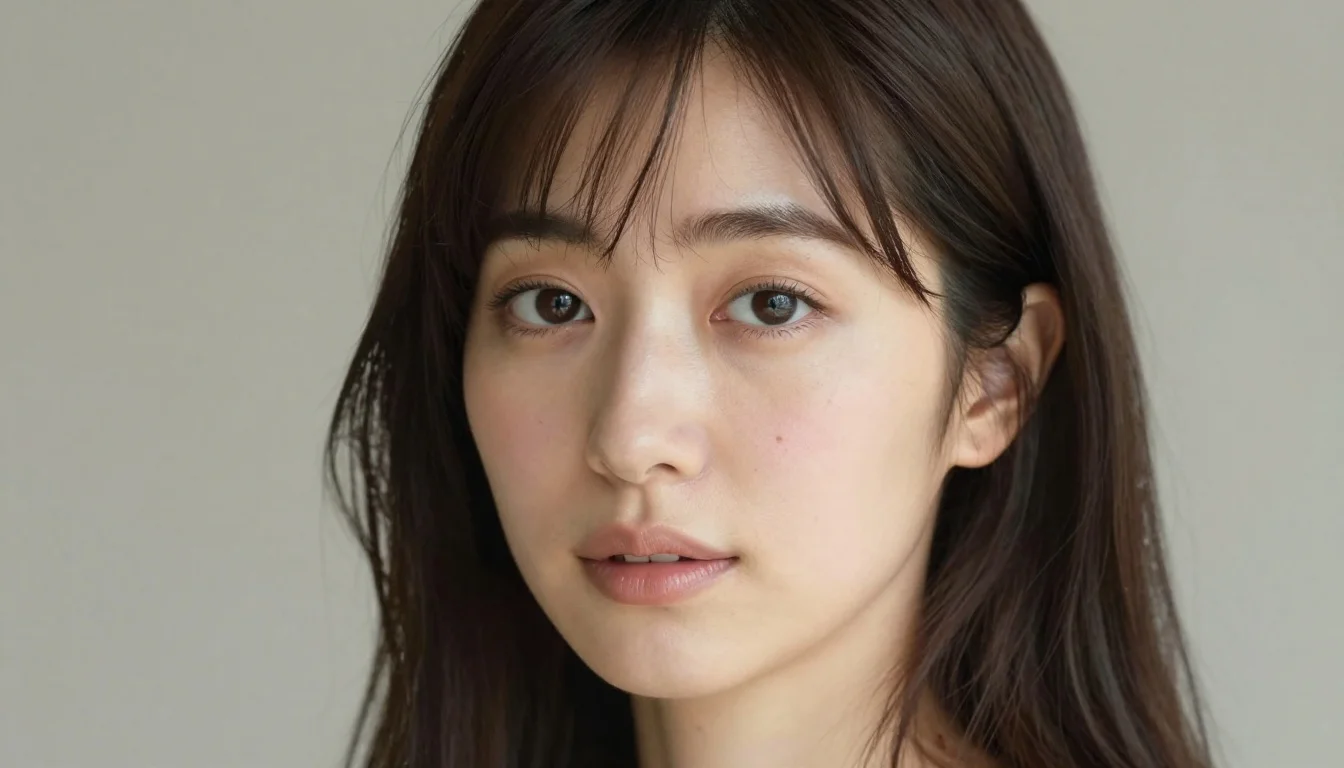
What colors look best on Japanese skin?
Soft, gently muted colors are the most flattering for light Japanese skin with neutral or soft pink-beige undertones: dusty rose, soft plum, mauve, smoky blue, soft teal, sage green, eucalyptus, taupe, and greige. The unifying principle is restrained saturation and low contrast — colors that have a touch of softness mixed in rather than vivid, electric brights. These harmonious tones flatter gentle, low-contrast Japanese coloring where high-saturation colors tend to overwhelm it.
Your Most Flattering Color Families
Soft Dusty Roses and Plums
Softened rose and plum tones are exceptional on light Japanese skin with neutral or soft pink-beige undertones. Dusty rose echoes the gentle pink quality in the skin, creating a fresh, harmonious flush rather than a clash. Soft plum and mauve add gentle depth without the harshness of a vivid jewel tone — they bring color to the face while staying in step with low-contrast coloring. Muted berry is a wonderful step up in saturation that still reads soft. These colors flatter precisely because they're tonal cousins of the skin's own undertone, softened so they never overpower.
Smoky Blues and Soft Teals
Softened blue-greens are some of the most reliably flattering colors for Japanese skin. Smoky blue — indigo with a touch of grey, like aged Japanese denim — brings out clarity in the eyes and freshness in the complexion without the cool harshness of cobalt. Soft teal sits beautifully against neutral undertones, adding interest while staying gentle. Slate blue and dusty cornflower are elegant everyday choices that feel quietly sophisticated. These muted blues harmonize with soft coloring where a vivid sapphire would dominate the face.
Sage, Eucalyptus, and Soft Greens
Gently muted greens are deeply flattering on Japanese skin and feel naturally elegant. Sage green — a soft, grey-touched green — flatters neutral and soft-pink undertones by providing gentle contrast that complements rather than competes. Eucalyptus and soft moss carry a refined, organic quality that suits softer coloring beautifully. Muted jade nods to traditional Japanese aesthetics while flattering light complexions. These greens add a fresh, restful quality to the face precisely because their saturation is dialed down to match soft coloring.
Soft Taupes and Warm-Neutral Tones
The best neutrals for soft Japanese coloring are themselves soft and balanced — neither stark nor heavy. Taupe and greige are ideal everyday foundations: they have just enough warmth to flatter neutral undertones while staying gentle and tonal. Soft warm stone and muted camel bring quiet sophistication to a wardrobe and pair effortlessly with the dusty colors above. Soft pewter offers a gentle alternative to harsh grey. These muted neutrals create the elegant, tonal looks that suit lower-contrast Japanese complexions far better than stark black-and-white.

Curious how dusty rose & smoky blue look on you?
Start my color analysisHow to Dress Japanese Skin with Intention
Embrace tonal, low-contrast dressing
The single most flattering styling approach for soft Japanese coloring is tonal dressing — building an outfit from colors that sit close together in depth and softness rather than from sharp contrasts. A look built from dusty rose, soft taupe, and muted plum, all in the same gentle register, harmonizes beautifully with low-contrast coloring and reads as quietly elegant. This is where the refined Japanese aesthetic of restraint becomes a styling superpower: instead of one bold statement piece fighting the face, the whole outfit moves in gentle harmony, letting your complexion lead.
Soften your neutrals near the face
Where many guides push stark black and crisp white, your face usually prefers softer neutrals. Choose soft ivory, greige, taupe, or charcoal over optical white and jet black — especially for tops, scarves, and collars that sit right against the skin. If you own black pieces you love, wear them lower on the body and place a dusty rose, smoky blue, or soft plum near your face instead. This single adjustment keeps the focus on your complexion rather than letting a hard neutral drain it.
Add color through muted, not vivid, pieces
When you want a color moment, reach for the muted version rather than the vivid one. A soft teal blouse, a sage cardigan, a smoky-blue knit, or a dusty-rose scarf all bring color to your wardrobe while staying in harmony with soft coloring. The trick is restrained saturation: enough color to feel intentional and fresh, but softened so it never overwhelms the face. A muted berry or soft plum can act as your boldest 'statement' color and still feel perfectly in step with low-contrast coloring.
Jewelry, metals, and gentle accents
Soft, muted metals tend to suit neutral Japanese undertones best — brushed or matte finishes over high-shine, and softer rose gold or warm-toned silver over aggressive yellow gold. Pearls are particularly beautiful against light Japanese skin: their soft, low-contrast luminosity echoes the gentle quality of the complexion. Keep accents delicate rather than oversized and high-shine — the same harmony principle that guides your colors applies to your jewelry. A small pearl or a soft rose-gold piece complements without competing.
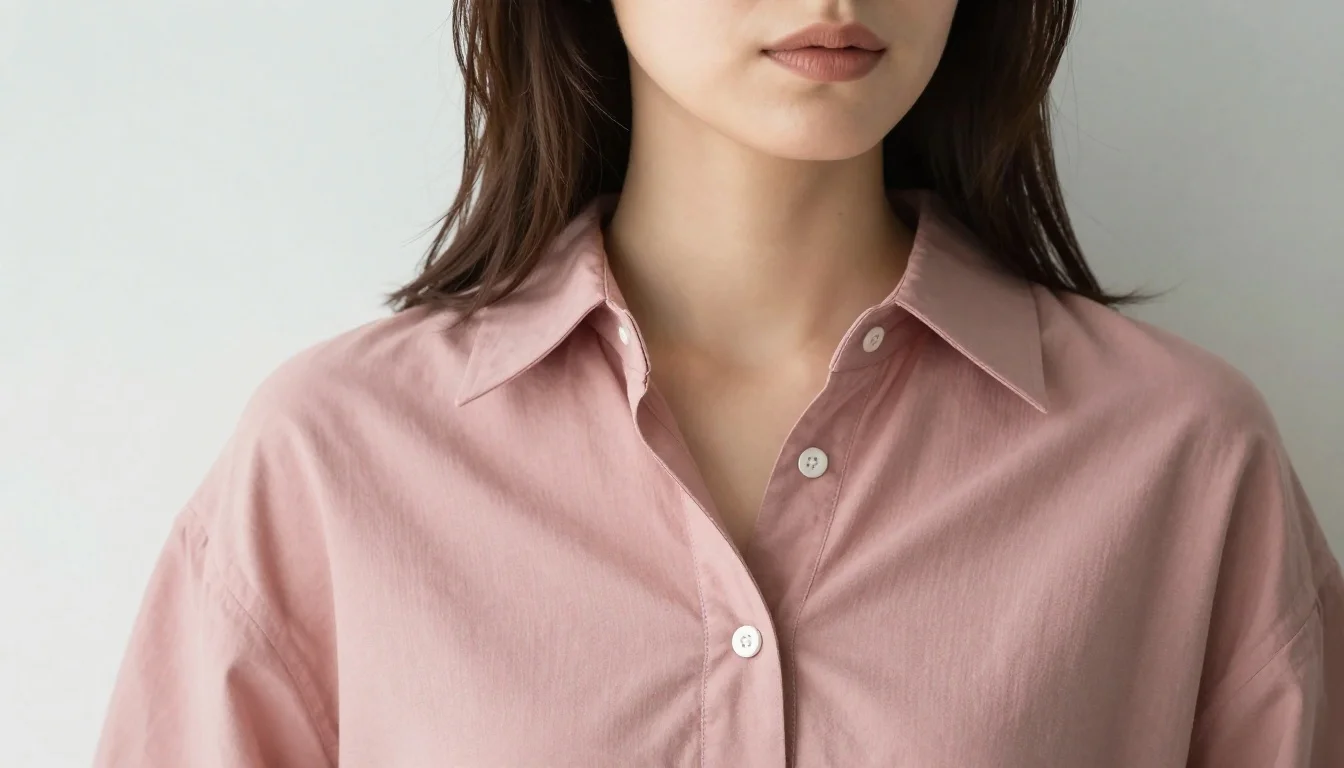
Colors That Overwhelm Japanese Skin
Stark black and pure white together
The high-contrast black-and-white combination is one of the most overwhelming choices for soft, low-contrast Japanese coloring. The dramatic jump from pure white to jet black creates more contrast than the gentle difference between your skin, hair, and eyes — and the clothing visually wins, leaving the face looking faded, tired, or washed out. Stark black near the face can be especially draining on lighter Japanese complexions. If you love these neutrals, soften them: charcoal instead of black, soft ivory or greige instead of optical white, and break them up with a dusty color near the face.
Vivid neon and electric brights
Highly saturated neon and electric colors — hot magenta, electric lime, vivid cobalt — overpower soft Japanese coloring. Their intensity sits at the opposite end of the spectrum from gentle, low-contrast complexions, so they dominate the face and create a jarring rather than harmonious effect. The skin can end up looking dull simply because the color is shouting so loudly beside it. If you want vibrancy, choose the cleaner version of a soft color — a clear dusty rose or a saturated-but-soft teal — rather than a true neon.
Heavy, muddy dark earth tones
Very dark, muddy earth tones — dark mustard, heavy olive-brown, muddy rust — can overwhelm and weigh down softer Japanese complexions. Their heaviness and depth conflict with light, gentle coloring, draining freshness from the face and reading as murky rather than refined. The softer cousins of these colors — soft moss instead of olive-brown, warm stone instead of muddy taupe, clay softened rather than darkened — give you the earthy quality without the weight.
Strong orange and golden-yellow
Strong orange and saturated golden-yellow tend to fight with the neutral and soft-pink undertones common in Japanese skin, casting a sallow or yellowed look across the complexion. The aggressive warmth overpowers gentle coloring and clashes with the cooler-neutral quality of many Japanese complexions. If you want warmth near your face, reach for softened, muted versions — soft peach, dusty apricot, or warm taupe — which bring gentle warmth without the harsh, sallow cast of true orange.
Stop guessing — preview every soft shade on you
See myself in my colorsSwaps That Let Japanese Skin Glow
Replacing high-contrast, vivid colors that overwhelm soft coloring with gentle, harmonious ones that flatter it.
Optical white creates a harsh contrast that drains soft Japanese coloring. Soft ivory and greige stay gentle and tonal, letting the complexion look fresh rather than faded.
Jet black overwhelms low-contrast coloring and can drain the face. Charcoal softens the depth; slate blue and taupe add quiet sophistication while staying in harmony.
Vivid brights shout louder than soft coloring and dominate the face. Their muted cousins bring the same color family in a gentle register that flatters rather than competes.
Pure black is a heavy anchor that can overwhelm a tonal look. Soft neutrals keep the whole outfit in the same gentle, harmonious register that suits low-contrast coloring.
Vivid evening colors overpower soft Japanese coloring under bright light. Softened plum and berry give a luminous, refined effect that keeps the focus on you, not the dress.
Heavy, muddy earth tones weigh down light coloring. Sage and eucalyptus give the same organic, earthy feel in a soft, fresh tone that harmonizes with neutral undertones.
Which Color Season Might Be Yours?
Japanese skin, with its light depth, neutral-to-soft-pink undertones, and gentle low-contrast coloring, most often lands in the soft and light seasonal families — palettes built around muted, harmonious, lower-contrast colors rather than vivid or high-contrast ones.
Soft Summer
Learn moreIf your Japanese skin is light with neutral or soft-cool undertones and your coloring is gentle and blended — soft hair, soft eyes, low contrast overall — Soft Summer is a very common fit. Your palette is muted and cool-neutral: dusty rose, soft teal, smoky blue, mauve, sage, and soft plum. Everything is gently softened, never vivid — exactly the harmonious quality that flatters soft coloring.
Light Summer
Learn moreIf your Japanese skin is fair and delicate with soft cool-neutral undertones and your overall look is light and gentle rather than deep, Light Summer may fit. Your palette is soft and airy: soft rose, dusty cornflower, cool lavender, muted aqua, and gentle pastels with genuine softness. Lighter than Soft Summer but sharing the same restrained, harmonious quality.
Soft Autumn
Learn moreIf your Japanese skin is light with neutral-to-slightly-warm undertones and gentle, low-contrast coloring, Soft Autumn can be a beautiful fit. Your palette is muted and softly warm: sage, soft moss, taupe, dusty apricot, muted teal, and warm stone. The same softness as the Summer palettes, nudged gently warmer to suit a neutral-warm undertone.
Find Your Exact Soft Palette
Japanese skin shares a gentle, harmonious quality — light depth, neutral or soft pink-beige undertones, and lower-contrast coloring — but your precise best colors depend on your exact undertone direction, depth, and contrast level. The soft, muted framework here is a strong starting point, yet a personalized color analysis pinpoints exactly which soft season is yours and gives you a precise palette of harmonious shades tailored to your individual complexion rather than a generalized recommendation.
Stop guessing — preview every color on you
Preview Yourself In Your Palette
Get my personalized paletteStop guessing — preview every color on you
Preview Yourself In Your Palette

Related Guides for Best Colors for Japanese Skin
Explore more personalized color advice based on your features.
Want to see these colors on you? What Colors Look Good on Me — free to try.
Frequently Asked Questions About Best Colors for Japanese Skin
What colors look best on Japanese skin?
Soft, gently muted colors are the most flattering for light Japanese skin with neutral or soft pink-beige undertones: dusty rose, soft plum, mauve, smoky blue, soft teal, sage green, eucalyptus, taupe, and greige. The unifying principle is restrained saturation and low contrast — colors that have a touch of softness mixed in rather than vivid, electric brights. These harmonious tones flatter gentle, low-contrast Japanese coloring where high-saturation colors tend to overwhelm it.
Do Japanese people have warm or cool undertones?
Japanese skin most often has neutral or soft pink-beige undertones rather than distinctly warm-golden ones — which sets it slightly apart from the broader 'yellow-toned Asian skin' generalization. Many Japanese complexions sit in a balanced, neutral middle ground, sometimes leaning gently cool-pink. This neutrality is actually an advantage: it gives flexibility, but it rewards softened, balanced colors over aggressively warm or icy-cool ones. Checking vein color in natural light is the most reliable quick test of your individual undertone.
Why does black look harsh on some Japanese complexions?
Because many Japanese complexions are light with gentle, low-contrast coloring — the difference in depth between skin, hair, and eyes is soft rather than dramatic. Stark black creates far more contrast than your natural coloring, so the clothing visually overpowers the face, which can look faded, tired, or washed out beside it. Softer alternatives — charcoal, slate, soft taupe — or placing a dusty color near the face instead keep the focus on your complexion.
What colors should Japanese skin avoid?
Stark black-and-white combinations, vivid neon and electric brights, heavy muddy dark earth tones, and strong orange or golden-yellow tend to overwhelm soft Japanese coloring or clash with neutral undertones. These colors are either too high-contrast or too saturated for gentle, low-contrast complexions, so they dominate the face or cast a sallow look. The guiding rule: favor softened, muted, harmonious colors over vivid or stark ones near your face.
Are muted or bright colors better for Japanese skin?
Muted colors are generally more flattering for the soft, low-contrast coloring common in Japanese skin. Gently dusty tones — dusty rose, smoky blue, sage, soft plum — harmonize with gentle complexions rather than overpowering them, creating a quiet, luminous effect. Vivid and neon brights tend to dominate the face. If you want vibrancy, choose the cleaner version of a soft color rather than a true neon, so it stays in harmony with your coloring.
What color season is Japanese skin?
Japanese skin most commonly falls in the soft and light seasonal families because of its light depth, neutral-to-soft-pink undertones, and gentle low-contrast coloring. Soft Summer is a very common fit, with Light Summer for fairer, more delicate coloring and Soft Autumn for neutral-warm undertones. All three share muted, harmonious, lower-contrast palettes. The precise season depends on undertone direction and contrast — a color analysis determines the exact fit.