Best Colors forKorean Skin
Korean skin is typically light with neutral-cool, pink-leaning undertones. Discover the soft cool pastels, berries, and clear cool tones that make it glow — and what to skip.
If you've spent any time in Korean beauty culture, you already know the question that comes before foundation, before lipstick, before anything: are you warm-tone or cool-tone? Korea's obsession with personal color (퍼스널 컬러) has turned undertone diagnosis into a national pastime, and there's a good reason it caught on so strongly there. Korean skin is typically light with neutral-cool or pink-leaning undertones — a combination that responds dramatically to color temperature near the face. Get the temperature right and the skin brightens and clears; get it wrong and it yellows and dulls. This guide narrows in on that specific, common Korean coloring: the soft cool pastels, berry-rose shades, and clear cool tones that create the famous 'tone-up' glow, and the muddy warm colors that work against it.


3,000+
happy clients
Why Korea Built a Whole Culture Around 쿨톤 vs 웜톤
If you've spent any time in Korean beauty culture, you already know the question that comes before foundation, before lipstick, before anything: are you warm-tone or cool-tone? Korea's obsession with personal color (퍼스널 컬러) has turned undertone diagnosis into a national pastime, and there's a good reason it caught on so strongly there. Korean skin is typically light with neutral-cool or pink-leaning undertones — a combination that responds dramatically to color temperature near the face. Get the temperature right and the skin brightens and clears; get it wrong and it yellows and dulls. This guide narrows in on that specific, common Korean coloring: the soft cool pastels, berry-rose shades, and clear cool tones that create the famous 'tone-up' glow, and the muddy warm colors that work against it.
The Korean personal-color movement splits everyone into 웜톤 (warm-tone) or 쿨톤 (cool-tone) before going deeper into seasons, and that warm/cool framing isn't arbitrary — it reflects the real distribution of Korean skin. While warm-yellow undertones absolutely exist, a large share of Korean complexions lean neutral-cool or distinctly pink-cool. This light, high-clarity, often rosy skin is exactly the kind that picks up color temperature most visibly from clothing and makeup. That sensitivity is why a five-minute drape test in a Seoul color studio can feel revelatory: the difference between the right and wrong temperature is genuinely dramatic on this coloring.
For cool and neutral-cool Korean skin, the practical rule is that cool and clear colors brighten the face while warm and muddy colors weigh it down. A clean berry or a soft cool pink lifts the skin and creates that prized 'tone-up' effect — the look of skin that appears a shade brighter and clearer than it is. The same face beside mustard, camel, or brick can suddenly look tired and sallow, with the under-eye area greying and the skin's pink quality reading as blotchy rather than fresh. Once you've seen the contrast on your own face, the warm/cool obsession stops seeming like marketing and starts seeming like simple optics.
It's worth being precise about what 'cool' means here, because it's a common Korean-beauty trap to over-correct toward icy, harsh colors. Most Korean skin is light but not high-contrast — hair is dark, but the skin-to-hair gap is moderate and the overall effect is gentle. That places a lot of Korean complexions in the softer cool seasons (cool summer, soft summer, light summer) rather than the stark, high-drama cool winter. So the ideal isn't necessarily ice-cold neon — it's cool with softness and clarity: rose, berry, periwinkle, soft teal, cool clear pastels. Warm-leaning Korean skin is a real minority case and is covered below, but the dominant story for Korean skin is cool, soft, and clear.
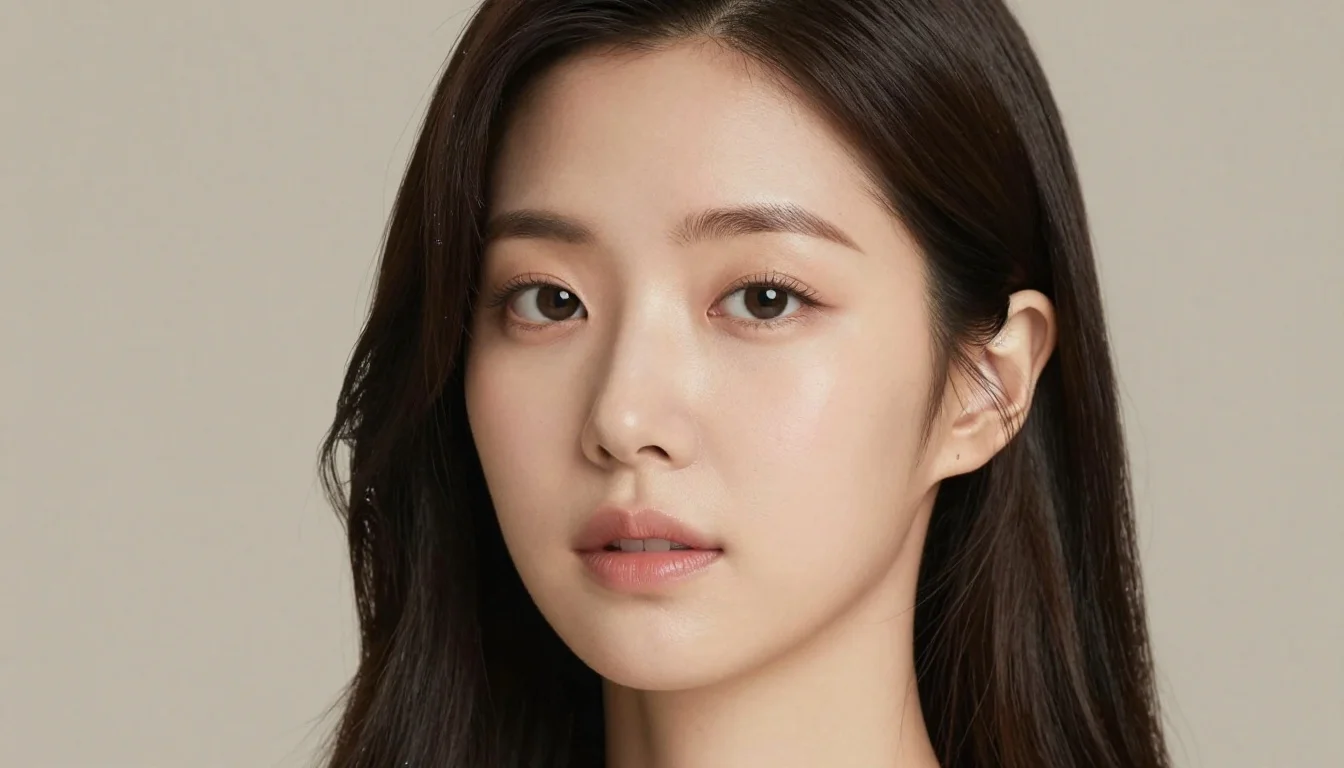
What colors look best on Korean skin?
For the most common Korean coloring — light skin with neutral-cool, pink-leaning undertones — soft cool pastels (periwinkle, cool lilac, powder rose), berry and rose tones (raspberry, cool berry pink, plum), and clear cool brights (cool fuchsia, true blue, clear cool red) are the most flattering. Cool, crisp neutrals like soft white, navy, and cool grey are the best everyday basics. The unifying principle is cool and clear, which creates Korean beauty's prized brightening 'tone-up' effect.
Your Most Flattering Color Families
Soft Cool Pastels
Soft cool pastels are the heart of the flattering palette for most Korean skin, because their cool temperature harmonizes with neutral-cool undertones while their softness suits the gentle, low-contrast quality of the coloring. Cool baby blue and periwinkle make pink-leaning Korean skin look fresh and rested rather than flushed. Cool lilac and powder rose echo the skin's own rosiness and create the 'tone-up' brightening that Korean beauty prizes. These are not the dusty, greyed pastels — they're cool but clear, like the soft palette of a cool or light summer, which is exactly where so much Korean skin lands.
Berry and Rose Tones
Berry and cool-rose tones are reliably gorgeous on Korean skin — this is the color story behind so many beloved K-beauty lip shades for a reason. Raspberry and cool berry pink have a blue-red quality that flatters cool and neutral-cool undertones, brightening the skin instead of warming it sallow. Rose mauve is an effortless everyday tone that reads polished on light Korean complexions. Plum and dusty cherry add depth without tipping warm. If you only learn one rule from Korean personal-color culture, it's that a cool berry near your face does more for you than any warm coral.
Clear Cool Brights
When you want impact rather than softness, clear cool brights deliver it without fighting Korean undertones. Cool fuchsia and vivid magenta are blue-based and electric against light cool skin. True blue and cool emerald (the blue-green kind, not the warm grass-green kind) provide crisp, clean contrast. A clear cool red — a true or slightly blue red rather than an orange-brick red — is one of the most flattering statement colors for Korean skin, photographing brilliantly. The unifying thread is temperature: keep the brights cool and clean, and they brighten; let them tip warm or muddy, and they don't.
Cool, Crisp Neutrals
For everyday basics, lean cool with your neutrals. Soft white and cool grey provide clean foundations that let pink-leaning Korean skin stay fresh rather than yellowing it the way warm cream and camel can. Navy is the single most reliable wardrobe neutral for cool Korean complexions — flattering, versatile, and effortlessly polished. Cool taupe-grey gives you a quiet, sophisticated alternative to warm beige, which tends to flatten cool skin. Charcoal offers depth and softer contrast than harsh black, suiting the gentler cool seasons many Korean complexions fall into.

Ready to see cool berry & periwinkle on your face?
Start my color analysisHow to Dress Korean Skin with Intention
Settle the 쿨톤 vs 웜톤 question first
Before anything else, confirm whether your Korean skin is cool, neutral-cool, or genuinely warm — the entire palette hinges on it. Hold a cool silver fabric and a warm gold fabric up to your bare face in natural daylight: if silver makes your skin look brighter and clearer and gold makes it look sallow, you're cool-toned (쿨톤), like most Korean complexions. Vein color helps too — blue-purple veins lean cool, green veins lean warm, a mix means neutral. Most readers here will land cool or neutral-cool, which means the soft cool, berry, and clear cool guidance above is built for you.
Chase the 'tone-up' glow
The brightening 'tone-up' effect Korean beauty loves isn't only about skincare — the color you wear at your neckline does half the work. Cool, clear colors reflect light up onto light Korean skin and make it look a shade brighter and clearer, while warm muddy colors absorb light and dull it. Keep your most flattering cool pastels, berries, and clean cool brights closest to your face — tops, scarves, collars, knit necklines — and you'll get a visible lift in how fresh and rested your skin appears, no extra product required.
Build soft cool, not icy harsh
A common over-correction once people learn they're cool-toned is to swing to stark, icy, high-contrast colors — pure black, neon, optical white. But most Korean skin is light and gentle rather than high-contrast, so soft cool tones usually flatter more than harsh ones. Reach for navy instead of hard black, soft white instead of stark optical white, charcoal instead of jet black, and rose or berry instead of icy fuchsia. Cool and clear is the goal; cool and cold is often a step too far for this gentle coloring.
If you're the warm-toned exception
Warm-undertoned Korean skin is real, even if it's the minority case, and the rules flip if that's you. If gold flatters you more than silver and your skin glows beside peach and coral, lead with warm clear colors instead: warm coral, golden peach, clear warm green, ivory, and camel — the colors that would dull a cool-toned face will light yours up. The single most useful thing you can do is correctly identify your direction; once you know whether you're 쿨톤 or 웜톤, every other choice gets easy.
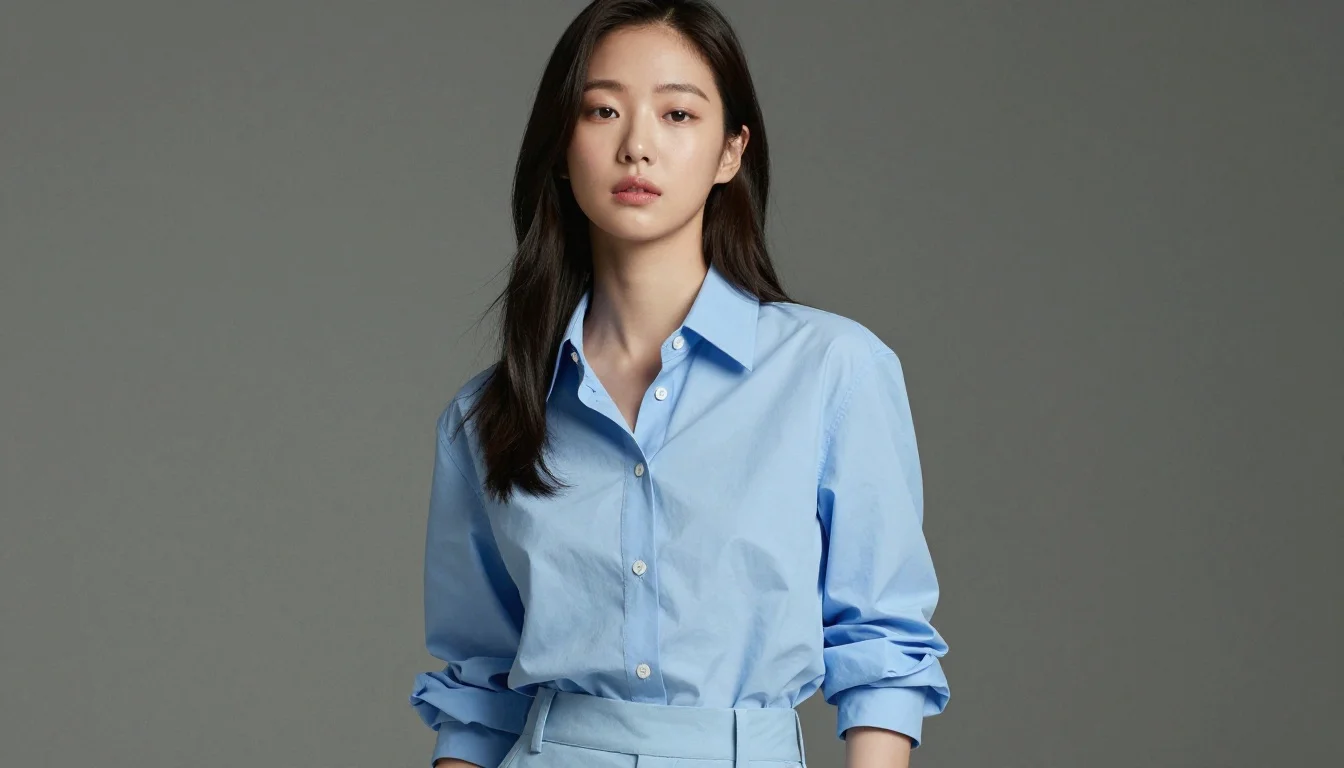
Colors That Dull Korean Skin
Mustard and golden yellow
Mustard, ochre, and golden yellow are some of the most reliably unflattering colors for cool and neutral-cool Korean skin. Their concentrated warm-yellow frequency sits right on top of the skin's own subtle yellow and pushes the whole complexion toward sallow — the under-eye area greys, and the skin loses its fresh, clear quality. In Korean personal-color terms, this is the classic 웜톤 color worn by a 쿨톤 face, and the mismatch is immediately visible. If you love yellow, a clear cool lemon is far safer than a warm mustard.
Orange and warm coral
Strong orange, warm coral, and tangerine work against cool Korean undertones by amplifying any warmth and tipping the skin toward muddy and tired. Orange in particular tends to make neutral-cool skin look unwell rather than vibrant. This is one of the sharpest warm/cool dividing lines: warm coral that looks luminous on a 웜톤 face can look flat and aging on a cool-toned Korean complexion. Reach for a cool berry or raspberry when you want a pink-red — it gives you vibrancy without the sallow warmth.
Khaki, olive, and muddy earth tones
Khaki, olive, camel, and muddy brown earth tones are warm and desaturated — a double problem for light cool Korean skin. They neither harmonize with cool undertones nor provide clean contrast; they simply drag the complexion down and grey it out. Olive especially can make cool Korean skin look genuinely unwell. If you want a grounded neutral, choose cool grey, charcoal, or navy instead, which give you depth without the warm muddiness that flattens the skin.
Warm cream and beige (for cool complexions)
Warm cream, beige, and camel are a frequent trap because they read as safe, skin-toned basics — but on cool and neutral-cool Korean skin, their yellow warmth clashes with the skin's pink-cool quality and creates a subtly sallow, washed-out effect. This is a very common Korean-beauty mistake: a 쿨톤 person reaching for warm ivory because it seems neutral. Choose soft white, cool grey, or cool taupe instead. Truly warm-toned Korean skin is the exception that can wear these creams beautifully.
Stop guessing 쿨톤 vs 웜톤 — preview every shade on you
See myself in my colorsSwaps That Make Korean Skin Glow
Trading warm, muddy colors that flatten cool Korean skin for cool, clear ones that create the tone-up brightening effect.
Warm cream yellows pink-cool Korean skin. Soft white and cool grey keep it fresh and let the skin's natural brightness show.
Warm coral tips cool Korean skin toward sallow. A cool berry brightens with the same energy while staying in the flattering blue-red family.
Mustard sits on the skin's own yellow and dulls it. Cool fuchsia and true blue are cool and clean, so they pop against light cool skin.
Khaki and olive are warm and muddy, greying out cool complexions. Navy and charcoal give depth without the sallow drag.
Warm peach fights cool undertones. Powder rose and periwinkle are cool, soft, and clear — exactly the soft-summer register most Korean skin loves.
Warm metallics can sallow cool Korean skin in evening light. Plum, cool emerald, and clear cool red brighten and read luminous after dark.
Which Cool Season Might Be Yours?
Korean personal-color culture goes far past 쿨톤 vs 웜톤 into the seasonal system, and most cool and neutral-cool Korean skin lands in one of the summer-family cool seasons — soft, light, and clear rather than stark winter. Here are the three most common fits for light, cool-leaning Korean complexions.
Cool Summer
Learn moreIf your Korean skin is light with clearly cool, pink-leaning undertones and a soft-to-medium contrast level, Cool Summer is one of the most common fits. Your palette is cool and gently saturated: soft cool blue, periwinkle, cool berry, rose, soft teal, and cool grey. Everything stays cool in temperature but soft rather than icy — the classic flattering register for cool-toned Korean skin.
Soft Summer
Learn moreIf your Korean skin is light to medium with neutral-cool undertones and a low-contrast, gentle overall look, Soft Summer may be your season. Your palette is muted and cool: dusty rose, soft mauve, cool sage, soft denim blue, and greyed cool tones. The key word is soft — these colors flatter the gentle, blended quality common in Korean coloring without overpowering it.
Light Summer
Learn moreIf your Korean skin is very light with soft cool-neutral undertones, lighter or soft-black hair, and a delicate low-contrast look, Light Summer often fits. Your palette is the lightest and most luminous of the cool seasons: soft cool pastels, powder rose, cool lilac, light periwinkle, and clear soft blues — pale, cool, and clear, ideal for the brightening tone-up effect.
Find Your Exact Korean Personal Color
Korean personal-color culture got one thing exactly right: undertone matters enormously, and on light, cool-leaning Korean skin the difference between the right and wrong temperature is dramatic. But 쿨톤 vs 웜톤 is only the first step — your precise best palette depends on your exact undertone, depth, and contrast within the cool seasons. A personalized color analysis pinpoints whether you're cool summer, soft summer, light summer, or one of the warmer exceptions, and hands you a specific palette built for your individual face rather than a generalized rule.
Stop guessing — preview every color on you
Preview Yourself In Your Palette
Get my personalized paletteStop guessing — preview every color on you
Preview Yourself In Your Palette

Related Guides for Best Colors for Korean Skin
Explore more personalized color advice based on your features.
Want to see these colors on you? What Colors Look Good on Me — free to try.
Frequently Asked Questions About Best Colors for Korean Skin
What colors look best on Korean skin?
For the most common Korean coloring — light skin with neutral-cool, pink-leaning undertones — soft cool pastels (periwinkle, cool lilac, powder rose), berry and rose tones (raspberry, cool berry pink, plum), and clear cool brights (cool fuchsia, true blue, clear cool red) are the most flattering. Cool, crisp neutrals like soft white, navy, and cool grey are the best everyday basics. The unifying principle is cool and clear, which creates Korean beauty's prized brightening 'tone-up' effect.
Is Korean skin warm or cool toned?
Korean skin is most often neutral-cool or cool, frequently with a pink-leaning quality, which is a big reason 쿨톤 (cool-tone) personal color is so widely discussed in Korea. Warm-yellow undertones do exist and are a real minority case, but a large share of Korean complexions lean cool. The reliable way to tell your own direction is a daylight silver-vs-gold drape test: if silver brightens your face and gold makes it look sallow, you're cool-toned.
What is Korean personal color (퍼스널 컬러)?
Personal color (퍼스널 컬러) is the hugely popular Korean practice of diagnosing which colors suit you, starting by classifying you as warm-tone (웜톤) or cool-tone (쿨톤) and then placing you into a seasonal palette like cool summer or cool winter. Because Korean skin is typically light and color-sensitive, the warm/cool difference is very visible, which is why professional personal-color consultations and drape tests became a beauty staple in Korea.
What colors should be avoided on Korean skin?
On cool and neutral-cool Korean skin, the colors to avoid are warm and muddy: mustard and golden yellow, strong orange and warm coral, khaki and olive, and warm cream or beige. These either sit on the skin's subtle yellow and make it sallow or add warm muddiness that dulls the complexion. Swap them for cool, clear alternatives — cool berry instead of coral, cool grey instead of beige, navy instead of khaki — to keep the skin looking fresh.
What is the Korean tone-up effect and how does color create it?
The 'tone-up' effect is the brightening look — skin appearing a shade clearer and more luminous — that Korean beauty pursues. Color does half the work: cool, clear shades worn at the neckline reflect light up onto light Korean skin and make it look fresher, while warm, muddy colors absorb light and dull it. Keeping cool pastels, berries, and clean cool brights closest to your face is the simplest way to get a visible tone-up without any extra product.