Best Colors forDark Skin
Dark skin can carry colors that most complexions can't. Discover which shades flatter you most — and which to skip.
Dark skin has a richness and depth that gives you extraordinary color range. The conventional advice — stick to neutrals, avoid bright colors — is flat wrong. Your melanin-rich complexion is one of the best canvases for color in the entire spectrum. Here's exactly how to use it.


3,000+
happy clients
Why Dark Skin Has Different Color Rules
Dark skin has a richness and depth that gives you extraordinary color range. The conventional advice — stick to neutrals, avoid bright colors — is flat wrong. Your melanin-rich complexion is one of the best canvases for color in the entire spectrum. Here's exactly how to use it.
Deep skin tones have high melanin concentration, which creates a naturally rich, luminous base. Unlike lighter complexions that can be easily overwhelmed by vivid hues, deep skin can absorb and reflect saturated colors without the look becoming jarring or excessive.
Undertone is the critical variable within dark skin. Warm dark skin — golden, caramel, or chocolate-brown with reddish-gold undertones — responds to earthy warms and jewel tones differently than cool dark skin, which has a blue-black or espresso quality. The same cobalt blue looks different on warm chocolate skin versus cool blue-black skin.
The biggest myth about dark skin is that bright colors 'clash' with it. The opposite is true. Vivid colors that would overwhelm a fair complexion sit in stunning harmony with deep skin tones. Your melanin creates a rich backdrop that makes saturation land exactly as it should — striking, not garish.
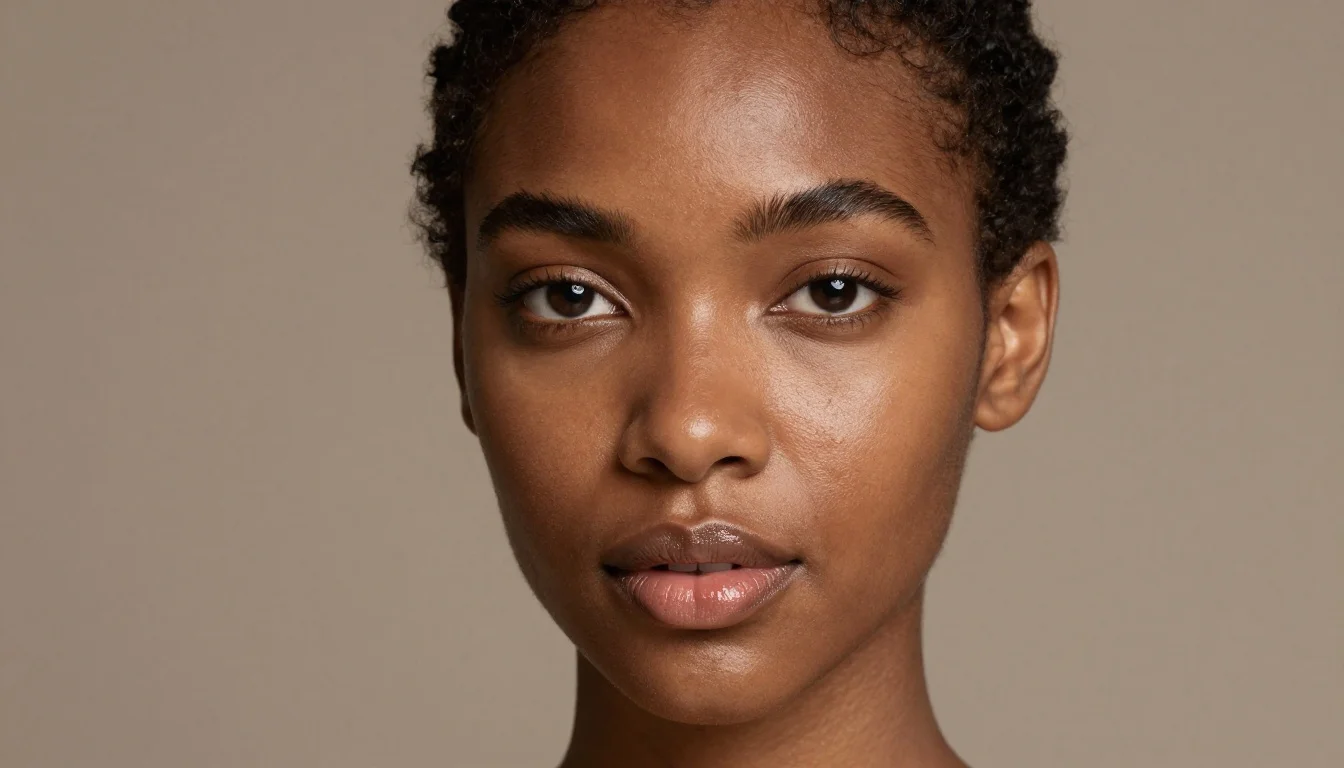
What colors look best on dark skin?
Vivid jewel tones like royal blue, deep emerald, and fuchsia look stunning on dark skin. Warm earths like burnt orange, saffron yellow, and deep terracotta are powerful for warm-toned dark skin. Crisp white creates beautiful contrast. Rich monochromes like deep burgundy and eggplant add sophisticated depth.
Your Most Flattering Color Families
Vivid Jewel Tones
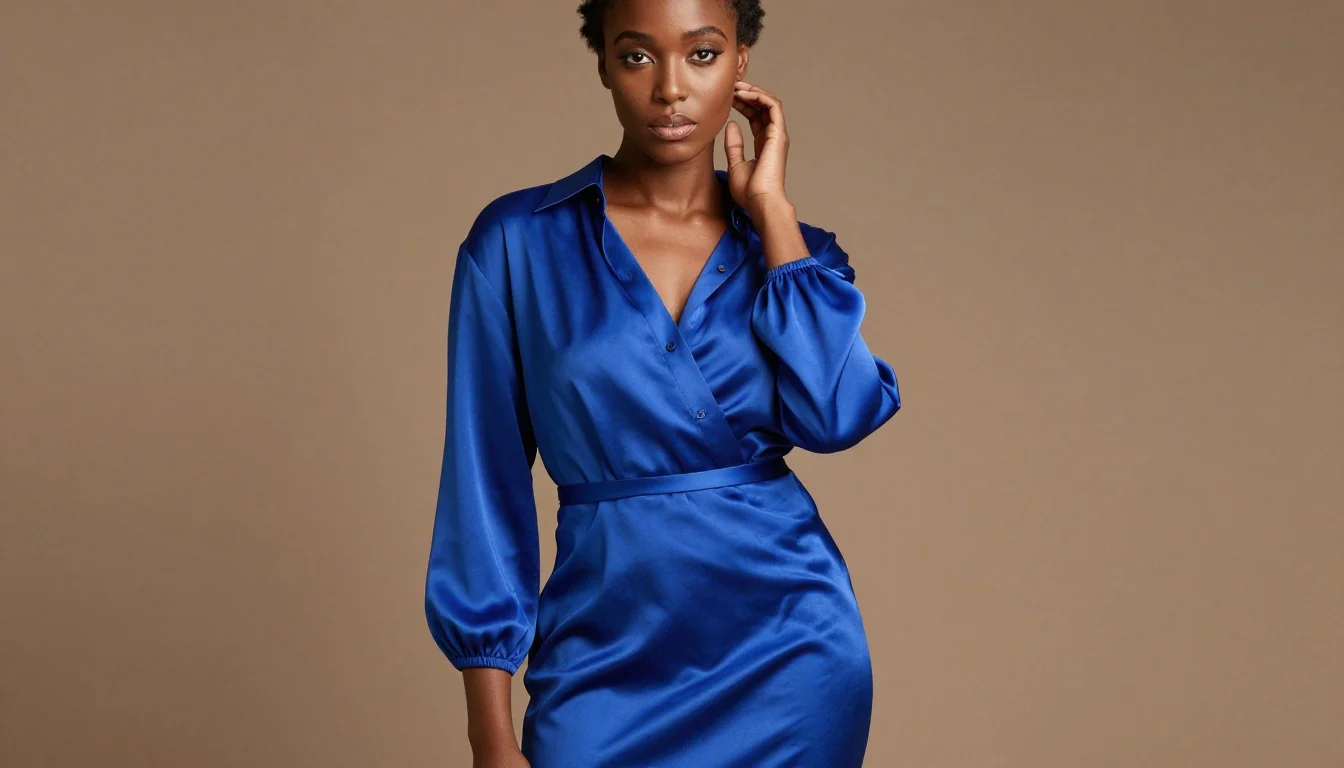
This is where dark skin truly excels. Royal blue against deep skin creates a visual richness that photographers have chased for decades — it's one of the most striking human color pairings. Fuchsia and bright coral create warmth and joy without any sense of 'too much.' Vivid emerald pops against the warm depth of darker complexions in a way that feels cinematic.
Rich Warm Earths
Warm dark skin with golden or reddish undertones looks extraordinary in deep earth tones. Burnt orange creates a warm, cohesive harmony that echoes your natural depth. Saffron yellow — which washes out many lighter skin tones — radiates against dark skin. Bronze metallic picks up your natural warmth and creates a luminous, sun-drenched effect.
Clean Whites & Light Brights
Bright white against dark skin is one of the most striking contrasts in all of fashion. The visual impact is immediate and elegant. Pale yellow, mint, and soft sky blue — colors that wash out fair skin — create a beautiful, graphic contrast against deep complexions. These lighter shades work precisely because your skin provides the visual weight they need.
Deep Monochromes
Dark skin against dark, saturated tones creates tonal richness rather than monotony. Deep burgundy has the reddish warmth to complement most dark skin undertones. Chocolate brown creates a seamless, sophisticated monochrome. Eggplant — a deep purple-brown — creates subtle depth without relying on contrast. These are elegant, not 'safe.'

Ready to see blue & emerald on your face?
Start my color analysisHow to Wear These Colors in Real Life
Leaning into saturation
The conventional advice to 'keep it subtle' doesn't apply to you. A royal blue statement coat, a fuchsia silk blouse, or a vivid burnt orange midi dress — these are the moments where deep skin's relationship with saturated color becomes a genuine style superpower. The richer the color, the better it tends to land. Stop holding back.
White as a power neutral
Bright white is one of your strongest neutrals — far more powerful on dark skin than beige or ivory. A crisp white linen blazer over dark trousers creates a striking contrast that pale complexions simply can't replicate. White shirts, white dresses, white coats — all create graphic, editorial looks that your complexion elevates naturally.
Warm versus cool undertone dressing
If your dark skin has golden, reddish, or warm brown tones, lean into burnt orange, saffron, warm bronze, and deep coral — your warmth mirrors and amplifies these shades. If your dark skin has a blue-black or cool espresso quality, cool jewel tones like sapphire, deep teal, and royal purple will feel more naturally harmonious.
Makeup and color synergy
Vivid makeup lands beautifully on dark skin. Bold red, deep wine, and warm berry lips all look powerful and intentional. Warm bronzer in deep shades adds dimension without the artificial 'dragged over' look pale bronzer creates. For eyes, jewel-toned shadow — cobalt, emerald, deep violet — looks genuinely extraordinary rather than theatrical.
Find your exact undertone
Deep skin carries the boldest palettes — once you know your undertone. The free colour analysis quiz identifies it in three minutes.
Colors That Dull Your Complexion
Muddy or greyed-out tones
Desaturated, murky shades — khaki, greige, dusty mauve, or muted beige — can make dark skin look ashy rather than luminous. They don't have enough color energy to interact with deep complexions. If you love muted tones, choose richer, deeper versions: warm taupe instead of beige, dusty olive instead of khaki.
Skin-match nudes
Beige or 'nude' tones that closely match your skin have no contrast to work with — they disappear and make the outfit look unfinished. True nudes for dark skin lean toward caramel, warm brown, or golden honey, not the pale beige marketed as 'neutral' by most brands.
Cool pastel pink on warm dark skin
Cool pastel pink — baby pink, pale blush — creates a muddy conflict on warm-undertoned dark skin. The cool tone fights your warmth and can make your complexion look greyish. Warm peach or deep rose work far better. If you love pink, go vivid: hot pink, fuchsia, or deep raspberry.
Washed-out light greys
Light cool grey has neither the warmth nor the brightness to complement dark skin — it reads as flat and lifeless. Charcoal, slate, and warm heathered grey work beautifully, but very pale or chalky grey creates an unflattering contrast that draws attention to your skin's natural undertone in unflattering ways.
Stop guessing — preview every shade on you
See myself in my colorsYour Wardrobe, Upgraded
Swaps that stop playing it safe and start using your coloring as the asset it is.
Beige disappears against dark skin. White creates powerful contrast; coral brings warmth and joy.
Cool light grey sits flatly against deep skin. Royal blue and emerald create the rich contrast that makes dark skin look luminous.
Dusty mauve has no energy to interact with deep skin. Fuchsia and burnt orange create the vibrant harmony dark skin is made for.
Cool pale pink muddles against warm dark skin. Burgundy adds rich depth; saffron creates a warm, radiant glow.
Pale champagne washes out next to deep skin. Deep bronze and warm gold echo the richness of your complexion and look genuinely stunning.
Camel is fine but predictable. Deep teal or cobalt create a vivid, striking statement that most complexions can't pull off — but yours can.
Which Seasonal Palette Fits Dark Skin?
Deep skin appears across several seasonal palettes depending on undertone. Your hair color and eye color also shape which season fits — but these are the most common matches for darker complexions.
Deep Winter
Learn moreIf your dark skin has a cool or neutral undertone — a blue-black, espresso, or cool brown quality — Deep Winter is your most likely match. You handle icy contrast and bold jewel tones with ease. True black, cobalt, crisp white, and deep plum are your power colors.
Deep Autumn
Learn moreIf your dark skin is warm — golden-brown, chocolate with reddish tones, or rich caramel — Deep Autumn is worth exploring. You look most alive in warm, deep, saturated tones: burnt sienna, cognac, deep forest green, and warm burgundy.
Warm Autumn
Learn moreIf your dark skin is medium-deep with strong golden or amber warmth, Warm Autumn may be your season. You suit rich earth tones with a sun-drenched quality — deep terracotta, warm olive, saffron, and cognac all feel natural and luminous on you.
Find Your Exact Colors
Dark skin is one of the most powerful and versatile complexions for color dressing — but your specific undertone, eye color, and contrast level all shape your ideal palette. These guidelines are a starting point. A personalized color analysis maps out the exact shades that were made for your precise combination of features.
Stop guessing — preview every color on you
Preview Yourself In Your Palette
Get my personalized paletteStop guessing — preview every color on you
Preview Yourself In Your Palette

Related Guides for Best Colors for Dark Skin & Brown Skin
Explore more personalized color advice based on your features.
Want to see these colors on you? What Colors Look Good on Me — free to try.
Frequently Asked Questions About Best Colors for Dark Skin & Brown Skin
What colors look best on dark skin?
Vivid jewel tones like royal blue, deep emerald, and fuchsia look stunning on dark skin. Warm earths like burnt orange, saffron yellow, and deep terracotta are powerful for warm-toned dark skin. Crisp white creates beautiful contrast. Rich monochromes like deep burgundy and eggplant add sophisticated depth.
Can dark skin wear bright colors?
Absolutely — and often better than any other complexion. The melanin richness in dark skin provides a vibrant base that makes saturated, bright colors look intentional and striking rather than overwhelming. Vivid coral, hot fuchsia, electric blue, and bright yellow all land beautifully on dark skin.
What colors should people with dark skin avoid?
Muddy, desaturated tones like greige, dusty beige, and khaki tend to make dark skin look ashy. Skin-match nude beiges have no contrast to work with. Cool pastel pink on warm dark skin creates a muddy conflict. Very pale grey lacks energy to complement deep complexions. These aren't hard rules — it's about avoiding colors with no visual weight.
Does dark skin look better with warm or cool colors?
It depends on your undertone, not just your skin depth. Dark skin with golden, reddish, or chocolate-warm undertones looks best in warm tones — burnt orange, saffron, terracotta, and warm jewel tones. Dark skin with blue-black or espresso-cool undertones looks most alive in cool tones — cobalt, icy white, deep plum, and royal blue.
What neutrals look best on dark skin?
Crisp white is your strongest neutral — the contrast it creates with deep skin is dramatic and elegant. Chocolate brown creates a rich monochrome effect. Deep charcoal and slate work better than pale grey. Warm camel can work for warm-toned dark skin. Avoid skin-match beige and pale grey — they flatten rather than complement.
What makeup colors suit dark skin?
Bold, vivid lip colors — true red, deep berry, warm orange-red — look powerful on dark skin. Deep bronzer in warm brown tones adds dimension without looking muddy. For eyes, jewel-toned shadow in cobalt, emerald, and deep violet creates a striking editorial effect. Warm-toned golden highlighter flatters most dark complexions.
What colors look good on brown skin?
Brown skin glows in saturated jewel tones — emerald, cobalt, fuchsia — plus warm earth shades like rust, terracotta, and mustard. Crisp white and bright yellow create striking contrast on medium-brown to deep skin. The deciding factor is undertone: golden-brown skin leans warm shades, while brown skin with cool or red undertones carries blues and berry tones best.
What are the different shades of dark and black skin?
Deep skin spans a wide range — from medium brown and golden brown through rich mahogany and espresso to blue-black. Each shade pairs with an undertone (golden, red, neutral, or cool), and it's the undertone — not the depth — that determines your most flattering colors. Two people with the same depth of brown skin can have opposite palettes.