


Hair Color Guide

Brown Hair Color forDark Skin

Espresso, chocolate, mocha, chestnut or cinnamon: which brown fits your undertone, and how to add dimension without bleach.

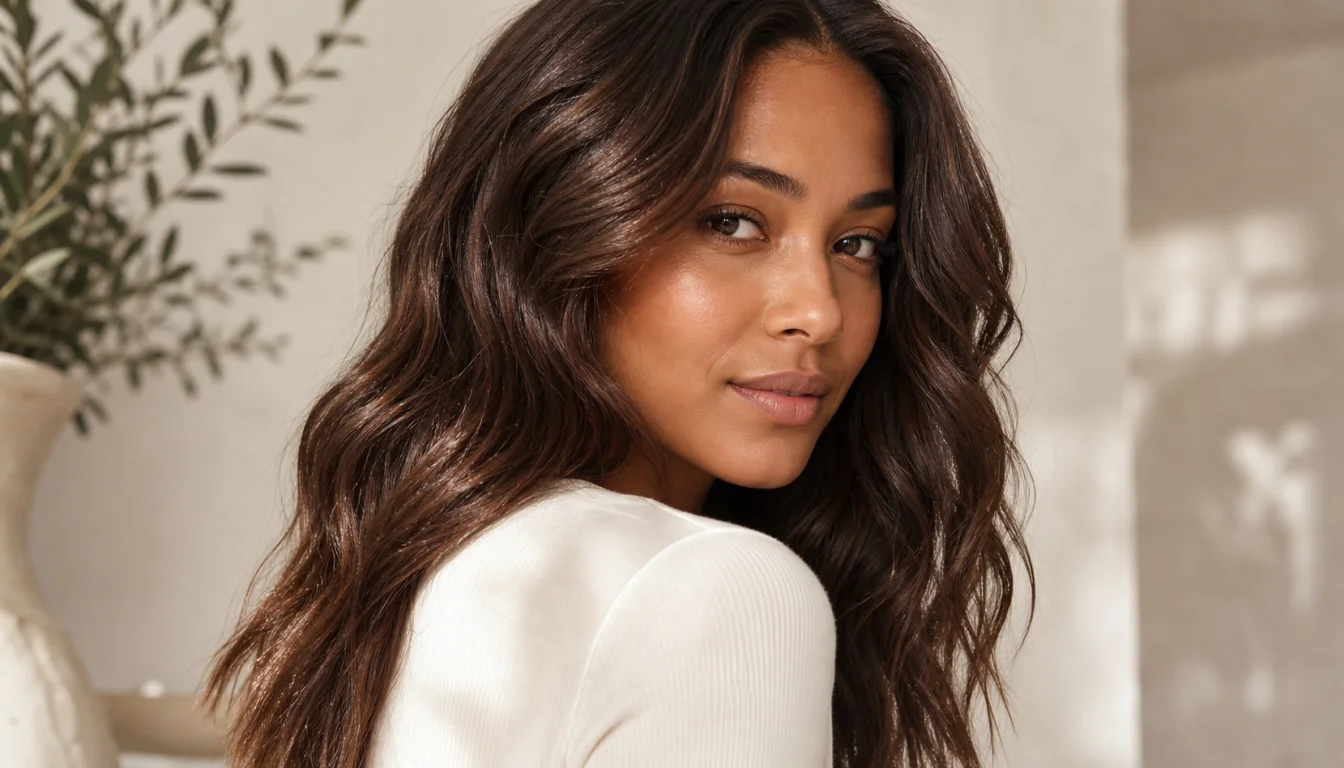
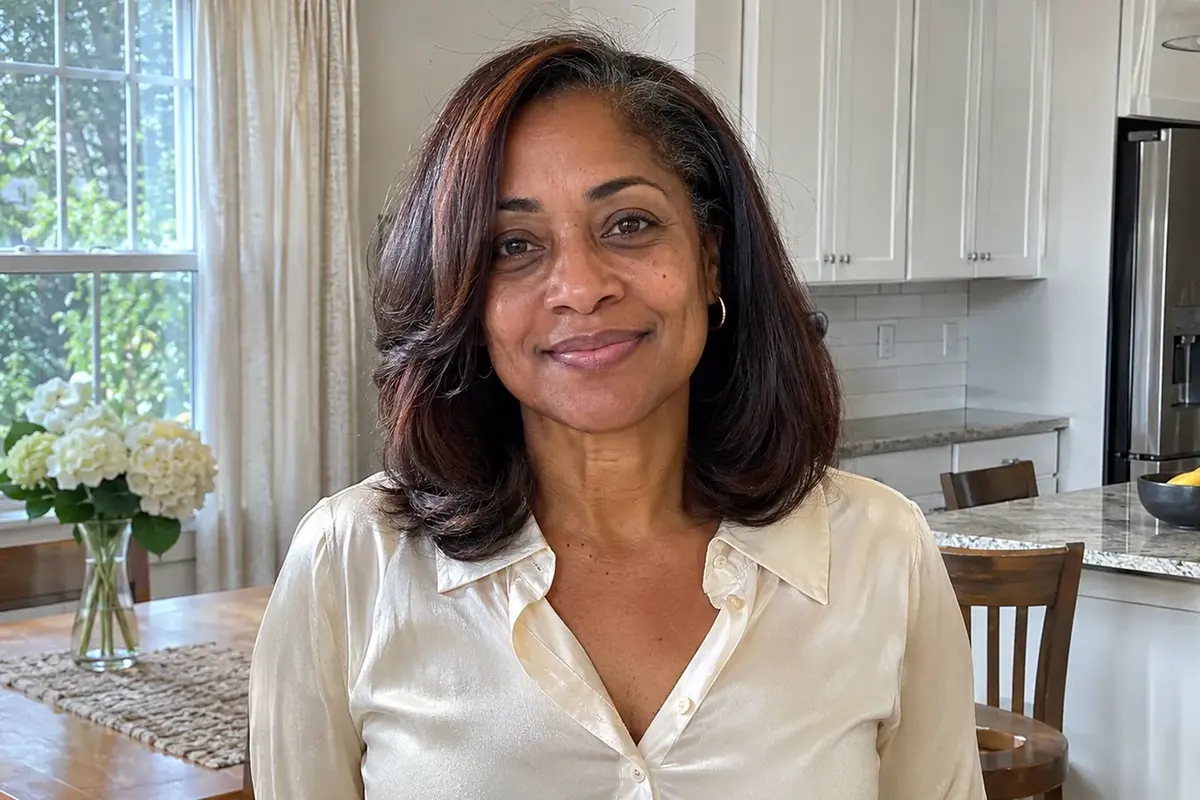
Black woman in her 40s with deep golden-brown skin and glossy dark chocolate brown hair with auburn sheen, wearing a cream blouse, in warm window light
  • Espresso brown
  • Chocolate brown
  • Chestnut brown
  • Plum brown
  • Dark brown

What brown suits dark skin best?

Warm dark brown, chocolate and mocha at levels 3 to 5 suit most dark skin, because they keep depth close to your natural color while adding a visible red or gold sheen. Choose espresso if you want the deepest, most polished look, and chestnut or cinnamon if you want lighter, warmer color with no bleach. Ash and taupe browns tend to look flat and slightly grey against deep skin, so reserve them for blue-neutral undertones and keep them at a low level.

Why Brown Is Harder to Get Right Than It Looks

Brown hair color for dark skin is where most people should start, and also where most box-dye mistakes happen. Brown is not one color. It runs from a near-black level 2 espresso to a level 6 cinnamon, and the same label on a box can be warm red, neutral or flat ash depending on the brand. This page sorts the browns by depth and undertone, shows how to get movement into dark hair without lightener, and covers grey coverage on textured and relaxed hair, where the usual advice about root touch-ups does not always apply.

On deep skin, brown hair color is judged mostly on two things: how much darker or lighter than your skin it sits, and what it does in sunlight. Indoors, level 3 chocolate and level 2 espresso can look almost the same. Outside, one reveals a red-brown sheen and the other stays nearly black. That gap is why two people can both say they have dark brown hair and look nothing alike. When you pick a brown, you are really picking how much light you want the hair to catch.

Undertone does the rest, but in a quieter way than with blonde. Skin with a golden or red undertone lights up next to warm browns such as chestnut, cinnamon and copper-brown, because the hair echoes what the skin is already doing. Skin with a blue or neutral undertone often looks cleaner next to a brown with a cool-neutral base, like a mocha with a hint of violet or a deep espresso with no orange in it. The risk on either side is a mismatch in the tone you cannot see at first, which is red. A brown with too much red against already red-brown skin turns the whole face one color. A brown with none at all can look flat.

There is also a mechanical reason brown goes wrong. Dark natural hair has a lot of underlying red and orange pigment. Standard permanent brown dye only deposits color, so on level 2 or 3 hair it adds almost nothing visible, and going two or three levels lighter without lightener is not possible. A product that says light brown on the box will not lift your hair to light brown. It will deposit that color over your natural dark and, at most, add a faint warm tint. Knowing this stops a lot of disappointment and wasted money on boxes.

Your Best Browns on Dark Skin

  • Espresso brown
  • Dark brown
  • Black coffee brown
  • Deep brown

Espresso and Dark Brown: The Deepest Polish

Levels 2 to 3. This is the closest family to natural black, but with a soft brown cast that reads as softer around the face. Espresso suits almost every deep undertone and is the most forgiving for hair that is relaxed, silk-pressed or worn straight, where light reflection is high. It is also the easiest shade to maintain, since regrowth is barely visible. If you want it to look rich rather than flat, ask for a gloss with a faint red or violet base on top, and use a color-depositing conditioner between appointments.
  • Chocolate brown
  • Mocha brown
  • Warm brown
  • Cocoa brown

Chocolate and Mocha: The Everyday Brown

Levels 3 to 5. Chocolate carries more warmth and mocha a more neutral cocoa tone. Chocolate is the best match for golden and red-brown skin, and mocha suits neutral or slightly cool depth. This is the range where hair starts to look noticeably softer than natural black without needing bleach, and where permanent dye works well on virgin hair. Expect it to read lighter in the sun. If you have naturally black hair, test on a strand first, as the deposit may only show as a subtle warm cast.

  • Chestnut brown
  • Cinnamon brown
  • Copper brown
  • Auburn brown

Chestnut, Cinnamon and Copper-Brown: Warm and Visible

Levels 4 to 6, and the browns that actually look different on camera. Chestnut and cinnamon contain red-orange pigment, so they harmonize with golden, bronze and red-brown skin. Most dark hair needs some lightening to show these shades, but you can often use a high-lift color or a short processing time rather than full bleach. Red fades fastest of all color families, so plan on a glaze every 4 to 6 weeks and cooler washes to keep it from dulling toward orange.

  • Plum brown
  • Cool mocha brown
  • Violet brown
  • Burgundy brown

Soft Plum-Brown and Cool Mocha: For Blue Undertones

Levels 3 to 4. If silver looks better than gold on you and your skin has a purple or blue-black cast, a violet-tinged brown looks sharper than a golden one. It also covers the slight orange that dark hair develops in the sun. The caution is that these shades go flat and dull under a bad toner. Test in daylight, ask for a violet base rather than a green one, and keep the depth at level 4 or below.

Chestnut, mocha or espresso? Find out in minutes

Match my brown

Adding Dimension and Covering Grey Without Bleach

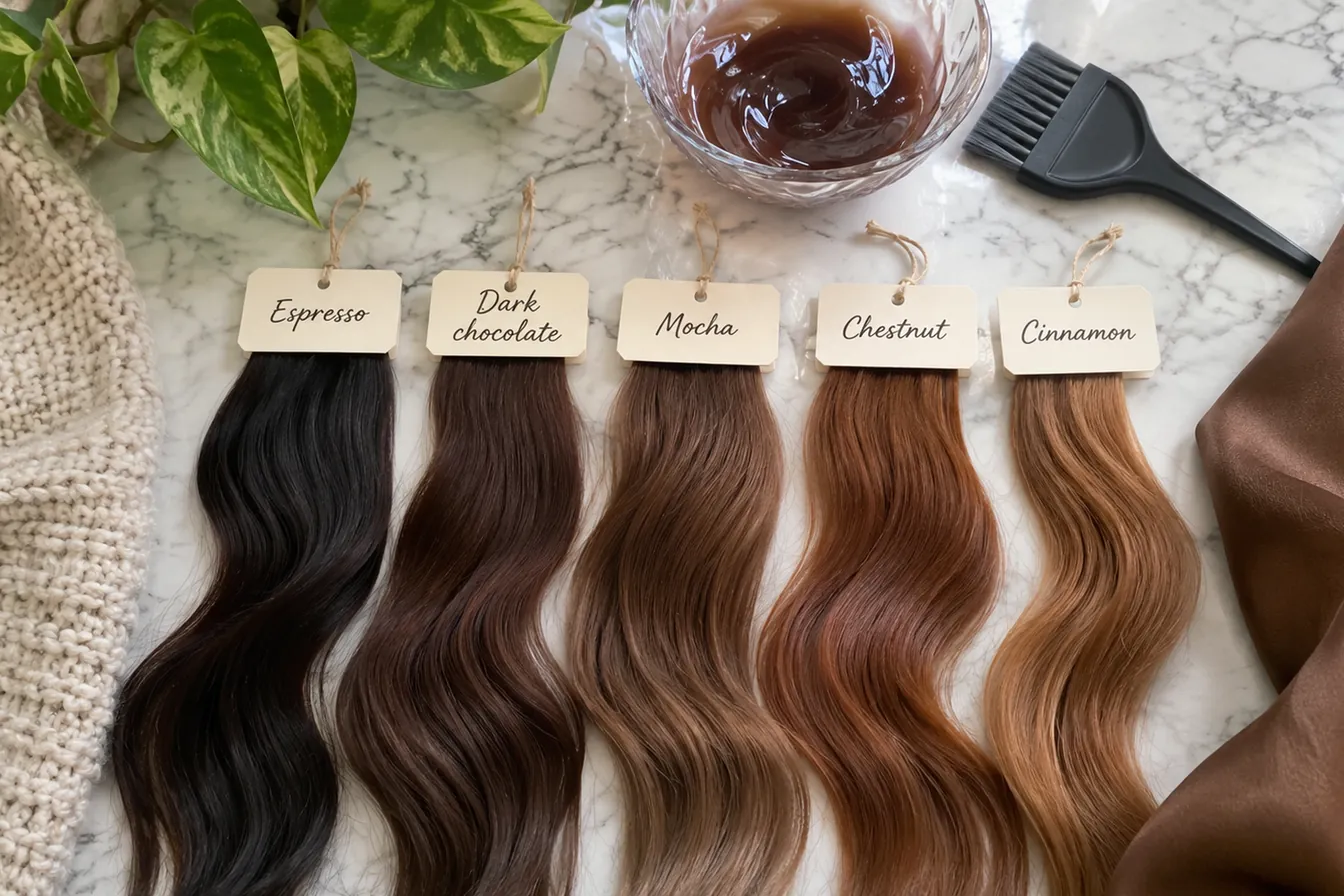
Overhead view of hair swatches labeled Espresso, Dark chocolate, Mocha, Chestnut and Cinnamon on a marble counter beside a glass gloss bowl and brush
  1. 1

    Dimension without bleach

    Use a gloss or semi-permanent color in a different shade rather than lightener. A level 4 chestnut gloss over a level 2 base gives a visible warm sheen in sun, and a violet-brown gloss does the same for cool undertones. Two nearby shades, one at the crown and one through the length, create depth that no flat single color can. These glosses fade in 4 to 8 weeks, which also makes them a low-risk way to test a color before committing to a permanent one.

  2. 2

    Covering grey on textured and relaxed hair

    Grey shows first at the temples and the crown. On coils it is often wiry and resistant, so use a permanent dye in your target level and leave it on for the full time, not a shortened one. If you wear a relaxer, color the grey at least a week before or after it and never apply both in the same visit. For quick touch-ups between appointments, a root concealer or a tinted spray in the right shade holds until your next appointment.

  3. 3

    Which formula to choose

    Permanent color gives the longest-lasting grey cover, but it is also the most drying on coils. Demi-permanent blends grey rather than covering it completely and is gentler, a good choice if you are under 50% grey. Henna and its blends are popular for natural hair but cannot be lightened over safely, and they interfere with later bleach. If you have used henna, tell your colorist before any color work.

  4. 4

    Locs, braids and wigs

    Locs take color best with a semi-permanent or demi formula, applied by someone who knows loc structure, since thick locs can hold product at the core. For braids, brown and burgundy-brown extension hair in shades like 1B, 2, 4 and 30 gives dimension with no chemical process. For wigs and frontals, choose a unit one or two shades lighter than your natural color to read as natural against deep skin, and match it to your hairline in daylight.

Take the Hair Color Quiz

Still choosing between espresso and chestnut? A short quiz based on your skin, eyes and current hair will narrow it down with the what hair color suits me quiz so you walk into the salon with one clear shade.

Brown Mistakes That Flatten Dark Skin

Ash brown

Ash tones are built to cancel warmth. On dark skin that already contains red and gold, they can cancel the glow and leave the skin looking slightly grey around the hairline. They are acceptable only on cool, neutral or blue-based undertones, and then only in a deep level with a violet rather than green base. If you see a greenish cast in daylight, the ash is too strong.

Flat single-process black-brown

A box labeled natural black or darkest brown deposits one dense, even tone. It looks solid and heavy, especially on straight styles, and does not catch light. A professional gloss or a mix of two nearby shades gives the same depth with visible movement. This matters most when you are covering grey, where a single flat shade can show roots sharply within two weeks.

Light golden brown at level 7

Light brown on dark hair is rarely light brown. It is usually a lifted, half-bleached orange that sits between brown and blonde and needs toning to look intentional. If you want to go that light, plan a proper lift and a toner, not a box. Otherwise stay at level 5 or below with warm dimension, which looks more natural against deep skin.

See each brown on your own photo

Try browns on me

Brown Swaps for Dark Skin

Small shifts in depth and tone that make dark brown look expensive instead of flat.

Everyday brown

Flat black-brown box dye
Dark chocolate with a warm gloss

The gloss adds a visible sheen, so the color moves in light instead of sitting as one block.

Brown for golden skin

Ash or taupe brown
Chestnut or cinnamon brown

Warm red-brown echoes the gold in the skin and keeps the face luminous rather than muted.

Brown for cool or blue skin

Orange-red copper
Plum brown or cool mocha

Violet undertones in the hair sit beside blue-based skin without competing.

Lighter look

A box of light brown on dark hair
Chestnut balayage on a mocha base

Controlled lift with toning gives a visible light brown instead of an uneven orange.

Grey cover

Black dye over grey roots
Dark brown one level lighter than your natural

A slightly lighter shade makes regrowth less harsh, so touch-ups can stretch to 5 or 6 weeks.

Between appointments

Sulfate shampoo every wash
A color-safe cleanser and a red-brown depositing conditioner

Warm browns fade fast. A depositing conditioner replaces what each wash strips.

Which Seasons Wear Brown Best on Dark Skin?

Brown is the most natural hair family for deep skin, but the exact tone changes with your season.

Deep Autumn

Deep Autumn

Golden, red or bronze undertones. Your best browns are chocolate, chestnut, cinnamon and copper-brown. These are warm, rich and slightly red. Avoid cool taupe and anything ashy, which will flatten your glow.

Learn more
Deep Winter

Deep Winter

Blue, plum or neutral undertones with high contrast. Your best browns are espresso, cool mocha and plum brown. Keep the depth at levels 2 to 4 for contrast, and use violet-based glosses rather than red ones.

Learn more
Soft Autumn

Soft Autumn

Deep skin with a softer, slightly muted warmth and hazel or softer brown eyes. Your best browns are mocha, warm brown and soft chestnut at levels 4 to 5. Skip very dark espresso and bright copper, which feel too heavy and too loud for your coloring.

Learn more

Choose Depth and Sheen, Then Tone

Brown is the easiest hair color to wear on deep skin, and also the one that rewards precision. Decide how dark you want to go, then add sheen with a warm or violet gloss, and plan how you will cover grey before it begins to show. A personalized color analysis tells you whether your undertone leans warm, neutral or cool, so you can ask your colorist for one specific brown rather than a vague dark one.

Stop guessing — preview every color on you

Preview Yourself In Your Palette

Get my hair palette

Want to see these colors on you? Virtual Hair Color Try-On

Frequently Asked Questions About Brown Hair Color for Dark Skin

What brown hair color is best for dark skin?

Warm chocolate, mocha and chestnut brown are the most flattering for most dark skin tones. They add visible warmth without much lightening. Espresso is the right choice if you want the deepest, most polished look.

What is the best dark brown hair color for dark skin?

Espresso or dark chocolate at levels 2 to 3 is the best dark brown hair color for dark skin. Ask for a warm gloss over it so it catches light, and pick a violet-brown version if your undertone is blue or plum.

Can I dye my black hair brown without bleach?

Only to a degree. Regular dye cannot lift black hair, so it deposits color on top and shows mainly as a warm tint in sunlight. To get a visible chestnut or lighter brown you need some lightening, even if it is a gentle high-lift color.

Does brown hair look good on dark skin?

Yes. Brown is the most natural-looking option for deep skin because it sits close to your natural depth. Warm browns suit golden and red undertones, and cool mocha or plum brown suits blue ones.

How do I cover grey on natural 4C hair?

Use a permanent dye in your target shade and process for the full time, since coily grey is often resistant. Color it at a different visit from any relaxer. Between appointments, a root concealer or tinted spray covers new growth.

How long does brown hair color last on dark hair?

Permanent brown lasts until it grows out, but warm tones such as chestnut or cinnamon fade in 4 to 6 weeks and need a gloss refresh. Espresso and dark brown hold longest. Glosses and semi-permanent colors last 4 to 8 weeks.