The Colors Made ForBlack Hair
Black hair sits at the top of the contrast spectrum. Discover which shades complement your coloring — and which to avoid.
Jet black hair is the highest-contrast coloring you can have. It doesn't need help being striking — it needs colors that respond intelligently to that intensity. Here's exactly what works with black hair, what falls flat, and why your skin tone shapes the entire answer.


3,000+
happy clients
Why Black Hair Creates a Different Color Game
Jet black hair is the highest-contrast coloring you can have. It doesn't need help being striking — it needs colors that respond intelligently to that intensity. Here's exactly what works with black hair, what falls flat, and why your skin tone shapes the entire answer.
Black hair absorbs nearly all light. That means it registers as a deep, defined anchor point for your entire look — visually, it sits at one extreme of the contrast spectrum. The colors you pair with it are always operating in relation to that anchor.
Your skin tone determines how far you sit from that anchor. Fair skin with black hair creates extreme contrast — very dramatic. Medium or olive skin creates moderate contrast — striking and versatile. Deep skin creates tonal richness — powerful in its own way. The same color can look entirely different depending on where your skin sits on that spectrum.
The key rule with black hair: avoid the middle ground. Washed-out colors get overwhelmed. Overly bright neons clash. The sweet spots are clean, vivid brights — and rich, deep saturates. Both extremes work. The indecisive middle doesn't.
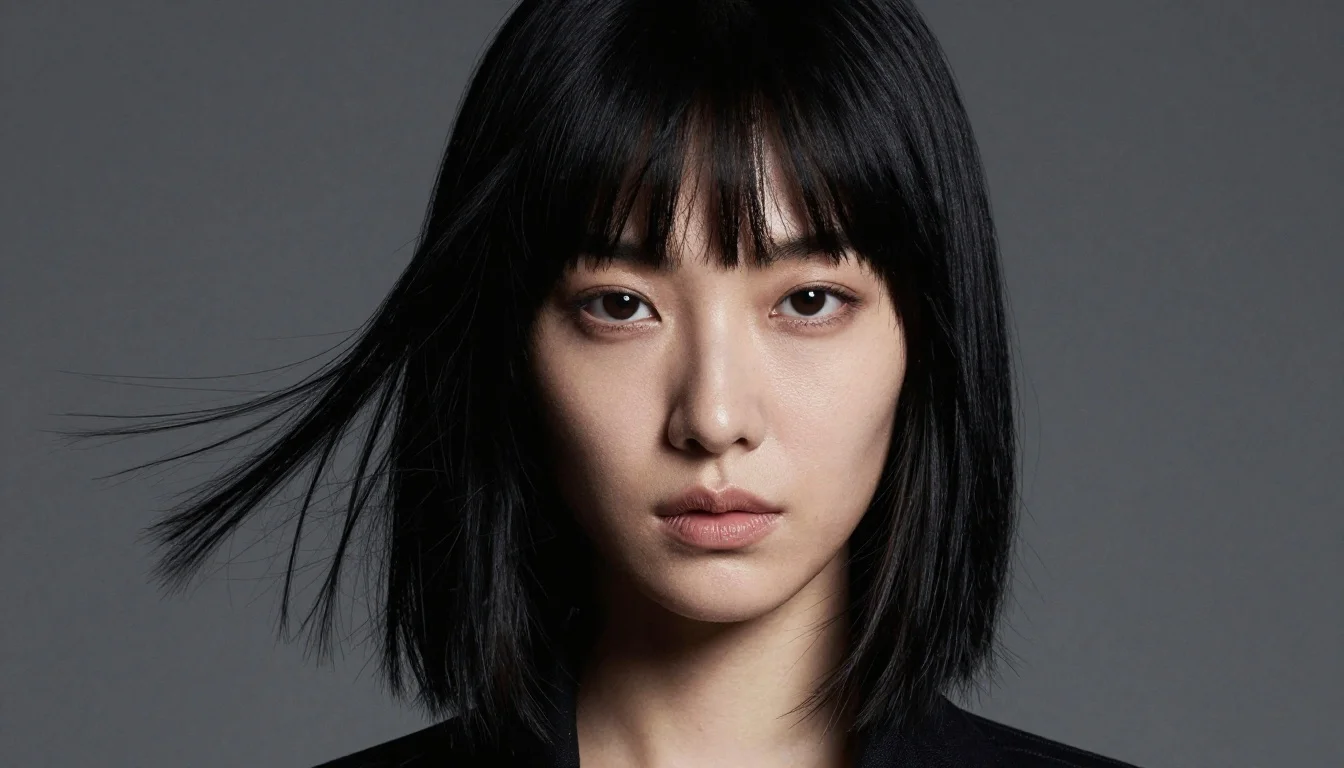
What colors look best with black hair?
True red, crisp white, jewel tones like sapphire and emerald, and rich saturates like deep ruby and amethyst are the most universally flattering colors for black hair. Black hair creates maximum contrast, so colors with strong saturation or clean crispness read best against it.
Your Most Flattering Color Families
Vivid Primaries
Black hair has the contrast level to carry pure, vivid primaries without looking overwhelming. True red against black hair is one of the most iconic pairings in fashion history — the two colors are made for each other. Royal blue creates a bold, graphic look. Crisp white creates maximum contrast and looks impossibly clean and intentional against jet black hair.
Rich Jewel Tones
Jewel tones match the depth and luminosity of black hair. They're rich enough to exist alongside it without being drowned out. Deep ruby creates a warm, dramatic look. Sapphire and emerald read as sophisticated and bold. Amethyst brings a romantic, editorial quality. All four look expensive against black hair.
High-Contrast Neutrals
With black hair, your neutrals should play on contrast rather than blend in. Bright white and ivory next to black hair create a graphic, striking look. Soft black and dark charcoal echo your hair's depth and give a sleek monochromatic feel. Warm stone adds a natural break without losing visual interest.
Cool-Toned Saturates
Black hair often has a blue-black quality that makes cool-toned saturates especially resonant. Fuchsia against black hair is dramatic and modern. Cobalt feels graphic and intentional. Even lighter cool shades like icy lavender and cool mint work on black hair in a way they wouldn't on warmer hair colors — the blue in the black grounds them.

Ready to see red & blue on your face?
Start my color analysisHow to Wear These Colors in Real Life
Maximizing contrast strategically
Lead with your strongest contrasting colors nearest your face — the neckline, collar, or collar area of a shirt. A crisp white button-down or true red turtleneck against black hair does the work instantly. Save medium-depth tones for layers and bottoms where they won't compete with your hair for visual attention.
The classic red-and-black
Red and black is the most iconic combination in fashion for someone with black hair. It works because both colors have maximum saturation — neither backs down. Wear a ruby red blouse with black trousers, or a black dress with a red lip. The combination doesn't need accessories to be complete.
Monochromatic all-black
All-black dressing looks different on black-haired people than on anyone else. Instead of the outfit disappearing, your hair and clothes create a unified, graphic silhouette. Make it work by varying textures — matte jersey with glossy leather, velvet with cotton. The contrast lives in the surface, not the color.
Makeup to match
Bold lip colors are made for black hair. Red, berry, wine, and deep plum all look effortless against the backdrop of dark hair. For eyes, inky black liner in a sharp flick is the most classic look. Alternatively, bold jewel-toned shadow — cobalt, emerald, deep purple — creates a striking editorial effect that most other hair colors can't carry.
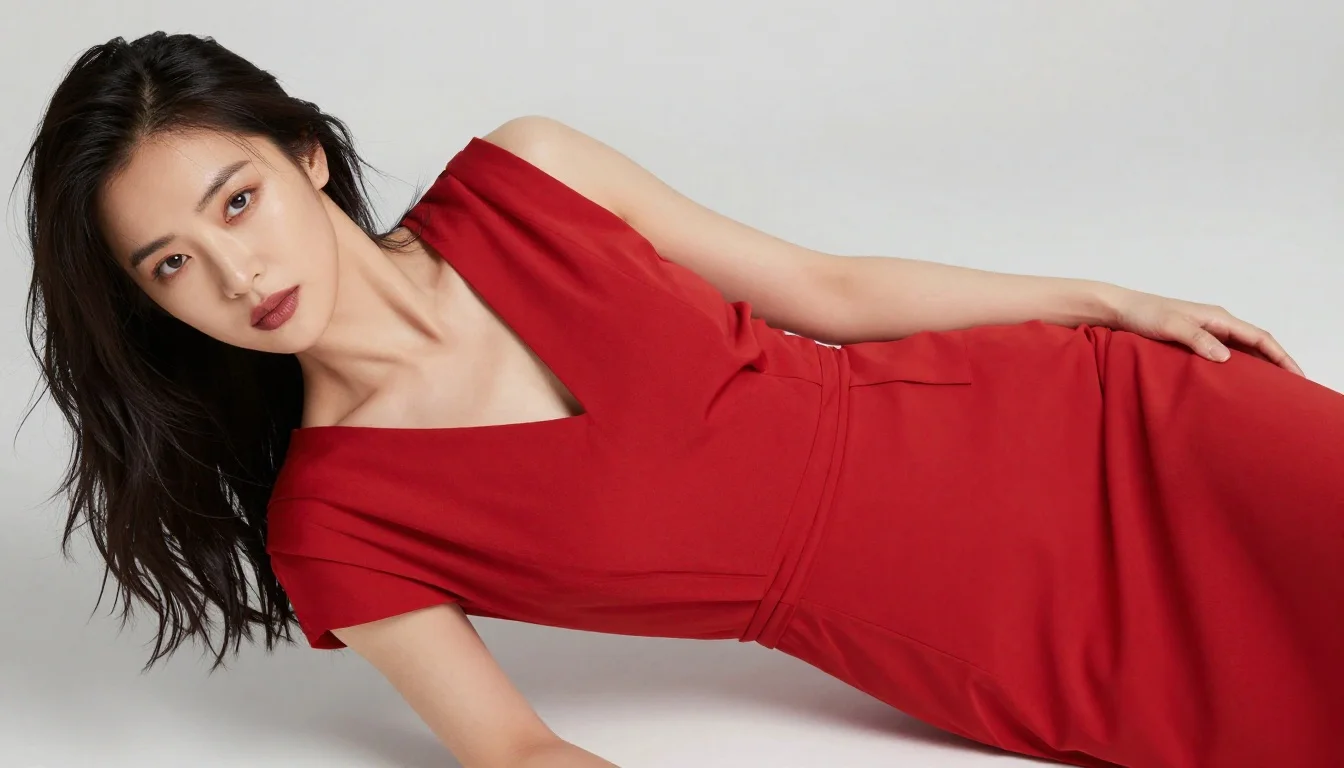
Is black your most flattering hair color?
Blue-black sharpens cool, high-contrast features but can overwhelm softer coloring. Our hair color quiz with AI try-on shows whether jet black, espresso, or a warmer brown suits you best.
Colors That Compete With You
Muddy neutrals
Khaki, greige, and murky taupe lack the intensity to read clearly against black hair. They sit in an ambiguous middle zone — not neutral enough to recede, not bold enough to pop. The result looks unresolved and drains your natural drama.
Washed-out pastels
Very pale, desaturated pastels — baby pink, powder blue, pale yellow — don't have the visual weight to register against black hair. They look like accidents rather than choices. If you love soft tones, go for dusty or deep versions: mauve, slate blue, muted sage.
Warm orange and rust
Unless your skin has strong warm undertones, warm orange and rust tones clash with the cool quality most black hair has. The warmth fights the cool blue-black tones of your hair and creates a discordant look. Deep burgundy or warm red are far more harmonious if you want that warmth.
Neon and fluorescent shades
Neons overpower even the boldest coloring. Against black hair, they create a jarring, unbalanced contrast that reads as costume-like rather than intentional. Reach for vivid but non-fluorescent versions of those colors — cobalt instead of electric blue, ruby instead of neon pink.
Stop guessing — preview every shade on you
See myself in my colorsSmarter Color Choices for Black Hair
These swaps move you from 'fine' to 'striking' with a single color change.
Grey muddles against black hair. White creates the clean, graphic contrast that black hair was made for.
Blush disappears next to black hair. Ruby and sapphire match its intensity — you'll look polished and memorable.
Champagne reads as washed-out against black hair. Jewel tones meet your hair's richness and look genuinely stunning.
Khaki is too muddy to sit well with black hair. Black creates a sleek monochrome. Cobalt creates a bold, intentional contrast.
Oatmeal lacks the crispness to read clearly against black hair. Ivory is warmer and cleaner — it makes your skin glow rather than disappear.
Pale pastels get absorbed into the visual energy of black hair. Rich, saturated accessories add an intentional pop of colour.
Which Seasonal Palette Fits Black Hair?
Natural black hair appears most often in Deep Winter and Cool Winter palettes, but your skin tone and eye color determine exactly where you land. Here are the most common seasonal matches for black hair.
Deep Winter
Learn moreIf your black hair is paired with fair, medium, or deep skin that has cool or neutral undertones, Deep Winter is your most likely season. You suit the sharpest contrasts and the boldest jewel tones — black, white, royal blue, and true red are signature Deep Winter colors.
Cool Winter
Learn moreIf your black hair sits alongside cool-toned, medium-depth skin and you feel most alive in icy, clear colors rather than deep saturates, Cool Winter is your match. Think icy pink, clear fuchsia, and clean cobalt blue.
Deep Autumn
Learn moreSome black hair runs with warm undertones — if your skin is golden or olive and your eyes are dark brown or warm hazel, you may lean Deep Autumn. You'll feel better in warm jewel tones like cognac, deep teal, and forest green than in cool primaries.
Find Your Exact Colors
Black hair is one of the most visually powerful features you can have, but the colors that unlock its full effect are specific to your skin undertone, eye color, and natural contrast. A personalized color analysis goes beyond hair color to give you a complete palette — the shades that make you look striking every single time.
Stop guessing — preview every color on you
Preview Yourself In Your Palette
Get my personalized paletteStop guessing — preview every color on you
Preview Yourself In Your Palette
Related Guides for Best Colors for Black Hair
Explore more personalized color advice based on your features.
Want to see these colors on you? Virtual Hair Color Try-On — free to try.
Frequently Asked Questions About Best Colors for Black Hair
What colors look best with black hair?
True red, crisp white, jewel tones like sapphire and emerald, and rich saturates like deep ruby and amethyst are the most universally flattering colors for black hair. Black hair creates maximum contrast, so colors with strong saturation or clean crispness read best against it.
Can people with black hair wear pastels?
Yes — but choose pastels with depth rather than chalky, washed-out versions. Dusty mauve, muted sage, soft slate blue, and icy lavender work on black hair. Baby pink, powder blue, and pale yellow tend to look disconnected. The cool-toned end of the pastel spectrum usually reads better than warm pastels against black hair.
What are the worst colors to wear with black hair?
Muddy neutrals like greige and khaki, warm orange and rust, washed-out pastels, and neon shades all tend to work against black hair. These colors either get overwhelmed by the visual weight of black hair or create a jarring clash. The sweet spots are vivid brights and rich deep tones.
Does black hair look better with cool or warm colors?
It depends on your skin undertone. Most black hair has a blue-black quality that pairs naturally with cool-toned colors — cobalt, fuchsia, icy white. But if your skin is warm or olive, you'll look better in warm jewel tones like deep ruby, forest green, and burnt amber. Your hair sets the stage; your skin tells you which direction to go.
What is the best lipstick color for black hair?
Red lipstick is the classic pairing for black hair — true red, deep red, and blue-red all work beautifully. Deep berry, wine, and plum are equally striking for a more moody look. Even bold fuchsia reads well. What to avoid: peachy nudes and pale pinks, which disappear against the drama of black hair.
What neutral colors work best with black hair?
Crisp white, ivory, soft black, and warm stone are the strongest neutrals for black hair. Bright white creates dramatic contrast. Ivory softens it slightly. Soft black and charcoal create a sleek monochrome effect. Avoid beige, oatmeal, and grey — they lack the saturation to hold their own next to black hair.