Best Top Colors forPale Skin
Find the most flattering top colors for pale skin. Discover how to find the colors that actually flatter your coloring.
Tops sit closer to your face than any other garment, making color choice the single most impactful styling decision you make each day. Pale skin is luminous by nature — the right top colors celebrate that luminosity, while the wrong ones make it look washed out or grey. Here is exactly what to reach for.


3,000+
happy clients
Why Color Choice Matters Most for Pale Skin
Tops sit closer to your face than any other garment, making color choice the single most impactful styling decision you make each day. Pale skin is luminous by nature — the right top colors celebrate that luminosity, while the wrong ones make it look washed out or grey. Here is exactly what to reach for.
Fair skin has very little pigment, which makes it highly responsive to reflected color. Whatever you wear near your face casts a tint onto your complexion. This is actually an advantage: it means you get a visible, immediate benefit from wearing flattering colors, more so than people with deeper skin tones where the effect is subtler.
The most important variable is your undertone. Pale skin can be cool (pink or blue undertones), warm (peach or golden undertones), or neutral. Cool pale skin looks best in colors with a blue or rosy base. Warm pale skin glows in peach, golden, and warm tones. Neutral skin has the widest range.
Contrast is another key factor. Many pale-skinned people have low contrast between skin, hair, and eyes — and wearing very muted or washed-out colors near the face can make you fade into the background. Understanding your personal contrast level is the key to choosing tops that make you look vivid and intentional.
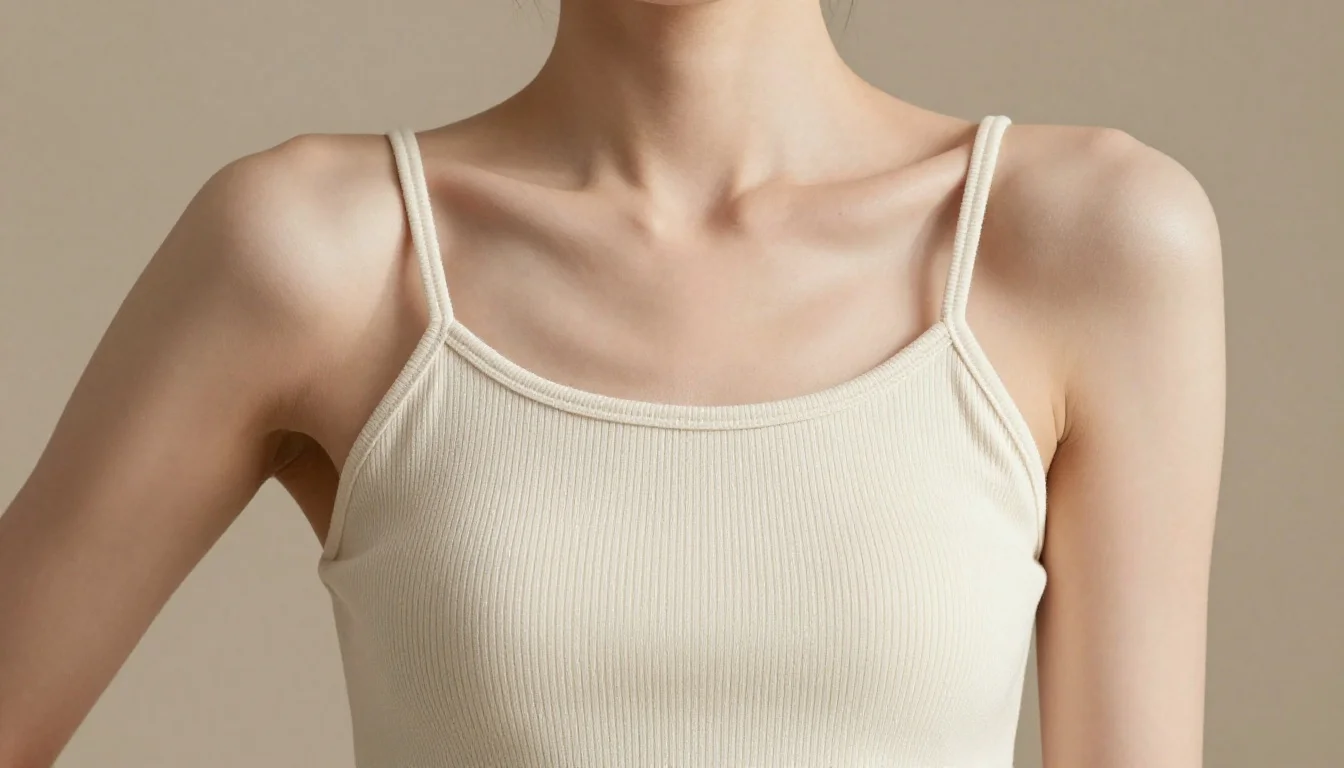
What top colors look best on pale skin?
The most flattering top colors for pale skin depend on your undertone. Cool pale skin (pink/blue undertones) looks best in jewel tones like cobalt blue, emerald, and deep purple, as well as soft dusty rose and lavender. Warm pale skin (peachy/golden undertones) looks best in coral, peach, warm ivory, and golden tones. All pale skin types benefit from clear definition — avoid very washed-out colors that blend with fair complexion.
Your Most Flattering Top Colors
Deep Jewel Tones
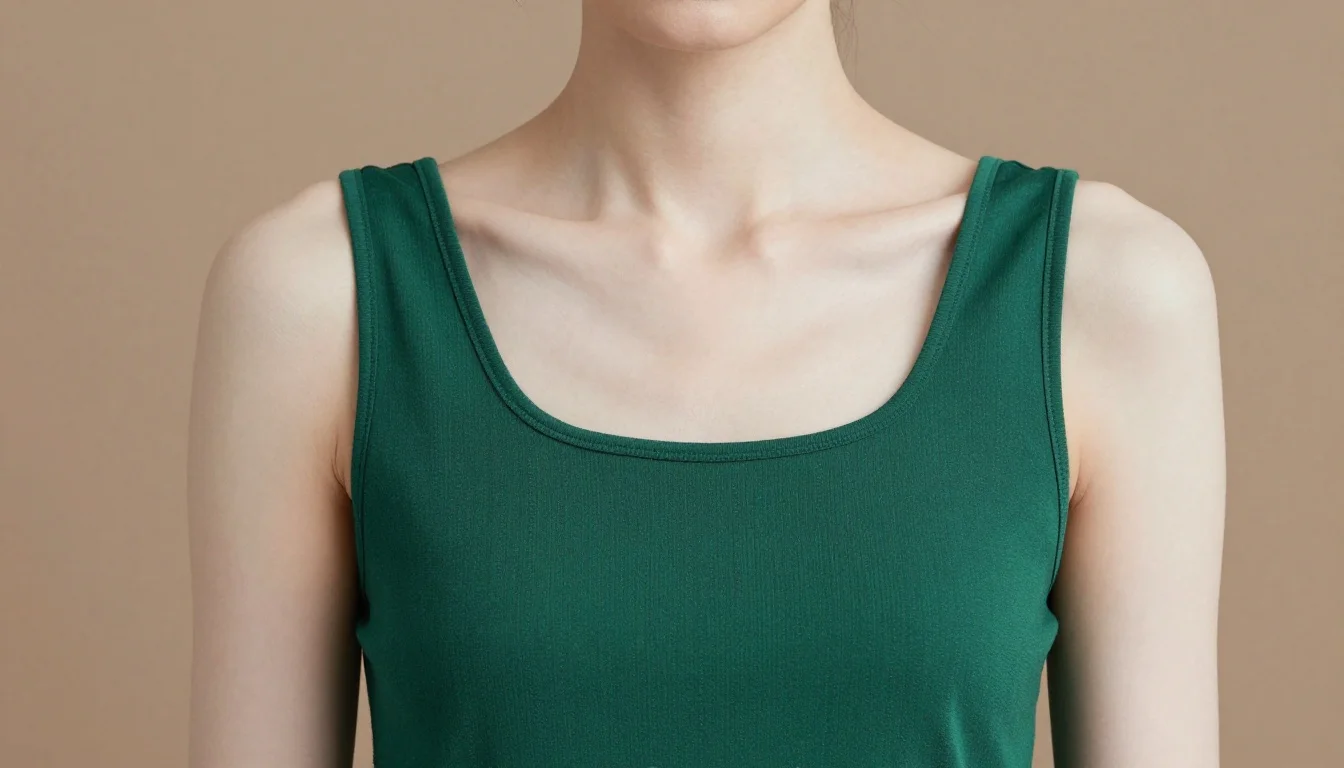
Rich, saturated jewel tones provide the contrast that pale skin needs without being harsh. Cobalt blue is universally flattering on all pale undertones. Emerald is stunning on fair skin, particularly when paired with dark or warm hair. Deep purple elevates the pink undertones in cool pale skin beautifully.
Soft Pastels and Blush Tones
Muted, soft pastels in the right undertone family are graceful and harmonious on pale skin. Dusty rose and blush echo the natural rose in fair skin's cheeks. Powder blue suits cool pale complexions particularly well. These work best when chosen with enough saturation to show against light skin, rather than chalky, very washed-out versions.
Classic Deep Neutrals
Deep neutrals provide clear, elegant contrast against pale skin and look polished in any context. Navy is the most universally flattering neutral for all pale skin types. Charcoal provides depth without the harshness of black. Burgundy adds warmth and richness, working especially well on pale skin with warm undertones.
Warm Peachy Tones
For pale skin with warm or neutral undertones, peach and coral tones work almost like a flattering blush — they warm up the complexion and bring out natural color in the cheeks. Apricot and salmon are particularly good for making pale skin look healthy rather than pallid.

Ready to see cobalt blue & emerald on your face?
Start my color analysisHow to Wear These Top Colors in Real Life
Silk blouse
A cobalt blue or emerald silk blouse near the face is transformative for pale skin — the richness of the color and the luminosity of silk together create a striking, vibrant effect. For a softer option, a dusty rose silk blouse adds romantic warmth without overpowering a fair complexion. Save stark white silk for layering under jackets rather than against the face.
Casual tee
Replace the plain white or grey tee with a warm ivory, soft blush, or deep navy. Navy is the pale skin everyday hero — it provides clear contrast, looks effortlessly polished, and works with literally everything in your wardrobe. Dusty rose or blush tees are an excellent choice for warm or neutral pale skin types.
Structured knit
For cooler weather, a deep burgundy, emerald, or rich navy knit is the best choice for pale skin. These rich tones look luxurious against fair complexions and create the clear definition that pale skin benefits from. Avoid very pale or chalky knit tones which can make you look as if you are wearing a blanket.
Button-down shirt
A classic button-down in navy, pale blue, or soft pink works beautifully for pale skin. The structured nature of a button-down benefits from clear color definition — which these tones provide. A chambray blue or soft stripe with cool undertones is a casual staple for cool pale skin types.
Top Colors That Work Against Pale Skin
Stark white
Brilliant white is too similar in lightness to fair skin and can create a washed-out, one-dimensional effect. It also tends to cast a cool, clinical light onto the face. Choose warm white, ivory, or cream instead — they offer the same clean look with much more warmth.
Very pale washed-out pastels
Chalky, flat pastels — particularly baby blue or mint without saturation — can make pale skin look grey or tired. Choose pastels that have enough pigment to show distinctly against fair skin, or choose the deeper, dustier versions of pastel colors.
Pale yellow or lime
Yellow tones very close to the skin's value can cast an unflattering sallow light onto cool pale skin. This is especially true for very light, chalky yellows. Golden or warm mustard yellows with more depth can work for warm-undertoned pale skin.
Orange-adjacent bright tones
Vivid orange, bright tangerine, and very saturated warm tones can look harsh against cool pale skin, creating an unflattering contrast. If you love warm colors, choose terracotta or peach — softer, more muted versions with the same warmth.
Stop guessing — preview every look on you
See these looks on my photoTop Color Swaps for Pale Skin
Easy color trades that make a visible, immediate difference in how your complexion looks.
White is too close in lightness to pale skin and creates a cold, flat look; ivory adds warmth and luminosity.
Washed-out yellow can cast a sallow light on pale skin; peach and coral warm the complexion and bring out natural color.
Extremely pale colors disappear against fair skin; dustier, more pigmented versions of pastels provide definition and elegance.
Flat neutrals in the same lightness range as pale skin create a low-contrast, washed-out effect; deep, rich tones provide the definition fair skin benefits from.
Very bright orange can look harsh against cool pale skin; terracotta is the same warm family in a more muted, flattering tone.
Light, sheer tops disappear against pale skin in evening light; rich jewel tones provide dramatic, flattering contrast that photographs beautifully.
Which Palette Might Be Yours?
Pale skin appears in several seasonal palettes depending on your undertone, hair color, and eye color. Here are the most common matches.
Light Summer
Learn moreIf your pale skin has cool pink undertones, your hair is ash or cool blonde or light brown, and your eyes are cool blue or grey, Light Summer is a strong match. Your best tops are soft, muted, and cool: dusty rose, powder blue, lavender, and soft sage.
Light Spring
Learn moreIf your pale skin has warm peachy undertones and your hair and eyes have warm golden or hazel qualities, Light Spring is your likely palette. Your best tops are warm and clear: soft peach, coral, warm ivory, and light golden yellow.
Cool Winter
Learn moreIf your pale skin is very fair and cool with high contrast — dark hair and sharp features — Cool Winter is your match. Your tops should be crisp, clear, and cool: icy lavender, cobalt blue, bright white, and crisp navy.
Find Your Exact Colors
Pale skin comes in many varieties, and your specific undertone, contrast level, hair color, and eye color determine exactly which top colors were made for you. A personalized color analysis takes the guesswork out entirely — you will know precisely which shades to look for every time you shop.
Stop guessing — preview every color on you
Preview Yourself In Your Palette
Get my personalized paletteStop guessing — preview every color on you
Preview Yourself In Your Palette

Related Guides for Best Top Colors for Pale Skin
Explore more personalized color advice based on your features.
Want to see these colors on you? What Colors Look Good on Me — free to try.
Frequently Asked Questions About Best Top Colors for Pale Skin
What top colors look best on pale skin?
The most flattering top colors for pale skin depend on your undertone. Cool pale skin (pink/blue undertones) looks best in jewel tones like cobalt blue, emerald, and deep purple, as well as soft dusty rose and lavender. Warm pale skin (peachy/golden undertones) looks best in coral, peach, warm ivory, and golden tones. All pale skin types benefit from clear definition — avoid very washed-out colors that blend with fair complexion.
Should pale skin wear white tops?
Warm white, ivory, and cream are more flattering than stark, brilliant white for pale skin. Brilliant white creates a cold, flat effect near fair skin and can make the complexion look pallid. Off-white and cream versions provide the same clean look with a warmer quality that harmonizes much better with pale undertones.
What color blouse makes pale skin glow?
Cobalt blue, dusty rose, and deep emerald are the top three blouse colors that make pale skin visibly glow. Cobalt blue provides clear, flattering contrast for all pale skin types. Dusty rose echoes the natural rose in pale cheeks and creates a warm, romantic effect. Deep emerald provides richness and depth that makes fair complexions look luminous.
Can pale skin wear bright colors?
Yes — pale skin often handles jewel-bright colors beautifully because the contrast is striking and intentional rather than overwhelming. Cobalt blue, emerald, ruby red, and deep purple all look excellent against fair skin. What works less well are very bright warm tones like vivid orange or neon yellow, which can look harsh against cool pale complexions.
What is the best everyday tee color for pale skin?
Navy is the single best everyday neutral top color for pale skin — it provides clear contrast, looks universally polished, and works with everything. Warm ivory is the best neutral when you want something lighter. Dusty rose and soft blush are excellent casual top colors for warm and cool pale skin types respectively. The main one to avoid is stark white, which flattens fair complexion rather than enhancing it.
Do pastels work for pale skin tops?
Yes, with a caveat: choose pastels that have enough saturation to be visible against pale skin. Dusty rose, powder blue, and soft lavender all work well because they have enough pigment to create definition. Very chalky, washed-out pastels — particularly mint or very pale baby blue — can blend into fair skin and create an unintentional, faded look.