Best Top Colors forWarm Undertones
Discover the most flattering top colors for warm undertones. Discover how to find the colors that actually flatter your coloring.
Warm undertones — the golden, peachy, or yellow base in your skin — respond powerfully to color worn near the face. The right top colors amplify your skin's natural warmth and make you look healthy and vibrant without any extra effort. The wrong ones dull that warmth and make your complexion look flat. Here is exactly what works.


3,000+
happy clients
Why Warm Undertones Change Which Colors Flatter You
Warm undertones — the golden, peachy, or yellow base in your skin — respond powerfully to color worn near the face. The right top colors amplify your skin's natural warmth and make you look healthy and vibrant without any extra effort. The wrong ones dull that warmth and make your complexion look flat. Here is exactly what works.
Undertone is the persistent color beneath your skin's surface — the quality that stays constant whether you are tanned or pale, and that determines how colors interact with your complexion. Warm undertones have a yellow, golden, or peachy base. When you wear colors near your face that share or complement that warmth, your skin looks alive and radiant.
Tops are the garment closest to your face and neck, which makes them your single most impactful daily color choice. Unlike pants or shoes, a top reflects color directly onto your jawline, cheeks, and neck, functioning like a colored light source that either flatters or drains depending on its hue.
Warm undertones exist across all skin depths — from very fair skin with a peachy cast to deep, rich skin with a golden base. The guidance here applies across that full spectrum. Your depth of skin determines how saturated a color should be, but the warmth principle holds regardless.
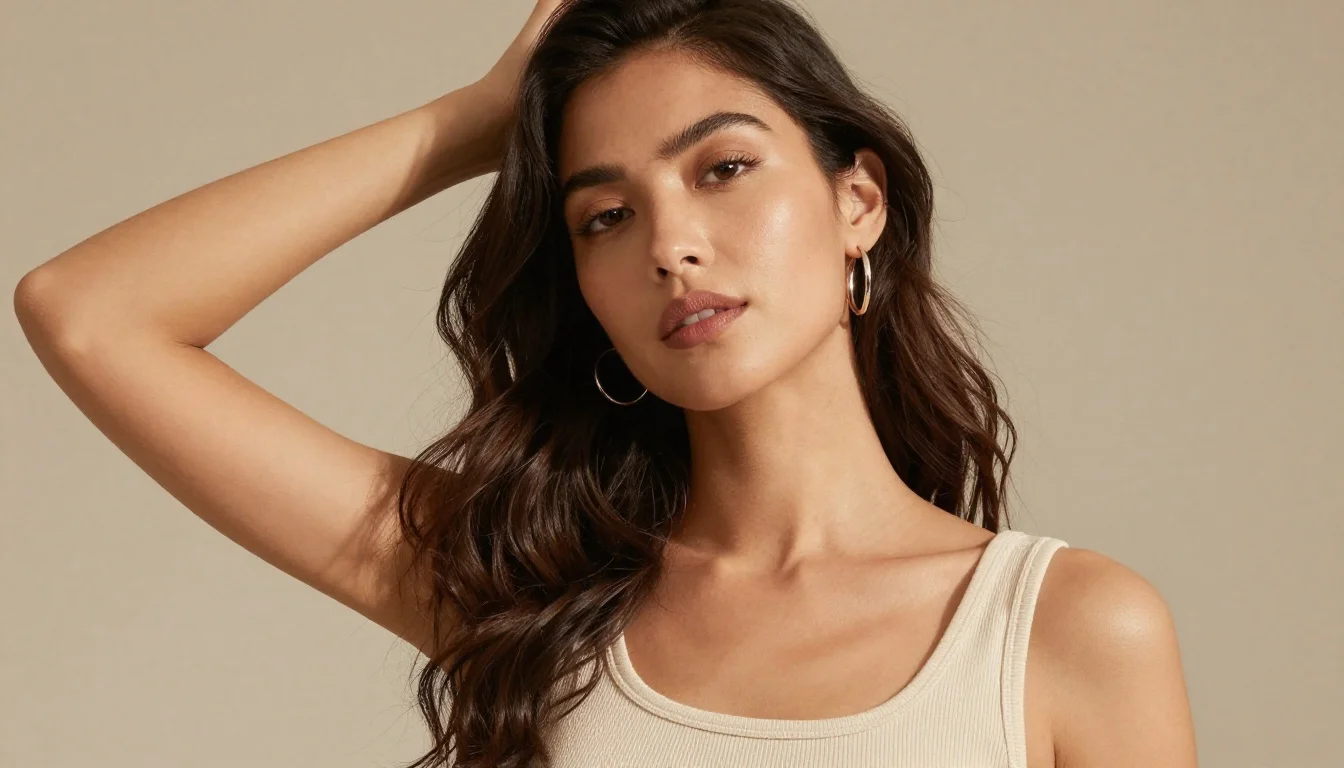
What top colors look best for warm undertones?
The most flattering top colors for warm undertones are earthy, golden, and warm-based shades: camel, terracotta, cognac, mustard, olive green, warm burgundy, and deep coral. These colors harmonize with the golden or peachy base in warm skin and make the complexion look healthy and vibrant. Avoid cool grey, stark white, icy pastels, and cool fuchsia near the face.
Your Most Flattering Top Colors
Warm Earthy Neutrals
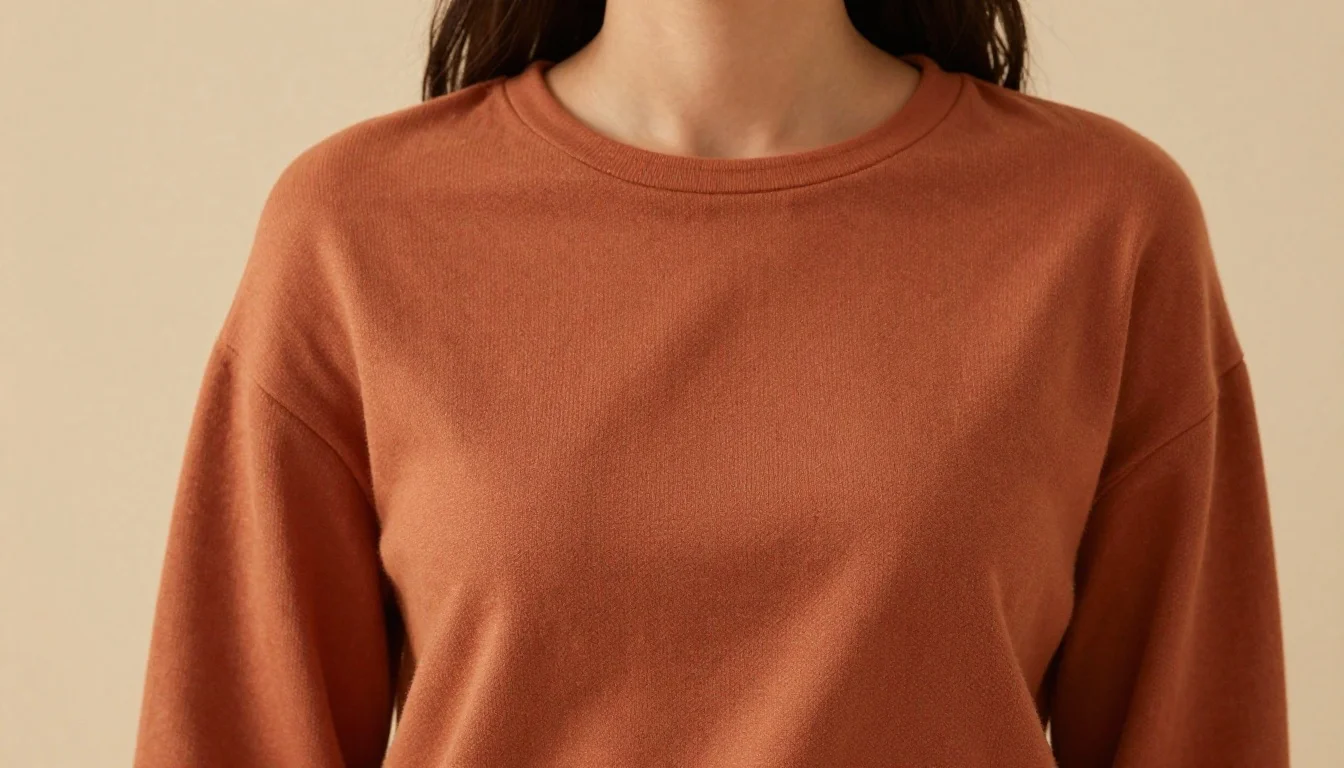
These warm, grounded tones mirror the golden or peachy base in warm undertones and create a harmonious, glowing effect. Camel is the perfect everyday neutral — it functions as warm skin's equivalent of grey, working with everything while adding warmth rather than taking it away. Terracotta brings earthy radiance.
Golden and Amber Tones
Colors in the golden-yellow family share the base hue of warm undertones and create a luminous, sun-warmed effect on the skin. Mustard is particularly flattering — it adds vibrancy without overwhelming. Warm amber tones bring richness to medium and deeper warm-toned complexions.
Warm and Earthy Greens
Warm-based greens — those with a yellow or olive foundation — harmonize with golden undertones rather than conflicting with them. Olive green in particular is a warm undertone staple, sharing the same yellow-green DNA as warm complexions. Forest green is richer and works especially on medium and deeper warm skin.
Rich Warm Jewel Tones
When you want drama and depth, warm jewel tones provide impact while staying in harmony with golden undertones. Burgundy with a warm, ruby base is stunning on all warm-toned complexions. Deep coral works beautifully on warm skin. Warm teal — with a slight yellow-green base — is a striking contrast that complements rather than clashes.

Ready to see camel & taupe on your face?
Start my color analysisHow to Wear These Top Colors in Real Life
Silk blouse
A warm amber, deep coral, or cognac silk blouse is one of the highest-flattery investments for warm undertones. The sheen of silk amplifies the color's warmth and reflects it onto your complexion in the most luminous way. Camel and warm ivory silk blouses work as elevated neutrals that are far more flattering than white against warm skin.
Casual tee
Swap your white or grey tee for warm ivory, camel, terracotta, or mustard. These colors work effortlessly while still making your complexion look alive. An olive green tee creates a beautiful, low-effort monochromatic harmony with warm undertones that reads as polished without trying.
Structured knit
In cooler seasons, a warm camel, rich cognac, or deep forest green knit is the ideal sweater for warm undertones. These tones look cozy and intentional while flattering your complexion even in the dullest winter light. Avoid the temptation of a classic grey knit — it works against warm skin rather than for it.
Button-down shirt
Warm-toned button-downs — in chambray with a warm denim hue, soft warm sage, or cream — frame warm complexions beautifully. The classic crisp white button-down has a cool cast that slightly conflicts with warm undertones; switching to warm white or ivory makes an immediate improvement with no other changes.
Top Colors That Work Against Warm Undertones
Icy or cool pastels
Lavender, baby blue, mint, and cool pink have cool, blue bases that conflict with warm undertones. Worn near the face, they can make warm skin look ashy, dull, or slightly grey. If you love these colors, look for warmer versions — a peach-pink instead of cool pink, for example.
Cool grey
A blue-grey or charcoal top near the face drains the warmth from golden undertones. The result is a complexion that looks flat and tired. If you want grey in your top wardrobe, choose a warm grey with a taupe or beige base instead.
Stark white
Brilliant white has a cool, slightly blue cast that conflicts with warm undertones near the face. Ivory, cream, and warm off-white are significantly more flattering — they have a golden base that works with warm complexions rather than against them.
Cool fuchsia or pink-purple
Vivid cool pinks and blue-based purples clash with warm golden undertones and can make skin look slightly muddy. Deep, warm-based reds and burgundies are the flattering alternative for those who want pink-adjacent drama.
Stop guessing — preview every look on you
See these looks on my photoTop Color Swaps for Warm Undertones
Small color changes that dramatically improve how your skin looks in everyday tops.
White has a cool cast that works against warm undertones; ivory's golden base mirrors the warmth in your skin and looks more naturally radiant.
Cool grey drains golden undertones near the face; warm taupe echoes the same neutrality while adding warmth instead of removing it.
Cool pastels conflict with golden undertones and create a slightly ashy look; warm coral and cognac make warm skin glow.
Grey sweaters near a warm-toned face flatten the complexion; warm earthy knits look luminous even in grey winter light.
The cool brightness of white Oxford cloth creates slight dissonance with warm undertones; warm ivory or sage frames the face with harmony.
Cool pinks fight warm undertones; rich warm reds and burgundies provide the same drama while complementing golden skin beautifully.
Which Palette Might Be Yours?
Warm undertones appear across multiple seasonal palettes. Your exact season refines which warm top colors work best for your specific coloring.
Warm Autumn
Learn moreIf your skin has deep golden or peachy warmth, your hair is rich brown, auburn, or dark with warm tones, and your eyes are hazel, warm brown, or green, Warm Autumn is your likely match. Your best tops are richly warm and earthy: terracotta, camel, olive, warm rust, and cognac.
Warm Spring
Learn moreIf your skin is fair to medium with a peachy-golden quality, your hair is golden blonde, strawberry, or light warm brown, and your eyes are blue-green, light hazel, or warm brown, Warm Spring is your palette. Your tops should be warm, clear, and vibrant: coral, golden yellow, bright terracotta, and warm turquoise.
Soft Autumn
Learn moreIf your warmth is muted rather than vivid — medium or ash-tinted warm skin, soft hair, and gentle eye color — Soft Autumn may be a better match. Your tops should be softly warm and earthy: warm taupe, dusty terracotta, muted sage, and camel in lower saturation.
Find Your Exact Colors
Warm undertones span several seasonal palettes, and your exact season — determined by your skin depth, hair, and eye color — defines precisely which warm top colors are made for you. A personalized color analysis identifies those exact shades, so every top you buy is a guaranteed win.
Stop guessing — preview every color on you
Preview Yourself In Your Palette
Get my personalized paletteStop guessing — preview every color on you
Preview Yourself In Your Palette

Related Guides for Best Top Colors for Warm Undertones
Explore more personalized color advice based on your features.
Want to see these colors on you? Skin Undertone Test — free to try.
Frequently Asked Questions About Best Top Colors for Warm Undertones
What top colors look best for warm undertones?
The most flattering top colors for warm undertones are earthy, golden, and warm-based shades: camel, terracotta, cognac, mustard, olive green, warm burgundy, and deep coral. These colors harmonize with the golden or peachy base in warm skin and make the complexion look healthy and vibrant. Avoid cool grey, stark white, icy pastels, and cool fuchsia near the face.
Can warm undertones wear blue tops?
Yes — but the key is warmth within the blue. Warm teal (with a yellow-green undertone), deep cobalt, and navy all have enough depth to work well near warm skin. Icy or cool blue tops — baby blue, powder blue, periwinkle — are more problematic because they conflict with golden undertones and can make warm skin look slightly ashy.
What color blouse makes warm undertones glow?
Terracotta, warm amber, and cognac are the top three blouse colors that make warm undertones visibly glow. Terracotta mirrors the yellow-orange base of warm skin perfectly. Warm amber provides a golden richness that reflects light beautifully. Camel works as the perfect everyday neutral blouse for warm skin — it functions like the warm version of grey.
Should warm undertones wear white tops?
Warm ivory and cream are significantly more flattering than stark white for warm undertones. Brilliant white has a cool, slightly blue cast that conflicts with golden skin near the face. Ivory and cream have a warm base that harmonizes much more naturally. If you love white, look for whites that lean slightly creamy or yellow rather than pure blue-white.
What is the best tee color for warm undertones?
Camel, warm ivory, terracotta, and olive green are all excellent everyday tee colors for warm undertones. Camel is the single best neutral — it works like a warm grey, pairing with everything while making warm skin glow. Olive green is the best pop-of-color tee option. Avoid white and grey tees, which are common defaults but work against warm undertones rather than for them.
Do green tops work for warm undertones?
Warm-based greens — olive, sage, forest green, and chartreuse — are excellent for warm undertones. They share the same yellow-green quality as warm undertones and create beautiful harmony. Cool-based greens like bright mint, cool emerald, or blue-tinted sage are less flattering because they have the wrong undertone base. When shopping for green tops, look for ones that lean yellow-green rather than blue-green.