Best Dress Colors forSoft Autumn
Soft Autumn dresses look best in muted, warm-neutral tones. Discover which shades flatter you most — and which to skip.
As a Soft Autumn, your coloring has a hallmark quality: everything is blended and gently muted. Your hair, eyes, and skin all sit in a medium-value, warm-neutral range without strong contrast between them. This isn't a limitation — it's a palette signature. The dresses that work best for you aren't vibrant or stark; they're warm and softly saturated, the color equivalent of autumn morning light through gauze. When you find the right shade, it doesn't compete with your coloring — it completes it.


3,000+
happy clients
Why Soft Autumn Needs Muted Warmth, Not Vivid Brightness
As a Soft Autumn, your coloring has a hallmark quality: everything is blended and gently muted. Your hair, eyes, and skin all sit in a medium-value, warm-neutral range without strong contrast between them. This isn't a limitation — it's a palette signature. The dresses that work best for you aren't vibrant or stark; they're warm and softly saturated, the color equivalent of autumn morning light through gauze. When you find the right shade, it doesn't compete with your coloring — it completes it.
Soft Autumn sits at the intersection of the Autumn and Summer families, borrowing warmth from Autumn and mutedness from Summer. Your seasonal characteristics are low contrast (features that blend rather than contrast), warm undertones (golden, peach, or warm-neutral skin), and medium value (not very light, not very dark). This combination requires colors that match its gentle, blended quality.
High-saturation or high-contrast colors overwhelm Soft Autumn coloring. A vivid cobalt or bright coral creates a stark contrast that makes the person disappear behind the dress rather than the dress serving the person. The color becomes the focal point — which is the opposite of what works for this season. Soft Autumn needs colors that feel like they grew from the same soil as the natural coloring.
The muted quality in Soft Autumn colors is not the same as faded or dull. Camel, dusty terracotta, warm sage, and soft warm brown all have richness — they're just not sharp or vivid. Think of the difference between a dusty rose and a hot pink: the same hue family, completely different effect. Soft Autumn lives in the dusty rose register across its entire palette.
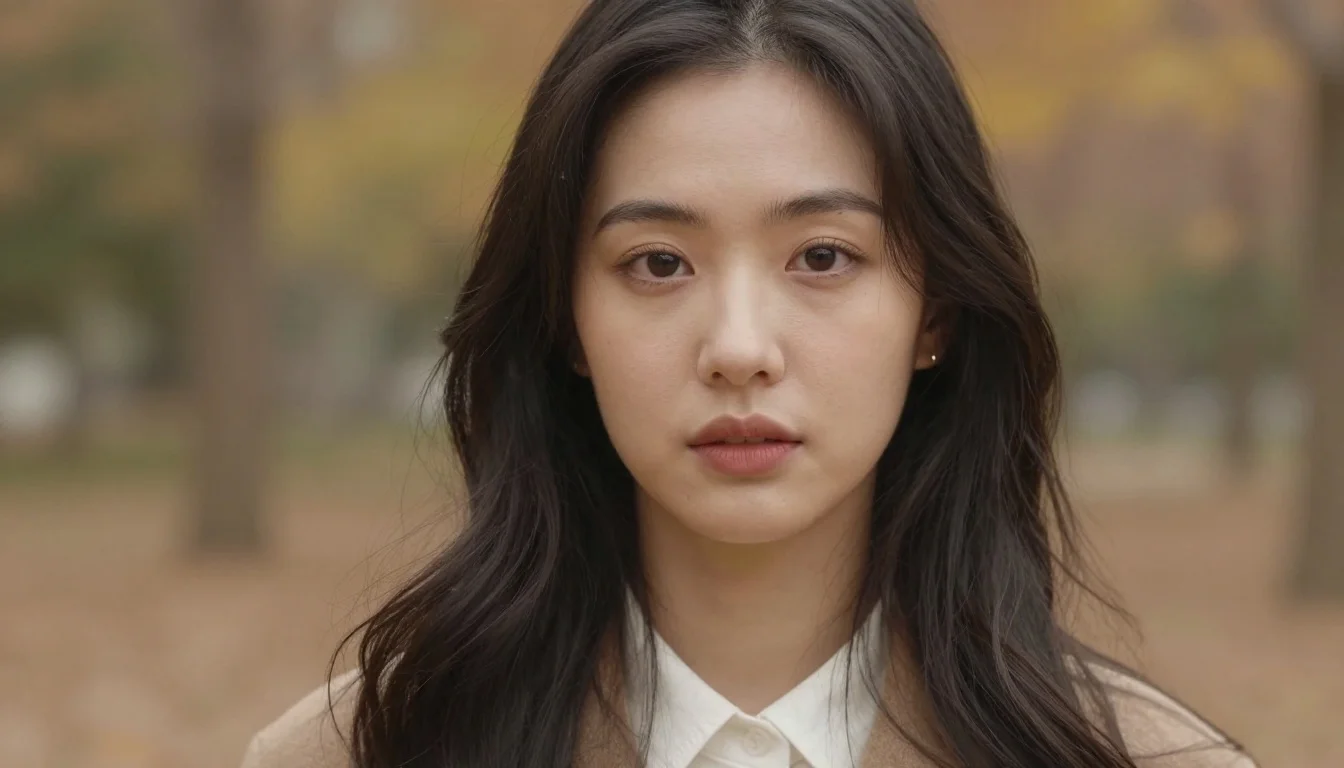
What dress colors are best for Soft Autumn?
The best dress colors for Soft Autumn are muted, warm-neutral tones: camel, warm sand, dusty terracotta, warm sage, soft olive, dusty rose, warm blush, and soft warm brown. All share two qualities — warmth and mutedness. Avoid vivid or saturated colors, cool tones, pure white, and stark black.
Your Most Flattering Dress Color Families
Camel, Warm Tan, and Soft Brown
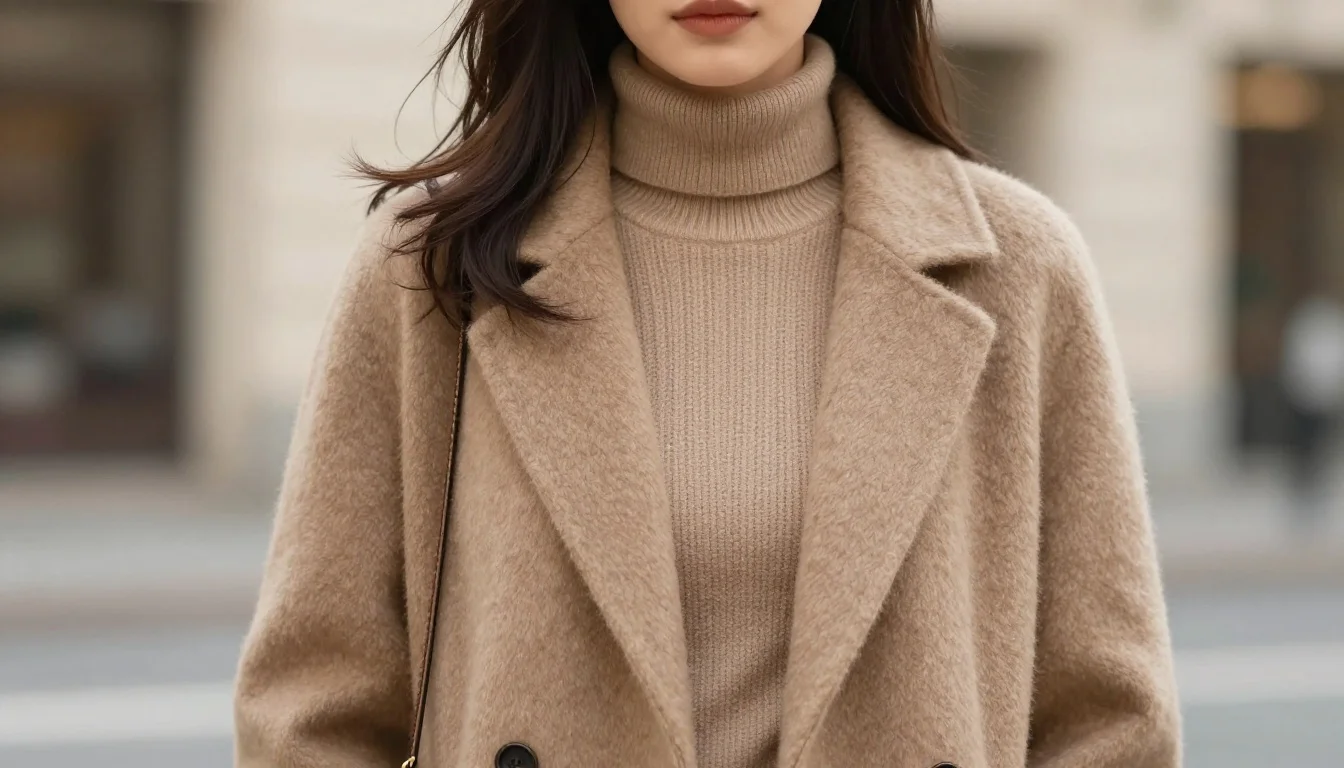
Camel is the quintessential Soft Autumn neutral, and in dresses it creates a harmonious, pulled-together effect that no other neutral matches for this season. The golden warmth of true camel resonates with the season's warm undertones while the muted quality prevents any clash. Warm sand and soft toffee sit in the same family — lighter versions that work beautifully in summer weights. These are the colors that make Soft Autumn skin glow with the least effort.
Dusty Terracotta and Warm Brick
Terracotta in its dustiest, most muted form is deeply suited to Soft Autumn. The warm, earthy quality mirrors the season's golden undertone while the grayed quality matches the muted palette characteristic. Dusty terracotta in a dress creates a genuinely beautiful effect on warm-neutral skin — the colors harmonize rather than contrast. Warm brick and muted clay are subtle variations that work in the same register.
Warm Sage, Olive, and Muted Green
Greens work for Soft Autumn when they have warmth and muting. Warm sage hits both: the green has a warm, slightly yellow undertone rather than a cool blue, and the grey quality softens its saturation. Against warm-neutral skin, sage creates a gentle, earthy complement that feels natural. Soft olive is slightly deeper and works when the season needs more visual weight. Both are more versatile for this season than any cool or vivid green.
Soft Warm Rose and Dusty Blush
The rose and blush family in its warmest, most muted form is genuinely beautiful on Soft Autumn. These colors bring warmth without brightness, complementing the season's peach-neutral undertones with a soft femininity. The key is warm: cool pinks or bright pinks move out of the season's territory. Dusty rose and warm blush in dresses create an effect that feels luxurious rather than saccharine — they have depth in their mutedness.

Ready to see camel & sand on your face?
Start my color analysisHow to Dress as a Soft Autumn
For everyday dresses
A camel or warm tan wrap dress is the single most reliable Soft Autumn dress in any wardrobe — it works for nearly every casual or smart-casual occasion, creates a warm glow against the season's skin tone, and pairs naturally with warm brown or cognac accessories. A dusty terracotta t-shirt dress is the casual summer equivalent.
For work and professional contexts
Soft Autumn's professional dress palette runs through muted olive, warm camel, dusty terracotta, and soft warm brown. A warm sage or muted olive sheath dress is professional and distinctive — far more interesting than standard grey or navy while still reading as authoritative. Pair with warm gold hardware and cognac or tan shoes.
For evening and occasions
Evening dresses for Soft Autumn should lean toward the deeper end of the palette — deep warm brown in silk or velvet, rich dusty terracotta in a full-length cut, or muted warm gold in a flowing fabric. The mutedness that characterizes the palette translates beautifully into evening — it reads as sophisticated rather than muted when the fabric has enough sheen.
Layering and color combinations
Soft Autumn's most successful dress combinations stay within the warm-neutral family. A camel dress with a warm sage cardigan, or a dusty terracotta dress with a soft warm brown belt — these combinations feel cohesive because they share temperature and muting. Adding a contrasting cool color disrupts the harmony that makes Soft Autumn dressing so effortlessly pulled-together.
Colors That Work Against Your Soft Autumn Coloring
Vivid, saturated colors of any hue
High saturation is the primary thing to avoid for Soft Autumn. Vivid cobalt, bright coral, electric green, hot pink — any color at its most intense overshadows the season's gently muted natural coloring. The contrast between vivid dress and soft features makes the person look pale and washed rather than the dress looking vibrant.
Pure white and stark black
Pure white creates too much contrast against Soft Autumn's medium-value, blended coloring — it's too stark. Stark black has the same problem from the opposite direction. Both extremes of the value scale overwhelm the season. Opt for warm ivory or cream instead of white, and deep warm brown instead of black.
Cool pinks and blue-based purples
Any color with a distinctly cool undertone works against Soft Autumn's warmth. Cool pink, lavender, cool mauve, and blue-based purple all fight the season's golden-warm base. The temperature conflict doesn't just look wrong — it actively makes warm-toned skin look sallow or grey.
Icy pastels
Pale icy tones — powder blue, icy lavender, pale mint — have no warmth and no muted character, missing both of Soft Autumn's key requirements. They're designed for cool, high-contrast complexions (Light Summer, Cool Winter) and look dissonant against soft, warm-neutral features.
Stop guessing — preview every look on you
See these looks on my photoDress Color Swaps for Soft Autumn
Trading sharp or cool colors for the warm, muted versions that resonate with your season.
Vivid orange and coral are too saturated for Soft Autumn. Dusty terracotta has the same warmth in the muted register that actually belongs to your season.
Cool colors work against Soft Autumn's warm-neutral base. Warm sage and muted olive are professional, distinctive, and perfectly calibrated for your palette.
Cool jewel tones are Winter territory. Deep warm brown and muted warm gold bring evening richness in the warm, blended language your season speaks.
Pure white is too stark; vivid yellow too saturated. Warm ivory softens without cooling; soft golden yellow has the muting that Soft Autumn needs.
Cool pinks fight Soft Autumn's warmth. Dusty rose and warm blush are feminine without the temperature conflict — same appeal, right register.
Cool neutrals don't anchor Soft Autumn coloring the way warm ones do. Camel and warm toffee are the neutral backbone of this season — they harmonize instead of contrast.
You're Already a Soft Autumn — Your Palette's Context
Soft Autumn shares characteristics with its neighboring seasons. Understanding those neighbors helps you navigate edge cases when shopping and a color feels close but slightly off.
Soft Autumn (your season)
Learn moreYour core dress palette: camel, warm sand, dusty terracotta, warm sage, soft olive, muted moss, dusty rose, warm blush, and soft warm brown. All are warm-undertoned and muted — never vivid, never stark. The beautifully blended register of warm autumn light.
Warm Autumn (neighbor)
Learn moreWarm Autumn shares the warmth but tends slightly more saturated and golden than Soft Autumn. If a camel feels too warm or golden for you but a cool neutral clearly doesn't work, you may be Soft rather than Warm Autumn.
Soft Summer (neighbor)
Learn moreSoft Summer shares the muted quality but runs cooler. If some colors feel right in their softness but wrong in temperature, you might be sitting at the Soft Autumn/Soft Summer boundary. Soft Autumn leans warm; Soft Summer leans cool-neutral.
The Beauty of Dressing Your Season
Soft Autumn is one of the most wearable seasonal palettes precisely because its colors are gentle enough to live in daily. A camel dress isn't a statement — it's a baseline. A dusty terracotta becomes your signature. The muted warmth of these colors works not by competing with your coloring but by harmonizing with it so completely that the overall effect is effortless. That's Soft Autumn dressing at its best.
Stop guessing — preview every color on you
Preview Yourself In Your Palette
Get my personalized paletteStop guessing — preview every color on you
Preview Yourself In Your Palette

Related Guides for Best Dress Colors for Soft Autumn
Explore more personalized color advice based on your features.
Want to see these colors on you? What Colors Look Good on Me — free to try.
Frequently Asked Questions About Best Dress Colors for Soft Autumn
What dress colors are best for Soft Autumn?
The best dress colors for Soft Autumn are muted, warm-neutral tones: camel, warm sand, dusty terracotta, warm sage, soft olive, dusty rose, warm blush, and soft warm brown. All share two qualities — warmth and mutedness. Avoid vivid or saturated colors, cool tones, pure white, and stark black.
Can Soft Autumn wear green dresses?
Yes — in the right version. Soft Autumn greens should be warm and muted: warm sage, soft olive, muted moss, and dusty herb green. Avoid bright greens, cool blue-greens, and vivid emerald — those belong to other seasons. The warm, slightly yellowed or greyed versions of green are perfect for this palette.
Can Soft Autumn wear pink dresses?
Yes, with the right pink. Soft Autumn pinks should be warm and muted — dusty rose, warm blush, and soft peach-pink. Cool pink (blue-based), bright pink, and fuchsia all work against the season's warm-neutral base and should be avoided.
What neutrals work for Soft Autumn dresses?
Warm neutrals are the Soft Autumn signature: camel, warm tan, warm ivory, soft toffee, and warm sand. These replace the standard grey-navy-black neutral trio that doesn't work for warm-toned seasons. Deep warm brown replaces black; warm ivory replaces white; camel replaces grey.
Is Soft Autumn warm or cool?
Soft Autumn is warm — but gently so. It's the warmest of the Summer-adjacent seasons, sitting between Warm Autumn and Soft Summer. The warmth is present in undertones but less golden-intense than Warm or Deep Autumn. All dress colors should have a warm undertone, even if the color itself is muted.