Best Dress Colors forWarm Autumn
Warm Autumn dresses shine in golden, spice-rich tones — cognac, warm brown, mustard, olive, and warm teal. Discover which shades flatter you most — and which to skip.
Warm Autumn is the most purely warm of the Autumn sub-seasons — your coloring runs golden through everything, from warm hazel or brown eyes to hair with red, amber, or golden highlights to skin with clear golden or peachy undertones. Your seasonal palette reflects this unambiguous warmth: it's rich without being dark, vibrant without being vivid, golden without being garish. The dresses that work for your season feel sun-warmed and alive, like the most beautiful afternoon light of a clear autumn day.


3,000+
happy clients
Why Warm Autumn Needs Golden Richness
Warm Autumn is the most purely warm of the Autumn sub-seasons — your coloring runs golden through everything, from warm hazel or brown eyes to hair with red, amber, or golden highlights to skin with clear golden or peachy undertones. Your seasonal palette reflects this unambiguous warmth: it's rich without being dark, vibrant without being vivid, golden without being garish. The dresses that work for your season feel sun-warmed and alive, like the most beautiful afternoon light of a clear autumn day.
Warm Autumn's defining characteristic is its clear, unequivocal warmth — no cool undertones, no muting toward grey. Your natural coloring has a luminous, golden quality that looks best when dressed colors match its temperature exactly. Colors with even a slight cool lean fight the warmth of your skin and eyes, creating a subtle visual discord that you might not be able to name but will feel isn't quite right.
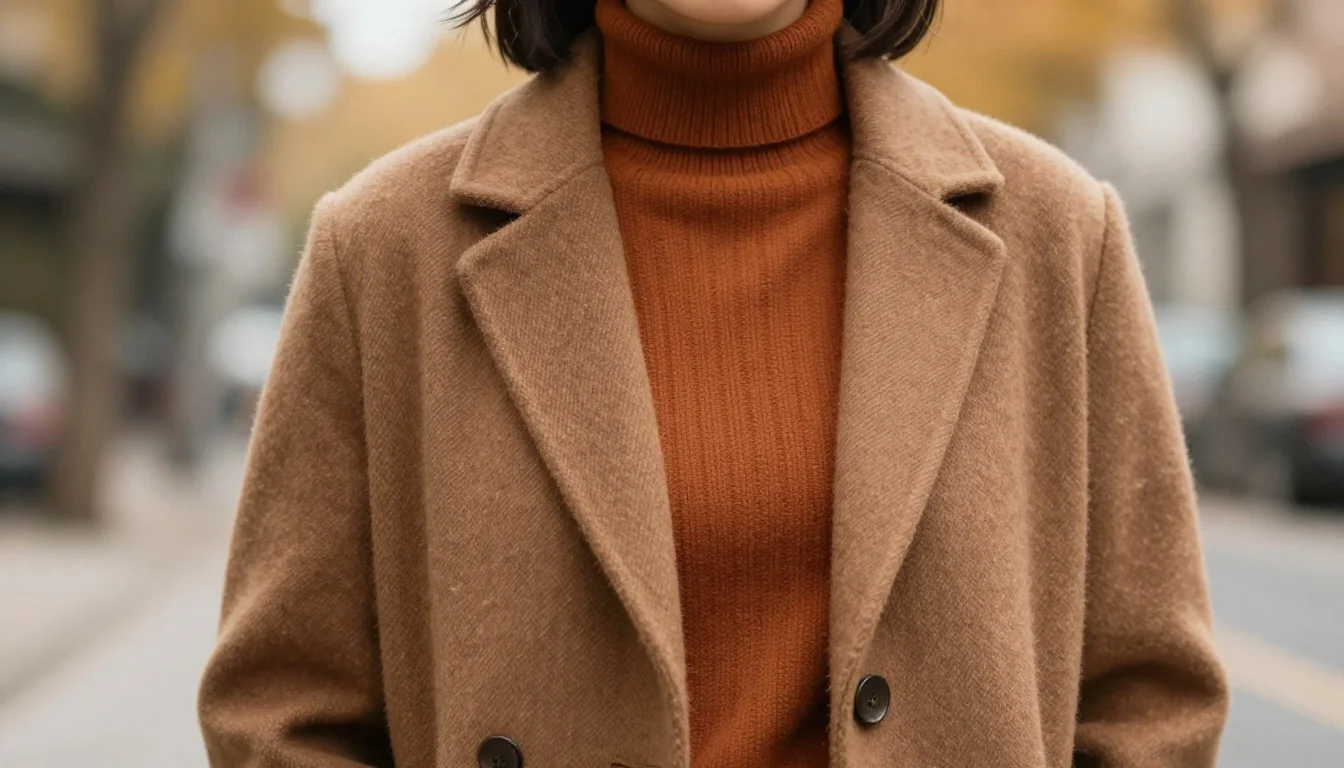
The Warm Autumn palette runs from golden yellows through rich coppers, warm terracottas, and into the deep warm browns — all anchored by that unmistakably golden warmth. In dresses, this translates to colors that feel sun-warmed: cognac, mustard, warm camel, rich olive, and the full copper-to-rust range. These are colors that look alive against golden skin rather than competing with it.
What to avoid is anything that introduces coolness: blue-based pinks, cool purples, icy tones, or stark neutrals. Even colors that are technically warm can go wrong if they're too dark (pushing into Deep Autumn territory, which requires more depth than Warm Autumn's lighter brightness) or too muted (sliding toward Soft Autumn). Your palette needs to be warm, moderately saturated, and golden-bright.

What dress colors are best for Warm Autumn?
The best dress colors for Warm Autumn are golden-warm tones: cognac, warm caramel, mustard, golden yellow, warm amber, rich olive, terracotta, warm copper, and paprika. All share an unmistakable warmth and golden quality. Avoid cool tones, blue-based colors, pure white, and high-saturation vivid colors.
Your Most Flattering Dress Color Families
Cognac, Warm Brown, and Golden Tan
The cognac and warm brown family is pure Warm Autumn territory. Cognac has an intensity and warmth that resonates beautifully with golden-warm skin — it's rich without being dark, sophisticated without being cold. Warm caramel and golden tan are lighter versions that work as day dresses, particularly in summer weights. All have the defining quality: a warm, golden-amber richness that extends the palette's natural warmth.
Mustard, Golden Yellow, and Warm Amber
Yellow in its warmest, richest form is a signature Warm Autumn color — and in dresses, mustard and golden yellow are genuinely striking against warm-toned skin. The golden quality of these colors mirrors the season's natural coloring, creating a harmonious, sun-warmed effect. Mustard is the most versatile — it works from casual linen to tailored wool. Honey gold elevates to evening. Both should be warm rather than greenish or lemon-bright.
Warm Olive and Rich Earthy Green
Greens with a strong golden or warm undertone are flattering for Warm Autumn. Rich olive sits at the intersection of green and gold — it's earthy and warm simultaneously. Warm khaki is its lighter, more versatile sibling. Golden sage adds a slightly greyed quality that softens without cooling. These are not the cool forest greens of Winter palettes — they're the greens that look like they have sun baked into them.
Terracotta, Copper, and Warm Rust
The terracotta-to-rust family captures the essence of Warm Autumn in clothing. These colors are warm, earthy, and golden-bright — they have the quality of sun on red clay or the last copper leaves of autumn. Against golden or peachy skin, terracotta creates a warmth that looks entirely natural. Copper and spiced rust add more intensity for occasions. Paprika is the spiciest version — bold but completely in season.

Ready to see cognac & caramel on your face?
Start my color analysisHow to Dress as a Warm Autumn
Your easiest, always-right dress choice
A mustard or cognac wrap dress is the Warm Autumn dress you'll reach for most. Both colors work for day through evening, complement the season's golden-warm undertones with zero effort, and feel seasonally right in both spring and autumn weather. Pair with warm gold jewelry, tan or cognac shoes, and you're done.
For professional settings
Warm Autumn's professional dress palette is some of the richest in seasonal color analysis: rich olive, warm cognac, deep terracotta, and warm toffee all read as sophisticated and polished. A rich olive wrap or sheath dress with warm gold hardware looks more distinctive and authoritative than standard navy or grey — and works with your coloring instead of fighting it.
For summer and warm weather
In warm weather, lean toward the lighter-warm end: golden tan linen, warm ivory cotton, mustard chambray. All maintain the warmth while the lighter value keeps the look seasonally fresh. Terracotta is a stronger summer choice than it might seem — the earthy warmth reads beautifully in bright light against golden skin.
For evening and occasions
Evening dresses for Warm Autumn should be in the richest versions of the palette: deep cognac silk, warm amber velvet, rich olive crepe. A full-length warm amber or cognac dress has a luminosity in low lighting that makes golden-warm skin glow. For occasions, the warm metallic of hammered gold or bronzed fabric is a perfect choice — it's a color AND a texture that extends the palette.
Colors That Work Against Your Warm Autumn Coloring
Cool pinks, lavender, and blue-based purples
Any color with a cool, blue-based undertone creates a temperature conflict with Warm Autumn's unmistakably golden coloring. Cool pink, lavender, and blue-based purple all fight the warmth of skin and eyes. The conflict is subtle but consistent — these colors make warm-toned skin look slightly sallow or washed.
Cool blues and teal with a blue lean
Blues that read as cool or icy are not warm enough for this season. Warm Autumn can wear teal only when it has a distinctly warm, golden undertone — not the cool aqua-teal of Spring or Summer palettes. Standard navy and cool cobalt are firmly in Winter territory.
Pure white and stark icy neutrals
Pure white lacks the warmth that anchors Warm Autumn's palette. It creates a stark contrast against warm-toned features. Warm ivory, cream, or warm off-white are the right substitutes — they have the white lightness with the warmth the season needs.
Bright, high-saturation vivid colors
Warm Autumn is not a vivid, bright-clear season. Colors at their maximum saturation — electric lime, vivid fuchsia, bright turquoise — belong to Spring palettes that are built on clarity and brightness. Warm Autumn's colors have richness and warmth, but they're not sharp or vivid in the same way.
Stop guessing — preview every look on you
See these looks on my photoDress Color Swaps for Warm Autumn
Swapping colors that fight your warmth for the golden, sun-warmed versions that work.
Cool blue is the wrong temperature for Warm Autumn. Warm olive and golden tan maintain the casual ease of a day dress while working with your season's warmth.
Cool darks work against Warm Autumn's golden undertones. Rich olive and warm cognac are equally professional and actually complement your coloring.
Bright coral often runs too cool or vivid; cool pink fights the season entirely. Terracotta and warm peach are the right temperature version of those appeals.
Cool metallics are Winter territory. Warm amber and bronzed gold bring evening richness with the golden warmth that Warm Autumn skins carries naturally.
Cool bold colors fight Warm Autumn's warmth. Mustard and paprika make equally strong statements — but in a language your palette actually speaks.
Cool neutrals sit on the wrong temperature axis for this season. Warm ivory and warm camel are your true neutrals — they harmonize rather than contrast with golden skin.
You're Already a Warm Autumn — Your Palette's Context
Warm Autumn is the most purely warm of the Autumn family. Understanding your neighboring seasons helps you navigate edge cases.
Warm Autumn (your season)
Learn moreYour core dress palette: cognac, warm caramel, mustard, golden yellow, warm amber, rich olive, terracotta, warm copper, and paprika. All warm-undertoned, moderately saturated, golden-bright rather than dark or muted.
Warm Spring (neighbor)
Learn moreWarm Spring shares the golden warmth but runs lighter and slightly more vibrant. If you find yourself drawn to lighter, more luminous versions of warm colors, you might have some Spring influence. Warm Autumn is richer and earthier than Warm Spring.
Deep Autumn (neighbor)
Learn moreDeep Autumn shares the earthy warmth but runs darker and more saturated. If the lighter warm colors feel insufficient and you need more depth, you may be leaning toward Deep Autumn. Warm Autumn is brighter and more golden than Deep Autumn.
The Golden Advantage
Warm Autumn's palette is one of the most naturally cohesive in seasonal color analysis — the golden thread that runs through every color in your season creates automatic harmony between clothing and coloring. When you're wearing cognac, mustard, terracotta, or warm olive, there's no visual effort required. The warmth of the dress and the warmth of your coloring simply agree. That agreement is what makes the right dress choice feel effortless rather than calculated.
Stop guessing — preview every color on you
Preview Yourself In Your Palette
Get my personalized paletteStop guessing — preview every color on you
Preview Yourself In Your Palette

Related Guides for Best Dress Colors for Warm Autumn
Explore more personalized color advice based on your features.
Want to see these colors on you? What Colors Look Good on Me — free to try.
Frequently Asked Questions About Best Dress Colors for Warm Autumn
What dress colors are best for Warm Autumn?
The best dress colors for Warm Autumn are golden-warm tones: cognac, warm caramel, mustard, golden yellow, warm amber, rich olive, terracotta, warm copper, and paprika. All share an unmistakable warmth and golden quality. Avoid cool tones, blue-based colors, pure white, and high-saturation vivid colors.
Can Warm Autumn wear yellow dresses?
Absolutely — yellow is one of Warm Autumn's strongest colors. Specifically: mustard, golden yellow, warm amber, and honey gold. The key is warmth — avoid lemon yellows or yellows that run cool or greenish. True mustard and golden yellow are the season's signature statement.
Can Warm Autumn wear green dresses?
Yes — when the green has a warm, golden undertone. Rich olive, warm khaki, golden sage, and warm earthy greens are all excellent choices. Avoid cool greens (blue-green, emerald with blue lean, lime) which work against the season's warmth.
What's the difference between Warm Autumn and Deep Autumn dresses?
Warm Autumn dresses are lighter, more golden, and less dark than Deep Autumn's. Both share the earthy warmth, but Warm Autumn operates in a brighter, more luminous range — mustard and cognac rather than dark chocolate and forest green. Deep Autumn needs more depth; Warm Autumn needs more golden brightness.
Can Warm Autumn wear red dresses?
Yes — in the right red. Warm Autumn reds should be orange-warm: tomato red, paprika, warm scarlet, and brick red. Avoid cool reds (blue-red, deep burgundy with cool undertone) and very dark wines. The reds that work for this season feel sun-warmed rather than dark or stark.