Best Cashmere Colors forPale Skin
Cashmere absorbs light softly, which can either flatter or drain pale skin. Discover which shades flatter you most — and which to skip.
Cashmere's fine fibers scatter incoming light rather than reflecting it back — colors in cashmere look deeper, softer, and more muted than in silk or cotton. For pale skin, this matters a great deal. The fabric's light-absorbing quality means that very pale or icy cashmere shades can become nearly invisible against fair skin, blurring the line between fabric and complexion in a way that reads as washed-out. The winning strategy for pale skin in cashmere is understanding which tones create definition, which provide warmth, and which provide flattering contrast — all softened by cashmere's signature enveloping quality.


3,000+
happy clients
Why Cashmere Behaves Differently on Pale Skin
Cashmere's fine fibers scatter incoming light rather than reflecting it back — colors in cashmere look deeper, softer, and more muted than in silk or cotton. For pale skin, this matters a great deal. The fabric's light-absorbing quality means that very pale or icy cashmere shades can become nearly invisible against fair skin, blurring the line between fabric and complexion in a way that reads as washed-out. The winning strategy for pale skin in cashmere is understanding which tones create definition, which provide warmth, and which provide flattering contrast — all softened by cashmere's signature enveloping quality.
Pale skin reflects light naturally — fair complexions tend to have a luminous, translucent quality. Cashmere absorbs light rather than reflecting it, creating an interesting dynamic: the fabric and the skin occupy opposite ends of the light-interaction spectrum. When the cashmere color is very close to the skin tone — pale pink, soft ivory, light cream — the result is a monochromatic blend that lacks definition and can make the wearer look washed out or unwell.
The most flattering cashmere colors for pale skin are those that create a gentle but visible distinction from the complexion. This doesn't mean high contrast — harsh darks can look stark against pale skin in cashmere's soft frame. Rather, it means choosing colors with enough depth or warmth to register as distinctly different from the skin while still feeling gentle and harmonious.
The undertone of pale skin is also critical. Fair skin with warm peachy or golden undertones responds beautifully to warm cashmere shades — camel, warm blush, soft peach — because they harmonize while adding depth. Cool-toned pale skin with pink or bluish undertones looks best in cool-toned cashmere that shares its temperature. Understanding whether your pale skin runs warm or cool determines which cashmere palette flatters you most.

What cashmere colors are best for pale skin?
Navy, warm blush, soft sage, and warm cream are among the best cashmere colors for pale skin. These tones provide either gentle warmth (cream, blush) or clear definition (navy, sage) without washing out fair complexions. The key is choosing cashmere with enough depth or warmth to register visibly against pale skin.
Your Most Flattering Cashmere Colors
Soft Warm Blush and Peachy Tones
Warm blush and peach cashmere are among the most universally flattering choices for pale skin. These tones sit close to the skin in hue but provide enough warmth and depth to create definition. Cashmere's light-absorbing quality makes blush look deeper than it would in silk — richer and more dimensional rather than fading away. On pale warm-toned skin, peach cashmere creates a glowing, healthy appearance. On cool pale skin, soft rose and dusty pink harmonize with rosy undertones for a polished, intentional look.
Rich Navy and Deep Blue
Deep blues in cashmere are exceptionally flattering for pale skin because they provide clear contrast without the harshness of black. Navy cashmere's light absorption gives it a rich, almost velvety depth that frames fair complexions beautifully. The contrast between deep blue and pale skin is naturally elegant — it creates definition while the softness of cashmere keeps the look from feeling severe. Cool pale skin looks particularly stunning in navy; warm pale skin looks best in slightly warmer slate blues.
Warm Camel and Soft Tan
Lighter camel and tan tones in cashmere provide warmth without overwhelming pale skin. True camel is often too deep and warm for the fairest complexions, but pale camel, warm biscuit, and soft sand sit at the ideal intersection — warm enough to add color and definition, light enough to stay harmonious. Cashmere deepens these tones slightly, giving them more substance than they'd have in cotton. The result is a warm, healthy-looking glow against pale skin.
Soft Forest and Sage Green
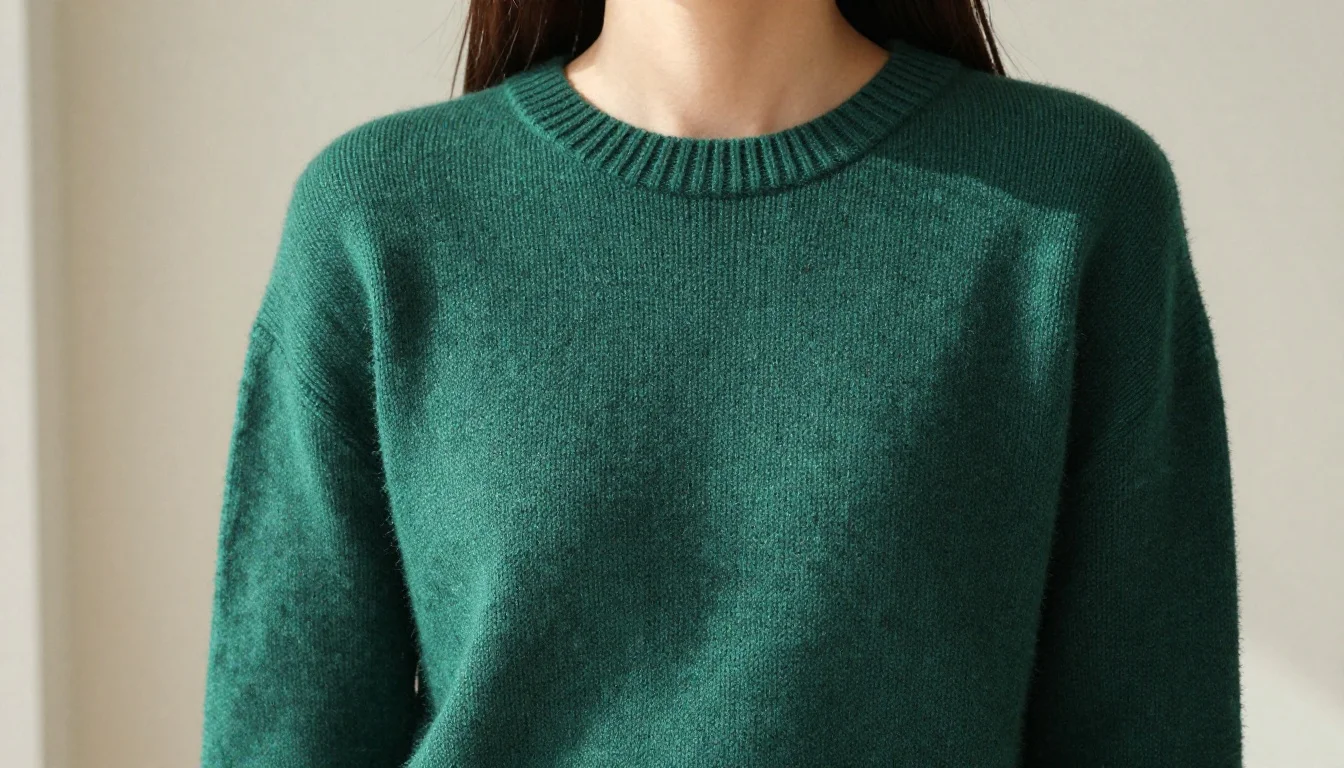
Muted greens are one of the most underrated cashmere colors for pale skin. Sage and dusty green sit opposite the pink undertones in pale skin on the color wheel, creating a gentle complementary contrast that makes fair skin look clear and fresh. Cashmere's softening quality takes any harsh edge off these greens, making them look refined and subtle rather than vivid. Forest green in cashmere provides excellent definition for pale skin while remaining sophisticated and wearable.

Ready to see blush & peach cream on your face?
Start my color analysisHow to Wear Cashmere Well with Pale Skin
Prioritize depth over darkness
Pale skin doesn't need high-contrast darks to create definition — it needs depth. Rich navy, soft forest green, and warm camel all provide enough depth to register clearly against pale skin without the starkness of black or charcoal. Cashmere's softening quality makes these deep tones look luxurious rather than heavy, which is the ideal outcome for fair complexions.
Use warm neutrals as your foundation
Warm cream, soft camel, pale biscuit, and warm oatmeal cashmere are ideal foundation pieces for pale skin. They provide warmth and definition without contrast, creating a gentle, polished look. These tones work year-round and layer beautifully with deeper accent pieces. A warm oatmeal cashmere crewneck is one of the most versatile pieces a fair-skinned person can own.
Let color create definition near the face
A cashmere turtleneck or crewneck in a color that contrasts gently with pale skin — navy, sage, warm blush — creates the most flattering definition at the neckline where it matters most. This is where cashmere's softness is an advantage: the color provides definition while the fabric keeps it from feeling harsh. A navy cashmere turtleneck on pale skin is a classic for this exact reason.
Layer warm and cool tones deliberately
Pale skin can carry a wide tonal range in cashmere because its neutrality allows it to sit near many colors. Build outfits that layer a warm-toned cashmere base (cream, blush) with a cooler outer layer (navy, soft teal), or vice versa. The contrast between warm and cool tones at different distances from the face creates visual interest without fighting the pale complexion.
Cashmere Colors That Work Against Pale Skin
Very pale ivory or white cashmere
On pale skin, white and very light ivory cashmere can blur into the complexion, creating a monochromatic, low-definition look. Cashmere's light absorption makes very pale shades look even softer and more recessive — they lose presence against fair skin. If you love pale neutrals, choose warm cream or a cashmere with a distinct warm quality rather than pure white or cool ivory.
Heavy charcoal or black cashmere at the neckline
Very dark cashmere against pale skin can look stark rather than sophisticated. The contrast is high enough to feel harsh, and cashmere's enveloping softness doesn't fully bridge the gap. Black and dark charcoal cashmere work better for pale skin as bottom-half garments. At the neckline, choose deep navy or forest green for rich contrast with more warmth.
Muddy khaki or dirty olive cashmere
Murky, grey-green or dirty olive cashmere absorbs light in a way that creates a sallow, slightly unwell quality against pale skin. The muted, dirty quality of these tones reads as draining rather than earthy. Clean sage or muted forest green are much better choices — they have the same botanical quality without the muddiness that fights pale skin.
Cool grey cashmere near the face
Cool grey cashmere can give pale skin a slightly ashy, washed-out appearance. Cashmere's light absorption emphasizes the coolness and flatness of grey rather than giving it warmth. If grey is a staple for you, choose a warm greige or beige-grey that has just enough warmth to stay neutral without cooling the complexion.
Stop guessing — preview every look on you
See these looks on my photoCashmere Color Swaps for Pale Skin
Swaps that add definition and warmth without washing out fair complexions.
White blurs into pale skin. Warm cream and oatmeal have just enough depth and warmth to create gentle definition while remaining a neutral foundation piece.
Black creates a stark contrast with pale skin in cashmere's soft frame. Navy and forest green provide deep definition with warmth and sophistication.
Grey absorbs light coolly and can make pale skin look ashy. Greige and camel absorb warmly, adding color and life to fair complexions.
Vivid pinks can overwhelm pale skin in cashmere's soft framing. Muted blush and dusty rose harmonize while adding a becoming flush.
Muddy earth tones drain pale skin. Clean sage and eucalyptus have the botanical beauty of green with clarity that flatters fair complexions.
Charcoal can look harsh framing pale faces. Slate blue and deep rust provide comparable depth with more warmth and character.
Which Palette Might Be Yours?
Pale skin spans several seasonal palettes. The warmth or coolness of your undertone and the contrast level of your coloring are the key variables for identifying your match.
Light Spring
Learn moreIf your pale skin has warm, peachy undertones and your hair is light golden or blonde, Light Spring is likely your palette. Warm blush, pale peach, soft camel, and warm ivory cashmere suit you best — light and warm rather than deep or cool.
Light Summer
Learn moreIf your pale skin is cool-toned with pink or bluish undertones and your hair is ash blonde or light brown, Light Summer fits you well. Navy, soft rose, dusty lavender, and muted teal cashmere are your most flattering shades.
True Summer
Learn moreIf your pale skin is distinctly cool with soft, muted coloring overall, True Summer may be your palette. Soft berry, dusty mauve, muted sage, and powder blue cashmere bring out your cool, refined elegance.
Find Your Exact Colors
Pale skin varies enormously in undertone — from warm peachy fair to cool porcelain — and the cashmere colors that work best for your specific complexion depend on that underlying warmth or coolness. A personalized color analysis identifies your seasonal palette and the exact cashmere shades that will add definition, warmth, and radiance to your fair complexion.
Stop guessing — preview every color on you
Preview Yourself In Your Palette
Get my personalized paletteStop guessing — preview every color on you
Preview Yourself In Your Palette

Related Guides for Best Cashmere Colors for Pale Skin
Explore more personalized color advice based on your features.
Want to see these colors on you? What Colors Look Good on Me — free to try.
Frequently Asked Questions About Best Cashmere Colors for Pale Skin
What cashmere colors are best for pale skin?
Navy, warm blush, soft sage, and warm cream are among the best cashmere colors for pale skin. These tones provide either gentle warmth (cream, blush) or clear definition (navy, sage) without washing out fair complexions. The key is choosing cashmere with enough depth or warmth to register visibly against pale skin.
Can pale skin wear white cashmere?
Very pale ivory and white cashmere can blend into pale skin, creating a low-definition monochromatic look. Warm cream, oatmeal, and ivory with a distinct warm quality are much better choices for fair skin — they stay light and neutral while providing enough warmth to create gentle definition against the complexion.
Does cashmere look good on fair skin tones?
Absolutely — cashmere's softness is particularly beautiful on pale skin because it frames the complexion gently rather than creating harsh borders. The key is choosing colors that provide enough depth or warmth to be visible against fair skin. Navy, sage green, warm blush, and camel are all excellent cashmere choices for pale skin.
Should pale skin avoid dark cashmere?
Not entirely, but very dark shades like black and charcoal cashmere at the neckline can look stark against pale skin. Rich navy and deep forest green provide comparable depth with more warmth and are generally more flattering for fair complexions. Dark cashmere works better for pale skin as trousers or skirts rather than at the face.
What is the most flattering cashmere color for very fair skin?
Navy cashmere is one of the most universally flattering choices for very fair skin — the depth creates clear definition while the color's richness keeps the look elegant rather than harsh. Warm blush and soft sage are also excellent. The goal is a tone that the eye can clearly distinguish from fair skin without harsh contrast.
Does the undertone of pale skin matter for cashmere color?
Yes, significantly. Pale skin with warm undertones (peachy, golden) looks best in warm cashmere tones — blush, cream, camel, soft rust. Pale skin with cool undertones (pink, bluish) looks best in cool cashmere — navy, rose, lavender, sage. Choosing cashmere that matches your undertone temperature creates the most flattering result.