Warm vs. Cool Undertones:How to Know for Certain
Learn exactly how to identify whether your skin has warm or cool undertones using vein color,. Discover how to wear them confidently — matched to your undertone.
Your undertone is the single most important factor in determining which colors make you glow — but it's also the thing most people get wrong. Surface skin color changes with sun exposure, seasons, and health. Your undertone never does. Here's how to read it accurately.


3,000+
happy clients
Why Your Undertone Matters More Than Your Skin Color
Your undertone is the single most important factor in determining which colors make you glow — but it's also the thing most people get wrong. Surface skin color changes with sun exposure, seasons, and health. Your undertone never does. Here's how to read it accurately.
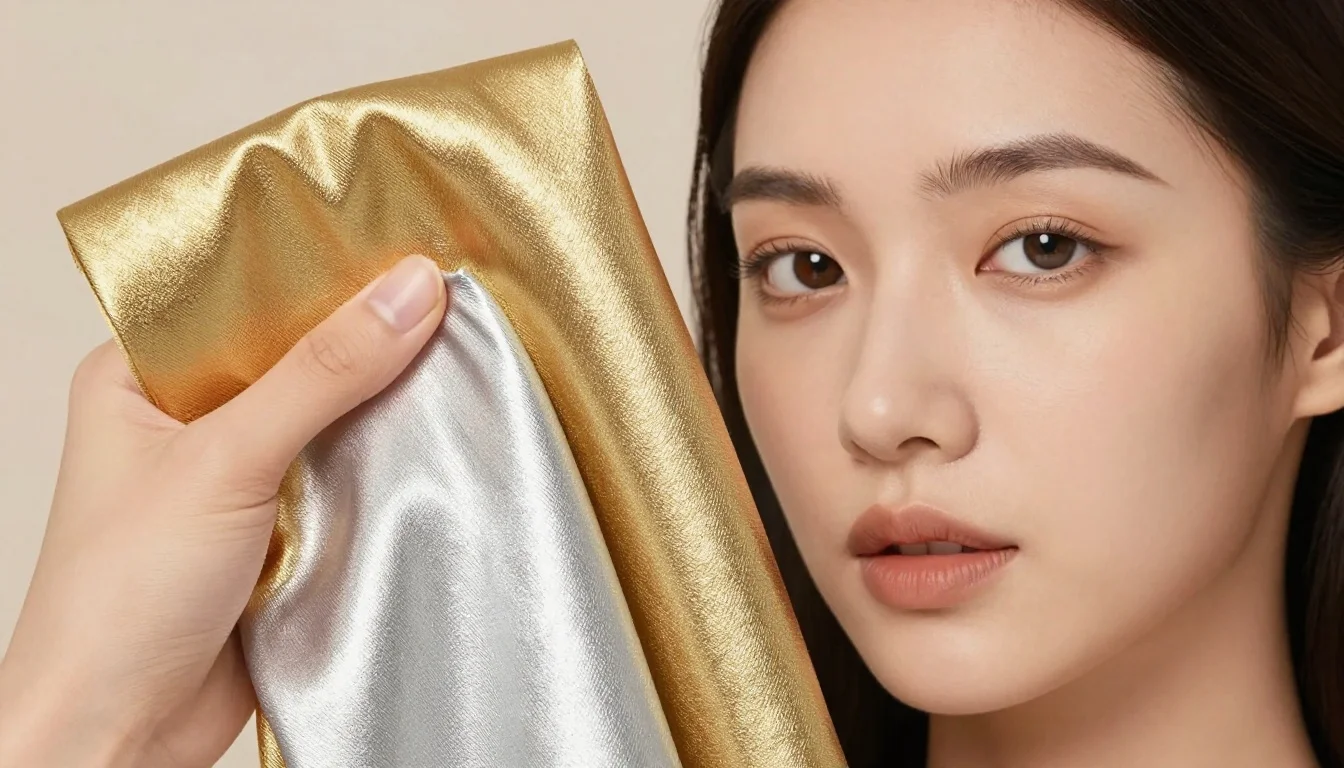
Two people can have the exact same surface skin shade — one olive, one fair — yet one has warm undertones and one has cool. The warm-undertone person looks radiant in gold jewelry and warm earth tones. The cool-undertone person looks alive in silver jewelry and true blues. Same surface, completely different rules.
Undertone is caused by the pigments beneath your skin: warm undertones contain more yellow and gold; cool undertones lean pink, red, or blue. This sub-surface color influences how your skin interacts with the colors you wear and the makeup you apply. When colors match your undertone, they seem to enhance your skin from within. When they clash, they make you look tired, sallow, or washed out.
Most people are not perfectly warm or cool — many are neutral, meaning they lean slightly one way but can wear shades from both families. The tests below help you determine where you sit on the spectrum so you can make smarter choices about clothing, makeup, and hair color.
What is the most reliable test for warm vs cool undertones?
The jewelry test (gold vs. silver) combined with the vein test is the most reliable two-test combination. Do both in natural daylight. If they agree, you have a confident reading. If they conflict, you're likely neutral.
Colors That Work for Each Undertone
Warm Undertone Clothing
Warm undertones look best in colors drawn from the earth and sun. Camel, terracotta, warm olive, and peach all share a yellow-gold base that harmonizes with the warmth beneath your skin. These make your complexion look sun-kissed and healthy.
Cool Undertone Clothing
Cool undertones thrive in colors with blue or pink bases. True navy, raspberry, lavender, and soft white all pull from the blue-pink spectrum that mirrors the coolness in your skin. These make your complexion look crisp, clear, and bright.
Warm Undertone Jewelry
Gold-family metals align with the golden warmth in your undertone. Yellow gold is the clearest indicator — if it makes your skin look luminous rather than sallow, you're warm-toned.
Cool Undertone Jewelry
Silver and platinum share the blue-pink undertone of cool skin. If silver jewelry makes your skin look bright and clear while gold makes it look greenish or dull, cool is your undertone.

Not sure yet? See it on your face
Start my color analysisThe Four Tests to Identify Your Undertone
The Vein Test
Look at the veins on the inside of your wrist in natural daylight. If they appear green or olive, you have warm undertones — the yellow in your skin is converting the blue of the veins to green. If they appear blue or purple, you have cool undertones. If you see both or can't decide, you're likely neutral.
The Jewelry Test
Hold a piece of gold jewelry against your bare face, then do the same with silver. Look at your skin in natural light. Gold making your skin look luminous indicates warm undertones. Silver making your skin look clear and bright indicates cool undertones. If both look good, you're neutral.
The White Paper Test
Hold a pure white piece of paper next to your bare face in natural light. Does your skin look yellowish or peachy by comparison? Warm undertone. Does it look pinkish, reddish, or bluish? Cool undertone. Does it look grey or ashy? Also a possible cool sign. Look at the contrast between the paper and your skin — not the paper alone.
The Sun Test
Think about how your skin responds to sun. Warm undertones tend to tan easily and rarely burn — the yellow-gold pigment absorbs UV efficiently. Cool undertones tend to burn first and then tan, or just burn. If you have pink undertones and you've always burned easily, this reinforces the cool reading from other tests.

Signs You Are Wearing the Wrong Undertone
You look tired in colors that should be neutral
If navy makes you look drained (possible sign of warm undertone) or if camel makes you look sallow (possible sign of cool undertone), the color's undertone is clashing with yours. The garment seems fine in isolation but wrong on you.
Foundation that looks like a mask
If your foundation never quite blends into your neck — too pink, too yellow, or too grey — you likely bought the wrong undertone. This is the most common and visible undertone mismatch.
Gold jewelry that looks greenish
If gold jewelry makes your skin look slightly green or dull rather than luminous, you likely have cool undertones. Silver will look far better against your skin.
Nude lipstick that looks wrong
A nude lip should look like your lips but better. If your nude lip looks orange (warm nude on cool skin) or ashy (cool nude on warm skin), the undertone of the lipstick doesn't match yours.
Stop guessing — discover your exact palette
See myself in my colorsPractical Swaps Based on Your Undertone
Once you know your undertone, these swaps make an immediate difference.
Stark white has a cool, blue-white cast that reads harsh against warm undertones. Off-white and cream have yellow warmth that makes warm skin glow.
Cream pulls yellow on cool-toned skin and makes it look sallow. Pure or soft white has the blue-white brightness that lifts cool undertones.
Cool-based lip colors fight the warmth in your undertone and look disconnected from your skin. Warm-based reds and corals melt into your complexion naturally.
Warm-based lip colors look orange against cool skin. Raspberry and blue-based reds share your undertone and look like the right lip — not a separate element.
Pink-toned foundation on warm skin creates a mask-like effect. Yellow-toned foundation disappears into your skin in natural light.
Yellow foundation on cool skin turns sallow. Pink-undertone foundation matches your natural skin and gives you a fresh, clear result.
Which Palette Might Be Yours?
Your warm or cool undertone is the starting point for seasonal color analysis. Here's how undertone maps to the 12 seasons:
Warm Undertone Seasons
Learn moreDeep Autumn, Warm Autumn, Soft Autumn, Warm Spring, and Light Spring all have warm undertones at varying depths and saturations. If you confirmed warm undertones, your season lives in this group.
Cool Undertone Seasons
Learn moreDeep Winter, Cool Winter, Bright Winter, Cool Summer, and Light Summer all have cool undertones. If your vein and jewelry tests confirmed cool, your season is one of these.
Neutral/Soft Seasons
Learn moreSoft Autumn, Soft Summer, and Light Spring can fall close to neutral. If you couldn't clearly determine warm or cool from the tests, a full seasonal analysis helps pinpoint your exact palette.
Find Your Exact Colors
Knowing your undertone is the first step — but warm and cool each contain multiple sub-categories that determine exactly which shades of that family are most flattering. A full color analysis goes beyond undertone to identify your precise season and palette, giving you a specific list of colors that are scientifically matched to your individual coloring.
Stop guessing — preview every color on you
Preview Yourself In Your Palette
Get my personalized analysisStop guessing — preview every color on you
Preview Yourself In Your Palette

Related Guides for Warm or Cool Undertones
Explore more personalized color advice based on your features.
Want to see these colors on you? Skin Undertone Test — free to try.
Frequently Asked Questions About Warm or Cool Undertones
What is the most reliable test for warm vs cool undertones?
The jewelry test (gold vs. silver) combined with the vein test is the most reliable two-test combination. Do both in natural daylight. If they agree, you have a confident reading. If they conflict, you're likely neutral.
Can I have warm skin but cool undertones?
Yes — this is common. Surface skin color (which changes with sun, seasons, and melanin) is separate from undertone (the permanent pigmentation below). Someone with dark, warm-looking surface skin can have cool undertones, just as a very fair person can have warm ones. The tests above cut through surface color to find the real undertone.
What if my veins look both blue and green?
That means you're likely neutral — neither distinctly warm nor distinctly cool. Neutral-undertone people tend to look good in both gold and silver jewelry and can wear both warm and cool clothing colors. Your best neutrals are true greiges and balanced taupes rather than either cream or stark white.
Does undertone change with age or sun exposure?
Your undertone is permanent and does not change. What changes is your surface skin — it may become more yellow with age, or more pink from sun damage — but the underlying undertone signal stays constant. The vein test is most reliable because veins are deeper and unaffected by surface changes.
Is olive skin warm or cool?
Olive skin is typically neutral-warm, meaning there's yellow-green in the surface pigment with a slight warmth underneath. Most olive-skinned people test as warm or neutral on the vein and jewelry tests. However, some Mediterranean and Middle Eastern skin types have cool undertones despite an olive surface — the tests are more reliable than assumptions based on ethnicity.