Hair Color forBlue Eyes
Blue eyes respond strongly to hair color contrast and warmth. Discover which shades complement your coloring — and which to avoid.
Blue eyes get their color from light scattering rather than pigment — which makes them uniquely responsive to contrast and surrounding color. The right hair color creates a frame that makes blue eyes appear more vivid and deeply colored. The wrong shade can make them look grey, pale, or indistinct. Contrast is the key variable: both light and dark extremes can work, but the tone and depth within those extremes determine whether blue eyes glow or disappear.


3,000+
happy clients
Why Hair Color Has Such an Impact on Blue Eyes
Blue eyes get their color from light scattering rather than pigment — which makes them uniquely responsive to contrast and surrounding color. The right hair color creates a frame that makes blue eyes appear more vivid and deeply colored. The wrong shade can make them look grey, pale, or indistinct. Contrast is the key variable: both light and dark extremes can work, but the tone and depth within those extremes determine whether blue eyes glow or disappear.
Blue eyes contain no blue pigment — their color comes from Rayleigh scattering, the same phenomenon that makes the sky appear blue. This means blue eye color is actually highly variable depending on surrounding light and color. Hair color acts as a frame that affects how much light reaches the eye area and what colors surround it, directly impacting how blue (or grey, or washed-out) the eyes appear.
High-contrast hair creates the most vivid blue-eye effect. Very dark hair against blue eyes creates maximum contrast — the dark frame makes blue eyes appear lighter and more vivid by comparison. Very light hair creates a different kind of contrast — the lightness of both hair and eyes creates a luminous, ethereal effect where the blue reads as softer and more delicate. Mid-range hair colors can look either striking or washed-out depending on tone.
Warm hair tones create a complementary effect with blue eyes — the orange-warmth of auburn, the golden warmth of honey blonde, and the red-warmth of chestnut all sit opposite blue on the color wheel, creating optical contrast that makes blue eyes appear more intensely colored. Cool hair tones (ash blonde, platinum) create a tonal harmony that can look ethereal but may reduce the apparent depth of blue eyes without strong contrast.
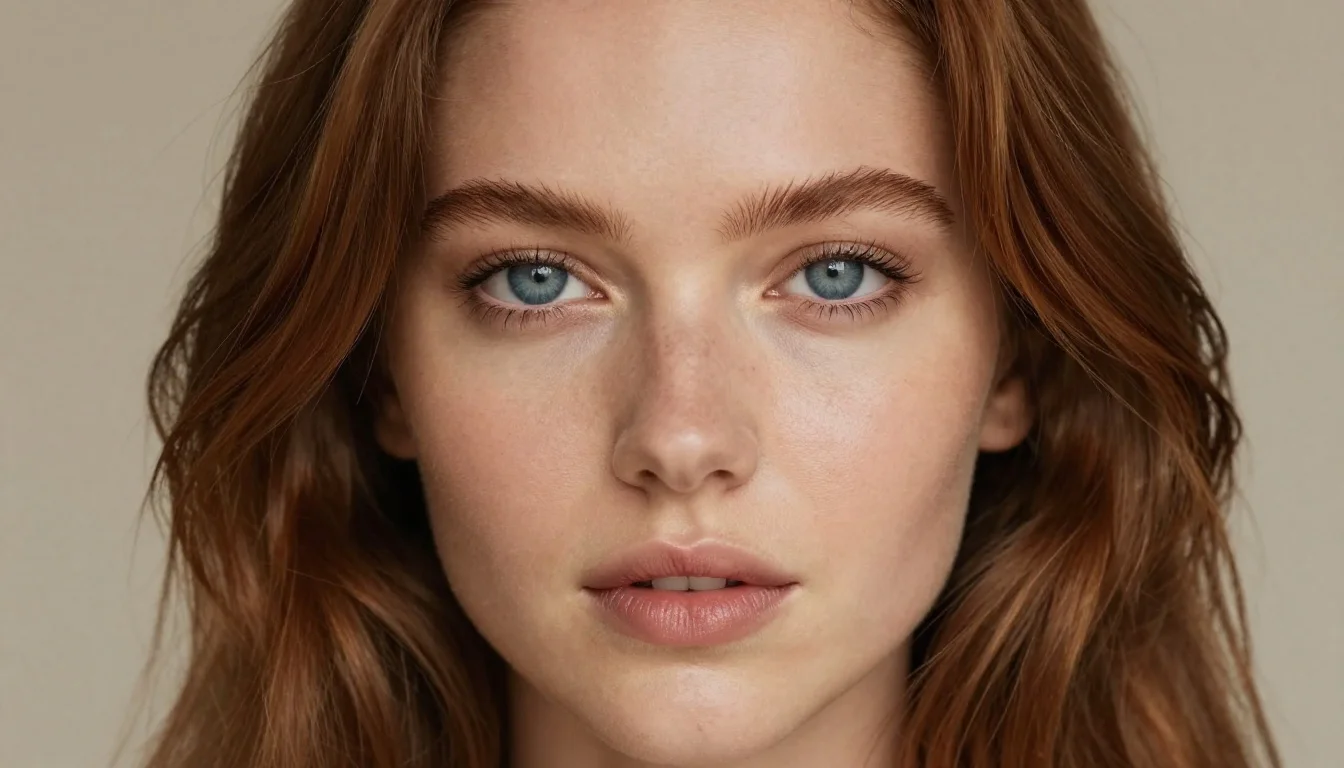
What hair color makes blue eyes pop?
Dark espresso and near-black hair creates the strongest contrast that makes blue eyes appear vivid and striking. Warm auburn creates complementary orange-blue contrast on the color wheel — blue eyes look more intensely blue against warm red-brown hair. Honey blonde creates warm luminous contrast. All three approaches work; choose by your skin undertone and the intensity of look you want.
Your Best Hair Colors for Blue Eyes
Dark Brown & Near-Black
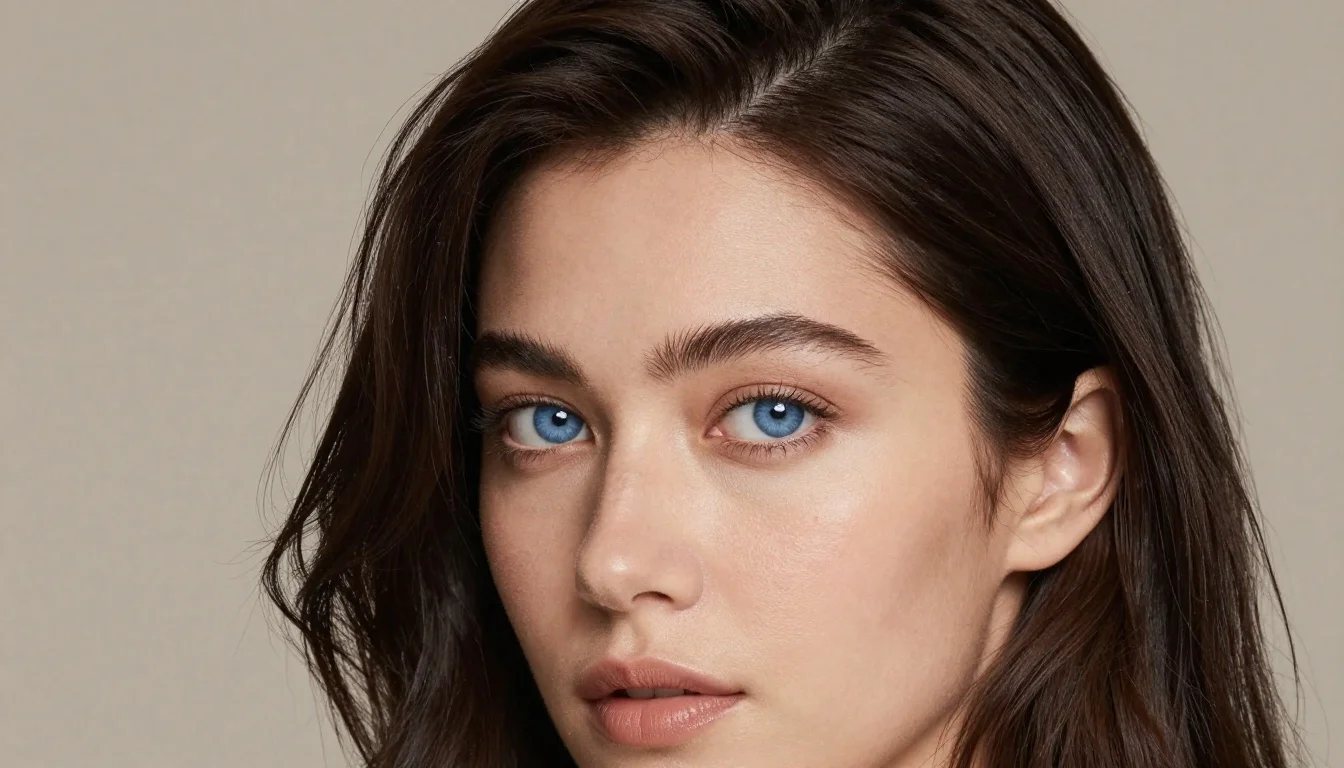
Dark hair creates the highest contrast against blue eyes — the deep frame makes blue eyes appear lighter, more vivid, and strikingly defined. Espresso and rich dark chocolate provide depth while the warmth in the brown adds complementary contrast with the cool blue of the eyes. Near-black creates the most dramatic frame — blue eyes against very dark hair look more intensely colored than almost any other combination. This is the Snow White effect, and it's supported by color theory: maximum contrast maximizes eye vividness.
Warm Auburn & Red-Brown
Auburn and warm red-brown hair creates strong complementary contrast with blue eyes — red and orange sit opposite blue on the color wheel, meaning auburn hair literally makes blue eyes appear more intensely blue by color contrast. Warm auburn on blue-eyed people creates one of the most striking natural combinations: the warmth of the hair and the coolness of the eyes create vivid complementary tension. This combination works across all depths of blue, from pale icy blue to deep navy-blue eyes.
Honey & Golden Blonde
Warm blonde creates both tonal resonance and complementary contrast with blue eyes. The golden warmth of honey blonde sits across the color wheel from blue, creating optical contrast while staying light enough that the overall look reads as "light eyes, light hair." This combination looks naturally sun-kissed and fresh. Golden caramel balayage on a lighter base adds dimension that catches light near the eye area. This is the most natural-looking flattering choice for blue-eyed people with naturally lighter coloring.
Platinum & Cool Blonde
Cool platinum and ash blonde create a tonal harmony with blue eyes — the icy cool of the hair resonates with the cool quality of blue eyes for an ethereal, high-fashion look. This combination works best for very pale, cool-toned blue eyes with fair, cool skin — the consistency of cool tones throughout creates a striking, unified look. Platinum is less about contrast and more about a deliberately cool, otherworldly aesthetic. It's a specific look rather than universally flattering, but extraordinarily striking when it works.
Ready to see yourself in espresso & chocolate?
Start my color analysisHow to Choose Hair Color for Blue Eyes
The Contrast Strategy
For the most vivid blue-eye effect, choose a hair color at least two shades darker or lighter than your natural base and away from mid-range. Dark espresso or near-black provides maximum dark contrast. Platinum or honey blonde provides light luminous effect. The middle ground — flat medium brown — provides the least blue-eye enhancement. If you want to stay close to your natural color, add dimension: dark chocolate with subtle auburn highlights, or honey blonde with slightly darker base underneath, both create more contrast than uniform mid-tone hair.
Warm vs. Cool: The Complementary Principle
Warm hair tones (auburn, honey, caramel, golden) create complementary contrast with blue eyes because warm and cool sit opposite on the color wheel. This is why auburn hair and blue eyes is such a consistently striking combination: it's not coincidence but color theory. If you want to maximize the intensity of your blue eyes, lean warm in your hair color choice — warm blonde rather than ash blonde, warm auburn rather than cool red, warm chocolate rather than ash brown.
Highlights for Blue Eyes
Face-framing highlights near blue eyes create additional contrast at the eye level — lighter pieces near the face draw attention upward and create light play that makes blue eyes appear more vivid. Warm caramel or honey highlights on darker base create both warmth and contrast. For lighter hair, slightly darker base underneath with lighter face-framing pieces creates dimension. Ask your colorist for "face-framing highlights to enhance eye color" — experienced colorists understand this technique.
Skin Tone and Blue Eyes Together
Blue eyes appear across all skin tones, but the most flattering hair color also considers your skin undertone. Blue-eyed pale skin with cool undertones: platinum or ash blonde, dark espresso both look beautiful. Blue-eyed pale skin with warm undertones: honey blonde, warm auburn. Blue-eyed medium skin: warm caramel highlights, dark chocolate, warm auburn. The eyes set the contrast direction; the skin undertone refines the warmth or coolness within that direction.
Hair Colors That Diminish Blue Eyes
Ashy medium brown
Ash medium brown sits in a no-man's land for blue eyes — it's neither light enough to create luminous tonal resonance nor dark enough to create striking contrast. The cool ash quality can also compete with blue eyes without creating useful complementary contrast. The result is that blue eyes look more grey and less vivid. Warm medium brown or very dark brown are both more flattering than ash medium.
Very warm orange-copper without depth
Very vivid, flat orange-copper hair (without brown depth) can overpower blue eyes rather than complement them. The color contrast is so strong and the saturation so high that the hair becomes the focal point rather than the eyes. Auburn with brown depth works beautifully; vivid copper without depth dominates. If you want red tones, aim for a warmer, richer auburn rather than flat vivid copper.
Muddy or flat mid-brown
Flat, mousy medium brown hair creates insufficient contrast with blue eyes while also lacking the warmth to create complementary contrast. It occupies the same visual-energy zone as pale blue eyes without creating useful interaction. Either go darker (rich chocolate, espresso) or lighter (honey blonde, golden) — mid-range flat brown is the least flattering of the brown family for blue eyes.
Stop guessing — preview every shade on you
See myself in my shadesHair Color Swaps for Blue Eyes
Replacing shades that let blue eyes disappear with ones that make them vivid.
Ash medium brown creates insufficient contrast with blue eyes. Rich chocolate provides dark contrast; warm brown adds complementary warmth that makes blue eyes appear more vivid.
Ash blonde creates tonal sameness without contrast. Honey blonde adds warm contrast that makes blue eyes appear more intensely colored.
Flat copper overpowers blue eyes. Auburn with brown depth creates rich complementary contrast — the orange-warmth opposite to blue without overwhelming the eyes.
Cool flat black can look harsh. Dark espresso provides maximum contrast with subtle warm undertone that frames blue eyes more naturally.
Single-process can look flat. Face-framing highlights create contrast specifically at eye level, drawing attention to blue eyes with light play.
Mouse brown lacks contrast for blue eyes. Warm chestnut adds the golden warmth that creates complementary contrast while staying natural.
Which Seasonal Palette Has Blue Eyes?
Blue eyes appear in both cool and light-warm seasonal palettes. Your season depends on your skin undertone and hair depth alongside your eye color.
Cool Winter
Learn moreCool Winter often has very pale or medium cool skin with striking dark hair and vivid blue or blue-grey eyes. Best hair colors: dark espresso, near-black, cool dark brown. Maximum contrast, cool and dramatic.
Light Summer
Learn moreLight Summer often has fair cool skin with naturally light or medium hair and soft blue or grey-blue eyes. Best hair colors: soft ash blonde, cool light brown, subtle cool highlights. Light and delicate.
Warm Spring
Learn moreWarm Spring occasionally features clear blue eyes paired with warm golden skin and honey-blonde or light warm hair. Best hair colors: honey blonde, warm golden, caramel balayage. Warm and fresh.
Find Your Perfect Hair Color
Blue eyes respond to contrast and warmth in hair color more visibly than almost any other eye color. A personalized colour analysis identifies your exact seasonal palette — considering your skin undertone and natural coloring alongside your blue eyes — and maps it to the specific hair color shades that make your eyes look their most vivid and intentional.
Related Guides for Hair Color for Blue Eyes
Explore more personalized color advice based on your features.
Want to see these colors on you? Virtual Hair Color Try-On — free to try.
Frequently Asked Questions About Hair Color for Blue Eyes
What hair color makes blue eyes pop?
Dark espresso and near-black hair creates the strongest contrast that makes blue eyes appear vivid and striking. Warm auburn creates complementary orange-blue contrast on the color wheel — blue eyes look more intensely blue against warm red-brown hair. Honey blonde creates warm luminous contrast. All three approaches work; choose by your skin undertone and the intensity of look you want.
Does auburn hair suit blue eyes?
Auburn is one of the most striking hair colors for blue eyes — red and orange sit directly opposite blue on the color wheel, creating complementary contrast that makes blue eyes appear more intensely colored. Warm auburn with a brown base is more natural and versatile than vivid flat copper. This combination is particularly beautiful in natural light where the complementary contrast is most visible.
What blonde hair color is best for blue eyes?
Honey blonde and golden blonde create the most flattering effect — the warm golden quality provides complementary contrast with blue eyes while staying light. Ash blonde creates more tonal harmony but less contrast, resulting in a subtler effect. Platinum blonde creates an ethereal cool look on fair skin with blue eyes. For maximum blue-eye impact from blonde hair, choose honey or golden over ash.
Should blue eyes avoid any hair colors?
Flat ash medium brown creates the least contrast for blue eyes — it lacks both warm complementary contrast and the depth contrast of very dark hair, making blue eyes look more grey. Very flat, uniform mid-tone colors without dimension or warmth are the least flattering. Adding warmth or going darker or lighter both create more visible blue-eye enhancement than staying in the mid-range.
Do dark or light hair colors suit blue eyes better?
Both can be striking for different reasons. Dark hair (espresso, near-black) creates high-contrast framing that makes blue eyes appear vivid and dramatic. Light hair (honey blonde, platinum) creates luminous tonal contrast that makes blue eyes appear ethereal and delicate. The best choice depends on your skin tone and the overall aesthetic you want — both approaches work when the tone is right.