Bridal Makeup forOlive Skin
Olive skin looks luminous on a wedding day with the right foundation, lip, and eye shades. Discover which tones look natural on you — and which to skip.
Bridal makeup for olive skin requires more intentionality than most beauty guides suggest. Olive skin has a warm yellow-green undertone that many standard "bridal" looks — cool pink blush, pale pink lips, heavy neutral coverage — actively fight against. The best bridal look for olive skin works with its warmth: golden highlights, warm nudes, the right lip shade, and a foundation that matches precisely without making olive complexions look flat or ashy. The goal is luminous, not covered.


3,000+
happy clients
Why Standard Bridal Looks Don't Always Work on Olive Skin
Bridal makeup for olive skin requires more intentionality than most beauty guides suggest. Olive skin has a warm yellow-green undertone that many standard "bridal" looks — cool pink blush, pale pink lips, heavy neutral coverage — actively fight against. The best bridal look for olive skin works with its warmth: golden highlights, warm nudes, the right lip shade, and a foundation that matches precisely without making olive complexions look flat or ashy. The goal is luminous, not covered.
Most bridal makeup inspiration is photographed on fair or neutral-light skin, and the products and techniques used are calibrated for that baseline. The classic 'bridal' blush — soft cool pink — can look grey or muddy on olive skin. The classic bridal nude lip — pale peachy-beige — can look washed out. The classic bridal highlight — icy silver — can create temperature conflict with olive's warmth. None of these are intentional exclusions; they're just calibrated for a different canvas.
Olive skin on a wedding day needs specifically warm-calibrated products. Foundation should match the olive undertone precisely, including the slight yellow-green quality — not a simply warm-peachy match. Blush should be warm: terracotta, warm rose, apricot. Lips should be warm: nude-rose, berry, or warm soft red. Highlight should be warm: champagne gold, warm pearl. In photographs — especially outdoor wedding photography in warm light — warm-calibrated bridal makeup on olive skin looks luminous and radiant.
The other consideration is longevity. Wedding days are long, often involve multiple lighting environments (outdoor ceremony, indoor reception, flash photography), and require makeup that holds its undertone through hours of wear. Warm-toned products on olive skin stay cohesive through light changes in a way that mismatched cool products don't — the warmth reads consistently across lighting conditions, while products fighting olive's undertone can look increasingly disconnected as the day progresses.
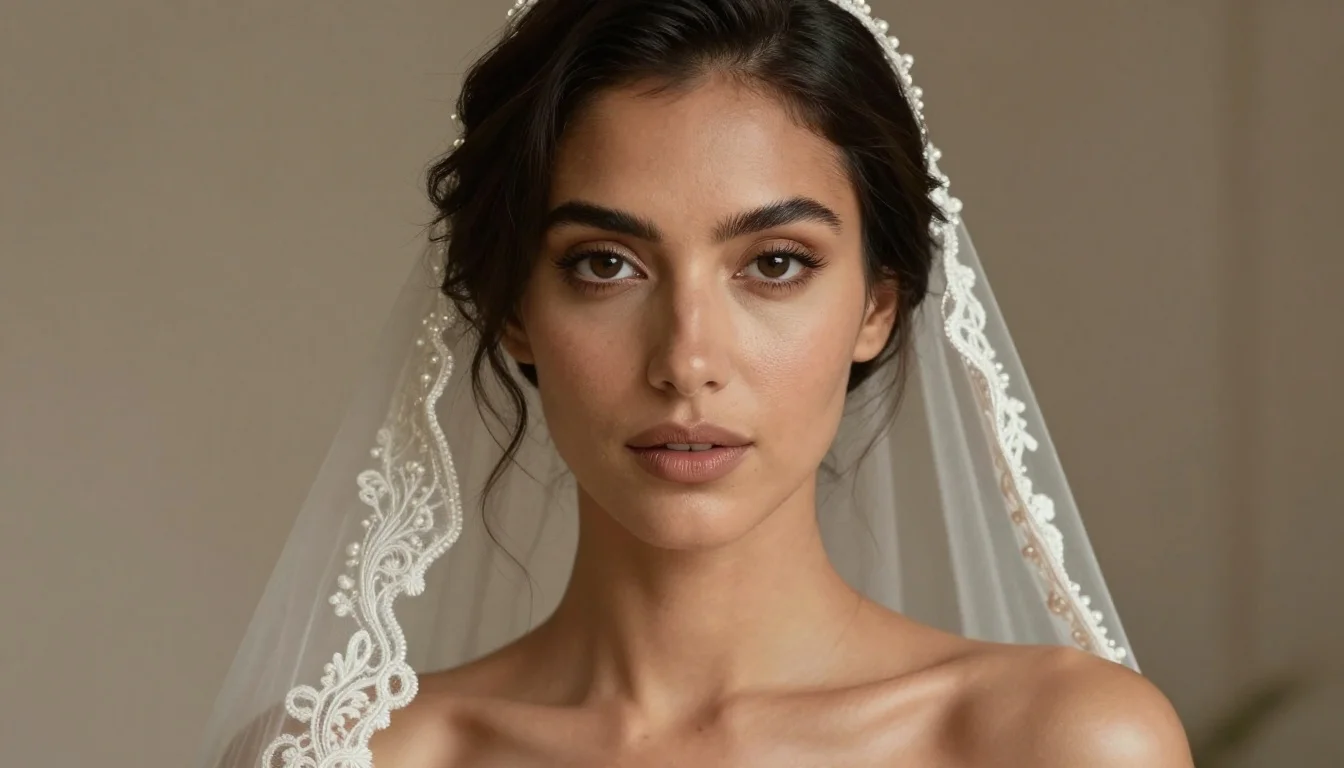
What bridal makeup looks best on olive skin?
Warm-calibrated makeup looks best: warm champagne highlight rather than icy silver, terracotta or apricot blush rather than cool pink, warm nude-rose or warm berry lip rather than pale peachy-beige, and foundation matched to olive's yellow-green undertone. The goal is warmth and luminosity — all products should harmonize with olive's warmth rather than fighting it.
Your Best Bridal Makeup Shades
Foundation: Matched Warm Olive Coverage
Foundation is the most important bridal makeup decision for olive skin. The match must include the yellow-green quality of olive undertones — many foundations labeled 'warm' or 'golden' miss the olive undertone and read slightly orange. Test your foundation in natural outdoor light, not salon light, and check both the face and neck in photographs. A properly matched olive foundation creates the seamless, luminous base that bridal photography demands. Consider a buildable medium coverage rather than full coverage — olive skin looks most radiant when its natural quality shows through.
Blush: Warm Terracotta, Apricot & Warm Rose
Warm blush is non-negotiable for bridal makeup on olive skin. Terracotta and apricot blush create the warm, sun-kissed flush that looks effortlessly beautiful against olive complexions in wedding photography. Warm rose gives a more romantic, rosy flush while staying on the warm side of pink. For the cheek highlight, a warm peachy bronze over the blush creates dimension. Apply blush slightly more generously than everyday — bridal photography and lighting can diminish color; building blush on set lets it hold beautifully in photos.
Lips: Warm Nude-Rose, Warm Berry & Soft Red
Bridal lip shades for olive skin should sit in the warm side of nude-to-medium: warm nude-rose (nude with enough pink warmth to register as a lip shade rather than disappearing), warm berry for a slightly more romantic statement, or warm soft red for a classic bridal statement that photographs beautifully. Avoid pale cool pink lips — they look washed out against olive skin in photos. Avoid very dark plum — it can photograph dramatically rather than romantically. Warm rose-mauve is the most versatile bridal choice: romantic, warm, visible in every lighting condition.
Eyes: Warm Champagne, Warm Bronze & Soft Brown
Bridal eye makeup for olive skin should be warm and luminous. Warm champagne on the lid (rather than icy silver) harmonizes with olive's warmth and photographs with a soft glow. Warm bronze as a crease shade adds depth without drama. Soft warm brown as an eyeliner alternative to black adds definition while staying warm. A classic warm-to-neutral smoky eye — champagne lid, warm taupe crease, soft brown liner — is the most universally flattering bridal eye for olive skin. It stays luminous in outdoor light and adds intensity for indoor reception photography.

Ready to see yourself in yellow olive & medium beige?
Start my color analysisHow to Plan Your Bridal Makeup for Olive Skin
Bring warm-toned reference photos to trials
When meeting with a makeup artist for your trial, bring photos of bridal looks on olive skin specifically — not fair-skinned bridal inspo from typical wedding magazines. Show examples of warm champagne highlight, terracotta blush, and warm nude lips on olive skin. This communicates your undertone requirements clearly. Many makeup artists are trained on a light-skin default and need to see warm olive references to calibrate correctly. Your trial is the time to identify and fix any cool-toned product choices before the wedding day.
Do a full-lighting test during your trial
Take photos during your bridal makeup trial in both outdoor natural light and indoor flash photography. Bridal makeup that looks beautiful in person can photograph differently. Specifically check: whether the foundation blends invisibly into the neck in both lights; whether the blush reads as warm and healthy or washes out; whether the lip color is visible; whether the highlight looks luminous or grey. Adjust before the wedding day — this is exactly what the trial is for.
Use setting products that don't add cool-grey cast
Setting powder and setting spray can shift the color of bridal makeup — cool, translucent powder applied heavily can add a grey-white cast to olive skin in photos. Use a translucent powder with a warm undertone or a light-to-medium coverage pressed powder matched to your foundation. Setting spray is often better for olive skin than heavy powder — it locks makeup without adding any cast. Ask your makeup artist specifically about setting product temperature.
Prioritize skin prep in the weeks before
Olive skin looks most luminous on a wedding day when it's well-hydrated and even-toned underneath the makeup. In the weeks before, prioritize: daily SPF (to prevent uneven tan lines from outdoor prep), consistent hydration (hyaluronic acid, moisturizer), and avoiding any new skincare actives that could cause reactions. Olive skin that's well-prepped creates a foundation base that needs less coverage — and less coverage means more natural olive luminosity showing through the makeup.
See your look through your guests' eyes
The photographer catches the portraits; your guests catch everything else. A shared wedding photo album with a QR code collects both sides of the story automatically.
Bridal Makeup Mistakes on Olive Skin
Cool pink blush or too-pink foundation
Pink-based blush and pink-toned foundation are the most common bridal makeup mistakes on olive skin. They create a temperature mismatch — the cool pink fights the warm yellow-green of olive undertones and can make skin look grey or muddy in photos. Request warm blush shades specifically when booking your makeup artist; if they default to pink, ask to see a terracotta or warm rose option.
Heavy matte full-coverage foundation without warmth
Heavy, flat matte coverage can make olive skin look flat and masklike in bridal photos — the natural luminosity that makes olive skin beautiful disappears under too much product. A medium-coverage foundation with a satin or luminous finish, properly matched to olive undertones, looks far better in wedding photography than heavy matte. Leave areas of natural skin quality visible rather than eliminating all texture.
Pale peachy-beige or washed-out nude lip
Very pale lips don't read well on olive skin in wedding photography — they can look absent or washed out rather than natural. A lip shade for olive skin should have enough warmth and depth to be visible as a deliberate color choice. Warm nude-rose, warm rose-mauve, or a soft warm berry all achieve the "natural but defined" bridal lip much better than pale peachy-beige.
Icy silver or cool white highlight
Icy cool highlight creates temperature conflict with olive skin's warmth — it can look grey or disconnected in photos rather than luminous. Warm champagne gold, warm pearl, and warm bronze highlights all photograph with the same luminous glow on olive skin without the temperature conflict. Ask your makeup artist for a warm champagne highlight specifically.
Stop guessing — preview every shade on you
See myself in my shadesYour Bridal Makeup, Calibrated for Olive Skin
Standard bridal choices swapped for ones that work with olive undertones.
Generic warm-peachy foundation misses the yellow-green quality of olive undertones and can read orange. Matching in natural light with olive undertone in mind ensures the seamless base bridal photos require.
Soft pink blush clashes with olive's yellow-green warmth and can look grey in photos. Terracotta and apricot-rose create a warm, natural flush that photographs radiantly on olive skin.
Pale beige disappears on olive skin in photos. Warm nude-rose has enough warmth and definition to read as a deliberate, romantic lip choice in every lighting condition.
Cool highlight looks grey against olive warmth in photos. Warm champagne gold photographs as luminous and warm — exactly the bridal glow olive skin deserves.
Grey and silver fight olive's warmth in photo lighting. Warm champagne and bronze create luminosity and depth that photograph beautifully in all wedding lighting conditions.
Cool powder creates a grey cast on olive skin in photos. Warm-toned powder or setting spray locks makeup without the grey-white shift that makes olive skin look flat.
Which Palette Might Be Yours?
Olive skin typically falls in warm seasonal palettes. Your exact season determines which specific shades of warm blush, lip color, and highlight work best for your undertone.
Soft Autumn
Learn moreIf your olive skin is warm and muted rather than vivid, Soft Autumn may be your season. Your bridal palette: dusty warm rose blush, warm muted nude-rose lip, warm taupe-champagne highlight. Soft Autumn's palette is subtler than Warm Autumn — avoid vivid or highly saturated makeup, which can overwhelm softer coloring.
Warm Autumn
Learn moreIf your olive skin has clear golden warmth, Warm Autumn is likely your season. Your bridal palette: warm terracotta or apricot blush, warm rose-berry lip, warm champagne gold highlight. Warm Autumn suits the richest, most saturated warm shades — your bridal makeup can carry more intensity than Soft Autumn.
Deep Autumn
Learn moreIf your olive skin is deeper and richer, Deep Autumn may be yours. Your bridal palette: rich warm bronze blush, warm berry or soft red lip, deep warm champagne highlight. Deep Autumn suits the most dramatic warm bridal looks — your depth creates the visual context for richer, more saturated makeup choices.
Find Your Exact Bridal Palette
Olive skin spans a significant range — from light warm olive-beige to deeper olive-tan — and your exact undertone depth determines which specific warm blush, which nude lip, and which champagne highlight are most yours. A personalized color analysis identifies your seasonal palette and gives you the exact product shades to brief your makeup artist with for the most luminous bridal look on your wedding day.
Related Guides for Bridal Makeup for Olive Skin
Explore more personalized color advice based on your features.
Want to see these colors on you? What Colors Look Good on Me — free to try.
Frequently Asked Questions About Bridal Makeup for Olive Skin
What bridal makeup looks best on olive skin?
Warm-calibrated makeup looks best: warm champagne highlight rather than icy silver, terracotta or apricot blush rather than cool pink, warm nude-rose or warm berry lip rather than pale peachy-beige, and foundation matched to olive's yellow-green undertone. The goal is warmth and luminosity — all products should harmonize with olive's warmth rather than fighting it.
What foundation should olive skin use for a wedding?
Foundation for olive skin should be matched with the yellow-green undertone included — not just "warm" in the golden-peachy sense, but warm with the specific olive quality. Test foundation in natural outdoor light and photograph the match against neck skin. Medium coverage with a satin or luminous finish photographs more naturally than heavy matte. Brands with olive-specific shades often have better matches than standard warm foundation.
What lip color is best for olive skin at a wedding?
Warm nude-rose, warm rose-mauve, and soft warm berry are the most universally flattering bridal lip shades for olive skin. They're visible in photos without being bold, and their warmth harmonizes with olive undertones in all lighting conditions. Avoid pale peachy-beige (disappears on olive skin) and very dark plum (photographs dramatically rather than romantically). Warm rose-mauve is the most reliable, versatile choice.
What blush works for olive skin bridal makeup?
Warm terracotta, apricot, and warm rose blush look best on olive skin. They create the warm, glowing flush that photographs beautifully in outdoor wedding light. Cool pink blush creates temperature conflict with olive's warmth and can look muddy or grey in photos. Apply slightly more generously than everyday — bridal photography can diminish blush intensity; building it ensures it holds through the day.
How should olive skin be photographed at a wedding?
Olive skin photographs most beautifully in warm or neutral light — golden hour outdoor photos are stunning. In flash photography, ensure your foundation has no cool or grey undertone, as flash can exaggerate undertone mismatches. Warm champagne highlight photographs as luminous rather than grey. A test photo session during the bridal trial — indoors and outdoors — identifies any products that photograph poorly so you can adjust before the wedding day.
Should olive skin brides use bronzer?
Yes — a warm bronze contour or light bronzer works beautifully on olive skin for bridal makeup. It adds dimension and warmth that photographs as a natural sculpted look rather than flat coverage. Use a warm (not cool or orange) bronzer two shades deeper than your foundation. Apply lightly to the temples, hollows of cheeks, and jawline, then blend up with warm blush for a seamless transition. This creates depth without heaviness for all-day wedding wear.