Best Colors forBlonde Hair
Blonde hair has its own color logic — light pigment, temperature variation. Discover which shades complement your coloring — and which to avoid.
Blonde is not one color. Ash blonde, honey blonde, platinum, strawberry, golden — each has a different undertone that changes which colors are flattering. But there are universal principles that apply to all blonde hair: light hair creates different contrast dynamics than dark hair, temperature determines which color families resonate, and the wrong neutrals can make even beautiful blonde look dull or sallow.


3,000+
happy clients
Why Blonde Hair Responds to Color Differently
Blonde is not one color. Ash blonde, honey blonde, platinum, strawberry, golden — each has a different undertone that changes which colors are flattering. But there are universal principles that apply to all blonde hair: light hair creates different contrast dynamics than dark hair, temperature determines which color families resonate, and the wrong neutrals can make even beautiful blonde look dull or sallow.
Blonde hair is low in melanin — the pigment that gives hair its depth. That low pigment makes blonde hair lighter, often with undertones of gold (warm blonde), silver (ash blonde), or copper (strawberry/red blonde). Those undertones change what colors work, because they interact with the temperature and depth of what you wear.
The contrast dynamic also shifts. With dark hair, clothing colors read against a strong dark anchor — there's high contrast potential. With blonde hair, that anchor is lighter. Deep jewel tones and rich darks create striking contrast. Pastels and light neutrals blend in and can make the overall look feel undifferentiated. Colors that might disappear near light blonde hair are the same ones that pop near dark hair.
The biggest mistake for blondes is defaulting to a "safe" neutral palette of beige, camel, and taupe. These colors match the warm undertones in many blonde shades but offer no contrast, no interest, and no vibrancy. Blonde hair actually wears bold color and crisp darks extraordinarily well — better than most hair colors.
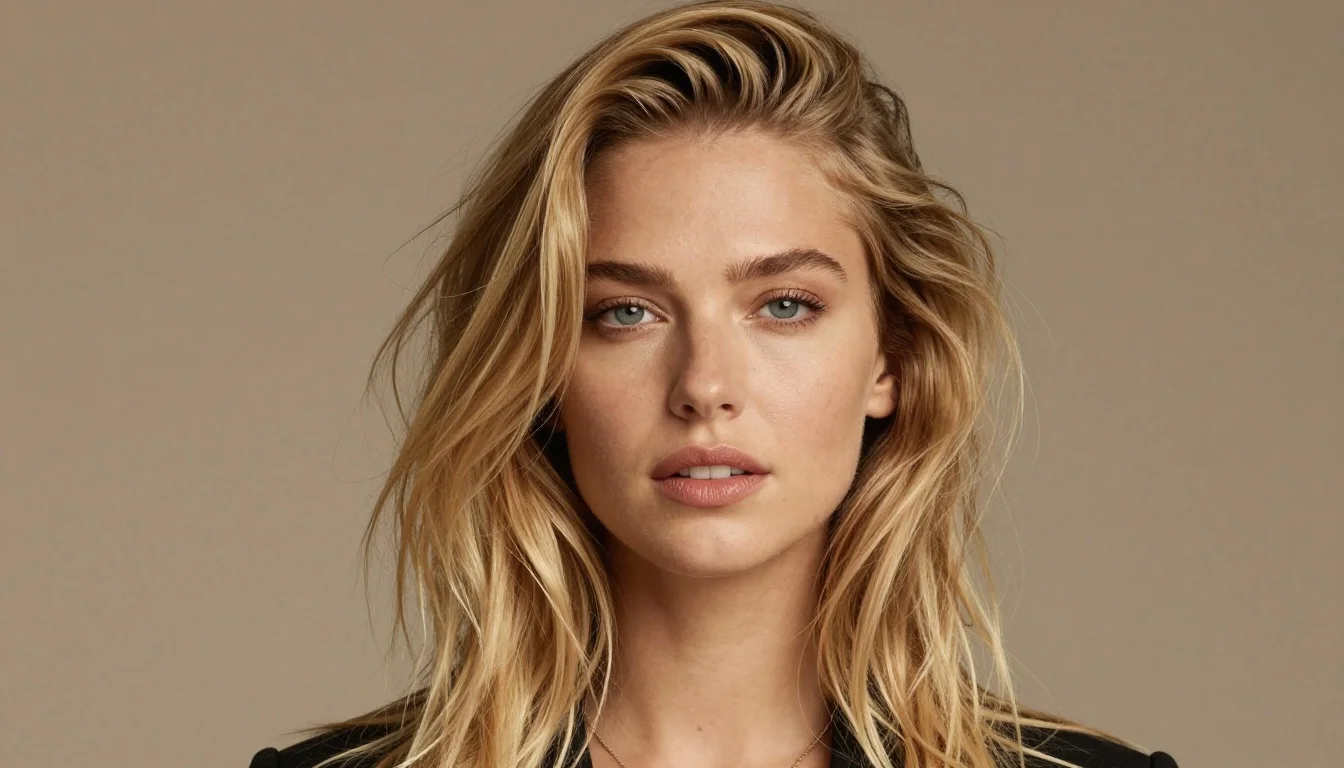
What colors look best with blonde hair?
Deep navy, forest green, rich burgundy, and crisp white are universally flattering for blonde hair — they provide contrast and frame blonde beautifully. For warm golden blondes, add terracotta, warm rust, and deep olive. For ash and cool blondes, add icy blue, cool grey, and cobalt. Avoid warm beige and muted pastels, which flatten blonde.
Your Most Flattering Color Families
Rich Navy & Deep Blues
Navy and deep blue create one of the most universally flattering combinations with blonde hair. The contrast between light golden or silver blonde and the depth of navy is visually striking — the hair appears lighter and more luminous, the blue looks richer. This works for both warm and cool blonde shades. Navy resonates with ash blonde's cool undertone and creates beautiful complementary contrast with warm golden blonde.
Warm Terracotta & Earth Tones
For warm golden, honey, and strawberry blondes, earth tones create a cohesive warmth that resonates with the hair's golden undertones. Terracotta and rust echo the warm amber in golden blonde, creating a rich, autumn-palette harmony. Deep olive provides earthy contrast. This family works best for warm blondes — ash and platinum blondes will find these colors create an odd temperature clash.
Forest Green & Deep Greens
Deep greens are universally flattering for blonde hair across temperature ranges. For warm blondes, forest green and deep olive resonate with warm undertones while providing rich contrast. For ash and cool blondes, emerald and cool-toned forest green create complementary contrast. Green is also the complementary color to the red-copper in strawberry blonde hair, making it particularly striking for that shade.
Crisp White & Ivory
Light colors that are too similar to the blonde range — pale beige, light taupe — disappear near blonde hair. But crisp white and clean ivory have enough contrast or warmth to work. Bright white creates a high-contrast, editorial look against blonde hair and works best for cooler platinum and ash blondes. Warm ivory works better for golden and honey blondes. Both are cleaner and more flattering than warm nude beige, which muddles into golden blonde hair.

Ready to see navy & cobalt on your face?
Start my color analysisBuilding Looks for Blonde Hair
Your Signature Contrast
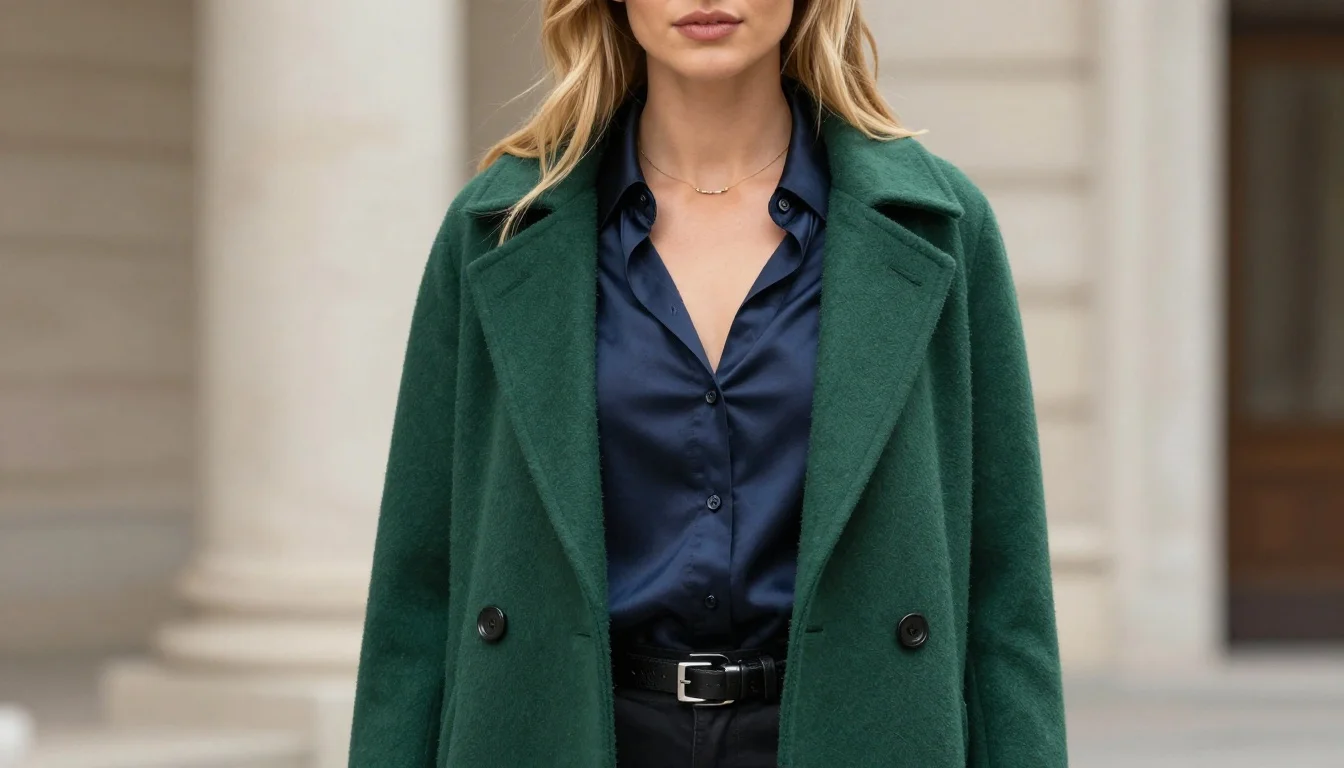
Deep navy, forest green, or rich burgundy against blonde hair is one of the most striking combinations in fashion. The contrast between light golden or silver hair and a deep rich color makes both elements look more vivid. A forest green wool coat over a white top, or a navy silk blouse, creates exactly the visual impact that beige or camel doesn't. This works for both warm and cool blonde shades.
Temperature Matching
Warm blonde (golden, honey, strawberry) looks best with warm-family colors: deep olive, terracotta, warm rust, amber, and warm ivory. Cool blonde (ash, platinum) looks best with cool-family colors: icy blue, cool grey, deep navy, crisp white, and silver. Mixing temperatures — cool grey with warm golden blonde, or warm camel with ash blonde — creates visual dissonance. Know your blonde's temperature first.
Everyday Foundation
For everyday wear, deep navy, white, and deep forest green are universally flattering blonde basics — they provide contrast and work across all blonde temperatures. Build a capsule around these: white shirt, navy trousers, forest green layer. Add warmth with terracotta or rust if you're a warm blonde; add crispness with grey or cobalt if you're an ash blonde.
When to Go Bold
Blonde hair is actually an ideal backdrop for bold color. A rich cobalt blue dress, an emerald green suit, or a deep burgundy coat all look exceptional against blonde hair — the contrast creates a striking editorial quality. Don't save bold color for special occasions. Blonde hair wears it better than almost any other hair color.
Thinking about changing your blonde?
Knowing your best clothing colors and your best hair shade go hand in hand. Before you book the salon, take the free what-hair-color-suits-me quiz — five questions, four shade recommendations, and an AI try-on to preview them on your own photos.
Colors That Flatten Blonde Hair
Warm beige and sand
Warm beige is the most common mistake for golden blondes — it sits in the same warm yellow-gold register as the hair without providing contrast or resonance. The result is a visual blur where hair and clothing bleed into each other. There's no separation, no framing. If you want a light neutral, crisp white or warm ivory has more contrast and purpose.
Muted, greyed pastels
Soft, muted pastels — dusty mauve, pale sage, greyed lavender — lack the depth to create contrast with blonde hair and lack the warmth or coolness to resonate harmoniously. They create a washed-out effect: both the hair and the clothing look low-energy. Saturated, deep colors or clear pastels with actual warmth or coolness work far better.
Warm yellow-orange
Bright warm yellow-orange sits in the same yellow register as warm golden blonde hair. This creates a blending effect rather than contrast — the hair can look more brassy or yellow rather than golden. This is particularly an issue for golden and honey blondes. Amber and burnt orange with depth work better; flat, bright warm yellow rarely does.
Muddy brown
Medium-value muddy browns sit in an awkward register near blonde hair — not light enough to reflect the hair's warmth, not dark enough to create useful contrast. They can make the overall look look dingy. Deep chocolate brown or rich caramel work much better: both have enough depth or clarity to relate to blonde hair productively.
Stop guessing — preview every shade on you
See myself in my colorsSwaps That Instantly Upgrade Blonde
Replacing colors that flatten blonde with ones that frame it beautifully.
Beige blends into golden blonde. White creates clean contrast that makes blonde look more luminous.
Camel echoes warm blonde without adding contrast. Navy and forest green frame the hair with depth.
Yellow competes with golden blonde's warm register. Deep blue and green create vivid, flattering contrast.
Light neutrals offer minimal contrast with blonde. Deep darks create the crisp, polished look blonde hair is made for.
Muted mid-tones wash out near blonde. Saturated deep colors have the richness to create a cohesive, striking look.
Light champagne disappears near blonde hair. Deep jewel tones create striking contrast that makes both the hair and the outfit shine.
Which Palette Might Be Yours?
Blonde hair appears across multiple seasonal palettes — from warm spring to cool summer to light spring. Your specific season depends on your skin undertone, the shade of your blonde, and the depth of your coloring.
Light Spring
Learn moreIf your blonde is light and warm — golden or honey — your skin is warm-peachy, and your overall coloring feels light, clear, and fresh without being stark, Light Spring may be yours. Your palette includes warm coral, warm ivory, clear warm yellow, and soft warm teal. Warm, light, and fresh.
Light Summer
Learn moreIf your blonde is light and cool or ashy, your skin has a cool or neutral-cool undertone, and your overall coloring feels cool and soft rather than stark, Light Summer may be yours. Your palette includes soft rose, cool blue, lavender, and cool navy. Light, cool, and soft.
Warm Spring
Learn moreIf your blonde is strongly warm — deep golden or strawberry blonde — your skin is warm and peachy or golden, and your coloring has a bright, warm vibrancy, Warm Spring may be yours. Your palette includes coral, warm turquoise, warm yellow, and peach-gold. The warmest, brightest blonde palette.
Find Your Exact Blonde Palette
Blonde hair is not a single color category — ash, honey, golden, platinum, and strawberry blonde each have distinct undertones that shape your best colors. A personalized colour analysis pinpoints your exact undertone temperature, identifies whether you're a Light Spring, Light Summer, or another seasonal palette, and gives you the specific colors that work for your particular shade of blonde.
Stop guessing — preview every color on you
Preview Yourself In Your Palette
Get my personalized paletteStop guessing — preview every color on you
Preview Yourself In Your Palette

Related Guides for Best Colors for Blonde Hair
Explore more personalized color advice based on your features.
Want to see these colors on you? Virtual Hair Color Try-On — free to try.
Frequently Asked Questions About Best Colors for Blonde Hair
What colors look best with blonde hair?
Deep navy, forest green, rich burgundy, and crisp white are universally flattering for blonde hair — they provide contrast and frame blonde beautifully. For warm golden blondes, add terracotta, warm rust, and deep olive. For ash and cool blondes, add icy blue, cool grey, and cobalt. Avoid warm beige and muted pastels, which flatten blonde.
What colors should blondes avoid wearing?
Warm beige, sand, and tan blend into warm golden blonde without providing useful contrast. Muted greyed pastels wash out near blonde hair. Bright warm yellow and orange sit in the same register as golden blonde hair and can look brassy. Medium-value muddy browns create an awkward, dingy combination.
Does blonde hair look better with warm or cool colors?
It depends on your specific shade. Warm golden, honey, and strawberry blondes look best with warm-family colors (terracotta, olive, rust, warm ivory). Cool ash and platinum blondes look best with cool-family colors (icy blue, crisp white, navy, cool grey). Mixing temperature — cool grey with warm blonde — creates visual dissonance.
What color outfits make blonde hair pop?
Deep jewel tones create the most striking contrast with blonde hair. Navy blue, forest green, deep emerald, and rich burgundy all make blonde look more luminous by providing strong contrast. Crisp white is also very effective. These work across warm and cool blonde shades.
Does navy blue suit blonde hair?
Navy suits all blonde shades well. For warm blondes, it creates complementary contrast — cool navy against warm golden hair. For ash and cool blondes, navy resonates with the cool undertone and looks naturally cohesive. It's one of the best universal colors for blonde hair.