Office Colors That FlatterOlive Skin
Olive skin has warm-green undertones that need specific professional colors. Discover how to build looks with shades that actually flatter you.
Olive skin has a distinctive warm-green undertone that makes it highly responsive to specific professional colors. The right office palette creates a luminous, sun-touched look — warm earthy tones resonate with olive's natural warmth, and rich jewel tones create the contrast that makes olive skin glow. The wrong choices — cool grey, icy pastels, very warm orange — either fight olive's green quality or blend into it without impact.


3,000+
happy clients
Why Olive Skin Has Unique Professional Color Dynamics
Olive skin has a distinctive warm-green undertone that makes it highly responsive to specific professional colors. The right office palette creates a luminous, sun-touched look — warm earthy tones resonate with olive's natural warmth, and rich jewel tones create the contrast that makes olive skin glow. The wrong choices — cool grey, icy pastels, very warm orange — either fight olive's green quality or blend into it without impact.
Olive skin combines warm and green undertones — a yellow-green quality that distinguishes it from both purely warm (golden) and purely cool (pink) complexions. This dual-temperature quality means olive skin has a wider flattering color range than most undertone types, but also specific traps. Colors that work for warm skin sometimes fight olive's green quality; colors that work for cool skin sometimes fight olive's warmth.
The professional palette for olive skin is built on warm-neutral resonance and rich contrast. Earth tones — warm burgundy, forest green, terracotta, camel — all resonate directly with olive's warmth. Rich jewel tones create vivid contrast. The colors to avoid are cool, desaturated office defaults: icy grey, blue-white, and lavender, which can make olive skin appear yellowy or sallow under fluorescent lighting.
Olive skin's green undertone also means it benefits uniquely from complementary contrast: warm red-based colors (burgundy, rust, terracotta) sit opposite green on the color wheel and create a vibrant, glowing contrast with olive skin. This is why burgundy is consistently the most striking professional color on olive skin — the color theory of complementary contrast is working at full power.
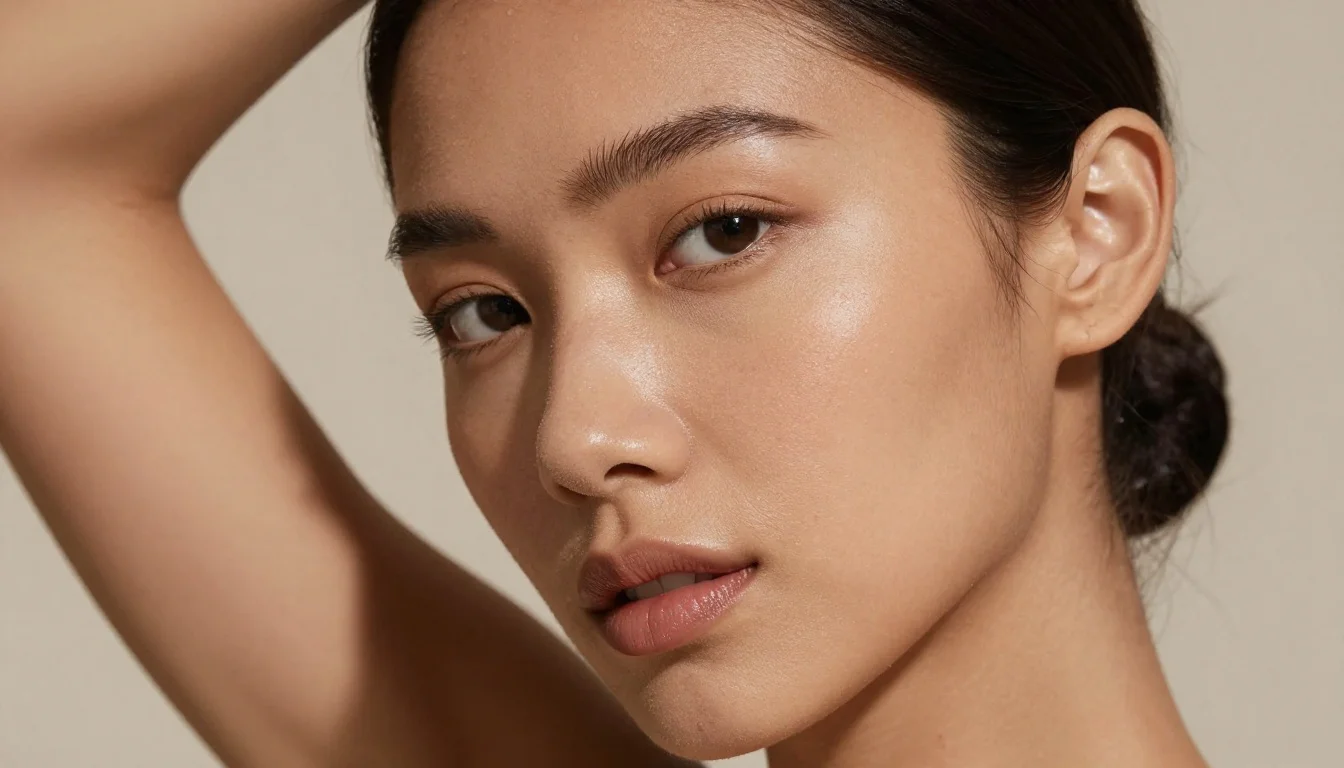
What work colors look best on olive skin?
Warm burgundy is the most universally flattering professional color for olive skin — the complementary contrast between red and green makes olive skin glow. Camel and chocolate brown create warm earth resonance. Forest green creates sophisticated tonal harmony. Warm teal and sapphire add jewel-tone vibrancy. Avoid cool grey, icy pastels, and blue-white near the face.
Your Work Wardrobe Color Families
Complementary Contrast Colors
Warm red-toned colors create complementary contrast with olive skin's green undertone — red and green are color opposites, so these colors make olive skin appear more vivid and luminous. Burgundy is the most universally flattering professional color on olive skin: it has the authority of deep red-wine, the warmth to resonate with olive's golden quality, and the cool-warm complexity that reads as sophisticated. Terracotta blazer on olive skin looks intentional and striking. These are olive skin's professional power colors.
Warm Earth Neutrals
Warm earth neutrals create resonance with olive skin's golden warmth rather than fighting its green quality. Camel is the olive-skin equivalent of cool grey — professional, versatile, and actively flattering. Chocolate brown creates depth resonance with olive's darker warmth. A camel blazer over a warm ivory blouse is the olive-skin equivalent of the navy-and-white formula for cool undertones: effortlessly polished and flattering.
Rich Jewel Tones
Jewel tones create vivid contrast with olive skin while maintaining warmth alignment. Deep forest green creates a sophisticated tonal resonance with olive's green undertone — not matching, but harmonizing. Warm teal adds blue-green vibrancy that looks particularly striking on olive skin. Rich sapphire provides cool-warm tension that makes olive skin look more vivid. These are the olive capsule's statement pieces for high-impact professional occasions.
Warm Neutrals for Structure
Every professional wardrobe needs dark anchor pieces. For olive skin, warm versions of classic professional darks outperform cool ones. Deep warm navy (slightly warmer than pure cool navy) creates professional authority with temperature harmony. Dark warm olive as a trouser color creates a sophisticated tonal look on olive skin. Warm ivory as a blouse color creates clean contrast without the cold quality of bright white. These structural pieces form the backbone of an olive-skin capsule.

Ready to see burgundy & rust on your face?
Start my color analysisHow to Build a Work Wardrobe for Olive Skin
The Olive Skin Core: Burgundy + Camel + Ivory
Build your professional core around three olive-flattering pieces: a warm burgundy blazer (your power color — complementary contrast activates olive skin's glow), a camel blazer or coat (your warm neutral replacing grey), and a warm ivory blouse or shirt (your light contrast piece). These three work in every combination and all actively flatter olive skin. Add chocolate brown trousers and cognac accessories for a complete olive-skin professional palette.
Using Complementary Contrast as a Strategy
Olive skin's green undertone gives it a color theory advantage with red-toned clothing. Use this deliberately: when you want to look your most striking in the office, reach for burgundy, warm wine, or deep rust. The complementary contrast creates a naturally vivid, glowing effect that looks like excellent skin rather than good clothes. This effect is most powerful at the neckline — a burgundy silk blouse or scarf near olive skin creates maximum contrast impact.
The Forest Green Option
Forest green is a unique option for olive skin — the tonal resonance between the green undertone and the clothing creates a sophisticated, rich look that reads as highly intentional. Unlike brown hair where green creates earthy resonance, on olive skin it creates a multi-dimensional luminosity. A deep forest green blazer on olive skin is a distinctive professional signature that few other skin tones can pull off as naturally. Use it for high-stakes client-facing days.
Warm vs. Cool Olive Skin
Olive skin ranges from warm-olive (more golden quality) to cooler-olive (more grey-green quality). Warm olive benefits from full warm resonance — all the camel, terracotta, and burgundy described above. Cooler or more neutral olive skin can also wear certain cool jewel tones (sapphire, royal plum) without temperature conflict. If you're unsure, test: does sapphire blue make your skin look more vivid or more sallow? Vivid = your olive has cooler quality and can wear cool jewels. Sallow = stick to warm tones.

Office Colors That Fight Olive Skin
Cool grey and blue-grey
Cool grey and blue-grey create a cold, ashy quality against olive skin's warmth — the cool temperature fights olive's green-warm undertone without creating useful contrast. A cool charcoal suit on olive skin can look flat and slightly muddy. Replace with warm charcoal (brown-cast), camel, or deep warm navy.
Icy pastels and cool light colors
Icy lavender, powder blue, and cool mint create a temperature conflict with olive skin under office lighting — the cool-light quality emphasizes olive's yellow-green tone as a contrast effect rather than complement. If you love pastels in professional settings, choose warm versions: warm peach, sage green, warm blush.
Very bright orange or neon warm tones
While olive skin benefits from warm tones, very bright orange creates an intensity clash — the sheer warmth overrides olive's subtler green quality and can look garish at professional formality levels. Deep rust and terracotta work; neon orange does not. Keep warm colors rich and deep rather than vivid and bright.
Stop guessing — preview every look on you
See these looks on my photoWork Wardrobe Swaps for Olive Skin
Replacing default office neutrals with olive-skin-flattering alternatives.
Cool charcoal creates ashy conflict with olive's warmth. Burgundy creates glowing complementary contrast; camel creates warm earth resonance.
Cool white and icy blue can make olive skin look yellowy. Warm ivory and warm blush create contrast with temperature resonance rather than conflict.
Cool grey fights olive's warmth. Chocolate brown and deep navy create the depth anchor olive skin needs while maintaining temperature harmony.
Cool pastels create temperature conflict with olive. Forest green and warm teal resonate with olive's green undertone for a vivid, polished look.
Black is functional but neutral for olive skin. Cognac and chocolate add the warm earth accent that completes an olive-skin professional look.
Cool grey and icy mauve wash out olive skin's warmth. Burgundy creates complementary contrast; teal creates warm jewel-tone vibrancy.
Which Seasonal Palette Are You?
Olive skin most often appears in Autumn and Deep seasonal palettes. Your specific undertone warmth and depth determine your season.
Warm Autumn
Learn moreWarm Autumn often has warm olive skin with earthy coloring. Work palette: camel, terracotta, deep burgundy, forest green, warm ivory. Rich earthy warmth — olive skin at its most saturated and glowing.
Deep Autumn
Learn moreDeep Autumn can have deep olive skin with rich warm undertones. Work palette: deep burgundy, forest green, dark navy, chocolate brown, cognac. Maximum depth and richness with warm olive resonance.
Soft Autumn
Learn moreSoft Autumn sometimes has muted olive skin with softer overall coloring. Work palette: warm sand, muted terracotta, soft burgundy, sage green. Softer and more muted — olive warmth without full saturation.
Build Your Perfect Work Wardrobe
Olive skin's green undertone is a professional advantage — it makes complementary warm colors like burgundy and terracotta particularly striking, and it creates unique resonance with forest green. A personalized colour analysis identifies your exact olive-skin seasonal palette and maps it to the specific professional shades that make your particular warmth and depth look most luminous in any office setting.
Stop guessing — preview every color on you
Preview Yourself In Your Palette
Get my personalized paletteStop guessing — preview every color on you
Preview Yourself In Your Palette

Related Guides for Work Outfits for Olive Skin
Explore more personalized color advice based on your features.
Want to see these colors on you? What Colors Look Good on Me — free to try.
Frequently Asked Questions About Work Outfits for Olive Skin
What work colors look best on olive skin?
Warm burgundy is the most universally flattering professional color for olive skin — the complementary contrast between red and green makes olive skin glow. Camel and chocolate brown create warm earth resonance. Forest green creates sophisticated tonal harmony. Warm teal and sapphire add jewel-tone vibrancy. Avoid cool grey, icy pastels, and blue-white near the face.
What blazer color works best for olive skin at work?
A warm burgundy blazer is the most striking choice — the complementary contrast activates olive skin's natural glow. Camel blazer creates warm earth resonance that charcoal cannot match. Forest green creates a unique tonal sophistication on olive skin. All three outperform cool charcoal, which fights olive's warmth.
Should olive skin wear grey to work?
Cool grey is one of the weaker professional colors for olive skin — the cool temperature fights olive's warm-green undertone without creating useful contrast. Warm charcoal (with brown cast) works better than cool blue-grey. Camel or chocolate brown replace grey as the primary neutral in an olive-skin professional wardrobe.
Can olive skin wear navy to work?
Yes, but warm navy is better than cool navy for olive skin. Warm navy (with slightly more warmth or green than pure cool navy) creates professional depth without temperature conflict. Pair it with warm ivory (not cool white) at the neckline. Deep warm navy with a warm ivory blouse is a flattering olive-skin professional formula.