Office Colors That FlatterPale Skin
Pale skin creates vivid contrast potential with dark colors but washes out in wrong neutrals. Discover how to build looks with shades that actually flatter you.
Pale skin is high-contrast by nature — its light quality means colors near the face show up vividly and the wrong choices show up even more vividly. The right work wardrobe uses this contrast to advantage: deep, rich colors create dramatic definition; careful neutrals avoid the washed-out effect that wrong office defaults create. Pale skin has significant professional style potential when the color choices are right.


3,000+
happy clients
Why Pale Skin Needs Strategic Professional Color
Pale skin is high-contrast by nature — its light quality means colors near the face show up vividly and the wrong choices show up even more vividly. The right work wardrobe uses this contrast to advantage: deep, rich colors create dramatic definition; careful neutrals avoid the washed-out effect that wrong office defaults create. Pale skin has significant professional style potential when the color choices are right.
Pale skin reflects more light than deeper complexions — this high reflectivity means colors worn near the face have a more dramatic effect. A deep navy blazer on pale skin creates crisp, high-contrast definition. A washed-out beige on pale skin creates an almost invisible blending at the neckline. The contrast dynamic works both ways: pale skin gets more dramatic benefit from rich, dark colors and more dramatic downside from poorly chosen neutrals.
Pale skin's undertone matters significantly in professional color selection. Cool pale skin (pink or rosy undertones) responds beautifully to navy, black, cool jewel tones, and bright white. Warm pale skin (yellow or peachy undertones) responds better to camel, warm ivory, warm burgundy, and soft warm colors. Most default professional palettes are slightly cool-toned, which works better for cool-pale skin than warm-pale.
The professional challenge for pale skin is the 'disappearing neckline' effect — wearing colours too close in value to pale skin creates a low-contrast look where skin and clothing blur at the neckline without definition. The fix is simple: choose colors with enough depth or vibrancy to create clear separation from pale skin. Navy, charcoal, jewel tones, and even bright white (for contrast from the other direction) all provide this clarity.
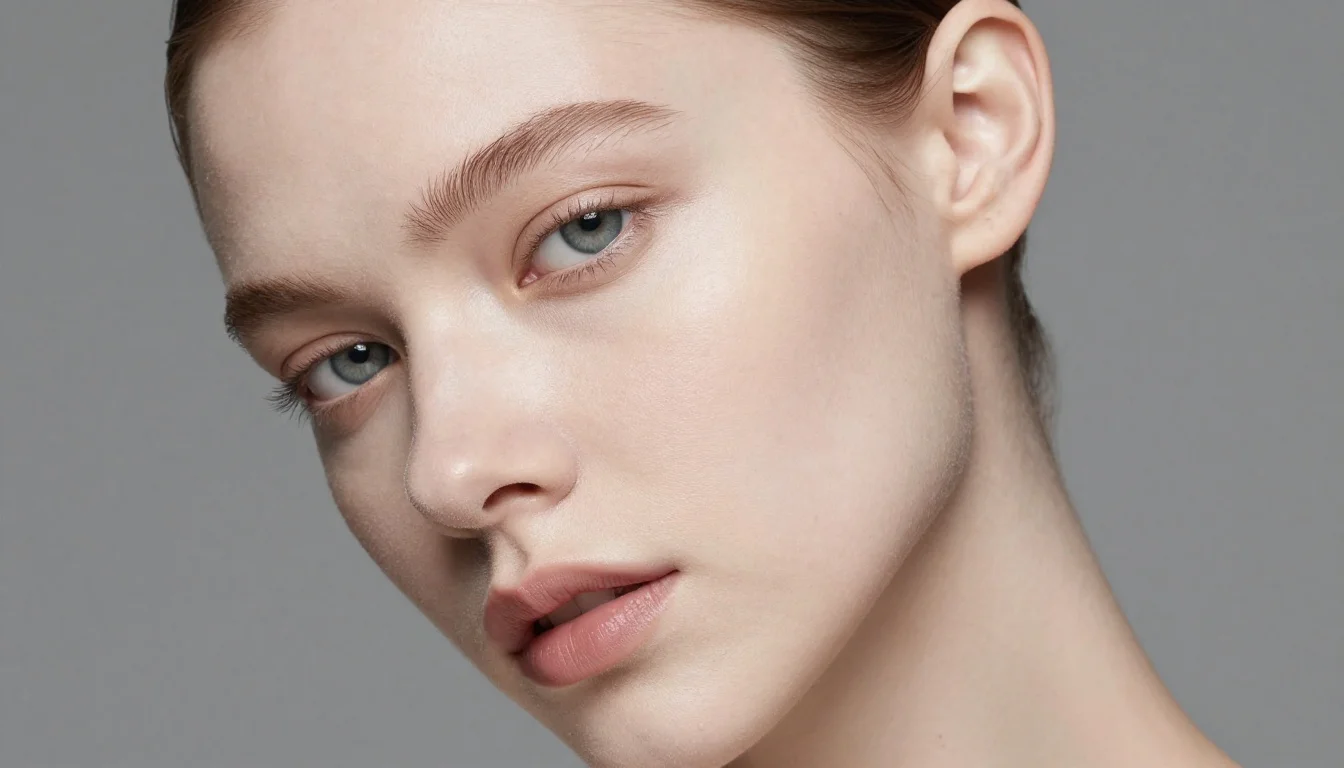
What work colors look best on pale skin?
Deep navy and jewel tones (sapphire, burgundy, emerald) create the most flattering contrast for pale skin — the depth of these colors creates vivid definition at the neckline that makes pale skin appear luminous. Bright white provides contrast from the other direction. Avoid washed-out beige and greige, which blend with pale skin without contrast or definition.
Your Work Wardrobe Color Families
Deep Contrast Anchors
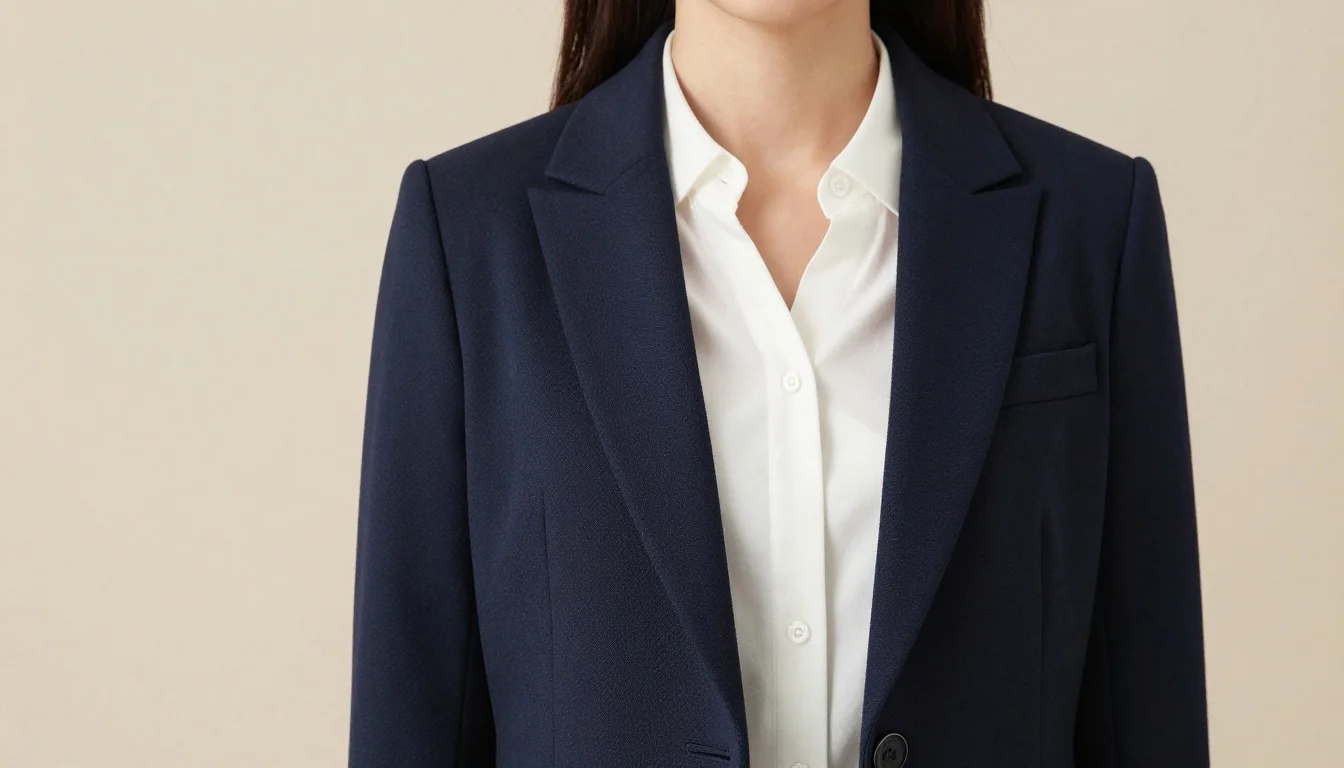
Deep colors create the most dramatic and flattering contrast with pale skin — the definition at the neckline is vivid and polished. Navy is universally flattering on pale skin: it has the depth of black with additional color that prevents the starkness of all-black. Deep charcoal creates sophisticated depth contrast. A navy blazer on pale skin with a white blouse creates a graphic, high-contrast professional look that is immediately striking and intentional.
Rich Jewel Tones
Jewel tones on pale skin create vivid, saturated definition — the contrast between pale skin and rich color at the neckline is one of the most striking combinations in professional dressing. Sapphire appears more vivid against pale skin than on deeper complexions because there's more contrast for the color to work with. Deep burgundy and emerald create similar depth-contrast combinations that look intentional and authoritative. Each jewel tone makes pale skin appear more vivid and defined rather than washed out.
Carefully Chosen Lights
Bright white works for pale skin as the lightest contrast option — it creates clean separation from pale skin through its crispness rather than depth. The key is contrast of quality rather than depth: a crisp, clean white creates more definition than a murky beige. Soft cool pink and ice blue add gentle color near pale skin for a fresh look that works for cool-undertone pale skin. Clear light grey (without muddiness) adds a clean neutral option for pale skin that muddy greige cannot provide.
Warm Tones for Warm Pale Skin
For pale skin with warm undertones (peachy or golden quality), warm tones create resonance that cold colors cannot. Camel near warm-pale skin creates warmth-matching that looks healthy and intentional. Warm blush adds warmth at the neckline for a natural-glow effect. Warm ivory creates a warm contrast that flatters warm-pale skin better than stark cool white. These are the warm-pale skin office options that cold professional defaults deny.

Ready to see navy & black on your face?
Start my color analysisHow to Build a Work Wardrobe for Pale Skin
The Pale Skin Contrast Principle
The most important professional rule for pale skin: always include at least one deep or vivid element near the face. Navy blazer, deep burgundy blouse, emerald green scarf — any element with enough depth or richness creates the definition that pale skin needs at the neckline. Without contrast, pale skin and neutral clothing blur together. With contrast, pale skin looks vivid and defined. Apply this to every professional outfit: one deep or vivid element near the face.
Cool Pale vs. Warm Pale
Cool-pale skin (pink or rosy undertones): build around navy, charcoal, bright white, and cool jewel tones (sapphire, plum, cool emerald). This mirrors the cool-undertone professional palette. Warm-pale skin (peachy or golden undertones): build around camel, warm ivory, warm burgundy, and forest green. Replace cool white with warm ivory; replace charcoal with camel or chocolate. Both pale-skin types benefit from deep anchors — the undertone determines which temperature anchor works best.
Using Depth for Definition
Navy blazer is the pale-skin professional cornerstone for cool pale skin — the depth creates clean contrast at the neckline that looks authoritative and polished. Black works well too: black-and-white creates a graphic, high-fashion quality on pale skin that looks intentional. For warm pale, a camel blazer over warm ivory creates a warm-contrast professional look. The deeper and clearer the clothing, the more defined and luminous pale skin appears next to it.
Jewel Tones for Impact Days
A single jewel-toned piece is the pale-skin professional upgrade that transforms the contrast principle from utilitarian to striking. Sapphire blazer on pale skin creates a vivid blue-and-pale combination that reads as sophisticated authority. Deep burgundy creates warm richness that warms pale skin visually. Emerald green provides deep vivid contrast. On presentation days or client-facing situations, a jewel tone near pale skin signals intentional, considered dressing at the same time it maximizes the skin's luminosity.
Office Colors That Wash Out Pale Skin
Washed-out beige and greige near the face
Washed-out beige and greige sit close in value to pale skin without enough contrast or vibrancy to create clear separation. The result is a blended, undefined look at the neckline — pale skin and beige clothing merge without definition. Replace with warm ivory (which has warmth, not just paleness) or any depth color that creates clear contrast.
Muddy pastels without clarity
Murky, low-saturation pastels — dusty mauve, muted khaki-pink — blend into pale skin without either contrasting or resonating. The combination looks washed out and undefined. Clear, crisp pastels (ice blue, soft cool pink) work for pale skin; murky, muddy ones don't. The difference is clarity: vibrant-soft versus muddy-soft.
Very warm orange tones for cool pale skin
For cool-undertone pale skin, orange-warm colors (terracotta, bright orange) create a stark temperature contrast that emphasizes paleness rather than warming it. Warm-pale skin can handle more warmth, but cool-pale skin with orange nearby creates a stark cool-warm clash that reads as unintentional. Cool jewel tones are safer for very cool-pale skin.
Stop guessing — preview every look on you
See these looks on my photoWork Wardrobe Swaps for Pale Skin
Replacing contrast-wasting neutrals with colors that define pale skin clearly.
Beige blends with pale skin at the neckline without definition. Navy and burgundy create the contrast that frames pale skin with professional authority.
Muddy light colors blur into pale skin. Bright white creates clean contrast; warm ivory creates warm resonance — both provide clear, defined separation.
Pale trousers extend the low-contrast zone. Deep trousers ground the look and create depth contrast that makes the overall outfit look more polished.
Muted pastels lack the depth to define pale skin. Sapphire and emerald create vivid contrast that makes both the color and the pale skin look more vivid.
Light neutral dresses blend with pale skin for a low-contrast total look. Deep dresses create the definition that makes pale skin look intentionally luminous.
Pale accessories extend the low-contrast zone throughout the outfit. Rich cognac and navy accessories add depth and definition at a lower garment commitment.
Which Seasonal Palette Are You?
Pale skin appears across multiple seasonal palettes. Your undertone warmth and contrast level determine your specific season.
Cool Winter
Learn moreCool Winter often has pale cool skin with high contrast and very cool or dark hair. Work palette: stark white, true navy, black, sapphire, cool plum. Maximum contrast on pale skin — the sharpest, most vivid professional palette.
Light Summer
Learn moreLight Summer has pale cool skin with soft, low-contrast overall coloring. Work palette: soft navy, pale grey, cool blush, soft lavender. The softest cool-pale professional palette — delicate and fresh.
Light Spring
Learn moreLight Spring has pale warm skin with light, warm overall coloring. Work palette: warm ivory, soft camel, warm peach accent, light warm coral. The warm-pale palette — fresh, light, and gently warm.
Build Your Perfect Work Wardrobe
Pale skin's contrast potential is a professional advantage — deep colors create vivid definition, jewel tones look more saturated, and the range from white to navy creates maximum style versatility. A personalized colour analysis identifies whether your pale skin has warm or cool undertones and maps you to the specific professional shades that maximize your skin's natural luminosity and definition.
Stop guessing — preview every color on you
Preview Yourself In Your Palette
Get my personalized paletteStop guessing — preview every color on you
Preview Yourself In Your Palette

Related Guides for Work Outfits for Pale Skin
Explore more personalized color advice based on your features.
Want to see these colors on you? What Colors Look Good on Me — free to try.
Frequently Asked Questions About Work Outfits for Pale Skin
What work colors look best on pale skin?
Deep navy and jewel tones (sapphire, burgundy, emerald) create the most flattering contrast for pale skin — the depth of these colors creates vivid definition at the neckline that makes pale skin appear luminous. Bright white provides contrast from the other direction. Avoid washed-out beige and greige, which blend with pale skin without contrast or definition.
Should pale skin wear black to work?
Black works well for cool-pale skin — the contrast creates a dramatic, graphic quality that looks authoritative and polished. For warm-pale skin, black can look stark; deep navy or chocolate brown is warmer. The key is that any deep color near pale skin creates useful contrast — black is one effective option, not the only one.
What blazer color works best for pale skin?
Navy blazer is the most universally flattering choice — it has enough depth for clear contrast with pale skin while adding rich color beyond basic black. Deep burgundy is particularly striking on pale skin. Sapphire creates a vivid, intentional look. All of these outperform beige and greige blazers, which blend with pale skin at the neckline without definition.
Can pale skin wear light colors to work?
Yes, with care. Bright white provides contrast through crispness rather than depth — it creates clean separation from pale skin and reads as polished when combined with a deep anchor piece (navy blazer, charcoal trousers). Avoid murky, muddy light colors (greige, dusty mauve) that sit in the same value and saturation zone as pale skin. The principle: light colors need to be either crisp-and-clear or paired with a deep anchor for definition.