Build a Wardrobe Around YourOlive Skin
Build a wardrobe that works with olive skin — warm undertones, natural depth, and year-round glow. Discover how to build looks with shades that actually flatter you.
Olive skin — with its warm, green-yellow undertone and natural depth — is one of the most versatile and striking complexion types to dress for. The right wardrobe honors that warmth and depth; the wrong one neutralizes it into something flat and uninspiring. This guide is about building a wardrobe around olive skin: which color families to anchor in, which outfit formulas always work, and which specific swaps immediately upgrade your existing pieces.


3,000+
happy clients
Why Olive Skin Needs Its Own Color Strategy
Olive skin — with its warm, green-yellow undertone and natural depth — is one of the most versatile and striking complexion types to dress for. The right wardrobe honors that warmth and depth; the wrong one neutralizes it into something flat and uninspiring. This guide is about building a wardrobe around olive skin: which color families to anchor in, which outfit formulas always work, and which specific swaps immediately upgrade your existing pieces.
Olive skin is defined by its warm, green-yellow undertone — the greenish cast beneath the surface that gives it the characteristic glow when the right colors are worn. This undertone is both the source of olive skin's distinctiveness and the key to dressing it well. Colors that clash with the warm-neutral olive undertone create a sallow or yellow-green effect; colors that complement it create that characteristic warm luminosity.
The most common olive skin wardrobe mistake is defaulting to the 'safe' neutral palette — beige, grey, khaki — which does nothing for warm undertones. These colors sit in a similar cool-to-neutral zone as the problematic shade of olive skin and compound rather than resolve the flatness. The solution is a deliberate warm-and-rich color strategy that draws out the natural warmth of olive skin.
Olive skin also has natural depth and resilience — it doesn't wash out in dark colors or get overwhelmed by rich jewel tones the way fairer or more delicate coloring types do. This is a significant wardrobe advantage: olive skin can carry a wide range of color depths, from warm soft tones to deep rich jewel tones, all of which look intentional and striking.
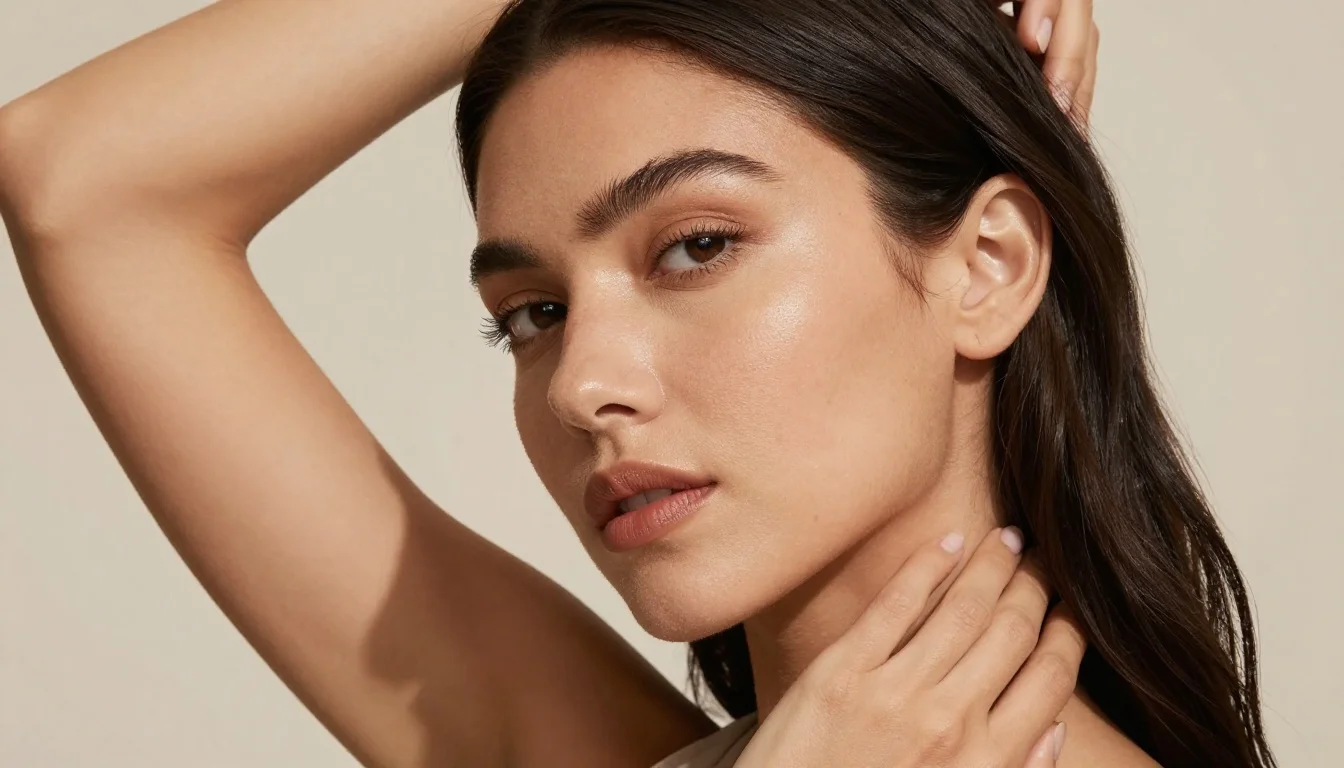
What colors look best on olive skin?
Olive skin looks most vivid and intentional in warm earth tones (terracotta, rust, warm olive, cognac), jewel tones with warm undertones (warm emerald, deep teal, rich burgundy), warm neutrals (ivory, cream, camel), and deep warm darks (chocolate brown, dark olive, forest green). The consistent thread: warmth. Colors with warm undertones complement the warm-neutral cast of olive skin; cool-toned colors create an undertone clash that looks sallow or flat.
Your Core Wardrobe Colors
Warm Earth Tones — The Natural Home Base
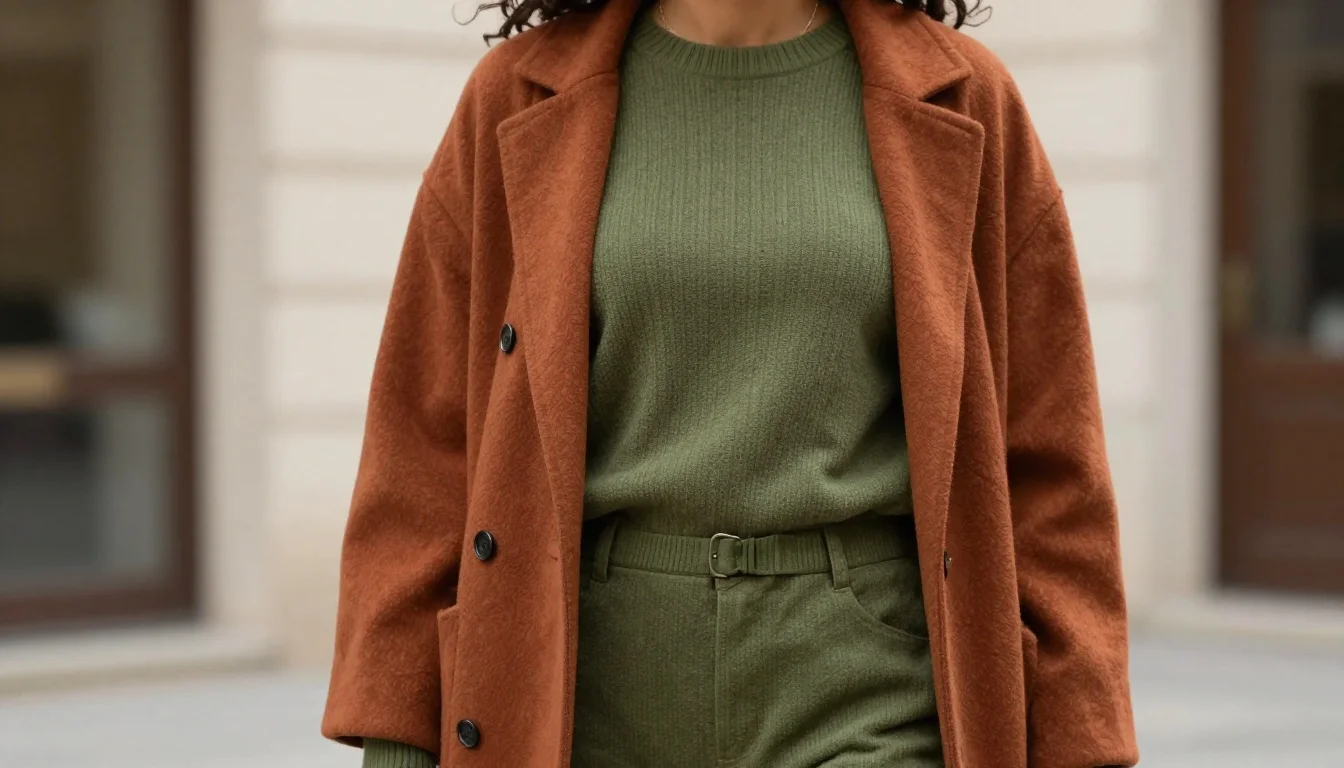
Earth tones with warm undertones share the warmth of olive skin and create an immediate sense of harmony and intentionality. Terracotta, rust, and warm olive all have green-orange warmth that echoes the olive undertone, making the skin look vivid and healthy rather than sallow. A terracotta linen blouse or rust wide-leg trousers against olive skin looks like it was specifically designed for this complexion. These are your most effortless pieces — the ones you can throw on without thinking.
Jewel Tones with Warm Cast — The Statement Pieces
Jewel tones with warm undertones are olive skin's high-impact statement zone. Warm emerald mirrors the green cast in olive skin in a way that creates harmony rather than clash — it's the color that olive skin was made for. Deep teal adds depth and warmth. Rich burgundy provides sophisticated contrast. Warm gold is your most effortless statement — gold clothing, gold jewelry, and warm amber accessories all resonate immediately with olive skin's natural warmth.
Warm Neutrals — The Versatile Foundation
Warm ivory and camel are olive skin's most effective neutral anchors — warmer and more flattering than grey, beige, or stark white. Warm ivory at the neckline creates a soft, clean backdrop that works with rather than against olive undertones. A camel blazer or warm stone trousers create a sophisticated foundation for any warm-toned outfit. Build your staples here: cream blouses, camel coats, warm ivory knitwear. These create the blank canvas that makes jewel tones and earth tones pop.
Deep Darks with Warmth
Deep, warm darks are olive skin's most sophisticated alternative to black — they have the same authority and visual depth with warmth that complements rather than fights the olive undertone. Chocolate brown creates an elegant, warm-tonal look. Dark olive makes the natural olive in the skin sing. Deep forest green against olive skin is one of the most visually striking outfit choices possible. These are investment pieces: a chocolate brown leather trench, a dark olive wool coat, forest green wide-leg trousers.

Ready to see terracotta & rust on your face?
Start my color analysisHow to Build Outfits for Olive Skin
The Earth Tone Outfit Formula
Build your most effortless outfits in the warm earth tone family. A rust linen blouse with warm olive wide-leg trousers and cognac sandals is a complete, intentional outfit that requires no additional work. Terracotta with camel, rust with warm ivory, warm olive with chocolate brown — these pairings have the same internal harmony as a monochrome outfit but with more visual interest. The warmth in each piece echoes the warmth in olive skin, making the whole look cohesive.
Jewel Tones as Your Statement Layer
Use one warm jewel tone as the statement piece and keep the rest of the outfit in your warm neutrals. A warm emerald silk blouse with camel trousers and cognac loafers is a polished, striking combination that makes olive skin look luminous. A deep teal blouse with warm ivory wide-legs and warm gold accessories. The formula: warm jewel tone at the neckline, warm neutrals below. Your skin provides the connecting warmth between the two.
Building Warm-Dark Authority
When you want a powerful, authoritative look, go to your warm darks rather than black. A chocolate brown blazer over a cream blouse with dark olive trousers is a warm, sophisticated power combination. A forest green wool coat over an entire warm-toned outfit adds depth and drama. Dark olive and chocolate brown are your olive skin's alternatives to black — they have the same visual weight with the warmth that actually complements your complexion.
Monochrome Warm Looks
Olive skin is one of the few complexion types that can wear head-to-toe earth tones without the look becoming heavy or muddy. A terracotta midi dress. An all-camel outfit (camel blazer, cream blouse, camel trousers). An all-warm-olive look. The warmth in olive skin provides the grounding that prevents these monochrome warm outfits from reading as too one-dimensional. This is your most effortless, most distinctive dressing style.
Colors That Work Against Olive Skin
Cool grey and cool silver
Cool grey is one of the worst colors for olive skin — it fights the warm-neutral undertone and can make olive skin look sallow or yellow-green. The cool tone of grey creates an undertone clash that neutralizes olive skin's natural warmth. Replace grey with warm stone, camel, or warm charcoal — you get the same neutral functionality with warmth that works with rather than against olive undertones.
Stark cool white
Cool white — particularly blue-white — can make olive skin look sallow in the same way cool grey does. Warm ivory and cream are almost always more flattering: they provide the clean base that white is meant to supply while harmonizing with the warm undertone of olive skin. If you want to wear white, choose the warmest possible version.
Cool pink and lavender without warmth
Cool, blue-adjacent pinks and cool lavenders clash with olive skin's warm undertone, creating a pink-versus-green undertone conflict. This reads as slightly unwell or clashing. If you love pink or lavender, choose warm versions: dusty mauve (which has brown warmth), warm blush (which has peach warmth), or muted lavender with grey warmth. These warm versions resolve the undertone conflict.
Neon yellow and yellow-green
Neon yellow and yellow-green sit too close to olive skin's own undertone — they blend in rather than contrast and can make the skin look yellow-green rather than warmly glowing. If you want warmth in this color family, choose a deeper, more saturated version: warm gold, muted olive, deep moss green. These have the warmth without the sallow proximity.
Stop guessing — preview every look on you
See these looks on my photoYour Wardrobe, Upgraded
Specific swaps that make olive skin look deliberate and luminous
Cool grey fights olive undertones and looks sallow. Camel and warm stone share the warmth of olive skin and look like they were made for this complexion.
Cool white clashes with olive undertones. Warm ivory harmonizes and creates the clean look white is meant to provide without the sallow effect.
Cool blues and purples clash with warm olive undertones. Warm emerald and deep teal complement the green cast in olive skin and look striking and intentional.
Cool denim with cool tops creates an all-cool look that drains olive warmth. Warm-toned bottoms or a warm-neutral top immediately restore the glow.
Cool grey and even black (without warmth) neutralize olive skin. Camel and chocolate brown frame the warmth of olive complexions beautifully on the commute and in photos.
Cool pink and lavender create an undertone conflict with olive skin. Warm emerald and deep burgundy complement olive undertones and look vivid and intentional for occasions.
Which Seasonal Palette Fits Olive Skin?
Olive skin spans several seasonal palettes depending on depth, contrast, and the specific direction of the warm undertone. Your seasonal palette refines these recommendations to the precise shades within each color family that work best for your specific olive complexion.
Warm Autumn
Learn moreLighter olive skin with warm golden undertones and medium contrast often fits Warm Autumn. Your palette is warm and earthy: terracotta, rust, camel, warm olive, cognac, dark teal. These are your most effortless colors — they harmonize with warm olive undertones in a way that looks completely natural.
Deep Autumn
Learn moreDeeper olive skin with rich warm undertones and higher contrast often fits Deep Autumn. Your palette is warm and rich: chocolate brown, dark tobacco, rich burgundy, deep forest green, warm teal. You can carry deeper, more saturated colors than Warm Autumn while staying in the warm direction.
Soft Autumn
Learn moreMedium olive skin with muted warmth and low overall contrast often fits Soft Autumn. Your palette is warm but softer: dusty teal, muted olive, warm taupe, soft rust, dusty rose with peach warmth. Very vivid or very dark colors can feel heavy — your strength is in warm, muted harmony.
Deep Winter
Learn moreOlive skin that leans more neutral-to-cool in undertone with high contrast and depth may fit Deep Winter. Your palette handles more vivid, cooler-direction jewel tones: vivid teal, deep cobalt, rich emerald, deep burgundy, warm charcoal. You sit between warm and cool olive expressions.
Find Your Exact Olive Skin Palette
These recommendations are built for olive skin as a starting point — but your exact palette depends on whether your olive skews warm, neutral, or deeper, and what your overall contrast level is. A personalized color analysis identifies your seasonal palette and maps it to the exact shades of terracotta, emerald, and camel that work best for your specific olive complexion.
Stop guessing — preview every color on you
Preview Yourself In Your Palette
Get my personalized paletteStop guessing — preview every color on you
Preview Yourself In Your Palette

Related Guides for Outfits for Olive Skin
Explore more personalized color advice based on your features.
Want to see these colors on you? What Colors Look Good on Me — free to try.
Frequently Asked Questions About Outfits for Olive Skin
What colors look best on olive skin?
Olive skin looks most vivid and intentional in warm earth tones (terracotta, rust, warm olive, cognac), jewel tones with warm undertones (warm emerald, deep teal, rich burgundy), warm neutrals (ivory, cream, camel), and deep warm darks (chocolate brown, dark olive, forest green). The consistent thread: warmth. Colors with warm undertones complement the warm-neutral cast of olive skin; cool-toned colors create an undertone clash that looks sallow or flat.
What colors should olive skin avoid?
Olive skin is best served by avoiding cool grey (undertone clash causes sallow effect), stark cool white (same issue as grey), cool pinks and lavenders without warmth (pink-versus-green undertone conflict), and neon yellow or yellow-green (sits too close to olive undertone, causing blending rather than contrast). The pattern: avoid colors that are either too cool or too similar in undertone to olive skin itself.
What is the best neutral for olive skin?
Camel is the single most effective neutral for olive skin — it shares the warmth of olive undertones and creates an immediate sense of harmony and sophistication. Warm ivory and cream work as neckline neutrals. Warm stone and warm charcoal provide darker neutral anchors. Avoid cool grey and stark beige — they fight olive warmth. Every neutral in your wardrobe should lean warm rather than cool or mid-tone.
Can olive skin wear green?
Yes — warm green is one of the best colors for olive skin. Warm emerald, forest green, and dark olive all complement the green-yellow cast in olive undertones in a way that creates harmony rather than color clash. The key is choosing warm greens (yellow-leaning) rather than cool greens (blue-leaning). A warm emerald silk blouse or dark olive wool coat on olive skin looks striking and intentional.
What jewelry metals work with olive skin?
Gold — particularly warm yellow-gold — is the most flattering metal for olive skin. It shares the warmth of olive undertones and creates resonance rather than contrast. Rose gold also works well. Silver can work on neutral or cooler-direction olive skin, but warm gold is the more natural choice. Avoid platinum and cool silver tones if your olive is distinctly warm — they create the same undertone conflict as cool grey clothing.