Outfit Ideas forNeutral Undertones
Neutral undertones are the most versatile skin type — you can wear both warm and cool colors. Discover how to build looks with shades that actually flatter you.
Neutral undertones are the chameleon of skin types — you sit between warm and cool, which means you can pull from both sides of the color spectrum. This guide helps you understand which colors make neutral undertones look most polished, and how to use your flexibility strategically rather than feeling overwhelmed by having too many options.


3,000+
happy clients
What Neutral Undertones Mean for Your Wardrobe
Neutral undertones are the chameleon of skin types — you sit between warm and cool, which means you can pull from both sides of the color spectrum. This guide helps you understand which colors make neutral undertones look most polished, and how to use your flexibility strategically rather than feeling overwhelmed by having too many options.
Neutral undertones have a mix of warm and cool tones in the skin — neither the golden warmth of warm undertones nor the pink or blue cast of cool undertones. This balance means you're less likely to clash with either warm or cool colors, but it also means you need to be more deliberate about which direction you want your outfits to lean.
Your flexibility is your biggest asset. Unlike warm undertones (who look washed out in cool, icy colors) or cool undertones (who look drained by very warm, yellow-heavy shades), you can access a wider range. The key is choosing colors with intention — when you pick a warm palette, lean fully warm; when you go cool, lean fully cool.
The colors that look best on neutral undertones tend to be those with a balanced quality of their own: true greens, balanced blues, medium warm earths, and soft neutrals. Colors that lean very far in one direction — very saturated warm yellows or very icy cool pastels — tend to look more flattering on undertones that match them. Your sweet spot is the colors in between.
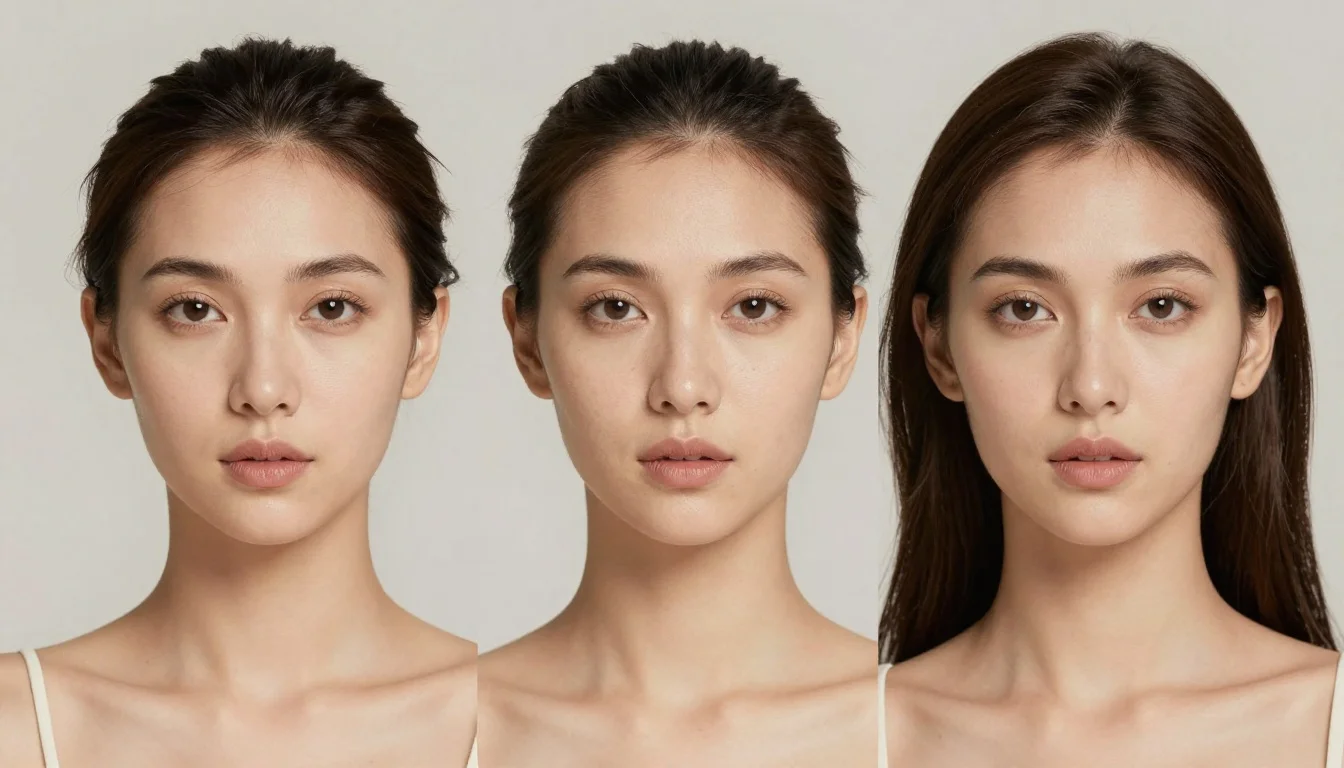
What colors look best on neutral undertones?
Balanced, medium-depth colors look best on neutral undertones: sage green, teal, medium blue, dusty lavender, terracotta, warm burgundy, and true white. These colors don't skew too warm or too cool, which suits the balanced quality of neutral skin. Extreme colors — very icy pastels or very warm yellows — tend to look better on undertones that match their temperature.
Your Most Flattering Outfit Colors
True Neutrals (Your Foundation)
True whites and balanced neutrals work well for neutral undertones because they don't skew the skin in either direction. True white (not too blue, not too yellow) looks clean and crisp. Warm ivory adds warmth without being overly golden. Soft grey with neither too much blue nor too much brown provides a sophisticated base. These are your core wardrobe neutrals — versatile and consistently flattering.
Balanced Greens & Teals (Your Natural Accent)
Greens and teals sit in the middle of the warm-cool spectrum, making them exceptionally flattering on neutral undertones. Sage green is particularly effective — its muted warmth complements the balanced quality of neutral skin. Medium teal creates a sophisticated contrast. These colors don't require you to commit to warm or cool, they simply look harmonious with balanced undertones.
Medium Blues & Warm Purples (Versatile Depth)
Medium blues and balanced purples are universally flattering on neutral undertones. Unlike icy blues (too cool) or cobalt (can lean very cool), medium blue creates depth without pulling the skin cool. Dusty lavender and periwinkle have enough warmth to suit the balanced quality of neutral undertones. These are your go-to elevated colors for outfits where you want visual interest.
Warm Earths & Balanced Reds (Your Bold Options)
Medium warm earths and balanced reds look polished on neutral undertones. Terracotta has enough warmth to be interesting without being overwhelming. Warm burgundy provides rich depth that works across seasons. Dusty rose is neutral enough to not skew too pink or too peach. Medium camel is your most versatile warm neutral. These provide options when you want warmth in your palette.

Ready to see white & ivory on your face?
Start my color analysisHow to Build Outfits Around Neutral Undertones
Use your flexibility strategically
Don't try to wear every color at once — your flexibility is best used by committing to a direction for each outfit. For a warm-leaning look: terracotta, camel, warm burgundy. For a cool-leaning look: medium blue, dusty lavender, grey. Mixing warm and cool colors randomly tends to look uncoordinated on any skin tone. Choose a direction and stay with it.
Build around balanced greens and teals
Sage green, teal, and forest green are the colours that work most consistently for neutral undertones because they sit between warm and cool. Make one of these your signature color. A sage green top pairs beautifully with camel, ivory, or medium grey bottoms — a combination that looks particularly polished on neutral undertones because everything has that balanced quality.
Use contrast rather than blending
Neutral undertones are versatile enough that color contrast looks intentional rather than jarring. Pair deep, rich colors (forest green, warm burgundy, navy) with your lighter neutrals (ivory, light grey). Monochrome looks in medium tones can look washed out on neutral undertones — contrast is your friend for a polished result.
Your best neutral anchor pieces
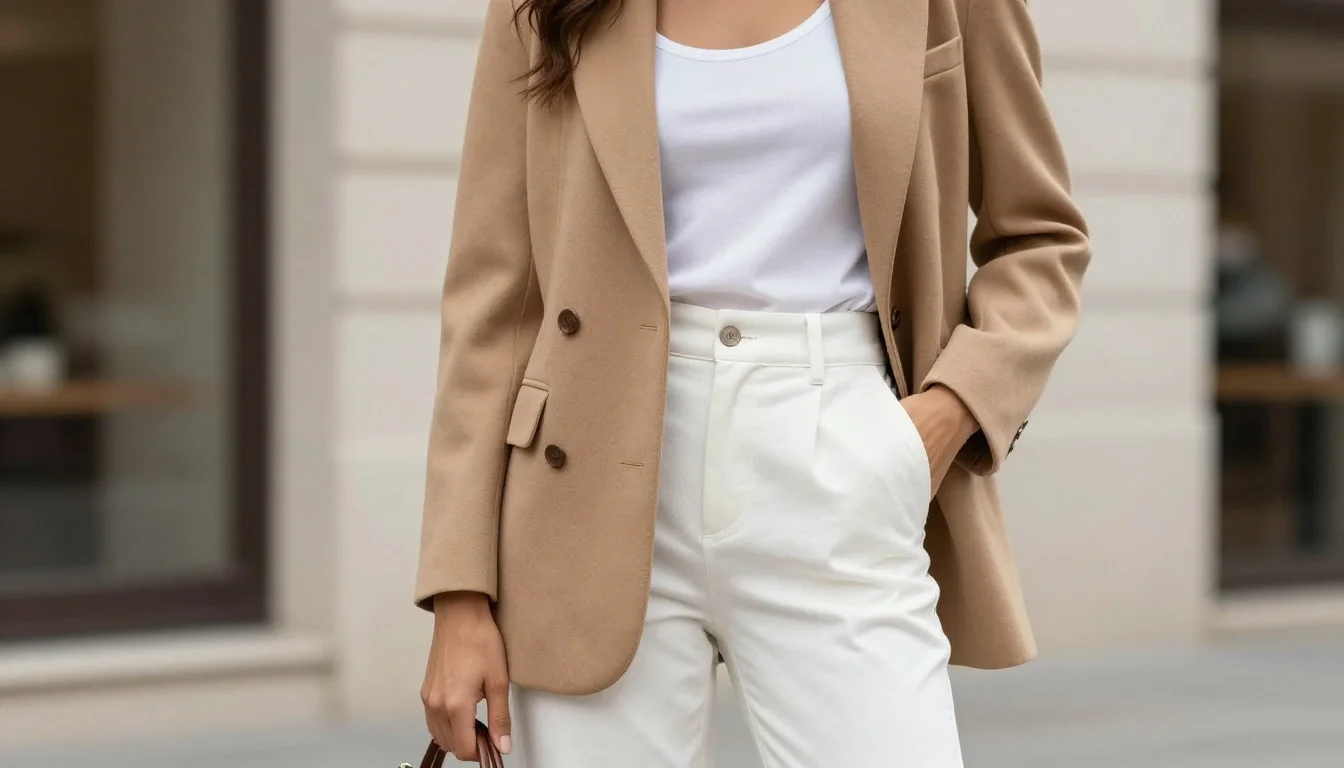
Build your capsule around true white (not too blue), warm ivory, medium taupe, and soft charcoal. These four neutrals all have the balanced quality that suits neutral undertones and pair with both warm and cool accent colors. Avoid cool grey-blue neutrals and very warm tan/khaki if they lean noticeably in one direction.
Colors That Work Against Neutral Undertones
Extreme neon or electric colors
Very saturated neons (electric lime, hot magenta, neon orange) overwhelm neutral undertones because the intensity creates a competition rather than a complement. Neutral undertones look best with colors that have some balance — the extremes of the color spectrum tend to make balanced skin look washed out or sallow in comparison.
Very icy cool pastels
Icy pastels — baby blue, ice pink, pale mint with a cool cast — can make neutral undertones look slightly sallow or grey. These colors work best on people with distinctly cool undertones. If you love pastels, choose those with a slight warmth or depth to them: dusty rose rather than baby pink, sage rather than ice green.
Very heavy mustard or golden yellow
Heavily yellow-leaning colors like mustard or golden yellow can bring out any yellow tones in neutral skin, creating an unflattering effect. These colors work best on people with clear warm undertones. If you love yellow, choose a purer, more balanced yellow or a slightly cooler lemon yellow.
Muted washed-out beiges matching skin tone
Beiges and light neutrals that exactly match your skin tone create a monochrome, low-contrast look that makes you appear washed out. Neutral undertones need some contrast to look defined. If you love beige and neutral tones, choose those that are noticeably lighter or darker than your skin, or pair them with a contrasting color element.
Stop guessing — preview every look on you
See these looks on my photoOutfit Color Swaps for Neutral Undertones
Trade colors that flatten balanced undertones for shades that enhance them.
Icy pastels can make neutral skin look grey. Medium blue with more depth enhances without overpowering.
Heavy mustard brings out sallow tones in neutral skin. A balanced yellow or sage sits harmoniously.
Neon overwhelms neutral undertones. Terracotta provides warmth with a sophistication that suits balanced skin.
Same-tone beige creates a washed-out blend. Ivory and camel provide contrast while staying warm and neutral.
Very pale icy tones wash out neutral undertones. Dusty versions have depth that creates a more flattering look.
Electric blue leans very cool. Teal and forest green are balanced colors that sit naturally with neutral undertones.
Which Palette Might Be Yours?
Neutral undertones appear across multiple seasonal palettes — the specific combination of your hair color, eye color, and skin depth narrows down your season.
Soft Summer
Learn moreNeutral-to-cool undertones with muted, soft coloring overall. Your palette is dusty and sophisticated: muted teal, soft raspberry, dusty lavender, warm grey. Colors with a quiet, blended quality.
Soft Autumn
Learn moreNeutral-to-warm undertones with muted, earthy coloring. Your palette is warm and grounded: dusty terracotta, soft camel, warm mauve, muted olive. Rich without being bright.
True Summer
Learn moreNeutral-cool undertones with cool, muted features. Your palette is cool and elegant: cool rose, dusty blue, soft plum, muted periwinkle. Sophisticated and balanced.
Find Your Exact Colors
Neutral undertones span several seasonal palettes — knowing that you're neutral is just the beginning. A color analysis identifies your exact season (Soft Summer, Soft Autumn, True Spring, etc.), giving you a precise palette of the specific shades, depths, and saturations that make your unique combination of features look most alive. Stop guessing from a general range and discover your exact colors.
Stop guessing — preview every color on you
Preview Yourself In Your Palette
Get my personalized paletteStop guessing — preview every color on you
Preview Yourself In Your Palette

Related Guides for Outfit Ideas for Neutral Undertones
Explore more personalized color advice based on your features.
Want to see these colors on you? Skin Undertone Test — free to try.
Frequently Asked Questions About Outfit Ideas for Neutral Undertones
What colors look best on neutral undertones?
Balanced, medium-depth colors look best on neutral undertones: sage green, teal, medium blue, dusty lavender, terracotta, warm burgundy, and true white. These colors don't skew too warm or too cool, which suits the balanced quality of neutral skin. Extreme colors — very icy pastels or very warm yellows — tend to look better on undertones that match their temperature.
Can neutral undertones wear both warm and cool colors?
Yes — neutral undertones can wear both warm and cool colors, which is your biggest style advantage. However, the best results come from committing to one direction per outfit rather than mixing warm and cool randomly. Choose colors that are balanced or moderate in their warmth or coolness, rather than extreme versions of either.
How do I know if I have neutral undertones?
Neutral undertones tend to show characteristics of both warm and cool undertones. Look at your wrist veins — if they appear both blue-purple and green, you may be neutral. You likely look good in both silver and gold jewelry. Neither very warm colors nor very cool colors look clearly wrong on you. A color analysis can confirm your exact undertone.
What is the best neutral for neutral undertones?
True white (balanced, not too blue or too yellow), warm ivory, soft medium taupe, and charcoal with a slight warmth all work well as neutrals for neutral undertones. Avoid very cool blue-grey neutrals and very warm tan/khaki that skews noticeably in one direction.
What colors should neutral undertones avoid?
Neutral undertones should avoid extreme versions of any color: very icy, blue-cast pastels, very heavy mustard or golden yellow, neon saturated colors, and beiges that match the skin tone exactly (creating a washed-out blend). The pattern: colors that sit at the extremes of warm or cool tend to work better on undertones that clearly match those extremes.
What season am I if I have neutral undertones?
Neutral undertones appear in several seasons: Soft Summer (neutral-cool), Soft Autumn (neutral-warm), True Spring (neutral-warm with brightness), and occasionally True Summer or Warm Spring. Your season depends not just on your undertone but also on your overall contrast level, hair color, and whether your coloring leans slightly warm or slightly cool. A color analysis will identify your exact season.