Best Dress Colors forOlive Skin
Discover the most flattering dress colors for olive skin. Discover how to find the colors that actually flatter your coloring.
Olive skin has a warm, golden-green undertone that interacts with color in a uniquely beautiful way. The right dress shade turns that natural warmth into your greatest asset — making your complexion look luminous and your eyes pop. The wrong shade, on the other hand, can pull out the yellow or gray in your skin and leave you looking washed out. This guide breaks down exactly which dress colors work with olive skin — and which ones to leave on the rack.


3,000+
happy clients
Why Your Olive Undertone Changes Everything
Olive skin has a warm, golden-green undertone that interacts with color in a uniquely beautiful way. The right dress shade turns that natural warmth into your greatest asset — making your complexion look luminous and your eyes pop. The wrong shade, on the other hand, can pull out the yellow or gray in your skin and leave you looking washed out. This guide breaks down exactly which dress colors work with olive skin — and which ones to leave on the rack.
Olive skin sits at the intersection of warm and neutral. Your skin contains a mix of yellow, golden, and sometimes greenish pigments, giving you that coveted sun-kissed base even in winter. Because of this, you have more flexibility than most skin tones — but that flexibility can also mean it's easy to choose colors that accidentally amplify the yellow or green rather than the golden warmth.
Colors work through contrast and harmony. Deep, rich shades create stunning contrast against olive skin, making your complexion look more vivid and dimensional. Warm earth tones harmonize with your natural warmth, creating a cohesive, polished look. Certain jewel tones sit beautifully against olive skin because they share the same richness and depth.
The colors to approach with caution are those that mirror your undertone rather than complement it — pale yellows, certain greens, and washed-out pastels can make olive skin look sallow rather than glowing. Understanding this distinction is the key to building a dress wardrobe that always looks intentional.
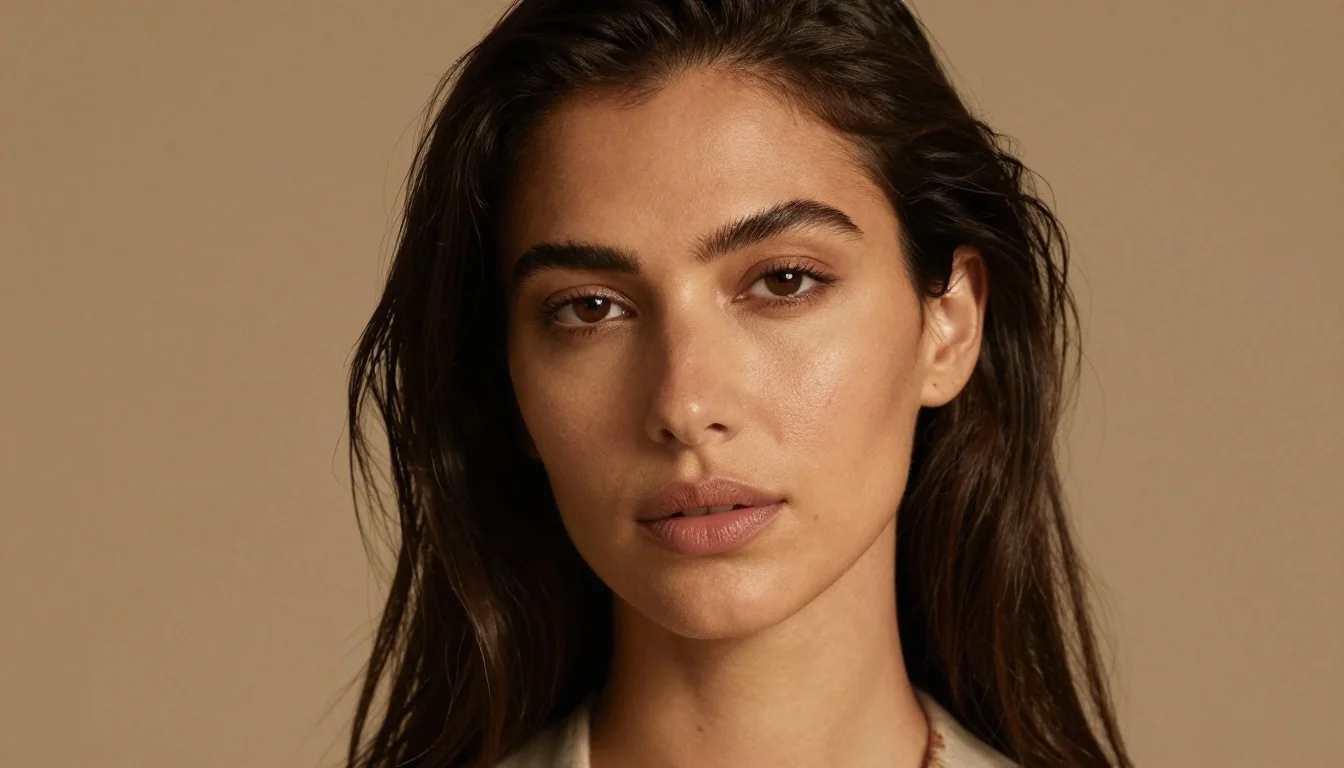
What color dress looks best on olive skin?
Rich, warm colors look best on olive skin. Deep burgundy, terracotta, forest green, rich plum, and warm gold all create stunning contrast with the warm, golden undertones of olive skin. Earth tones harmonize naturally, while deep jewel tones provide dramatic contrast. Avoid pale yellow, ashy gray, and stark white, which can make olive skin appear sallow.
Your Most Flattering Dress Colors
Everyday Dress Colors
These warm earth tones harmonize with your natural undertone, making casual day dresses feel effortlessly chic. Terracotta and camel bring out the golden warmth in your skin without fighting it, while deep olive green adds rich contrast. Great for wrap dresses, shirt dresses, and casual midi styles.
Work and Smart Dress Colors
For office and smart-casual settings, these deeper shades give you polished authority while making olive skin look incredibly healthy. Burgundy is especially powerful — it creates rich contrast without the harshness of black. Forest green harmonizes with your undertones for a sophisticated, put-together look.
Evening and Occasion Dress Colors
For cocktail and evening dresses, these jewel tones and warm metallics let olive skin truly shine. Emerald and plum create bold, high-contrast looks that photograph beautifully. Burnt orange is a showstopper on olive skin — the warmth aligns perfectly. Gold metallics turn the natural golden undertone into full glamour.
Statement Dress Colors
When you want to make an entrance, these bold shades deliver maximum impact on olive skin. Coral and saffron amplify your warmth beautifully. Cobalt blue creates a striking complementary contrast. Deep magenta adds drama. These work best in structured silhouettes that let the color be the star.

Ready to see camel & terracotta on your face?
Start my color analysisChoosing Dresses by Occasion
Casual Day Dresses
For everyday wear, lean into relaxed earth tones: terracotta wrap dresses, camel shirt dresses, and warm rust-colored sundresses all work brilliantly. Natural fabrics like linen and cotton in these shades look especially beautiful against olive skin, as the texture adds visual depth that complements your complexion.
Professional and Work Dresses
In professional settings, opt for deep, structured colors: burgundy sheath dresses, forest green midi dresses, and chocolate brown wrap dresses project both confidence and elegance. These rich shades give you a polished authority that bright or pale colors cannot match. Pair with gold-toned accessories to tie in your warm undertone.
Evening and Cocktail Dresses
For evening wear, embrace the drama your olive skin can carry. Deep emerald, rich plum, and warm gold metallics are exceptional choices. An emerald or plum dress in a satin or velvet fabric amplifies the luxurious contrast between the jewel tone and your warm complexion. Burnt orange and coral in silk or charmeuse work as stunning cocktail options.
Prints and Patterns
When choosing printed dresses, make sure the dominant color is one of your flattering shades. Earthy florals with terracotta, rust, and deep green tones are ideal. Animal prints — especially leopard and snake print — are universally flattering on olive skin due to their warm, earthy tones. Avoid prints with large areas of pale yellow or icy tones as the dominant color.
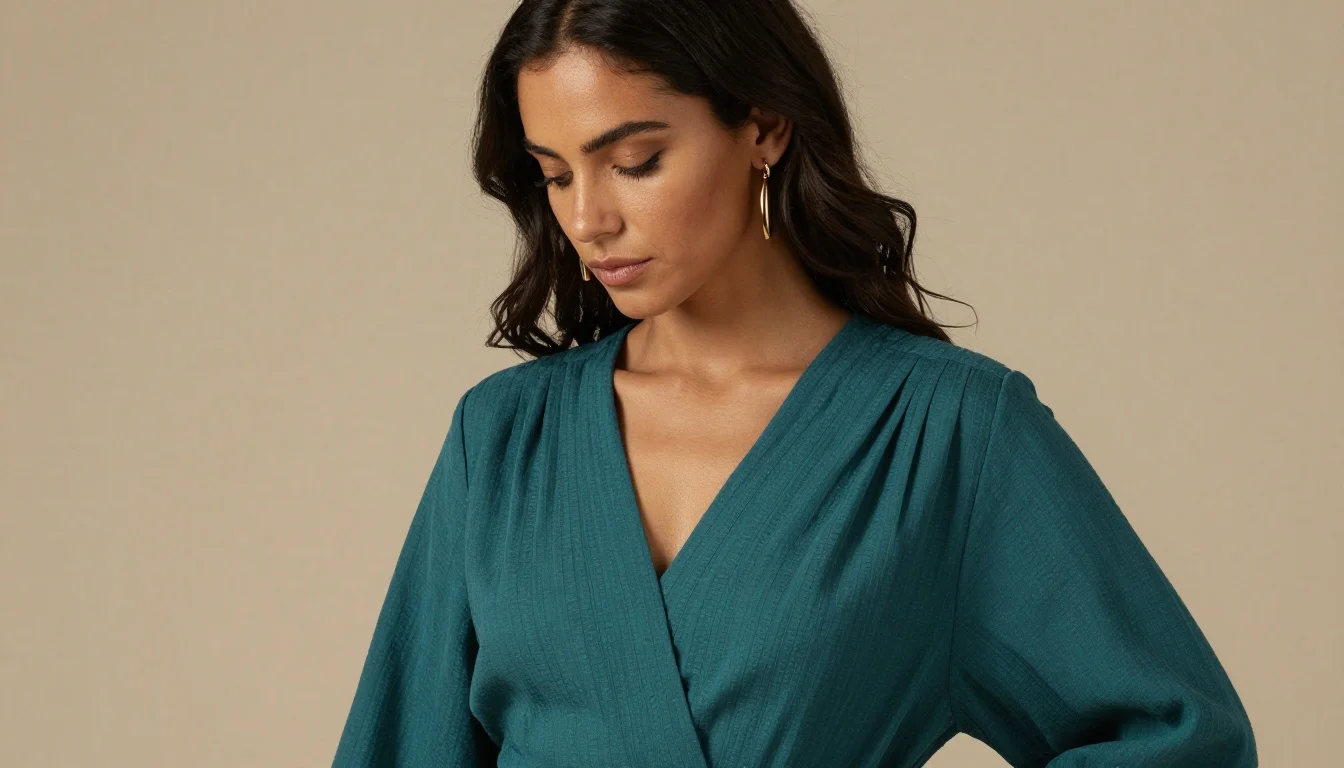
Dress Colors That Can Work Against You
Pale Lemon Yellow
Light yellow mirrors the yellow undertones in olive skin rather than complementing them, often creating a sallow, slightly jaundiced effect. Deep mustard or golden yellow, however, works beautifully.
Ashy Light Gray
Cool, chalky gray tones clash with the warmth of olive skin and can make your complexion look dull and muddy. Opt for warm greige or deeper charcoal instead.
Stark Icy White
Pure bright white can create harsh contrast that makes yellow undertones more visible. Warm ivory, cream, or off-white are far more flattering choices that still give you a fresh, clean look.
Neon or Lime Green
Bright lime and neon greens can bring out the green cast in olive skin rather than the golden warmth. Rich forest green or deep emerald deliver the green payoff without the clash.
Stop guessing — preview every look on you
See these looks on my photoDress Color Swaps for Olive Skin
Small changes, dramatically more flattering results. Here is what to reach for instead.
Both create strong contrast like black, but add warmth that makes olive skin glow rather than looking stark.
Ivory and cream harmonize with your warm undertones instead of highlighting yellow, giving you the fresh look without the clash.
Earthy florals work with your undertone, while cool pastels fight your natural warmth and can make skin look sallow.
Gold metallics align with the golden warmth of olive skin for a seamless, radiant effect. Silver can look too cool and stark.
Deep greens create sophisticated contrast against olive skin, while pale neutrals can wash out your complexion in professional lighting.
Coral and saffron amplify the golden tones in olive skin, creating a high-impact look that is warm and inviting rather than clashing.
Which Palette Might Be Yours?
Olive skin most commonly falls into the Autumn color families, though Deep Winter is also possible. Your seasonal palette determines the exact shade depth and warmth level that suits you best.
Soft Autumn
Learn moreIf your olive skin is medium-depth with softer, more muted coloring overall, Soft Autumn palettes — with dusty terracottas, warm taupes, and muted rusts — will feel effortlessly natural on you.
Deep Autumn
Learn moreIf you have deeper olive skin with dark eyes and dark hair, Deep Autumn palettes deliver the rich, warm intensity that complements your coloring best — think deep bordeaux, burnt sienna, and forest green.
Deep Winter
Learn moreOlive-skinned individuals with very dark hair and cool or neutral undertones may find Deep Winter palettes — deep jewel tones and rich, saturated colors — equally stunning.
Find Your Exact Colors
Knowing your skin undertone is just the starting point. A full color analysis reveals your precise seasonal palette — so you know not just which dress colors flatter olive skin generally, but which specific shades, depths, and saturation levels are uniquely perfect for you. Upload a photo and let Palette Hunt map your personal color palette.
Stop guessing — preview every color on you
Preview Yourself In Your Palette
Get my personalized paletteStop guessing — preview every color on you
Preview Yourself In Your Palette

Related Guides for Best Dress Colors for Olive Skin
Explore more personalized color advice based on your features.
Want to see these colors on you? What Colors Look Good on Me — free to try.
Frequently Asked Questions About Best Dress Colors for Olive Skin
What color dress looks best on olive skin?
Rich, warm colors look best on olive skin. Deep burgundy, terracotta, forest green, rich plum, and warm gold all create stunning contrast with the warm, golden undertones of olive skin. Earth tones harmonize naturally, while deep jewel tones provide dramatic contrast. Avoid pale yellow, ashy gray, and stark white, which can make olive skin appear sallow.
Can olive skin wear white dresses?
Yes, but the key is choosing warm white. Opt for ivory, cream, or warm off-white rather than stark, bright white. Warm whites harmonize with the golden undertone of olive skin and look fresh and elegant. Icy or bright white can emphasize yellow undertones and create harsh contrast that does not flatter.
What color dress should I wear to a wedding with olive skin?
For a wedding guest dress with olive skin, deep emerald green, rich burgundy, warm gold, or coral are all excellent choices. These colors photograph beautifully and make olive complexions glow in different lighting. If the wedding is more formal, deep plum or emerald in a satin or chiffon fabric are elegant options. For daytime outdoor weddings, terracotta or warm coral midi dresses are stunning.
What color dress makes olive skin look darker?
Light, pale colors — particularly ivory, light beige, blush, and pastels — create contrast that makes olive skin appear darker by comparison. If you want to enhance the depth of your tan, wearing lighter dresses will emphasize your coloring. Conversely, deep jewel tones blend more harmoniously with the depth of olive skin.
Is black flattering on olive skin?
Black is generally fine on olive skin and works for most occasions, but it is not the most flattering choice available. Deep burgundy, chocolate brown, and forest green provide similar strong contrast while adding warmth that truly makes olive skin radiate. Black can sometimes look stark against olive undertones. If you love the versatility of black, try pairing it with warm gold jewelry to add warmth back.
What color evening dress is best for olive skin?
For evening and cocktail dresses, deep emerald, rich plum, burnt orange, and warm gold metallics are the most striking choices for olive skin. These shades create beautiful contrast in evening lighting and photograph exceptionally well. Warm bronze and copper metallics are also stunning alternatives to the typical gold or silver, as they directly mirror the golden warmth of olive complexions.