Best Dress Colors forPale Skin
Find the most flattering dress colors for pale skin. Discover how to find the colors that actually flatter your coloring.
Pale skin is one of the most versatile canvases in fashion — it can carry colors that would overwhelm other complexions, and it creates striking contrast with deep, vibrant shades. But the wrong dress color can wash you out completely, making you disappear into the fabric. This guide shows you exactly which dress colors make pale skin look healthy, radiant, and intentional — and which ones to avoid.


3,000+
happy clients
Why Pale Skin Responds So Strongly to Color
Pale skin is one of the most versatile canvases in fashion — it can carry colors that would overwhelm other complexions, and it creates striking contrast with deep, vibrant shades. But the wrong dress color can wash you out completely, making you disappear into the fabric. This guide shows you exactly which dress colors make pale skin look healthy, radiant, and intentional — and which ones to avoid.
Pale skin has lower melanin concentration, which means the color you wear has a much more dramatic effect on how your complexion reads. A deep jewel tone creates beautiful, high-contrast drama against fair skin. A muted, washed-out color at the same depth as your skin creates no contrast at all, making you look tired or unwell. Understanding contrast is everything.
Your undertone within pale skin matters enormously. Fair skin can be cool (pink or bluish undertone), warm (peachy or golden), or neutral. Cool pale skin — often with blue or green veins visible at the wrist — will respond differently to colors than warm pale skin with peach or yellow undertones. Knowing your undertone helps you choose between the versions of each color family that work best.
The common mistake is thinking pale skin should stick to soft, light colors to "match." The opposite is usually true: bold, saturated colors and deep contrasting shades tend to make pale skin look most vibrant. The key is avoiding both extremes — colors so light they blend with your skin, and colors so harsh they make your complexion look red or sallow.
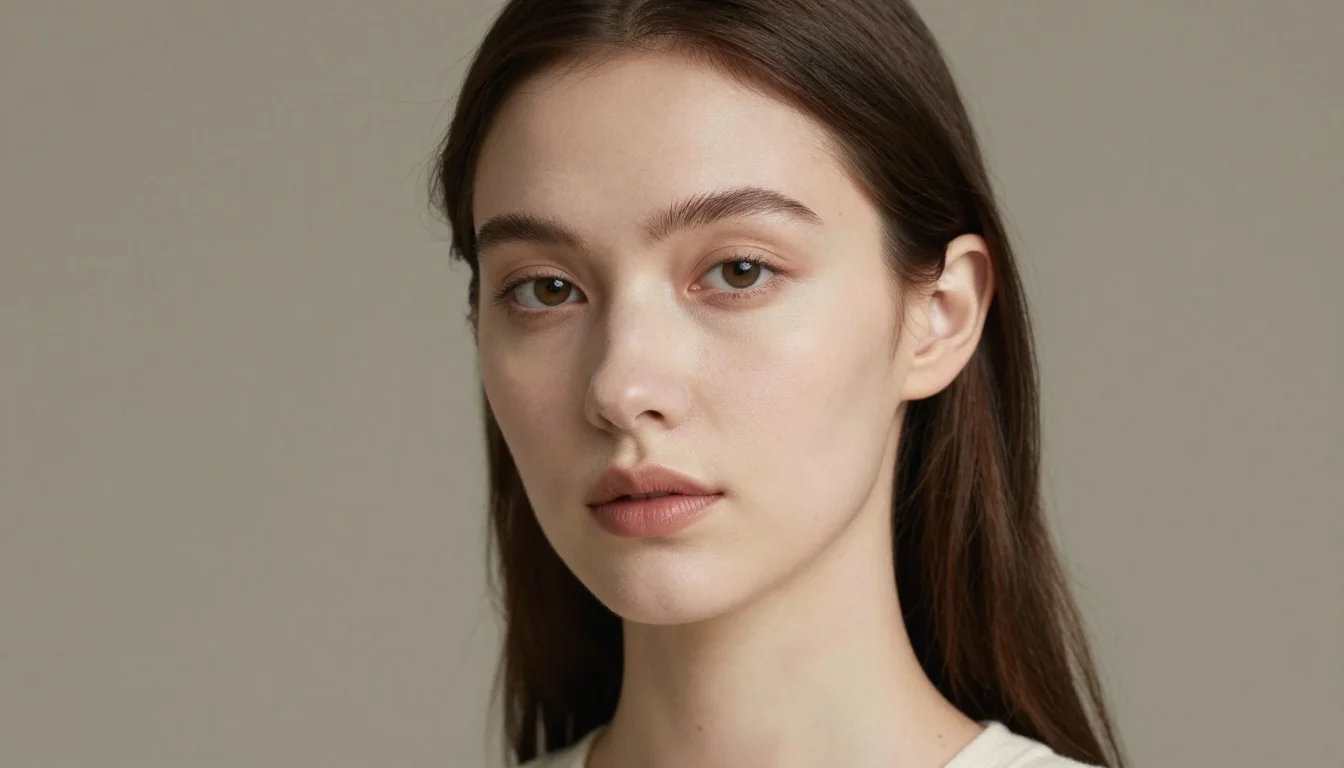
What color dress looks best on pale skin?
Deep jewel tones look stunning on pale skin because they create high contrast that makes fair complexions look luminous and porcelain-beautiful. Sapphire blue, emerald green, ruby red, and deep plum are all exceptional choices. Navy is the most versatile everyday option. Avoid colors that are very close to your skin tone — pale beige, sand, and washed-out pastels — as these create no contrast and wash out fair complexions.
Your Most Flattering Dress Colors
Everyday Dress Colors
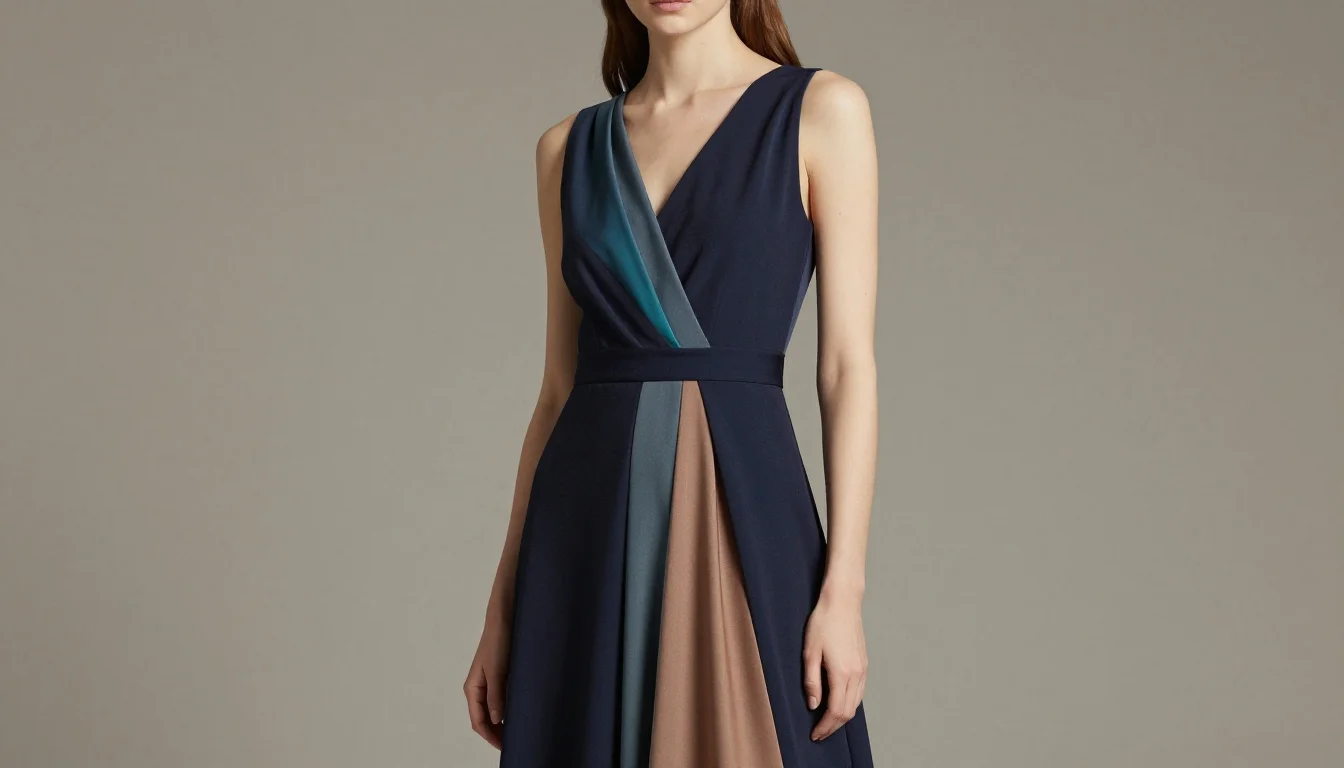
These soft-to-medium tones add color and life to pale skin without overwhelming it. Navy is a particularly safe and flattering everyday choice — it creates beautiful contrast without the starkness of black. Berry rose and dusty blue add gentle color that complements pink and peachy pale undertones beautifully for casual day dresses.
Work and Smart Dress Colors
For professional settings, these medium-to-deep tones create polished, confident contrast against pale skin. Deep navy and plum are particularly elegant office choices. True red is a bold but classic work dress color that makes pale skin look vital and energetic rather than washed out.
Evening and Occasion Dress Colors
For cocktail and evening dresses, pale skin carries deep jewel tones magnificently. Sapphire, emerald, and ruby create the kind of high-contrast drama that looks stunning in evening lighting and photographs beautifully. These saturated, deep tones make fair complexions look porcelain-perfect — elegant and striking.
Statement Dress Colors
Pale skin can carry bold, saturated colors that might overwhelm warmer or darker complexions. Cobalt blue, vivid fuchsia, and classic red create showstopping contrast. Deep violet is especially dramatic against very fair skin. Choose structured silhouettes that let the color speak boldly.

Ready to see navy & berry rose on your face?
Start my color analysisChoosing Dresses by Occasion
Casual Day Dresses
For everyday wear, medium-toned colors work best — they add life to pale skin without being too dramatic for casual settings. Navy, berry, dusty blue, and soft rose are all versatile everyday choices. Printed dresses with navy or burgundy as the dominant color are particularly flattering. Avoid prints with very light or washed-out backgrounds that match your skin tone.
Professional and Work Dresses
In professional settings, deep rich colors project authority while making pale skin look healthy and intentional. Deep navy sheath dresses, plum midi dresses, and true red wrap dresses are all excellent work choices. These shades create polished contrast and look particularly elegant under office lighting. Pair with silver or pearl jewelry for cool pale skin, or gold for warm pale skin.
Evening and Cocktail Dresses
Evening wear is where pale skin truly excels. Deep jewel tones — sapphire blue, emerald green, and ruby red — against very fair skin create the kind of dramatic, porcelain-doll elegance that is genuinely striking. Satin and velvet fabrics in these deep shades amplify the effect. Black is also a classic and flattering choice for evening, though jewel tones tend to be more memorable.
Prints and Patterns
When choosing printed dresses, the background and dominant color matter most. Floral dresses with navy, deep red, or plum as the base color are flattering and versatile. Avoid large-scale prints where very pale or neutral tones dominate, as these blend into your skin. Black and white prints create clean, graphic contrast that works well on pale skin. Classic stripes in navy or red are always flattering.
Dress Colors That Can Wash You Out
Pale Beige or Sand
Beige and sand tones sit too close to the color of pale skin, creating no contrast and making the complexion look washed out and formless. If you love neutrals, opt for warm ivory or deep camel instead.
Washed-Out Pastels
Very light, desaturated pastels — particularly pale yellow, icy lavender, and mint — blend into pale skin rather than complementing it. Deeper, more saturated versions of these colors work much better.
Orange-Based Tones
Warm orange and red-orange shades can make cool pale skin look flushed and overly pink. If you have warm pale skin with peachy undertones, a muted terracotta can work, but true orange tends to clash.
Chartreuse or Yellow-Green
These complex yellow-green tones often create an unflattering sallow or sickly effect against pale skin by reflecting back onto the complexion. Deep forest or emerald greens work beautifully instead.
Stop guessing — preview every look on you
See these looks on my photoDress Color Swaps for Pale Skin
Simple substitutions that make a dramatic difference in how your complexion looks.
Navy creates the contrast pale skin needs to look healthy and defined, while beige blends into fair complexions and disappears.
Blue creates beautiful contrast against pale skin, while pale yellow often makes fair complexions look yellowish or sallow in summer light.
Dark-background florals create the contrast pale skin needs, while pale backgrounds make fair complexions look washed out and undefined.
Jewel tones create dramatic, porcelain contrast against pale skin. Champagne and blush tend to blend into very fair complexions at evening events.
Deep colors give pale skin vitality and professionalism under office lighting. Light neutrals at the same depth as fair skin can look unintentionally washed out.
Cool-toned reds and pinks complement the undertone of pale skin more naturally than orange-based tones, which can make fair complexions look flushed.
Which Palette Might Be Yours?
Pale skin spans several seasonal palettes. Your specific undertone — cool, warm, or neutral — determines which seasonal family you belong to and refines the exact shades that suit you best.
Light Summer
Learn moreIf your pale skin has cool or neutral undertones and you have light hair and eyes, Light Summer is likely your palette. Your best colors are soft, cool, and muted — think dusty rose, soft lavender, and powder blue rather than bright or deep shades.
Light Spring
Learn moreIf your pale skin has warm or peachy undertones and you have light golden or strawberry-blonde hair, Light Spring palettes deliver your best colors — warm, light, and clear. Think peach, warm coral, and golden yellow in softer tones.
Cool Winter
Learn moreVery pale skin with distinctly cool, bluish undertones and dark or contrasting hair may belong to Cool Winter — where the deep, cool jewel tones and true red create the most stunning effects.
Find Your Exact Colors
Pale skin can range from Light Spring to Cool Winter depending on your undertone and contrast level. A professional color analysis pinpoints your precise seasonal palette so you know exactly which dress colors will always make you look radiant. Upload a photo to Palette Hunt and discover your personal color blueprint.
Stop guessing — preview every color on you
Preview Yourself In Your Palette
Get my personalized paletteStop guessing — preview every color on you
Preview Yourself In Your Palette

Related Guides for Best Dress Colors for Pale Skin
Explore more personalized color advice based on your features.
Want to see these colors on you? What Colors Look Good on Me — free to try.
Frequently Asked Questions About Best Dress Colors for Pale Skin
What color dress looks best on pale skin?
Deep jewel tones look stunning on pale skin because they create high contrast that makes fair complexions look luminous and porcelain-beautiful. Sapphire blue, emerald green, ruby red, and deep plum are all exceptional choices. Navy is the most versatile everyday option. Avoid colors that are very close to your skin tone — pale beige, sand, and washed-out pastels — as these create no contrast and wash out fair complexions.
Can pale skin wear white dresses?
White dresses can work on pale skin but require care. Bright, stark white can sometimes blend into very fair complexions or create a stark, flat appearance. Bright white works best on pale skin with clear contrast elsewhere — for example, very dark hair or bold brows. If your overall coloring is light, opt for bright white as an accent rather than a full dress, or choose off-white, ivory, or cream, which tend to be more flattering.
What color dress should I wear to a wedding with pale skin?
For a wedding with pale skin, deep sapphire blue, emerald green, rich plum, or true navy are all stunning and occasion-appropriate. These create beautiful contrast against a fair complexion in photos. For daytime weddings, dusty rose or soft periwinkle are more relaxed options that still flatter. Avoid champagne, pale gold, and blush, as these can blend into pale complexions under bright lighting or in photos.
Does red look good on pale skin?
Yes — true red and deep ruby red are generally very flattering on pale skin because they create strong contrast. The specific red matters though: blue-based reds (like raspberry or cherry) work best on cool pale skin, while warm reds (like scarlet) work better on pale skin with peachy or golden undertones. Orange-red or tomato red can make very fair complexions look flushed, so it is worth trying before buying.
What color dress makes pale skin look tanned?
Warm, earthy tones create the illusion of a sun-kissed glow on pale skin by providing warm contrast. Terracotta, warm rust, deep coral, and golden yellow can give the impression of a tan by making your skin look warmer by comparison. However, these work best on pale skin with warm (peachy or golden) undertones. If your pale skin is cool-toned, stick to jewel tones for the best effect.
What color evening dress is best for pale skin?
For evening and cocktail dresses, pale skin absolutely shines in deep jewel tones. Deep sapphire blue, emerald green, ruby red, and midnight plum all create the kind of high-contrast elegance that is perfect for evening events. Black is also a timeless and flattering choice for evening. The combination of very fair skin and a deep, richly colored gown has a timeless, porcelain-like elegance that is hard to achieve with any other skin tone.