Classic Style Colorsfor Olive Skin
Olive skin has a yellow-green undertone that reshapes which classic colors truly flatter. Discover which shades flatter you most — and which to skip.
Olive skin has a distinctive yellow-green undertone — more complex than purely warm or purely cool skin, and more nuanced in what it finds flattering. Classic style's standard palette of navy, white, grey, and camel works for many complexions, but olive skin has specific sweet spots and specific pitfalls within that range. The good news: many of the richest, most sophisticated classic colors — deep olive, warm burgundy, rich forest green, and earthy brown — are both timeless staples and uniquely well-suited to olive complexions.


3,000+
happy clients
Why Olive Skin Changes Your Classic Color Choices
Olive skin has a distinctive yellow-green undertone — more complex than purely warm or purely cool skin, and more nuanced in what it finds flattering. Classic style's standard palette of navy, white, grey, and camel works for many complexions, but olive skin has specific sweet spots and specific pitfalls within that range. The good news: many of the richest, most sophisticated classic colors — deep olive, warm burgundy, rich forest green, and earthy brown — are both timeless staples and uniquely well-suited to olive complexions.
Olive skin contains a combination of warm and neutral undertones with a distinctly green or yellow-green cast that's different from purely warm (golden-peachy) or purely cool (pink-blue) undertones. This complexity is what makes olive skin look so naturally rich and year-round — but it also means the standard color advice for warm or cool skin doesn't quite fit.
In classic style terms, olive skin tends to be most flattered by colors that have depth, warmth, and earthiness. The bright, cold side of the classic palette — stark white, icy grey, cool pastels — can flatten or gray out olive skin. The warm, earthy, and deep side of classic — rich camel, warm olive green, deep burgundy, forest green, warm chocolate — actively enhances the natural richness of the complexion.
Olive skin also has one major advantage in classic dressing: it handles the depth and richness of classic anchor colors without being overwhelmed. A deep burgundy suit, a rich forest green coat, or a warm chocolate blazer all look sophisticated and grounded on olive skin — the natural warmth of the complexion gives these deep colors something to work with.
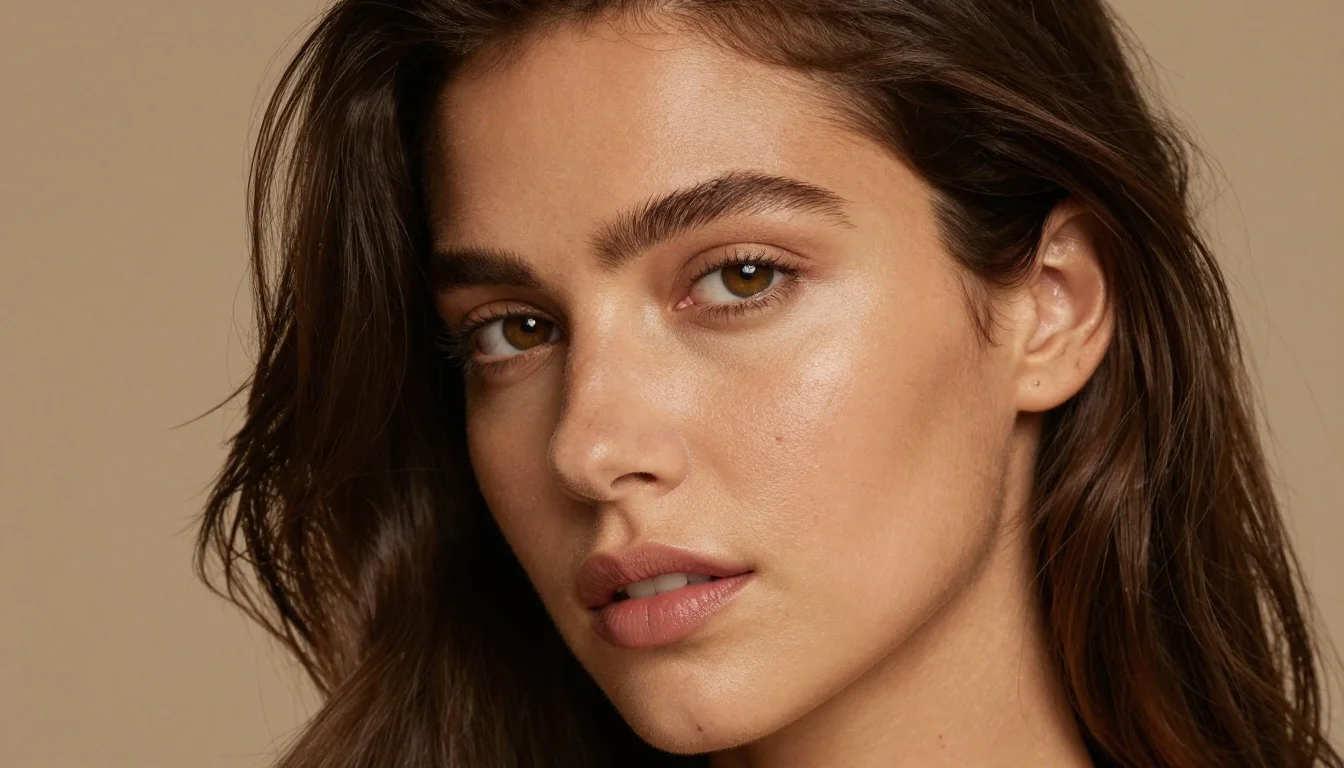
What classic colors suit olive skin?
Olive skin is best served by the earthy, warm side of the classic palette: camel, warm chocolate, forest green, olive green, deep burgundy, warm wine, warm ivory, and deep teal. These colors complement the yellow-green undertone in olive skin rather than clashing with it. Classic neutrals like warm charcoal and camel work better than cool ash grey or stark white.
Your Classic Color Palette for Olive Skin
Earthy and Warm Neutrals
The warm, earthy neutrals that are quintessentially classic are also naturally flattering for olive skin. Camel, in particular, harmonizes beautifully with olive's yellow-green base — the golden-brown quality of camel echoes and enhances the natural warmth in the complexion. Warm chocolate and rich tan create the same harmonious effect with depth. These are both classic cornerstones and among the most flattering colors you own.
Deep Olive, Forest, and Khaki Green
Colors in the olive and forest green family have a particular resonance with olive skin — they echo the green undertone in the complexion while adding depth. This tonal harmony creates a sophisticated, grounded look rather than a 'matchy' one. In classic style, olive green and khaki are legitimate neutrals — military-inspired and architectural. Forest green is a rich, jewel-toned alternative for more formal classic dressing.
Deep Burgundy and Warm Wine
Burgundy and deep wine are the red-family colors that work best for olive skin in a classic context. Their warmth and depth complement the olive complexion rather than clashing with it, while their richness adds the formality and structure that classic style demands. Oxblood — a deep, earthy red-brown — is particularly versatile on olive skin in classic suiting and footwear. These warm reds have the gravitas of classic colors without the cool-temperature conflict of blue-red.
Rich Navy and Deep Teal
Navy is indispensable in classic style, and olive skin wears it well — but the best version for olive skin is a slightly warmer navy or a deep, dark navy rather than a cold, icy one. Deep teal is a strong classic alternative that aligns beautifully with olive's green undertone and adds personality within the classic palette. Prussian blue bridges navy and teal with depth and warmth. All of these create the classic structure of navy while working with rather than against olive's complex undertone.

Ready to see camel & tan on your face?
Start my color analysisBuilding Your Classic Wardrobe for Olive Skin
The olive-skin classic uniform
The most consistently elegant classic formula for olive skin: warm ivory blouse or shirt, camel or warm chocolate trousers or skirt, forest green or warm navy blazer. This draws on colors that actively flatter olive complexions while maintaining full classic credibility. Cognac leather accessories add the earthy warmth that ties the palette together. Everything in this outfit works with your undertone rather than against it.
Working with the green undertone
Olive skin's green undertone is not a flaw — it's a quality that specific colors actively enhance. Wearing olive green, forest green, or khaki near the face creates a tonal resonance that makes olive complexions look rich and luminous rather than muted. This is one of the advantages of olive skin in classic dressing: the earthy green family is both legitimately classic (military, collegiate, European) and among your best colors.
Professional settings
For work, warm chocolate or camel suiting is a distinctive and flattering professional choice for olive skin. These earthy classic colors are increasingly accepted in formal settings and are far more flattering than grey suiting on olive complexions. If grey is required, lean toward warm greige or taupe rather than cool ash. A forest green blazer with warm ivory and camel is a creative-professional classic that photographs beautifully.
Evening and occasions
For formal occasions, deep burgundy, rich oxblood, or dark teal evening wear is elegant and specifically flattering for olive skin. A deep teal velvet dress or a rich burgundy gown has a luxurious quality that resonates perfectly with the richness of olive complexions. Warm gold jewelry completes the look naturally. Avoid stark black with very cool jewelry near an olive complexion — it can look harsh rather than polished.
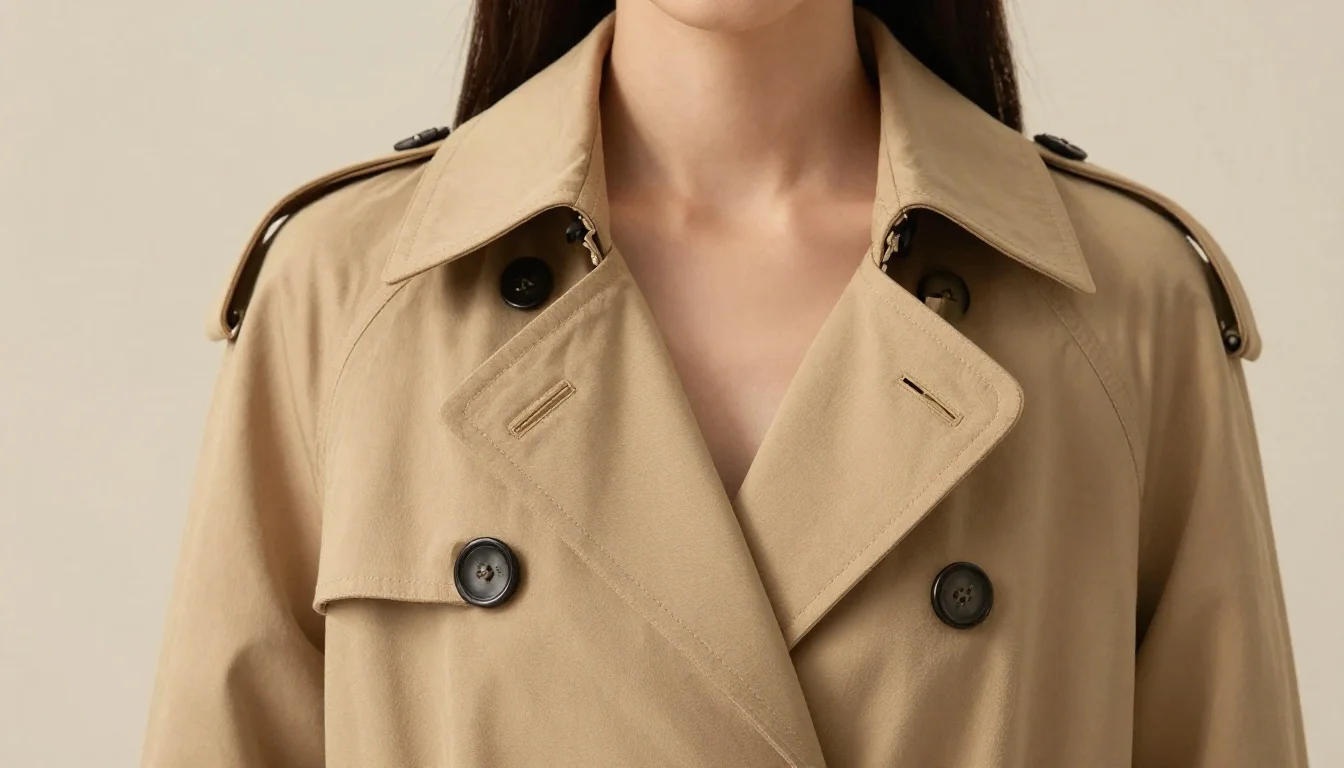
Classic Colors That Flatten Olive Skin
Stark, cool-based white
Pure white with a blue or cool undertone creates an unflattering gray cast against olive skin. The cool temperature contrasts with olive's warm-green base in a way that can make the complexion look ashy or sallow. Warm ivory and off-white are significantly more flattering — they share the warmth of olive skin without the cool-temperature conflict.
Cool ash grey
Cool grey — particularly ash grey or blue-grey — is one of the trickiest classic colors for olive skin. Its cool tone can create a muted, grayish effect against olive complexions rather than the crisp, refined look it achieves on cool undertones. Warm greige, taupe, or warm-toned stone achieve the same neutral function while harmonizing with olive's warmth.
Icy pastel colors
Pale, cool pastels — ice blue, cool lavender, powder pink — lack the warmth and depth that olive skin needs to look its best. Against an olive complexion, these icy colors can create a muted, unflattering wash rather than the fresh, light quality they have on cool-undertone skin. Clear, warm-toned pastels or deeper saturated versions work better for olive skin.
Warm, bright orange
While olive skin generally handles warmth well, very bright, saturated orange can be tricky — it can accentuate rather than complement the yellow-green quality of olive skin. Terracotta and burnt sienna, which are earthier and deeper, are more flattering than pure bright orange. Rust and warm burnt orange work if they have sufficient earthy depth.
Stop guessing — preview every look on you
See these looks on my photoClassic Wardrobe Swaps for Olive Skin
Trading the cool-toned classics for earthier, warmer alternatives that work with olive undertones.
Stark white can create a cool-gray cast on olive skin. Warm ivory sits harmoniously with the yellow-green undertone, maintaining the classic crispness.
Cool grey drains richness from olive complexions. Warm chocolate and camel enhance the natural warmth and depth that olive skin carries naturally.
Olive green echoes the undertone in olive skin, creating rich tonal harmony. It is also a legitimate classic color with a tailored, refined quality.
Icy, cool blues create a temperature conflict with olive skin. Deep teal and warm navy have the depth and slight warmth to complement rather than conflict.
The earthier, deeper versions of tan and cognac are richer and more harmonious on olive skin than bright, yellow-based camel tones.
Burgundy and teal are warmer, richer alternatives to black that work actively with olive skin rather than creating stark contrast next to a warm-toned complexion.
Which Color Season Are You?
Olive skin often aligns with Autumn seasonal types, though the specific season depends on the depth and warmth of your coloring and whether you carry more warm or neutral quality.
Deep Autumn
Learn moreIf your olive skin is medium-to-deep, your coloring is rich and earthy overall, and you look most vibrant in the deepest, warmest tones, Deep Autumn is a strong match. Your classic palette includes the deepest versions of all the warm classics: dark chocolate, deep forest green, rich burgundy, and warm charcoal. These deep, warm colors give your complexion genuine depth.
Warm Autumn
Learn moreIf your olive skin carries significant golden warmth and your overall coloring is earthy and medium-depth, Warm Autumn is likely your season. The Warm Autumn classic palette includes camel, cognac, khaki, olive green, and warm burgundy — an earthy, warm set of classic colors that is also your most flattering palette.
Soft Autumn
Learn moreIf your olive skin has a slightly muted, neutral quality — your coloring is warm but soft rather than dramatically earthy or deep — Soft Autumn may fit best. Your classic palette has the same earthy quality but in more muted tones: soft camel, muted olive, dusty terracotta, and warm stone rather than vivid, saturated versions.
Find Your Exact Classic Palette
Olive skin in classic style is an elegant combination when the earthy, warm side of the classic palette is chosen deliberately. The specific shades that work best depend on how warm versus neutral your olive tone is, how deep your complexion runs, and the contrast provided by your hair and eyes. A personal color analysis identifies exactly where in the warm-earthy spectrum you sit and gives you a precise classic palette that makes olive skin look luminous and intentional.
Stop guessing — preview every color on you
Preview Yourself In Your Palette
Get my personalized paletteStop guessing — preview every color on you
Preview Yourself In Your Palette

Related Guides for Classic Style Colors for Olive Skin
Explore more personalized color advice based on your features.
Want to see these colors on you? What Colors Look Good on Me — free to try.
Frequently Asked Questions About Classic Style Colors for Olive Skin
What classic colors suit olive skin?
Olive skin is best served by the earthy, warm side of the classic palette: camel, warm chocolate, forest green, olive green, deep burgundy, warm wine, warm ivory, and deep teal. These colors complement the yellow-green undertone in olive skin rather than clashing with it. Classic neutrals like warm charcoal and camel work better than cool ash grey or stark white.
Should olive skin avoid grey in a classic wardrobe?
Cool ash grey and blue-grey can flatten olive complexions. However, warm-toned grey — greige, taupe, or warm stone — works well because it shares olive's neutral-warm quality. If you love grey suiting, choose a greige or warm charcoal rather than a cool, icy grey. Olive skin also handles very deep charcoal (almost black-grey) well, as the depth creates contrast rather than flatness.
Can olive skin wear white in classic style?
Yes, but warm ivory and ecru are more flattering than stark, cool-based white. The warmth in ivory harmonizes with olive's yellow-green undertone, while pure blue-white can create an unflattering gray cast. Most classic pieces described as 'cream' or 'ivory' work well; it's the most optical, stark white that causes the issue.
Is green a classic color for olive skin?
Yes — olive green, forest green, and khaki are all legitimate classic colors with a long history in tailored and structured dressing. For olive skin specifically, these green-family colors have a tonal resonance with the complexion's undertone that creates a rich, sophisticated look. Forest green blazers and olive trousers are both genuinely classic and genuinely flattering for olive skin.
What shade of navy is best for olive skin in classic style?
A warm-toned or deep navy — closer to blue-black or slightly warm in temperature — works better for olive skin than a cold, icy navy. Deep teal is another excellent alternative that has the formality of navy with the warmth that olive skin prefers. Prussian blue, which sits between navy and teal, is particularly versatile for olive complexions.