Color Theoryfor Personal Styling
Understand color theory and use it to build outfits that work. Discover how to find the colors that actually flatter your coloring.
Color theory is the toolkit stylists use to make outfits look intentional instead of accidental. Once you understand a few relationships on the color wheel — and how they interact with your own undertone — you can pair colors with confidence. This guide translates color theory into practical styling you can use to build outfits that flatter you.


3,000+
happy clients
How Color Theory Makes Styling Easier
Color theory is the toolkit stylists use to make outfits look intentional instead of accidental. Once you understand a few relationships on the color wheel — and how they interact with your own undertone — you can pair colors with confidence. This guide translates color theory into practical styling you can use to build outfits that flatter you.
Color theory maps how colors relate to each other on the color wheel. Colors opposite each other are complementary and create high contrast; colors next to each other are analogous and create harmony. Understanding these relationships lets you predict which combinations will feel bold, which will feel calm, and which will clash.
For personal styling, theory has two jobs. First, it helps you combine colors in an outfit — pairing a complement for impact or analogous shades for a polished, tonal look. Second, it helps you choose colors that flatter you specifically, by matching the temperature and depth of what you wear to your own coloring.
You do not need to be a color scientist. A handful of practical rules — complementary pairs, analogous harmonies, the role of neutrals, and matching undertone — covers most real styling decisions. Learn these, and getting dressed becomes a series of confident choices rather than guesses.
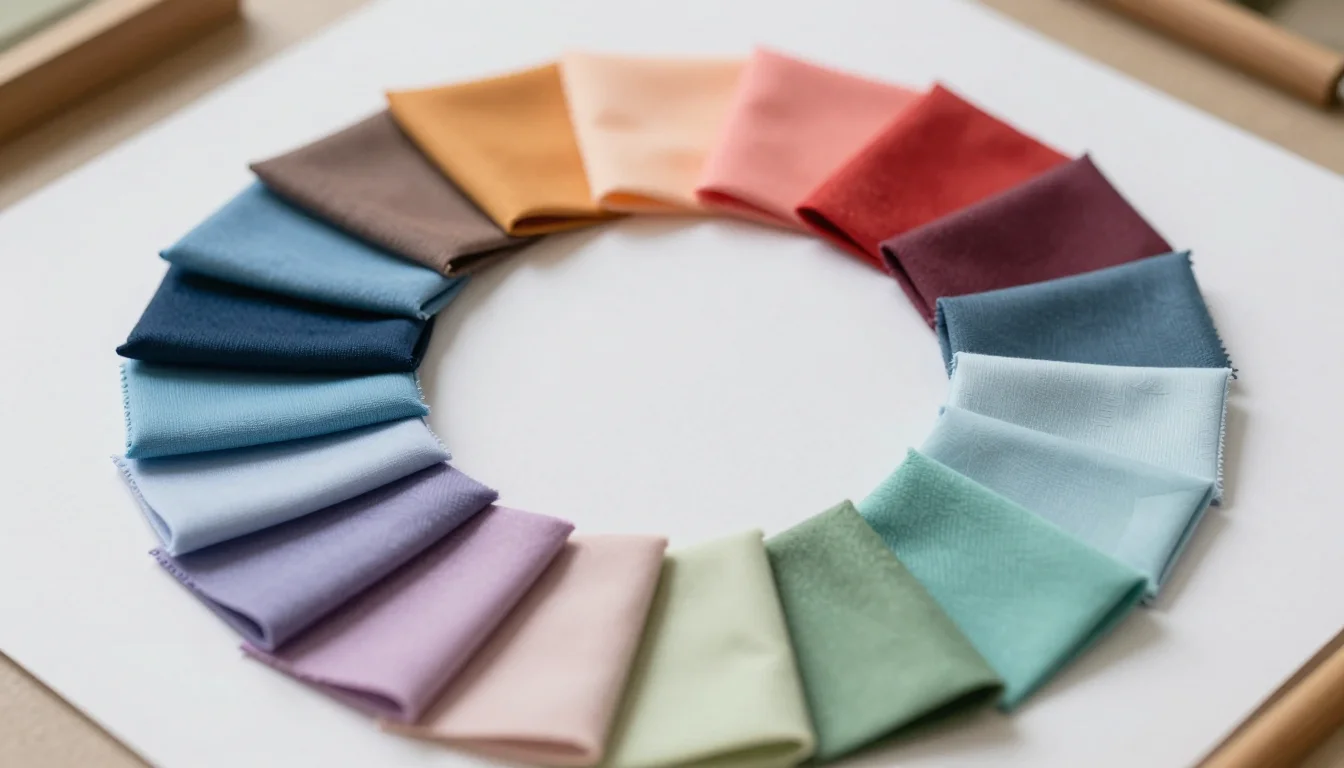
What is color theory in personal styling?
Color theory is the study of how colors relate on the color wheel — complementary, analogous, and neutral relationships — applied to building outfits. It helps you combine colors intentionally and choose shades that flatter your own coloring.
The Color Relationships That Style You
Complementary Pairs (High Impact)
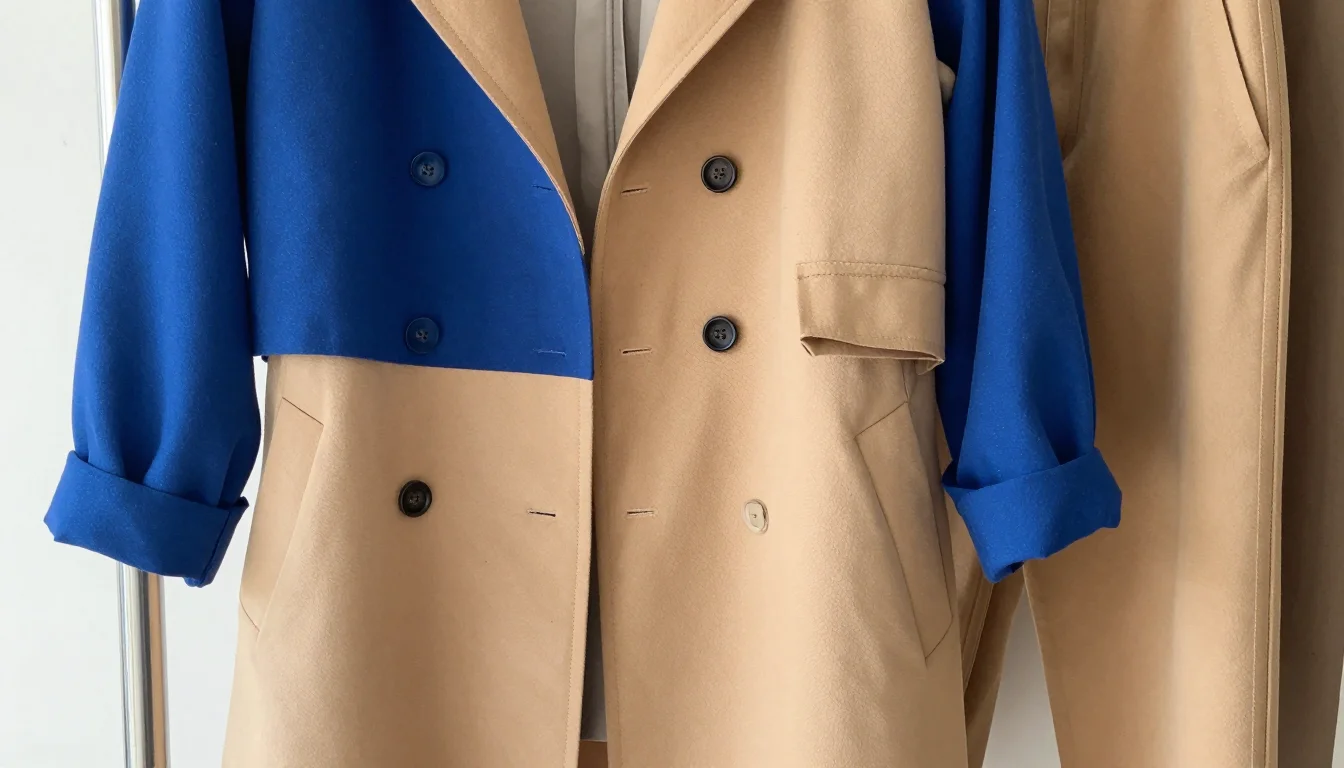
Complementary colors sit opposite each other on the wheel — blue and orange, green and red. Pairing them, or wearing one as an accent, creates bold, eye-catching contrast. In styling, this is how you make an outfit pop: a cobalt dress with a warm orange accessory, or emerald with a burgundy touch. Use them intentionally for impact.
Analogous Harmonies (Polished Tonal)
Analogous colors sit next to each other — blue, teal, and green, or the range from blue to lavender. Combining them creates a smooth, harmonious, tonal outfit that reads as intentional and calm. This is the easiest way to look pulled together: build a look from two or three neighboring hues.
Neutrals as Anchors
Neutrals ground an outfit and let a color shine. Navy, camel, charcoal, and ivory pair with almost anything and form the backbone of a versatile wardrobe. In color theory terms, they give the eye a place to rest, so a single strong color reads as a deliberate focal point rather than chaos.
Undertone Matching (Flattering Fit)
Beyond combining colors, theory helps you flatter yourself by matching temperature to your undertone. Warm undertones glow in warm coral and golden yellow; cool undertones shine in cool rose and icy blue. Choosing the warm or cool version of any color is what makes it flatter rather than fight your complexion.

Ready to apply color theory to your palette?
Start my color analysisHow to Apply Color Theory to Your Outfits
Start with one lead color
Choose a single color to lead your outfit, then decide whether you want impact or harmony. For impact, add a small complementary accent; for a calm look, add analogous neighbors. This keeps combinations intentional rather than random.
Anchor with neutrals
Use navy, camel, charcoal, or ivory as the backbone of most outfits and let one color be the star. Neutrals give the eye somewhere to rest and make a strong color read as a deliberate focal point.
Match temperature to yourself
Once you have a combination, choose the warm or cool version of each color to suit your undertone. A warm coral for warm skin, a cool rose for cool skin — this is what turns a good combination into a flattering one.
Use accents for complements
You rarely need to wear a bold complementary pair head to toe. A complementary accessory, shoe, or lip gives you the eye-catching contrast of color theory without overwhelming the outfit.
Common Color Theory Mistakes in Styling
Too many strong colors at once
Combining several saturated, competing colors with no neutral to anchor them makes an outfit look chaotic. Let one color lead and support it with neutrals or analogous shades.
Ignoring undertone in a pairing
A technically correct complementary pair can still look off if the shades clash with your undertone. Choose the warm or cool version of each color to suit your complexion, not just the wheel.
Mismatched temperatures
Pairing a very warm shade with a very cool one in equal measure can feel jarring. Keep an outfit mostly in one temperature family, or use a neutral to bridge them.
Muddy, greyed combinations
Combining several dull, greyed-down colors can read as murky and unsure. At least one clear color or crisp neutral gives the outfit definition and intention.
Warm or cool? It shapes every pairing
Find my undertoneStyling Swaps Using Color Theory
Small changes grounded in color theory that make outfits look intentional.
A single accent delivers impact without overwhelming the look.
Neighboring hues create a smooth, polished, intentional look.
Neutrals let a strong color read as a deliberate focal point.
Matching temperature to your skin makes any color flatter you.
A clear element gives the outfit definition and intention.
Which Palette Might Be Yours?
Color theory tells you how to combine colors, and your seasonal palette tells you which versions flatter you. Together they make styling effortless — here are a few starting points.
Warm Autumn
Learn moreIf warm, rich, earthy colors suit you, warm autumn may be your palette — build combinations from its warm range.
Cool Summer
Learn moreIf soft, cool colors flatter you, cool summer could be yours — analogous cool harmonies will look effortless.
Bright Winter
Learn moreIf clear, high-contrast colors energize you, bright winter may fit — bold complementary pairs suit you well.
Find Your Exact Colors
Color theory tells you how colors work together; a personalized color analysis tells you which colors work on you. Combine the two and every outfit becomes a confident choice. Discover your season and get a palette of flattering shades to apply these color theory principles to your own wardrobe.

Related Guides for Color Theory for Personal Styling
Explore more personalized color advice based on your features.
Want to see these colors on you? What Colors Look Good on Me — free to try.
Frequently Asked Questions About Color Theory for Personal Styling
What is color theory in personal styling?
Color theory is the study of how colors relate on the color wheel — complementary, analogous, and neutral relationships — applied to building outfits. It helps you combine colors intentionally and choose shades that flatter your own coloring.
What are complementary colors in an outfit?
Complementary colors sit opposite each other on the wheel, like blue and orange or green and red. Pairing them, or using one as an accent, creates bold, eye-catching contrast. They are the tool for making an outfit pop.
What are analogous colors for styling?
Analogous colors sit next to each other on the wheel, like blue, teal, and green. Combining them creates a smooth, harmonious, tonal outfit that looks polished and intentional. It is the easiest way to look pulled together.
How do neutrals fit into color theory?
Neutrals like navy, camel, charcoal, and ivory anchor an outfit and give the eye a place to rest. They let a single strong color read as a deliberate focal point rather than looking chaotic, forming the backbone of a versatile wardrobe.
How does undertone affect color theory in styling?
Undertone determines which version of a color flatters you. A complementary pair can be technically correct but still look off if the shades clash with your skin. Choosing the warm or cool version of each color for your undertone makes it flatter you.
Do I need color theory if I know my season?
They work together. Your season tells you which colors flatter you; color theory tells you how to combine them into outfits. Knowing both means you can build flattering, intentional looks with confidence rather than guessing.