The Difference BetweenCool & Soft Summer
Cool Summer and Soft Summer are easy to confuse. Discover how to find the colors that actually flatter your coloring.
Cool Summer and Soft Summer are neighbors in the summer family, and they are two of the most commonly confused seasons. Both are cool and gentle, but one leans clearly cool while the other leans muted and blended. This guide explains the real difference in undertone, contrast, and palette — and how to tell which summer is yours.


3,000+
happy clients
How Cool Summer and Soft Summer Differ
Cool Summer and Soft Summer are neighbors in the summer family, and they are two of the most commonly confused seasons. Both are cool and gentle, but one leans clearly cool while the other leans muted and blended. This guide explains the real difference in undertone, contrast, and palette — and how to tell which summer is yours.
Both Cool Summer and Soft Summer sit in the Summer family, which means both are cool-leaning, relatively light, and low in contrast. The confusion is understandable — a lot of their palettes overlap. But each has a different dominant quality that changes which colors flatter you most.
Cool Summer's defining trait is coolness. Its dominant quality is temperature, so its colors are clearly cool and a touch clearer, with more evident contrast between hair, skin, and eyes. Think cool rose, clear soft blue, and blue-based navy. It borrows from Winter's coolness while staying soft.
Soft Summer's defining trait is softness, or muted chroma. Its dominant quality is that everything is blended and greyed, and it leans slightly warmer and more neutral than Cool Summer. Its colors are dustier and more muted, and its contrast is very low. It borrows from Autumn's muted quality while staying cool overall.
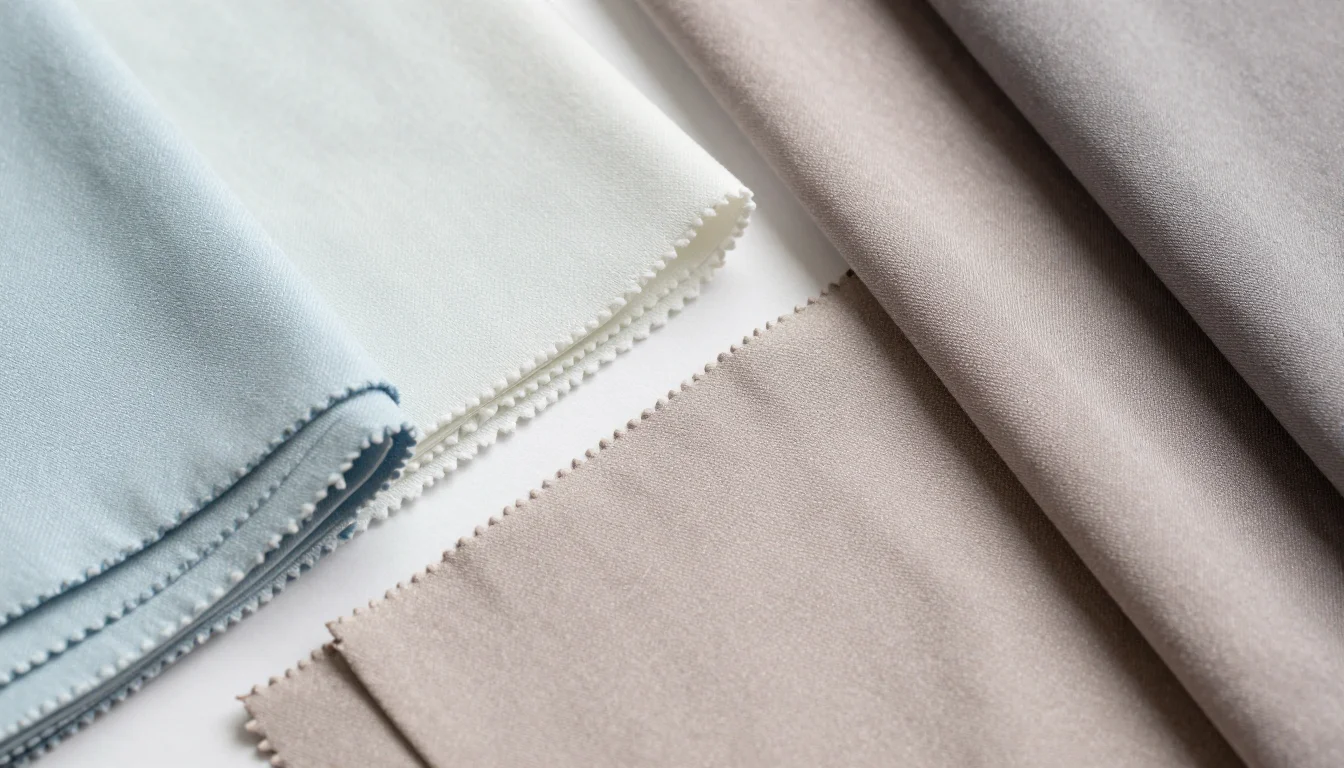
What is the difference between Cool Summer and Soft Summer?
Cool Summer is defined by coolness — its colors are clearly cool with a bit more clarity and contrast. Soft Summer is defined by softness — its colors are muted and greyed, very low-contrast, and lean slightly more neutral. Temperature versus mutedness is the key difference.
The Colors Each Season Wears
Cool Summer Colors
Cool Summer wears clearer, definitively cool colors. Cool rose, soft cobalt, and a blue-based navy show its temperature clearly, and it can handle a little more clarity and contrast than Soft Summer. These colors read cool and slightly crisp rather than dusty.
Soft Summer Colors
Soft Summer wears muted, greyed versions of cool colors. Dusty rose, mauve, and soft sage show its blended, low-contrast quality. Everything is softened and slightly neutral, so clear or bright colors overwhelm it. Muted is the key word for Soft Summer.
Shared Summer Neutrals
Both seasons share a range of cool, soft neutrals. Soft grey, cool taupe, and greige flatter Cool and Soft Summer alike, which is part of why they are confused. These gentle neutrals are safe common ground for both.
The Deciding Colors
The colors that separate the two are the tests. If a clear cool pink and bright periwinkle flatter you, you likely lean Cool Summer. If those feel too much and muted mauve and dusty teal look better, you likely lean Soft Summer. Your reaction to clarity versus mutedness reveals your season.

Cool or Soft Summer? Find out for certain
Start my color analysisHow to Tell Which Summer You Are
Test clarity versus mutedness
Hold a clear cool color and a muted, dusty version of it near your face. If the clearer one flatters and looks fresh, you likely lean Cool Summer. If the clearer one overwhelms and the muted one looks harmonious, you likely lean Soft Summer.
Check your contrast level
Look at how different your hair, skin, and eyes are from each other. Cool Summer usually has slightly more visible contrast; Soft Summer is very blended and low-contrast, with everything close in depth. Higher contrast leans Cool Summer.
Notice your undertone lean
Cool Summer is clearly cool; Soft Summer is cool but slightly more neutral and can tolerate a hint of warmth. If purely cool shades always look best, you lean Cool Summer. If slightly softened, neutral shades suit you, you lean Soft Summer.
Judge how brightness feels
Pay attention to how bright colors feel on you. If even soft brightness feels like too much and you always look better in muted, dusty shades, that points to Soft Summer. If you can carry a little more clarity, that points to Cool Summer.
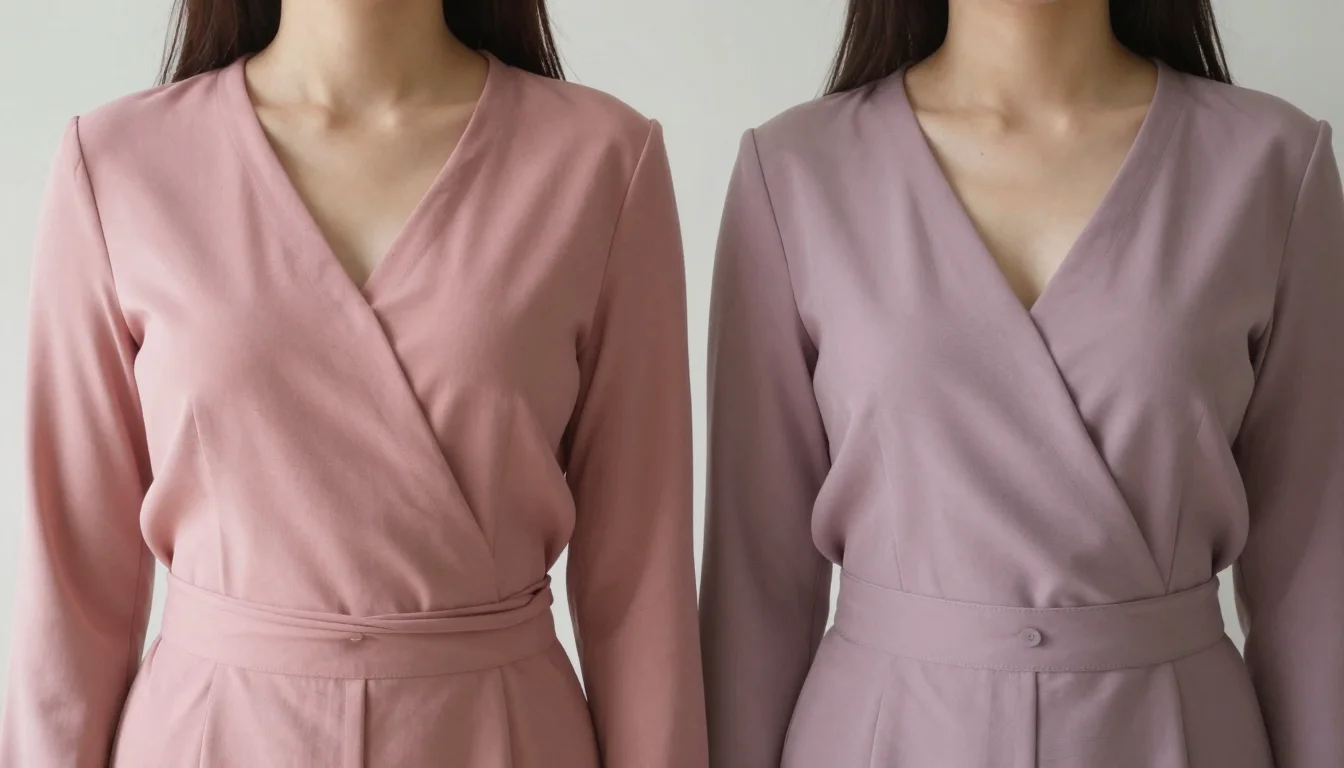
Colors That Reveal the Difference
Clear bright pink
On Cool Summer it can work as an accent; on Soft Summer it overwhelms the muted coloring and looks harsh. If bright pink feels like too much on you, you likely lean Soft Summer.
Muddy warm olive
Neither season wears warm muddy olive well, but Soft Summer tolerates soft neutral greens better than Cool Summer, which prefers cooler, clearer greens. Your best green hints at your lean.
Stark black and white
Both seasons find stark black-and-white contrast too harsh, but Cool Summer handles a bit more contrast than Soft Summer. If high contrast feels especially draining, you likely lean Soft Summer.
Warm golden yellow
Warm golden yellow flatters neither, but Soft Summer's slight warmth tolerates a soft muted yellow better than Cool Summer, which wants cooler shades. Reactions to warmth help separate the two.
Ready to see your true palette on you?
Find my seasonCool vs Soft Summer at a Glance
The same color, adjusted for each season, shows how they differ.
Cool Summer takes clearer cool; Soft Summer takes muted.
Cool Summer is clearer; Soft Summer is greyed.
Cool Summer wants cooler; Soft Summer wants muted.
Cool Summer handles more clarity than Soft Summer.
Cool Summer leans cooler; Soft Summer leans neutral.
Explore Both Palettes
Once you know which summer you lean toward, exploring the full palette makes it clear. Here are both seasons plus their shared neighbor.
Cool Summer
Learn moreClearly cool, slightly clearer, with a bit more contrast. Explore this if pure cool shades flatter you most.
Soft Summer
Learn moreMuted, blended, and very low-contrast, leaning slightly neutral. Explore this if dusty shades suit you best.
Light Summer
Learn moreThe third summer — light, cool, and delicate. Worth checking if both cool and soft feel almost right.
Find Your Exact Season
Cool Summer and Soft Summer are close, and telling them apart comes down to whether temperature or mutedness dominates your coloring. A personalized color analysis reads your undertone, contrast, and chroma precisely, so you know for certain which summer is yours — and get a palette that flatters you exactly.

Related Guides for Cool Summer vs Soft Summer
Explore more personalized color advice based on your features.
Want to see these colors on you? What Colors Look Good on Me — free to try.
Frequently Asked Questions About Cool Summer vs Soft Summer
What is the difference between Cool Summer and Soft Summer?
Cool Summer is defined by coolness — its colors are clearly cool with a bit more clarity and contrast. Soft Summer is defined by softness — its colors are muted and greyed, very low-contrast, and lean slightly more neutral. Temperature versus mutedness is the key difference.
How do I know if I am Cool or Soft Summer?
Test clarity against mutedness near your face. If clearer cool colors flatter you and you have a little visible contrast, you lean Cool Summer. If clear colors overwhelm you and muted, dusty shades look best, you lean Soft Summer.
Can Cool Summer and Soft Summer wear the same colors?
They share many soft, cool neutrals like grey, taupe, and greige, which is why they are confused. But Cool Summer wears clearer cool colors better, while Soft Summer needs everything more muted and blended.
Is Soft Summer warmer than Cool Summer?
Slightly. Soft Summer is still cool overall, but it leans more neutral and can tolerate a hint of warmth, borrowing its muted quality from Autumn. Cool Summer is more decisively cool, borrowing its coolness from Winter.
Which has more contrast, Cool or Soft Summer?
Cool Summer usually has slightly more visible contrast between hair, skin, and eyes. Soft Summer is very blended and low-contrast, with features close in depth. If high contrast feels especially draining, you likely lean Soft Summer.
What if both Cool and Soft Summer seem to fit?
That often means you are close to the boundary, and Light Summer is worth checking too. A personalized color analysis reads your undertone, contrast, and chroma precisely to settle which summer flatters you most.