Wardrobe forOlive Skin
Knowing which colors suit olive skin is only half the work. Discover how to build looks with shades that actually flatter you.
Knowing which colors suit olive skin is only half the work. The other half is knowing how to build a wardrobe around them — which pieces to anchor, which to accent, and how to put outfits together so your skin looks glowing every time you get dressed. This is that guide.


3,000+
happy clients
Why Olive Skin Changes How You Dress
Knowing which colors suit olive skin is only half the work. The other half is knowing how to build a wardrobe around them — which pieces to anchor, which to accent, and how to put outfits together so your skin looks glowing every time you get dressed. This is that guide.
Olive skin carries a yellow-green undertone that doesn't respond the way golden or pink-toned skin does. Most generic wardrobe advice is written for warm-golden or cool-pink complexions, so the colors it recommends — mustard, stark white, light grey, cool pastels — routinely miss the mark for olive skin.
The key to dressing olive skin well is understanding its relationship with neutrals. Your skin's yellow-green undertone means that cool-based neutrals (grey, cool white, light silver) create a draining effect. Warm-based neutrals — camel, cream, warm stone, warm brown — create harmony. This shifts your entire wardrobe foundation away from the usual grey-black-white axis.
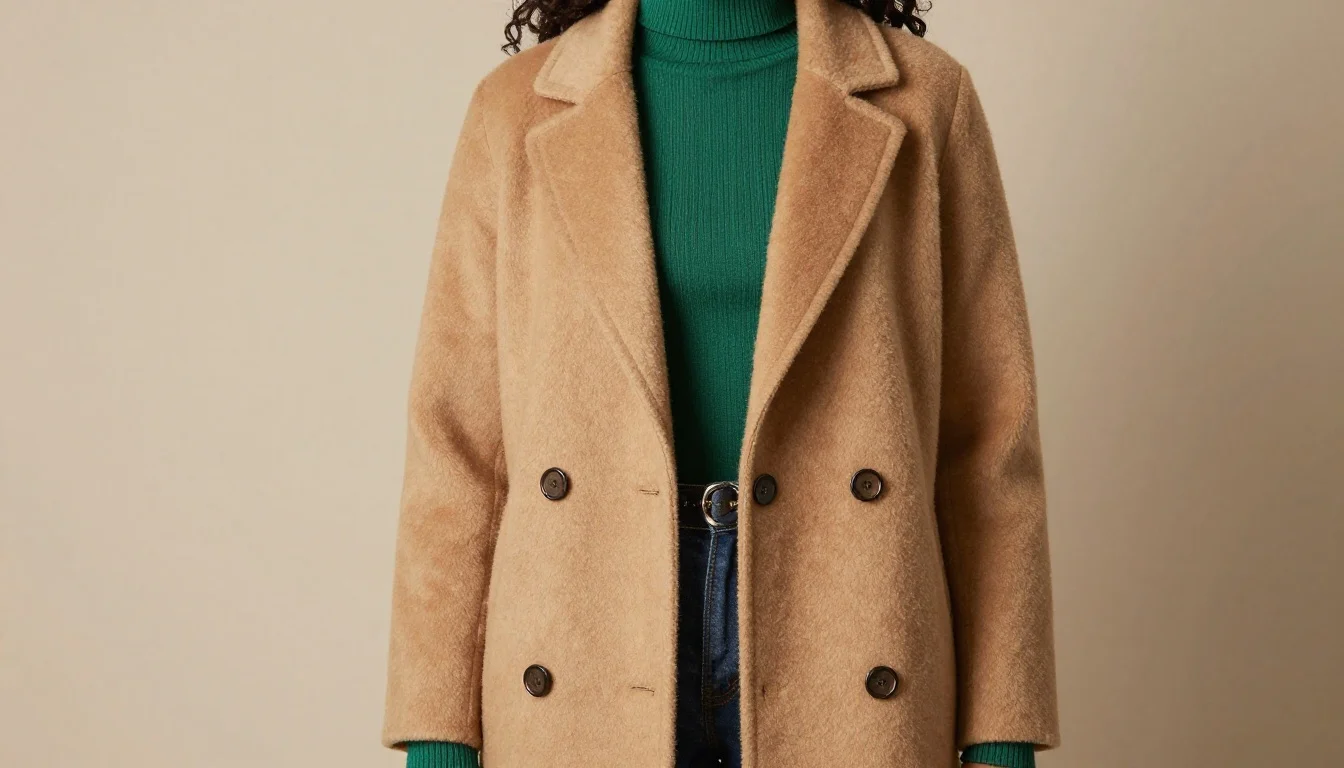
Once you internalize that warm earths are your true neutrals, building outfits becomes intuitive. A camel wool coat, a cream silk blouse, and a pair of deep indigo jeans is not just stylish — it's calibrated to your undertone. Every piece is working with your skin, not against it.
What are the best wardrobe colors for olive skin?
Warm earths and jewel tones are the best wardrobe colors for olive skin. Camel, warm ivory, terracotta, rust, and burnt sienna make excellent anchors and everyday pieces. Emerald, deep teal, burgundy, and aubergine work beautifully as statement items. Warm browns and deep forest green serve as sophisticated darks — better than grey or stark black for olive undertones.
Your Core Wardrobe Colors
Warm Neutral Anchors
These are the foundation of a wardrobe built for olive skin. Camel is olive skin's best neutral — it echoes the warmth in your complexion instead of fighting the green. A well-cut camel wool coat or cream silk blouse near the face is more flattering than any shade of grey or stark white. Invest here: these are your most-worn pieces.
Earth Tone Accents
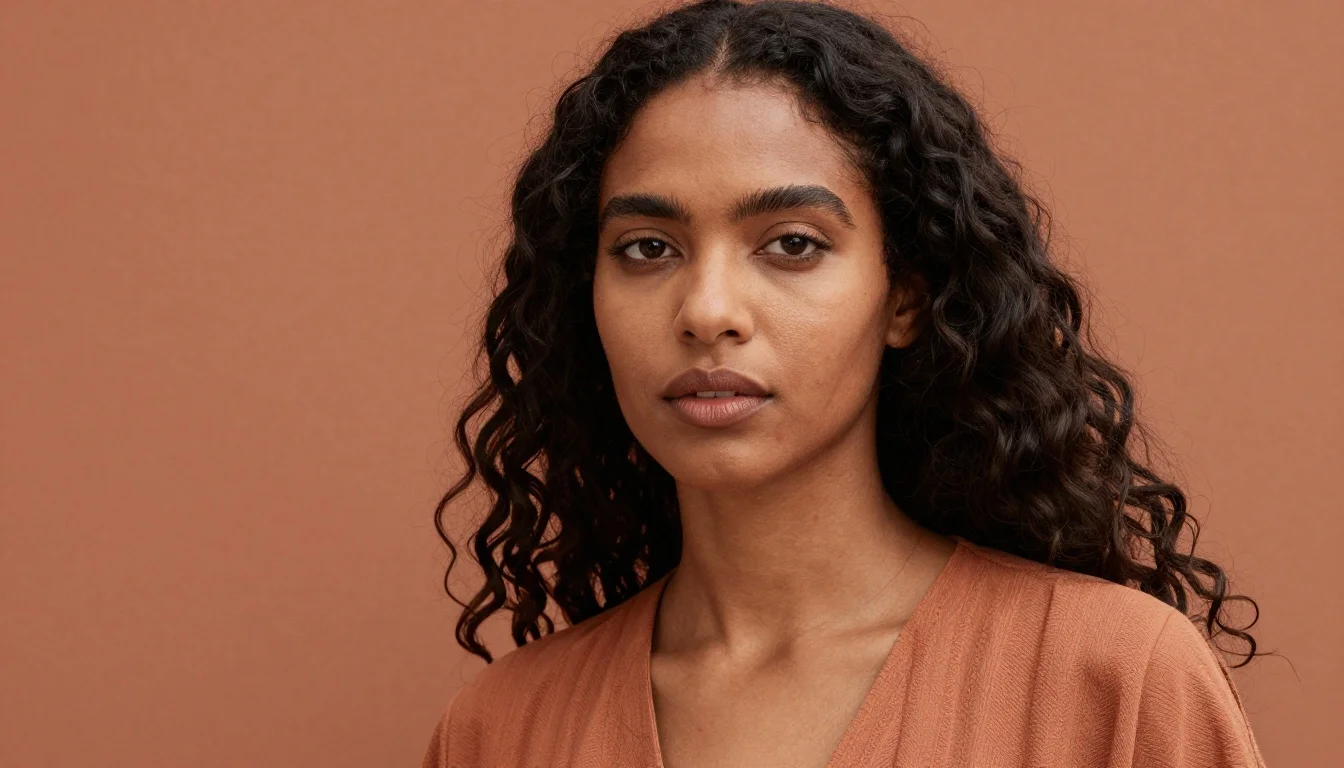
Terracotta and rust are the colors most uniquely suited to olive skin. They counteract the green undertone by adding rich, reddish warmth. A terracotta linen blouse or rust knit jumper makes olive skin look sun-kissed and intentional. These are not colors that work for everyone — they are specifically yours. Use them in tops, scarves, and statement dresses.
Deep Jewel Tone Impact Pieces
Jewel tones give olive skin the high-contrast drama it can carry. Emerald plays off the green undertone in a complementary rather than clashing way. Burgundy and aubergine add depth without draining warmth. These are the colors for your statement blazer, occasion dress, or evening top. One emerald silk blouse will do more for you than a whole drawer of beige.
Rich Warm Darks
These are olive skin's sophisticated darks. Warm brown and chocolate serve as your wardrobe's 'black' — they create depth without the stark cool contrast that pure black or charcoal can produce against yellow-green undertones. Deep forest green and warm navy offer the same grounding effect with more visual interest. Reach for these in trousers, blazers, and denim.

Ready to see camel & ivory on your face?
Start my color analysisHow to Build Outfits for Olive Skin
The Everyday Formula
Anchor + Earth Accent + Dark Base: pair a warm ivory or cream top (your anchor) with terracotta or rust accessories or a second layer, and ground the outfit in warm indigo denim or chocolate-brown trousers. Example: cream fitted turtleneck + terracotta leather belt + dark indigo straight-leg jeans + camel ankle boots. Every element works with your undertone.
The Office Formula
For a polished work look, try deep teal or emerald in a silk blouse or structured blazer, paired with warm-stone or camel tailoring. A deep teal silk blouse tucked into warm camel wide-leg trousers, with chocolate-brown loafers, creates a look that is striking, professional, and perfectly calibrated to olive skin's ability to carry jewel tones alongside warm neutrals.
The Weekend Formula
Invest in earth-toned knitwear as your weekend uniform. A burnt sienna ribbed knit, straight-cut warm-brown cords, and white-soled sneakers or cognac Chelsea boots is the ultimate olive-skin weekend look. It requires no thought and photographs beautifully. If you own one good rust or terracotta jumper, you will reach for it constantly.
The Evening Formula
For occasion dressing, lean into jewel-tone statement pieces: a rich burgundy midi dress, an aubergine silk slip, or an emerald structured blazer over cream wide-leg trousers. These colors create the high-contrast drama that makes olive skin look its most vivid under evening lighting. Finish with gold jewelry — your undertone's natural match — rather than silver.
Colors That Work Against Olive Skin
Stark white
Bright white creates a cool, harsh contrast against olive undertones and can make the green quality of your skin appear more pronounced. Swap it for warm ivory or cream, which give you the same clean, fresh energy without the clash.
Cool grey (in large amounts)
A light to mid cool grey reflects no warmth back onto olive skin. In tops or near the face, it makes olive complexions look sallow and dull. Warm grey with a taupe or greige base is fine — it's the blue-cast greys to avoid, particularly in chunky knits or heavy fabric.
Mustard yellow
Mustard feeds into the yellow-green of olive undertones rather than balancing them, pushing the complexion toward looking sallow. If you want warmth and brightness, terracotta or cinnamon achieve it without the sallow risk.
Icy pastels and cool pinks
Baby pink, lavender, ice blue, and mint all have cool, blue-toned bases that visually clash with the warm green in olive skin. They drain colour from the complexion. If you love pale and soft, choose warm dusty rose, peach, or soft coral instead.
Stop guessing — preview every look on you
See these looks on my photoYour Wardrobe, Upgraded
Specific garment swaps that immediately make olive skin look more alive and intentional.
The warmth in ivory echoes your undertone and removes the harsh cool contrast that white creates against olive skin. You will still look clean and fresh — just without the draining effect.
Grey reflects cold light onto your complexion; camel and warm stone mirror your skin's natural warmth back. Terracotta adds the richness that grey can never give olive skin.
Black and charcoal are not inherently bad on olive skin, but camel and cognac actively flatter. A camel overcoat near your face all day is one of the highest-impact wardrobe investments an olive-toned person can make.
Cool pastels fight olive undertones near the face. Deep jewel tones and warm earths are what olive skin can carry with authority — and they look far more polished.
Pale cool satin washes out olive skin under event lighting. Saturated warm-cool jewel tones make olive skin look vibrant and photograph with depth and dimension.
Grey tailoring flattens olive skin. Camel, warm brown, and deep green create a harmonious, sophisticated palette that reads as intentional and elevated rather than generic.
Which Seasonal Palette Matches Your Olive Skin?
Olive skin spans several seasonal palettes, each with its own specific wardrobe priorities. Identifying your season takes you from "generally flattering colors" to a precise, personalized palette that makes shopping completely effortless.
Warm Autumn
Learn moreIf your olive skin leans golden, your hair is medium to dark brown, and your eyes are warm brown or hazel, Warm Autumn is likely your palette. Your wardrobe anchor is rich, warm, earthy saturation: camel, terracotta, rust, burnt sienna, warm olive, and deep teal. Every color in this palette harmonizes with your undertone.
Soft Autumn
Learn moreIf your olive skin is medium in depth with softer, more muted undertones and your overall coloring lacks high contrast, Soft Autumn is a strong match. Your wardrobe benefits from the same earth tone families but in dustier, less saturated versions: dusty terracotta, muted sage, warm taupe, and soft camel rather than bold rust or bright emerald.
Deep Autumn
Learn moreIf your olive skin is dark and rich — deep brown undertones, dark eyes, dark hair, high contrast overall — Deep Autumn is your most likely home. Your wardrobe can handle the most saturated and deeply pigmented versions of every color: cognac, burnt sienna, forest green, deep burgundy, and dark chocolate. These are the colors that look definitively yours.
Build a Wardrobe That Works Without Thinking
The goal of dressing for your undertone is not to restrict your wardrobe — it is to eliminate the mystery of why some things work and others do not. Once you know that camel is your neutral, terracotta is your power color, and jewel tones are your statements, every shopping decision becomes clear. A personalized color analysis takes your unique combination of skin depth, hair, and eye color to identify your exact seasonal palette — and the precise shades that will make your wardrobe feel effortless for life.
Stop guessing — preview every color on you
Preview Yourself In Your Palette
Get my personalized paletteStop guessing — preview every color on you
Preview Yourself In Your Palette

Related Guides for Wardrobe for Olive Skin
Explore more personalized color advice based on your features.
Want to see these colors on you? What Colors Look Good on Me — free to try.
Frequently Asked Questions About Wardrobe for Olive Skin
What are the best wardrobe colors for olive skin?
Warm earths and jewel tones are the best wardrobe colors for olive skin. Camel, warm ivory, terracotta, rust, and burnt sienna make excellent anchors and everyday pieces. Emerald, deep teal, burgundy, and aubergine work beautifully as statement items. Warm browns and deep forest green serve as sophisticated darks — better than grey or stark black for olive undertones.
What is the best coat color for olive skin?
Camel is the single most flattering coat color for olive skin. It echoes the warmth in your complexion and creates a harmonious, luminous effect that no grey or black coat can match. Cognac brown and forest green are excellent alternatives. If you prefer a dark coat, warm chocolate brown is more flattering than charcoal or cool black.
Can olive skin wear black?
Yes, olive skin can wear black, but it is not the most flattering choice for tops or layers near the face. Black works well in trousers, footwear, and bags. For outerwear and tops, warm brown, deep forest green, or deep teal are more flattering choices that maintain the same level of sophistication while actively complementing olive undertones.
Why does grey look wrong on olive skin?
Cool grey reflects blue-toned light, which amplifies the yellow-green quality of olive undertones and makes the complexion look sallow or tired. Warm grey with a taupe or greige base works much better. The rule of thumb: if a grey looks blue or silver, avoid it in tops and near the face. If it reads warm or brownish, it can work.
What are the best neutrals for an olive skin capsule wardrobe?
Swap the conventional grey-black-white neutral axis for camel, warm ivory, cream, warm stone, and chocolate brown. These warm neutrals form a cohesive palette that all work with each other and all work with olive skin. They allow you to build outfits intuitively without any piece fighting your undertone.
What jewelry metals work best with olive skin?
Gold is the best metal for olive skin — it harmonizes with the warm, yellow-green undertone and creates a luminous effect. Rose gold also works well. Silver and white gold can look disconnected unless your olive skin runs cooler or is paired with cool-toned jewel tone clothing. When in doubt, gold is always the right call for olive undertones.